Achievements: Economic Growth, Construction, and Tax Reforms
1. GDP increased by more than 10 percent
The country's economy showed record growth. By the end of November 2025, the real GDP growth reached 10.2 percent, achieved thanks to active construction and the development of the service sector. This allowed Kyrgyzstan to take a leading position in growth rates among the EAEU countries. It is expected that by the end of the year, growth will remain at around 10 percent.
However, analysts from the Eurasian Fund for Stabilization and Development (EFSD) suggest that after such rapid growth, Kyrgyzstan's economy will begin to stabilize in 2026, with an expected growth of around 6.4 percent.
2. Rocket growth in the construction sector and mortgage lending
The construction sector increased by 29 percent, facilitated by the state mortgage program (GIK) "My Home 2021–2026," leading to mass housing construction in both Bishkek and other regions. This also had a positive impact on related industries, including the production of cement, bricks, and finishing materials.
As Gulzat Totubaeva, head of the public relations department of the State Mortgage Company, stated, "The first construction began in 2023, and the first apartments were issued only in December 2024." "In 2026, we plan to issue apartments in bulk, totaling about 20,000 across the republic, of which more than 4,000 will be in Bishkek," she added.
3. Tax reform: return of patents and new technologies
The implementation phase of cash register machines was successfully completed, increasing business transparency. Authorities also took a step towards entrepreneurs by partially restoring the patent system for markets and small businesses and extending preferential regimes, which helped reduce social tension and preserve jobs.
The threshold for annual revenue for trading entities was raised from 30 to 50 million soms, and a single tax rate of 0.25 percent was established for the jewelry industry. Tax debts on various items were also written off.
In 2026, the second phase of tax reforms is expected to introduce a new electronic accounting module KEZET, which is set to replace tax inspectors with artificial intelligence, eliminating the human factor, as stated by the head of the State Tax Service, Almambet Shykmamatov.
4. Increase in investments in fixed capital
Investments in fixed capital grew by 18.2 percent over the 11 months of 2025, with most funds coming from domestic investors and budget investments in infrastructure projects such as hydropower plants, roads, and mineral processing.
External investments also increased by 17.5 percent, reaching a total of 283 billion 246.1 million soms.
5. Increase in real wages
Against the backdrop of economic growth, the average monthly nominal wage increased by 19.2 percent, and even accounting for inflation, real incomes showed positive dynamics (+12 percent over six months), supporting high purchasing power.
Additionally, Prime Minister Adylbek Kasymaliev announced a salary increase starting April 1 for social sector workers, including teachers, medical staff, and cultural workers. A second phase of increases is planned for September 1, 2026, when the salaries of state and municipal employees will rise by 50 percent.
As Kasymaliev noted, about 57 billion soms per year will be required to implement the salary increases, of which 39 billion is already allocated in the budget for 2026.
Challenges and Problems: Inflation and Resource Deficits
6. Increase in inflation
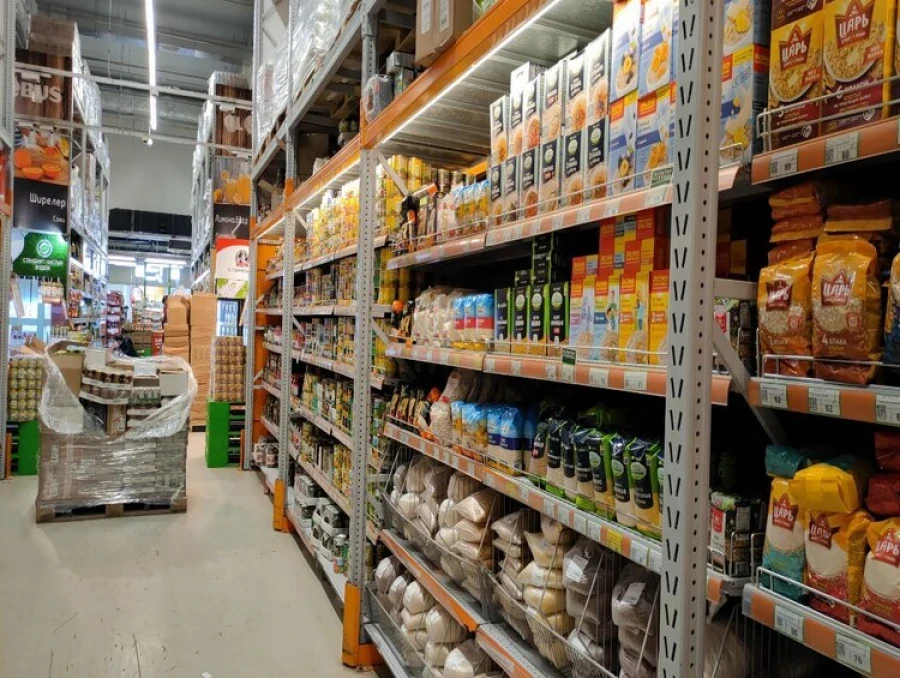
The main problem of the year was inflation, which reached 8.3 percent by December 2025. On an annual basis, it was 9.2 percent. Basic food products, utilities, and fuel became more expensive, negatively affecting the financial situation of citizens despite wage growth.
EFSD analysts predict that in 2026, inflation will begin to decrease to 6.4 percent, although risks remain associated with annual increases in electricity tariffs and high prices for food and fuel. A reduction in the pace of price growth is possible with decreased volatility in external markets and tightening monetary conditions in the country.
7. Increase in the discount rate to 11 percent
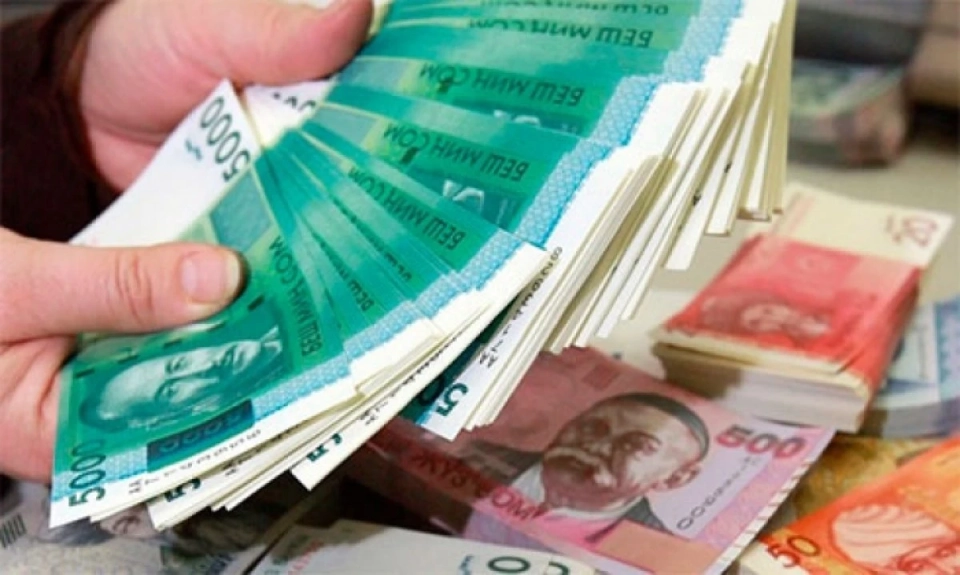
In response to inflationary pressure, the National Bank of the Kyrgyz Republic raised the discount rate to 11 percent on November 25, 2025, up from 9 percent at the beginning of the year. This decision made loans less accessible for businesses and the population, which may lead to a decrease in business activity in the future.
Reference 24.kg
The discount rate is a key tool of the central bank's monetary policy that determines the cost of short-term borrowing for commercial banks. It affects the overall cost of loans in the economy and the lending conditions for businesses and the population.
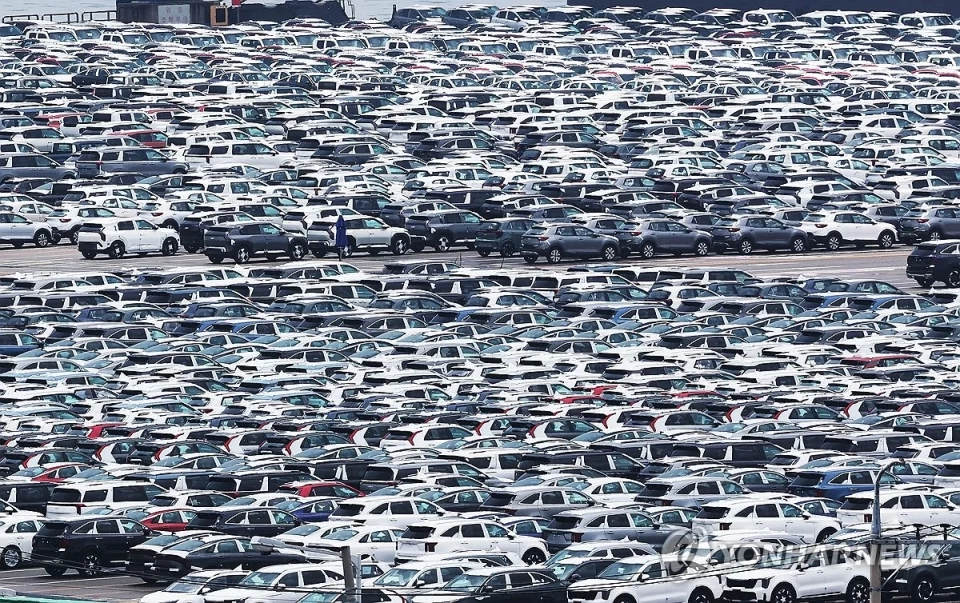
8. Decrease in exports and trade imbalance
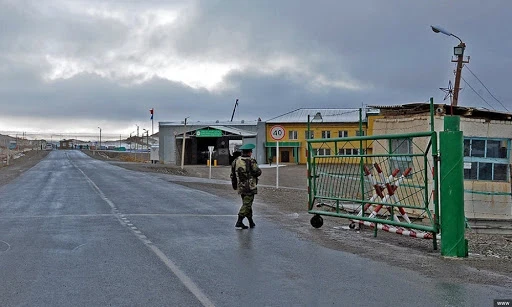
Throughout the year, a negative trend was observed in foreign trade. According to data for 10 months, the trade volume decreased to 12.8 billion dollars, which is 9.6 percent less compared to the same period in 2024. Exports fell by 38.2 percent, which is particularly concerning.
Moreover, there is a significant gap between imports and exports: imported goods account for 81.2 percent of total foreign trade, creating pressure on the currency market and increasing the country's dependence on remittances from migrants.
9. Growing consumer lending
By the end of September, the volume of consumer loans increased by 60.8 percent since the beginning of the year, reaching 159.5 billion soms. Their share in the overall loan structure is about 34.6 percent. The population is actively taking loans for purchasing goods and for household needs. Mortgage loans increased by 30.1 percent, amounting to 51 billion soms, which constitutes 11.1 percent of the total loan volume.
Experts and the National Bank of the Kyrgyz Republic express concern about the high level of indebtedness among citizens, which could lead to repayment risks in the event of an economic downturn.
10. Electricity deficit
Read more on the topic Low water levels in Kyrgyzstan: glaciers melting, harvests falling, light saving
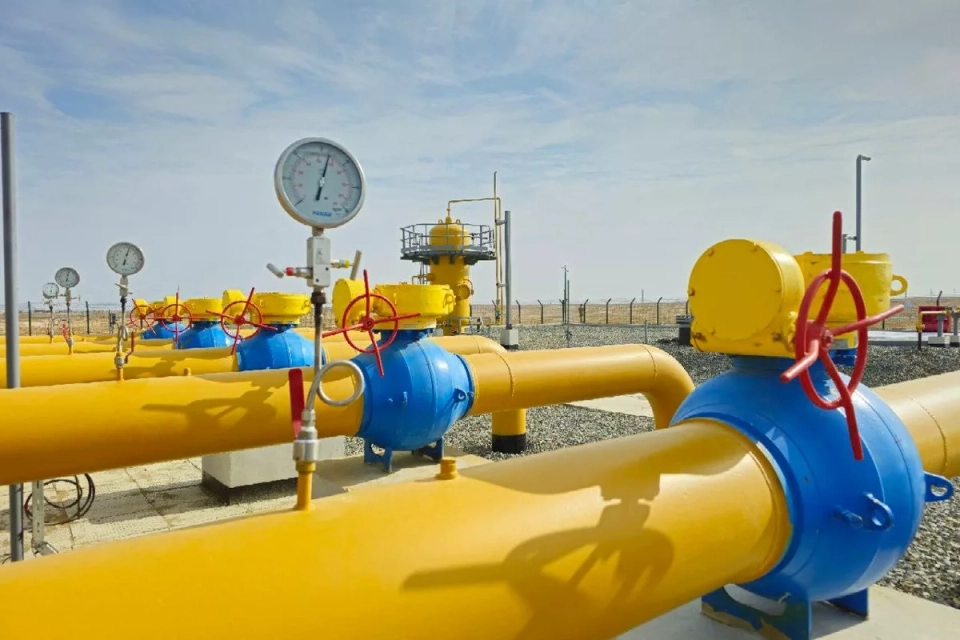
Despite the launch of small hydropower plants, in 2025 Kyrgyzstan again faced a shortage of electricity during peak loads. Electricity imports and power outages for industrial enterprises remain relevant, which hinders the potential of the manufacturing sector.
It is expected that in 2025, electricity consumption will reach 18.4–18.5 billion kilowatt-hours, with about 4 billion kilowatt-hours planned to be imported from neighboring countries.
Until the end of 2026, a state of emergency remains in the energy sector in the Kyrgyz Republic. President Sadyr Japarov stated that the republic intends to eliminate the electricity deficit and move towards export in the next two to three years.