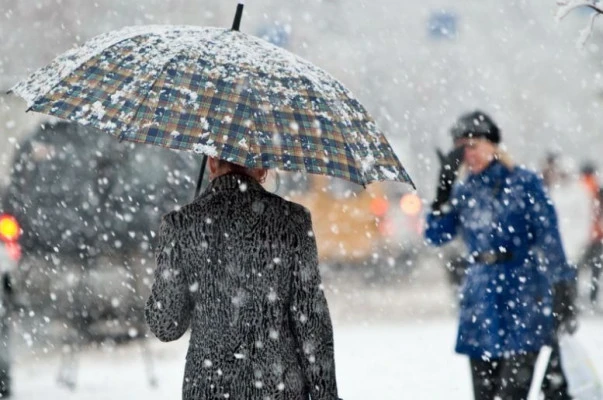
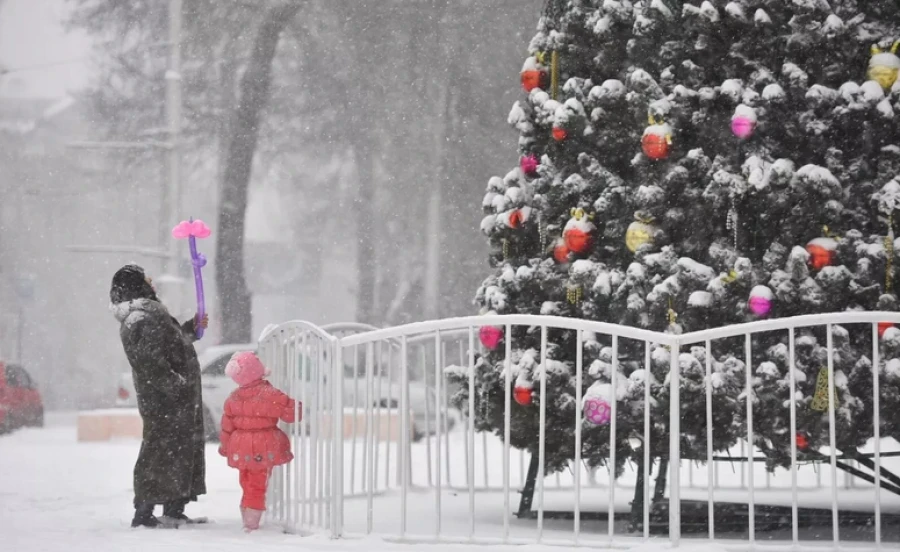
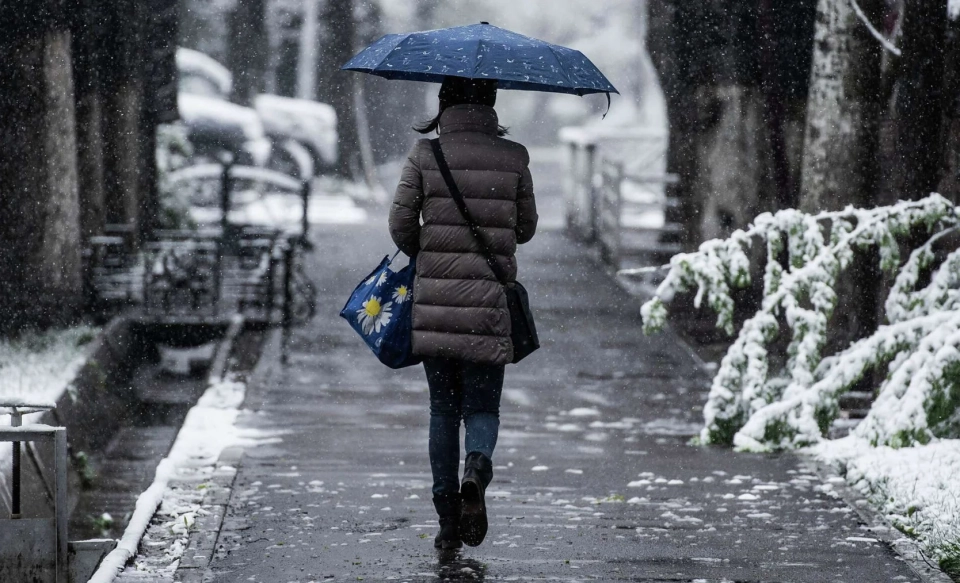
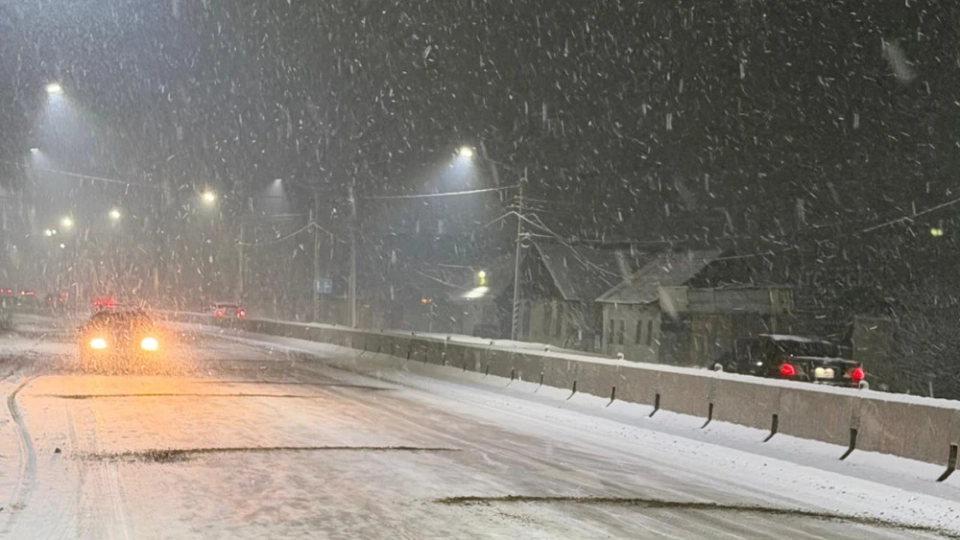
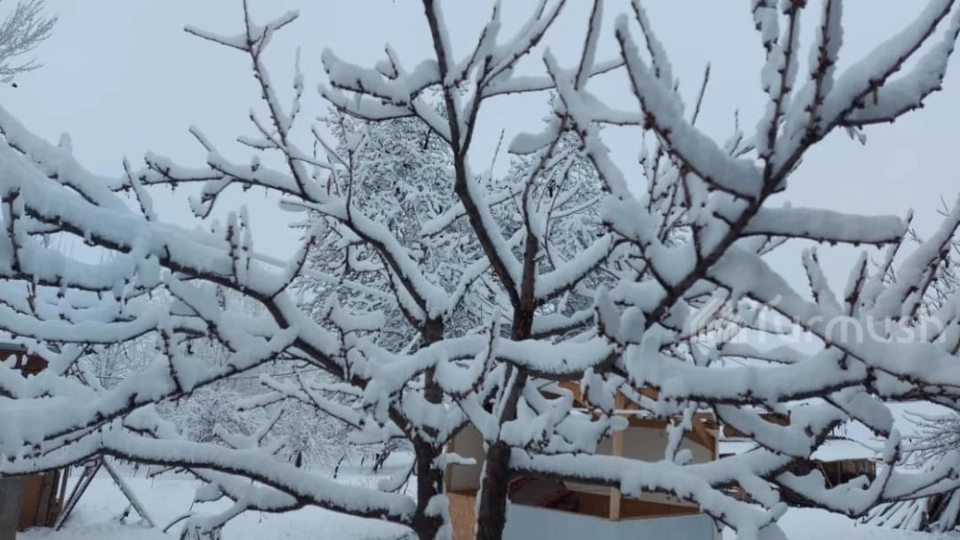
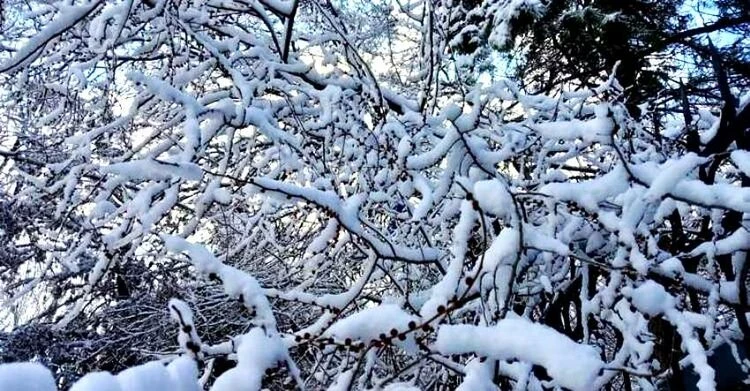
The forecast indicates a deterioration in weather conditions: snowfalls are possible, with heavy precipitation in some areas. There is also a risk of wet snow sticking to trees and wires, and fog may be observed in some regions. On the roads, there will be snow drifts and ice, and in mountainous areas, snowdrifts may occur. The strength of the western wind may reach 15–20 m/s in some places.
The Republican Center for Health Promotion has prepared several recommendations to help avoid hypothermia and frostbite:
- Try to minimize the time spent outdoors.
- At the first signs of freezing, immediately seek shelter in a warm place, whether it be a store, café, or pharmacy.
- Do not go out into the cold when hungry or tired.
- Before going outside, eat hot food and drink hot tea, preferably with lemon or honey, at least half an hour before heading out.
- Avoid smoking in the cold, as it causes blood vessel spasms and impairs circulation in the extremities.
- Do not consume alcohol, as it creates a false sense of warmth while actually causing blood vessels to dilate and leading to heat loss from the body.
Proper clothing is another important aspect to remember before going outside:
- Choose seasonal footwear that does not constrict the feet, with warm insoles and high soles.
- For hands, mittens made of windproof fabric with insulation inside are preferable to gloves.
- Protect your cheeks and chin with a scarf.
- A head covering is mandatory for both adults and children.
- In cold and windy weather, before going outside, exposed areas of skin should be coated with protective cream, but not moisturizing cream.
- Dress in several layers, but do not restrict movement with clothing — this will help circulation. Outerwear should be water-repellent.