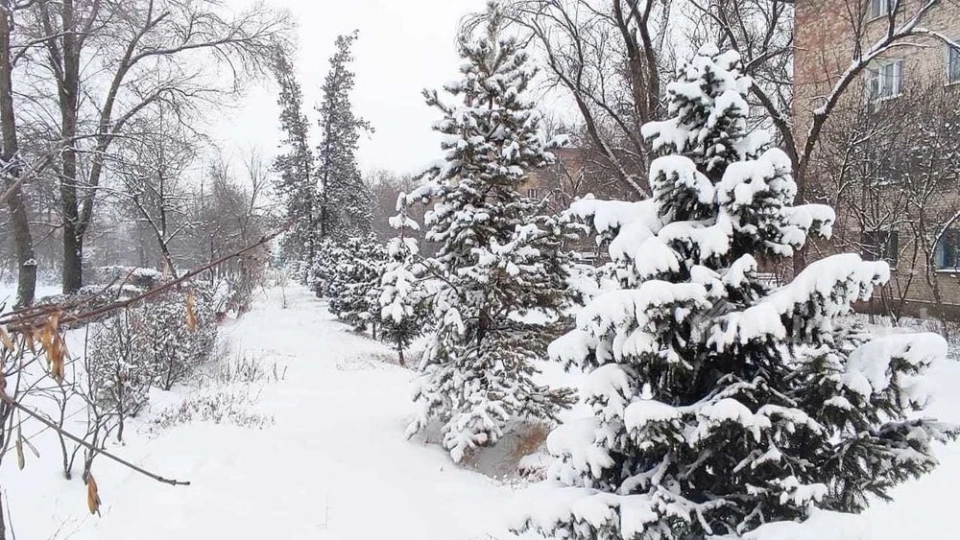
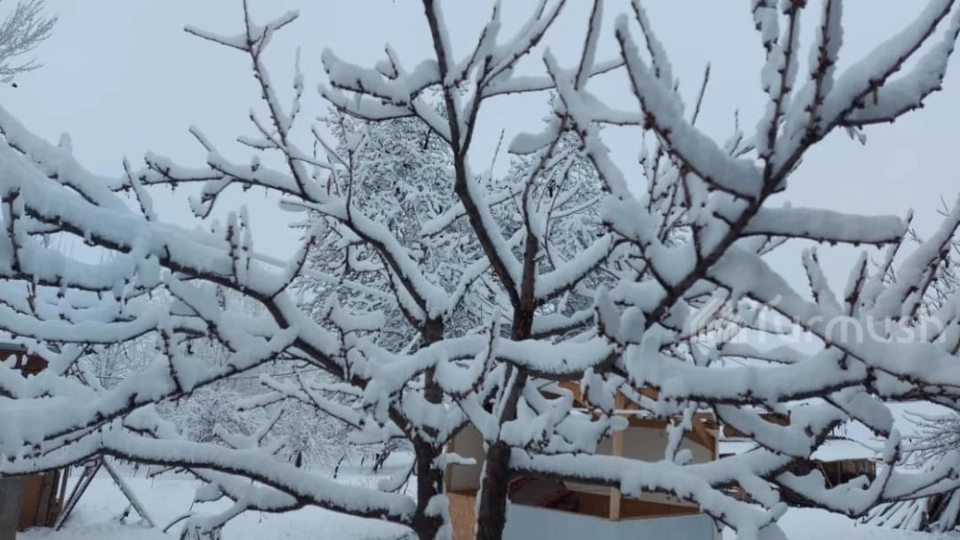
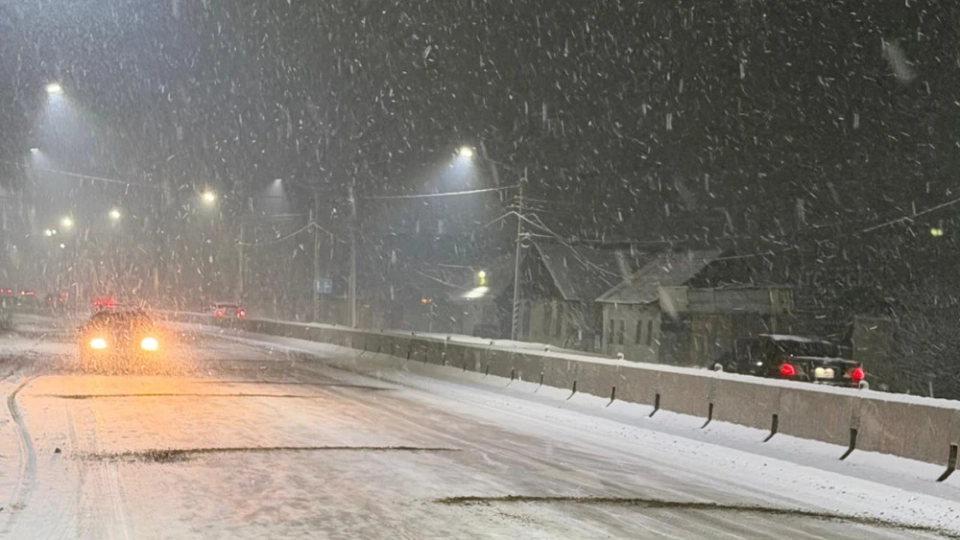
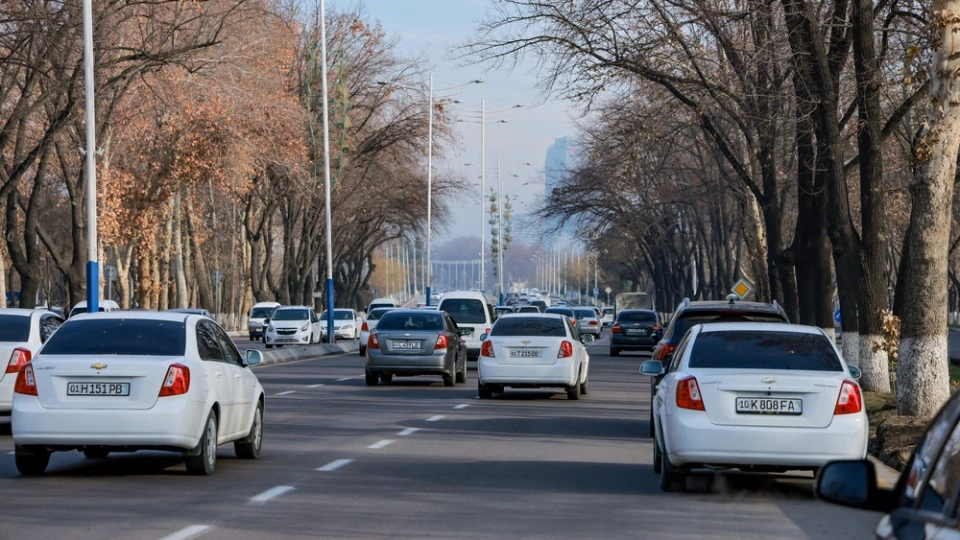
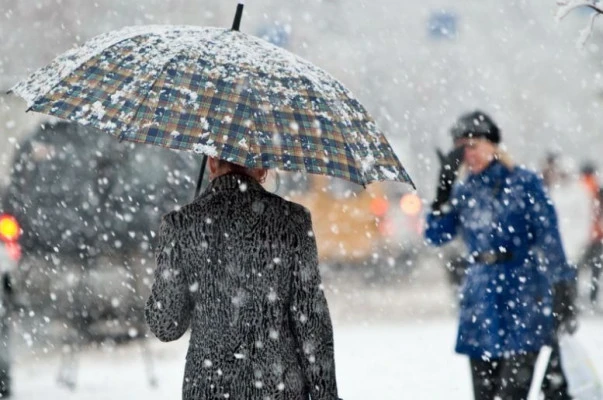
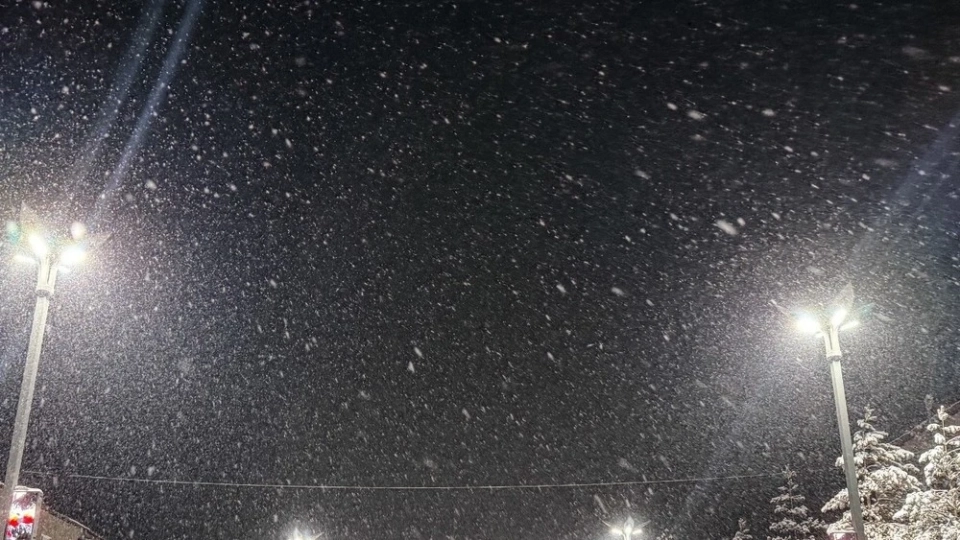
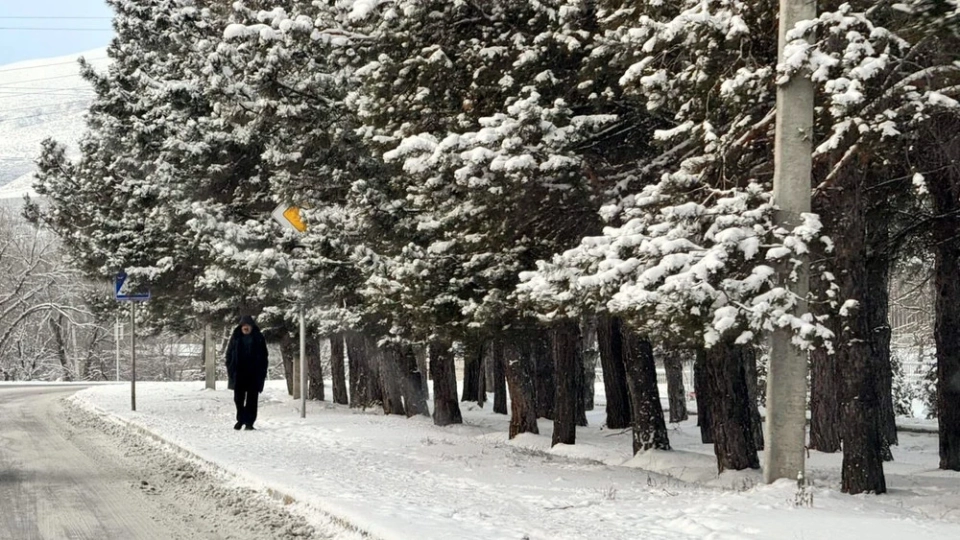
This atmospheric phenomenon will be accompanied by the influx of Arctic air masses, leading to a significant decrease in air temperature.
After a relatively warm start to the winter season, this phenomenon will mark the steady onset of cold weather typical of Arctic-origin air masses. A significant drop in temperature is expected in Kyrgyzstan and neighboring countries, especially in mountainous areas and during nighttime, although the strongest frosts are predicted in the north.
In the northern and eastern regions of Kazakhstan, nighttime frosts of up to -30…-38 °C are possible, as well as increased wind with gusts of up to 25–28 m/s.
Key points about this anticyclone:
Type of anticyclone
We are talking about a Siberian-Arctic anticyclone that forms over the Arctic regions and northern Russia. Its feature lies in the cold, dry, and dense air that remains over the south for an extended period, creating frosty conditions.
Duration of the cold period
Typically, such anticyclones bring not temporary but stable cooling, which can last from 5 to 10 days, especially under clear weather and light winds at night.
Severe nighttime frosts
Despite the presence of daytime sunlight, temperatures may feel "comfortable"; however, nighttime and morning hours will be the coldest due to the effect of radiative cooling under clear skies.
Dangerous risks:
- possibility of hypothermia and frostbite;
- increased load on energy systems;
- risk of freezing of water pipes and heating networks;
- worsening conditions on mountain roads and passes.
Features for Central Asia
In this region, the cold may be felt more intensely due to dry air, even if the temperature is formally higher than in northern countries. In mountainous areas, temperature inversions may occur, where it can be colder in the lowlands than at higher elevations.
Why the mention of the New Siberian Islands
This region often becomes a "source" of powerful winter anticyclones because stable high-pressure areas form there, capable of "pushing" cold air far south, all the way to Central Asia.