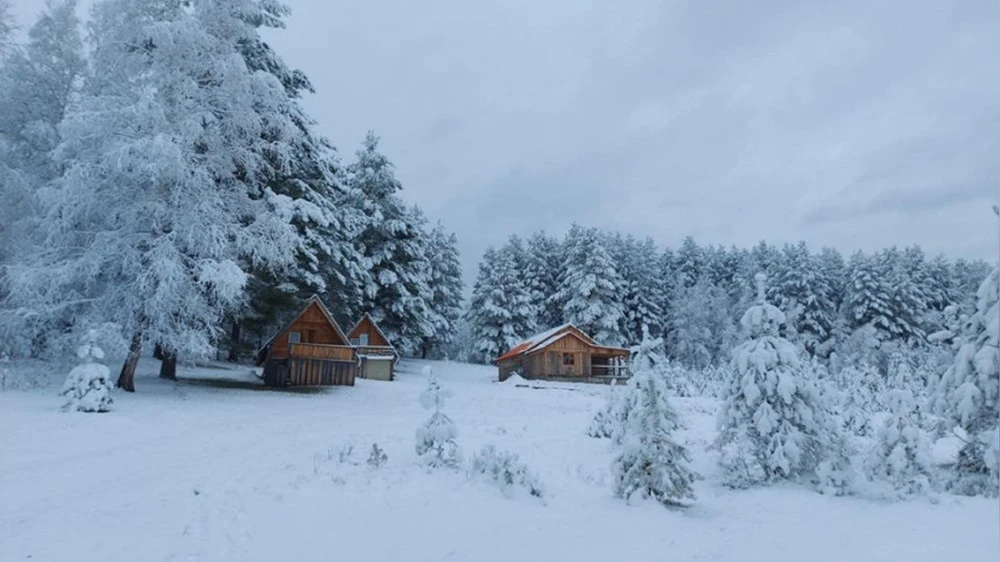
In Kazakhstan, it is expected that the air temperature in February will be 1-2 °C above normal over most of the territory, while in the southeast of the country, the figures will be within the norm. Precipitation is expected to be close to the climatic norm in most of the republic; however, in the northwestern part, as well as in the mountainous and foothill areas of the south, southeast, and east, there will be an excess.
At the beginning of the month, in the west and north of the country, including the Aktobe region, temperatures may drop at night to -23 to -28 °C, and during the day to -15 to -23 °C. By the end of the first decade, the frosts will weaken, and the temperature at night will be -10 to -20 °C, while during the day it will rise to 0 to 8 °C.
In the north, east, and central parts of the country, at the beginning of February, there may be short-term increases in temperature, reaching -2 to -10 °C at night and -4 to +1 °C during the day. However, by the end of the first decade, a cooling is expected again: at night down to -18 to -28 °C, and during the day down to -13 to -20 °C.
In the southwestern, southern, and southeastern parts, temperatures will vary at night from -5 to +5 °C to -3 to -11 °C (in the northern part of the Kyzylorda region -18 °C), while during the day temperatures may rise to +8 to +17 °C, after which a decrease to 0 to +8 °C is expected.
Overall, in February, the coldest days in the western, northern, eastern, and central parts of the country will be observed in the first and second decades, when temperatures at night may reach -21 to -30 °C, and in the mountainous areas of the east — up to -35 °C. In the middle of the first decade (starting in the west) and on certain days of the second and third decades, thaws are expected.
In the south of the country, during February, the temperature will fluctuate with night readings from -5 to +5 °C to -3 to -15 °C, while daytime temperatures will vary from 0 to +10 °C to +8 to +17 °C.
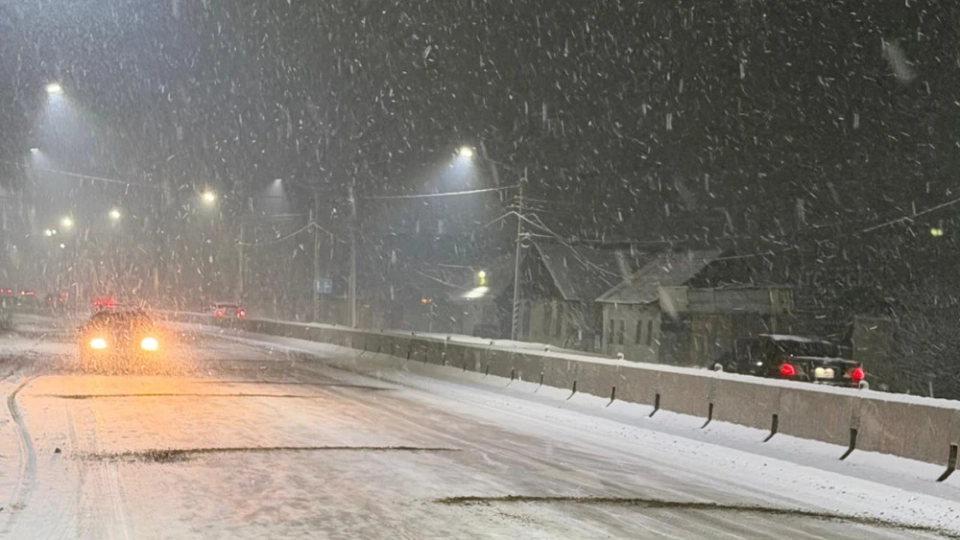
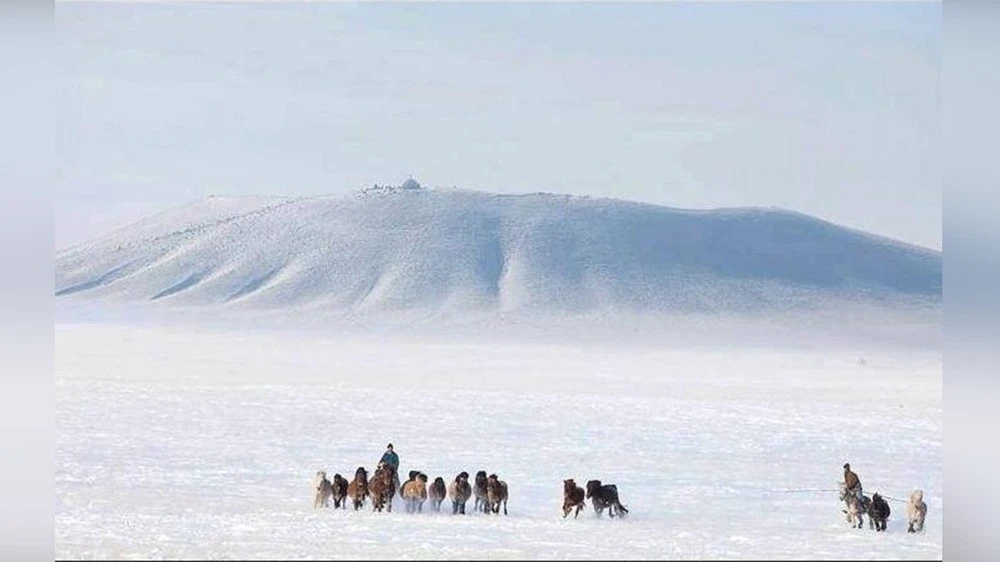
In northern Kazakhstan, precipitation will mainly be in the form of snow, while in the southwest and southern regions, meteorologists forecast rain and wet snow. Fog, ice, and increased wind are also expected, with blizzards in the northern regions.