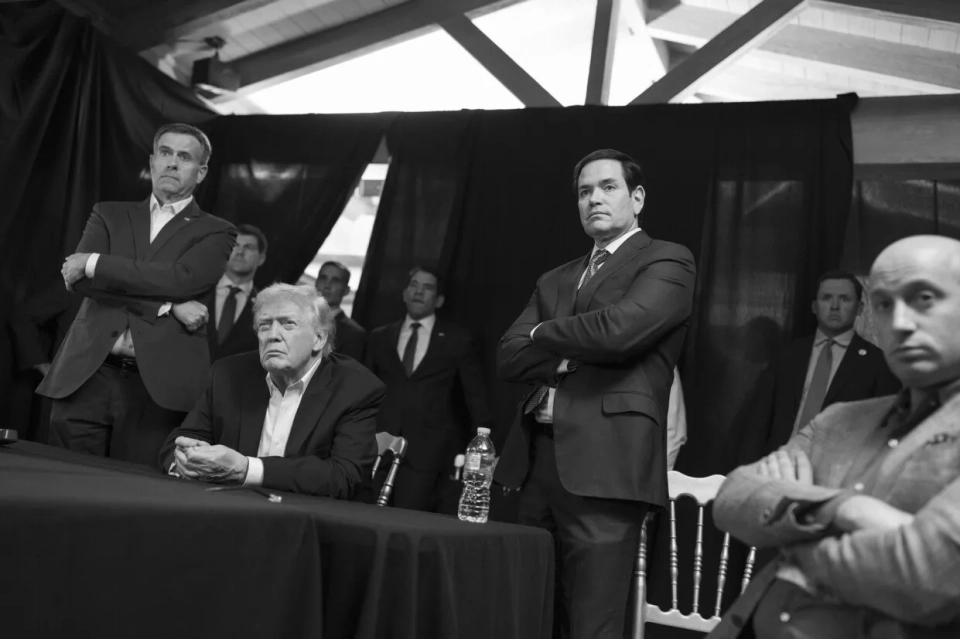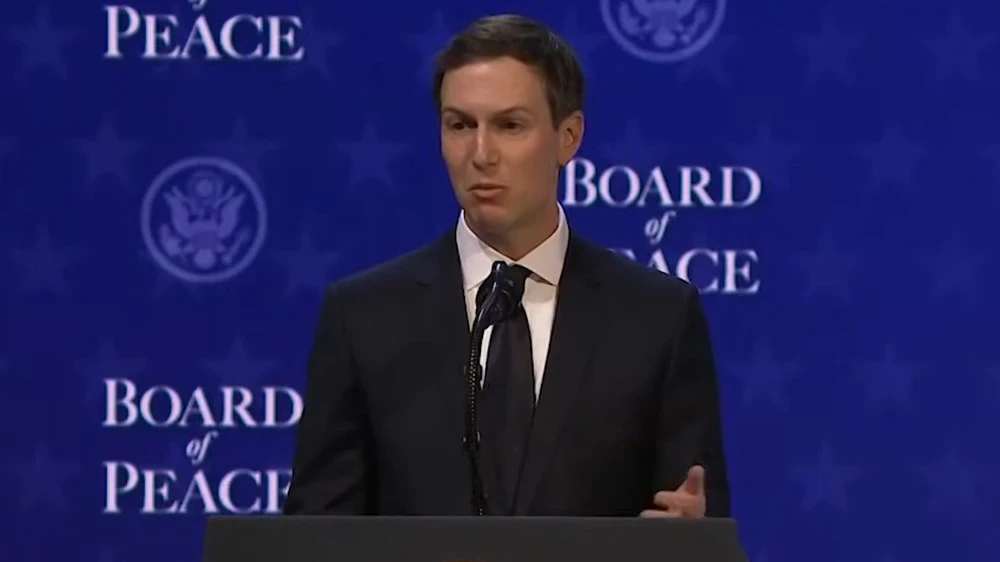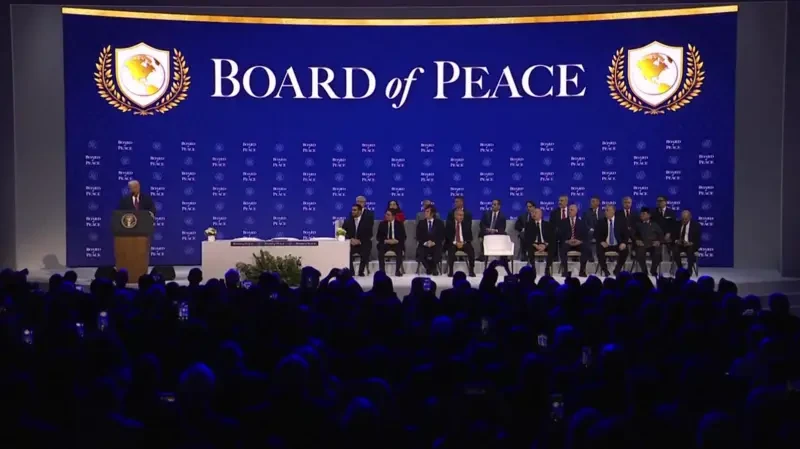
The criticism of the World Council cannot hide the ambitious design of this initiative. Despite the uncertainty surrounding Trump's success, his project has undoubtedly become the most extensive attempt to change the world order established after World War II. Trump proposed a format that could potentially rival the UN, unlike previous years when he merely criticized the organization.
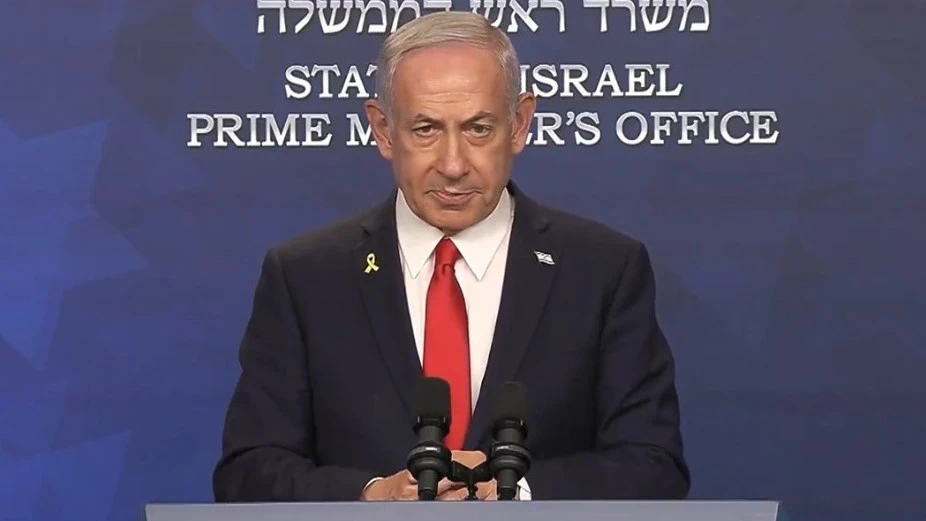
The Council was initially conceived as a temporary mechanism to promote peace and rebuild the Gaza sector after the devastating attacks by Israel in response to the Hamas attack in October 2023. In November of last year, UN Security Council Resolution 2803 granted Trump the authority to lead this structure. However, he quickly expanded its mandate to include global security issues, ignoring accusations of attempting to undermine the Security Council's role.
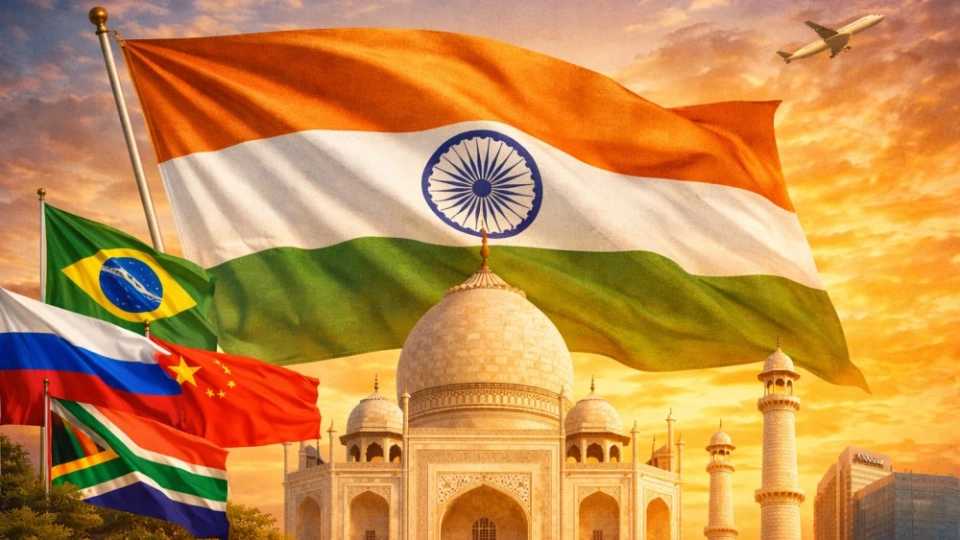
Given the ambitions of the World Council, one might expect BRICS, which positions itself as a defender of the Global South, to express sharp criticism of Trump. However, instead, many BRICS members and candidates, such as Indonesia, Saudi Arabia, and the UAE, effectively supported the initiative, either by joining it or by ignoring it.
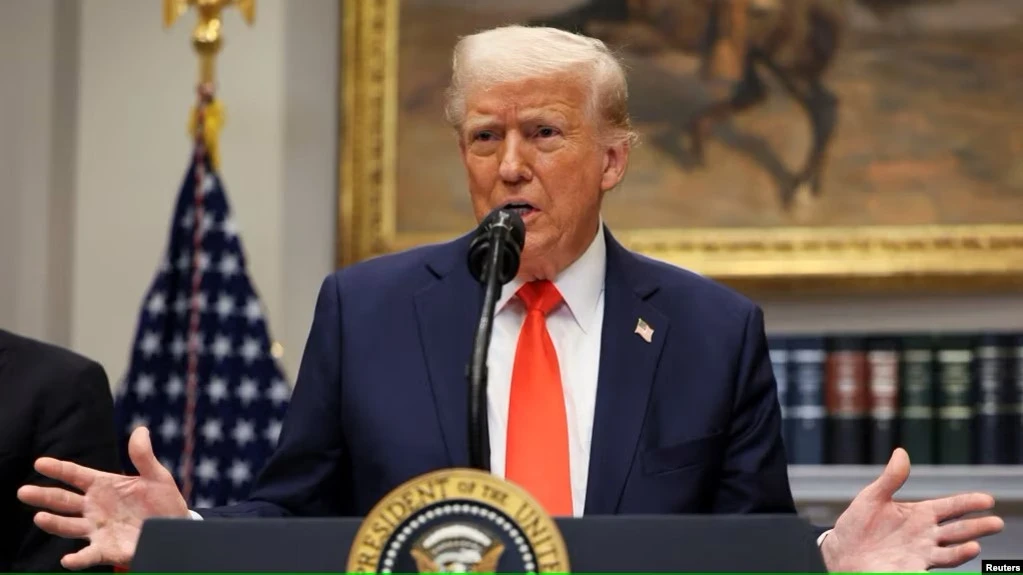
The World Council is led by the most influential figure—Donald Trump—who controls its composition and holds veto power over decisions. His term is not limited, making his position effectively lifetime. The membership system also implies differences: ordinary members can remain in the Council for three years, while a permanent seat costs $1 billion.
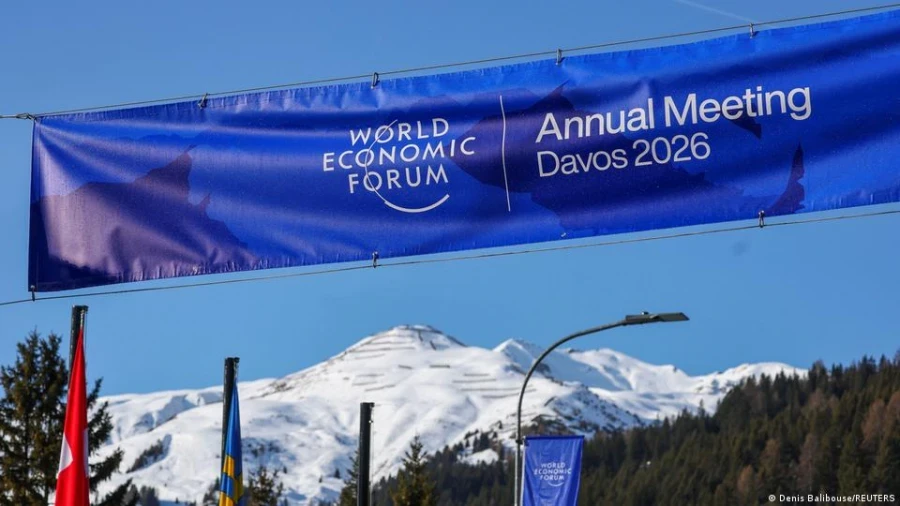
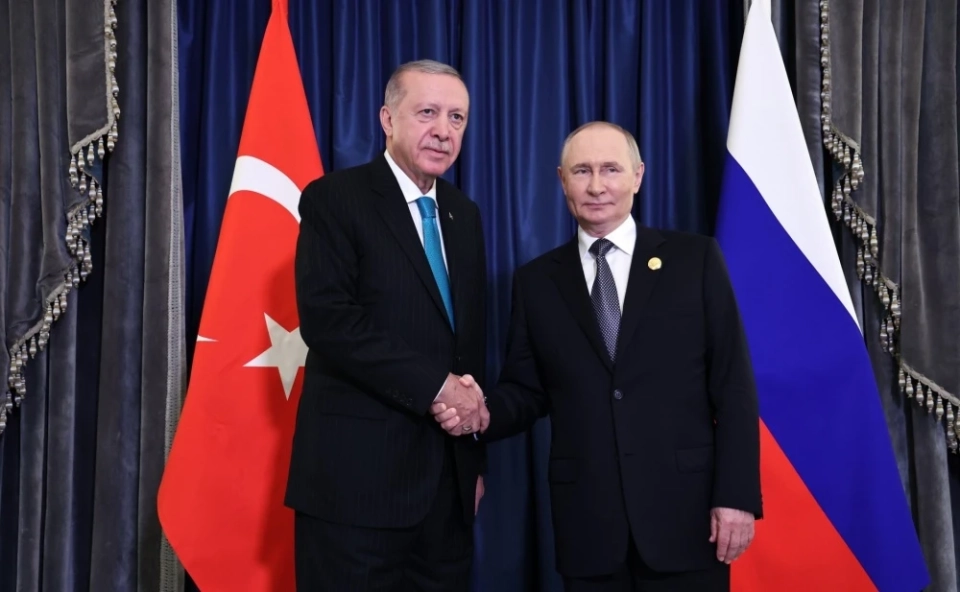
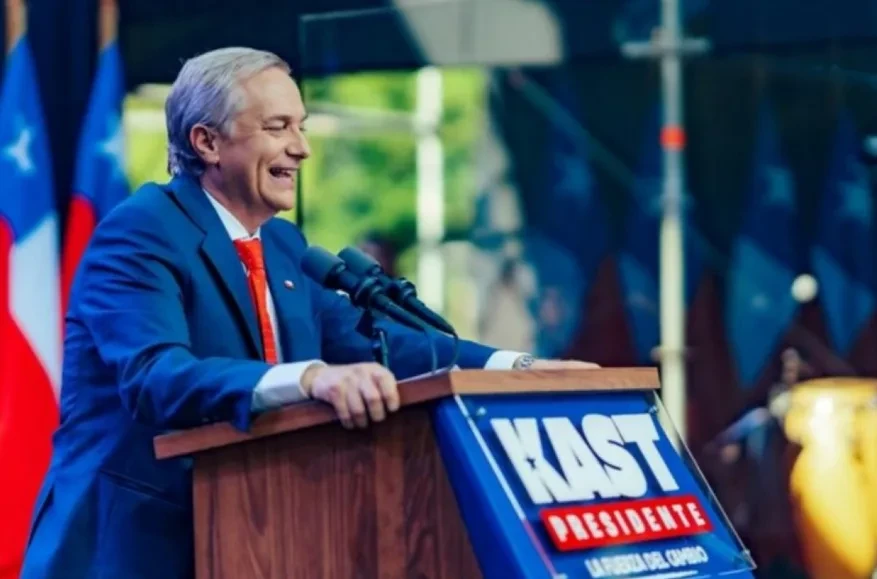
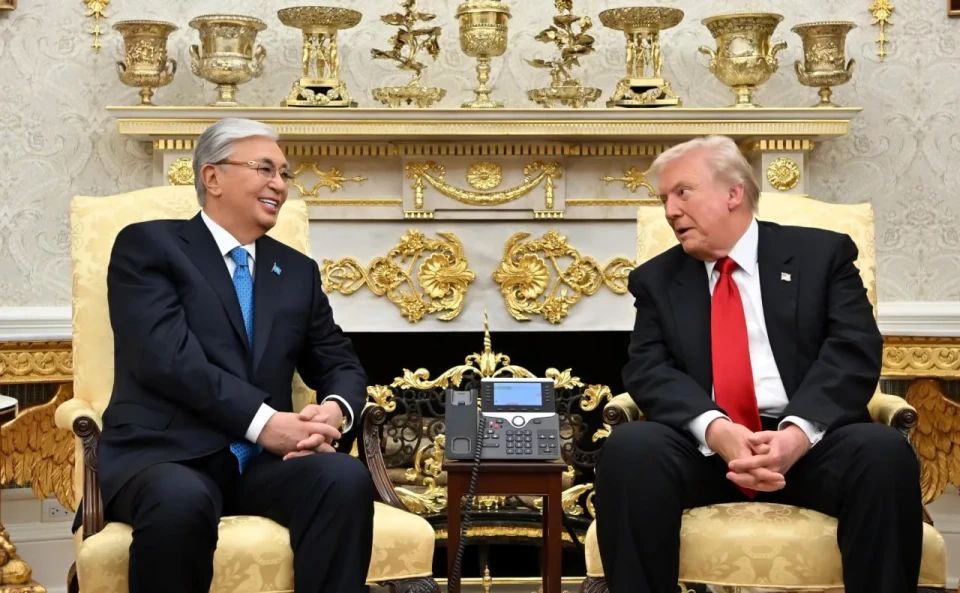
At the opening in Davos, Trump invited about 60 countries, of which approximately 25, including Indonesia, Saudi Arabia, Egypt, and Turkey, agreed to participate. The project also includes "dissidents" from Europe, such as Hungary and Belarus. Notably, Egypt, Indonesia, and the UAE became new members of BRICS+, while Argentina, which declined to participate in BRICS, accepted Trump's invitation.
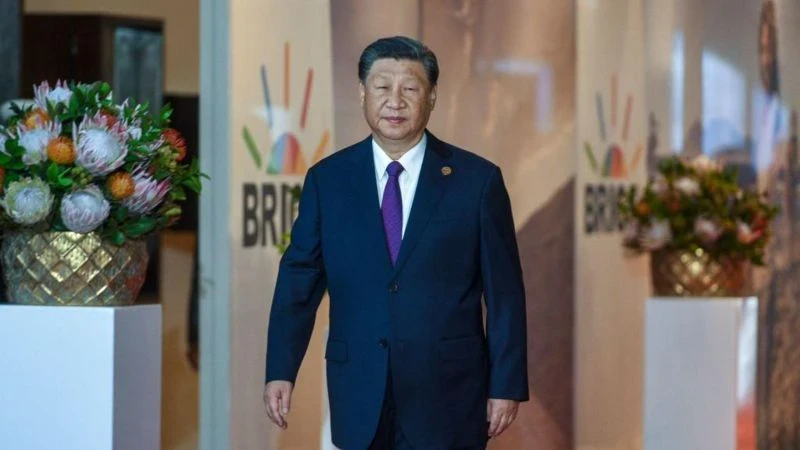
However, South Africa, one of the founding countries of BRICS, did not receive an invitation. Brazilian President Luiz Inácio Lula da Silva rejected Trump's proposal, calling it an attempt to create a new UN where he would be the sole master. Lula appealed to Chinese President Xi Jinping and Indian Prime Minister Narendra Modi for closer cooperation within BRICS and warned of the risks to multipolarity.
China, for its part, limited itself to formal criticism, avoiding conflict. A representative of the Chinese Foreign Ministry stated support for an international system with the UN at its center. This soft approach reflects Beijing's reluctance to provoke Trump amid trade negotiations.
India also has not made a decision to support the Council, having its own issues with Trump and not wishing to speak out against him openly. Prime Minister Narendra Modi, considering the expanded mandate of the Council, feared that Trump might intervene in conflicts, including the Indo-Pakistani one.
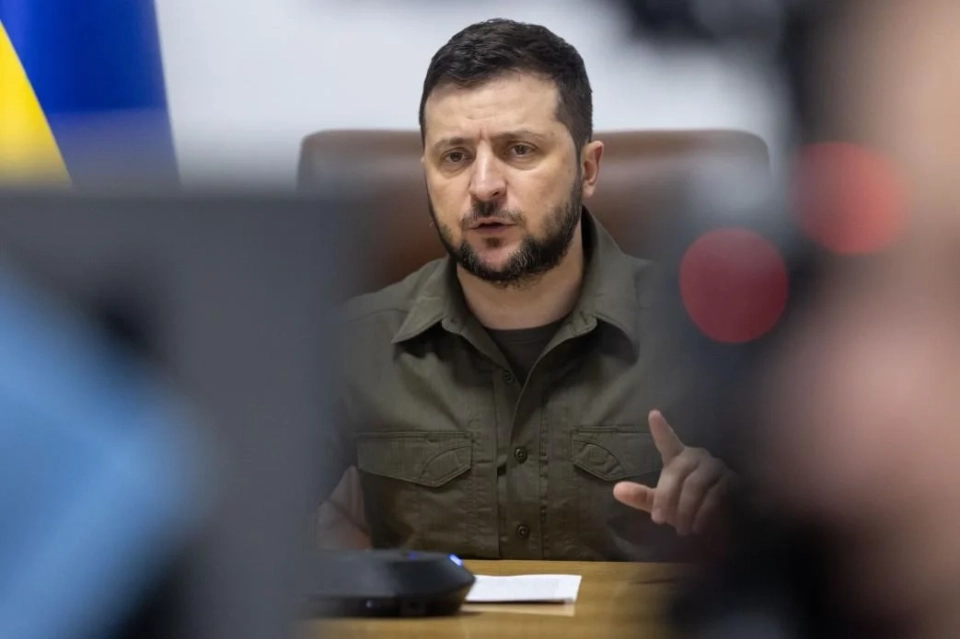
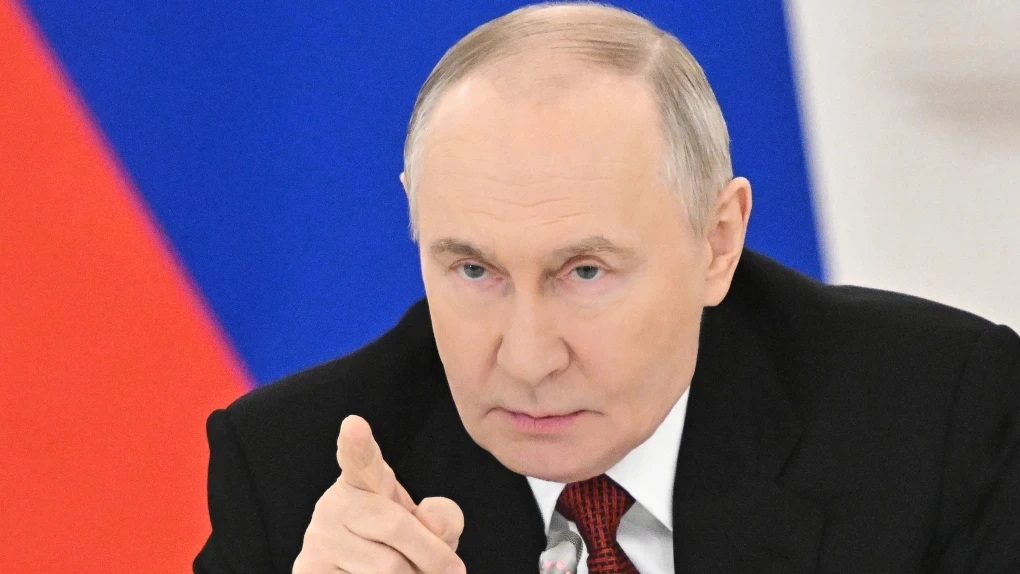
Russia's reaction has been ambiguous. President Putin expressed an intention to "study" Trump's proposal, mentioning the possibility of investing frozen assets in the new Council. This statement was perceived as performative rather than a genuine expression of interest. Putin did not want to openly challenge Trump's initiative, which could threaten Russia's role in the world order.
Belarus, a close ally of Russia, unexpectedly joined the Council, and it is unclear whether this step was coordinated by Lukashenko with the Kremlin. Vietnam, which also joined, demonstrates a different tactic: having good trade relations with the US, it seeks to avoid negative attention under Trump's tariff policy.
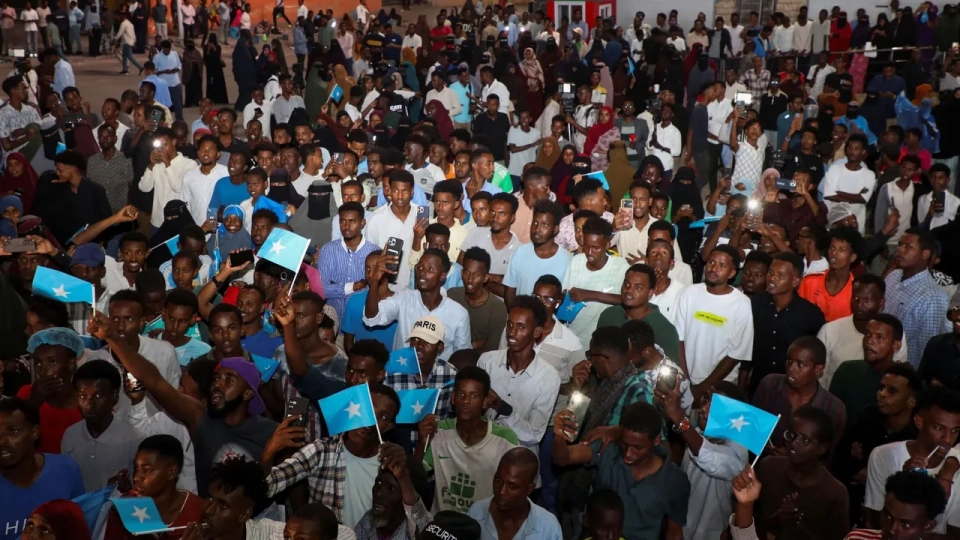
Among US allies in Asia, such as Japan and South Korea, there is a cautious attitude. Nevertheless, Indonesia, which has long played a leading role in the Non-Aligned Movement, actively supported the Council, justifying it as a necessity to promote peace in Gaza and engage with Israel. This marks a significant shift in Jakarta's policy from ideological positions to a more pragmatic approach.
This approach by Indonesia reflects a broader trend in the Islamic world. In September 2025, several countries, including Saudi Arabia and Turkey, confirmed their support for Trump, emphasizing his importance for achieving peace in the region. This recognition showed that traditional UN efforts and declarations from the Islamic world have not yielded real results.
By endorsing Trump's initiatives, this statement laid the groundwork for the Security Council's approval in November, where Resolution 2803 granted him authority to coordinate humanitarian aid and ceasefire efforts. Although the document was temporary, it effectively transferred key UN functions to one person.
The resolution was adopted unanimously, but its significance was lost amid diplomatic formalities. Russia and China abstained, while several European countries supported it. However, none of them signed the Council's charter in Davos, indicating an underestimation of the scale of Washington's design.
Non-permanent members of the Security Council, such as Algeria and Pakistan, also supported the resolution, citing humanitarian reasons. This moment could become a historical precedent, where the Council effectively transferred its powers to one person.
Is this the end of the Security Council? Trump's mandate expires at the end of 2027, and Russia and China may block its extension. However, by that time, the World Council may acquire a stable structure and independence. This process has already begun to reveal the fragility of several established notions about world politics.
First, the Global South, which was supposed to be a unified opponent of Israeli policy, ultimately supported the resolution, reducing pressure on Israel and leaving Palestinians with minimal opportunities for governing Gaza. Leaders of the Global South preferred to act within a structure led by the US.
Second, BRICS, which was supposed to be a counterweight to the US, failed to keep its members from supporting Trump's new structure, undermining the very principles of the bloc. The expansion of BRICS has only intensified its internal contradictions, demonstrating that countries continue to value bilateral relations with Washington.
Finally, Trump's World Council underscores that the world order is shaped not by declarations of solidarity but by calculations of national interests. Despite criticism of Trump's methods, he has shown the ability to transcend outdated paradigms.
The future of the World Council depends on Trump's political fate and his influence on US foreign policy. However, it is already clear that the myth of the unity of the Global South against US hegemony has crumbled in Davos, and the walls of BRICS have begun to crack.