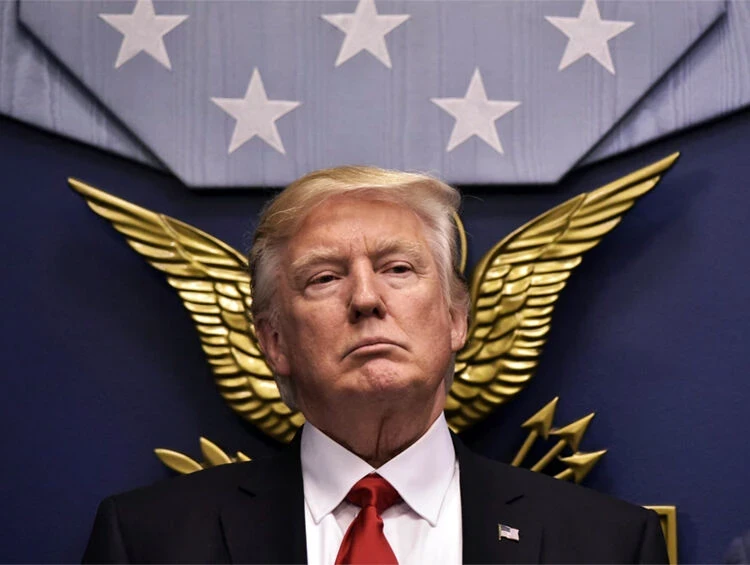
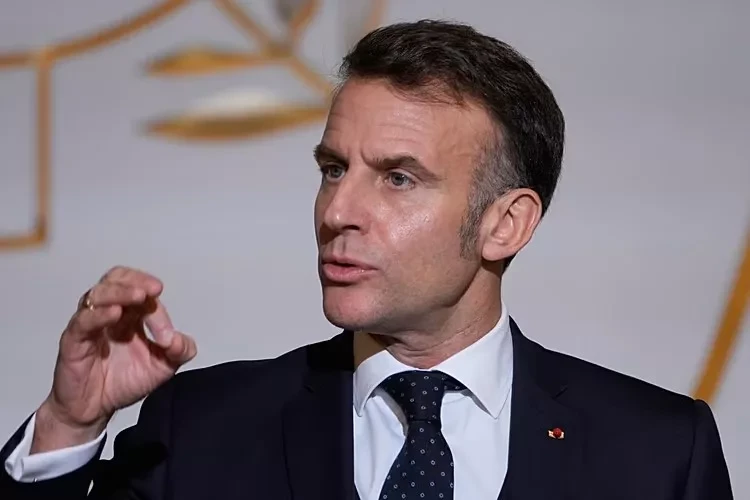
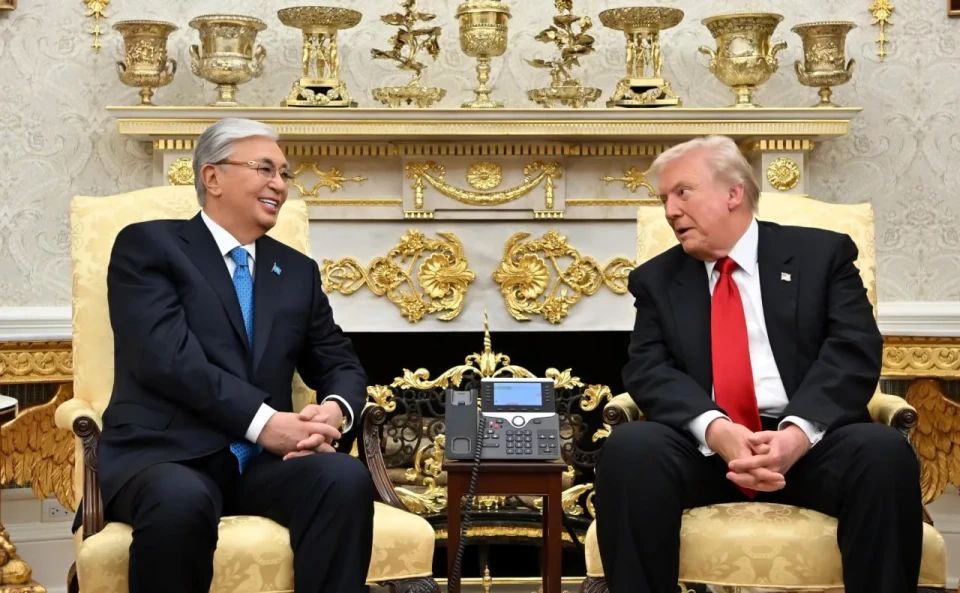
Analysts from 24.kg conducted research and prepared an overview of the "Trump Council of Peace" and its significance for Central Asian countries.
A New Club or an Alternative to the UN?
Many experts argue that the "Trump Council of Peace" should not be considered a full-fledged alternative to the UN, as it does not imply universal membership and does not rely on international law. Moreover, this Council does not currently seek formal legitimacy similar to that of the UN Security Council.
However, it should be noted that this "council" does not claim formal legitimacy at this stage. The future is difficult to predict, especially given the deep crisis experienced by the UN. In fact, the Security Council has become paralyzed, its resolutions are often ignored, and many conflicts are resolved outside its framework.
Nevertheless, this is not about a complete replacement of the UN, but about creating a parallel structure based on the following principles:
- Deals instead of norms: decisions are made based on bilateral and multilateral agreements rather than universal rules.
- Loyalty is more important than values: participation in the Council depends not on adherence to democratic norms, but on predictability and willingness to follow established rules.
- Hierarchy instead of equality: key roles are played by so-called anchor states, rather than the principle of "one country — one vote".
Thus, the "Trump Council of Peace" represents not a "world government," but a tool for managing conflicts and interests, rejecting traditional multilateral institutions that the Trump team considers ineffective.
Can the "Trump Council of Peace" be characterized as an elite club?
Some experts believe that it can indeed be characterized this way, but with an important caveat. This is a club not based on common values, but on utility for the Trump administration. It may include key regional players who control logistics, resources, and security, capable of maintaining stability both within their countries and in neighboring regions.
Under Trump, the U.S. seeks to reduce costs associated with global leadership, not abandoning it, but transferring responsibility for regions to local "sheriffs."
Thus, the "Trump Council of Peace" represents an attempt to assemble a group of managed partners rather than traditional allies.
Trumpism as a political philosophy rejects universalism, viewing the world as a marketplace where the strong can negotiate directly, while the weak adapt.
What This Means for Central Asia
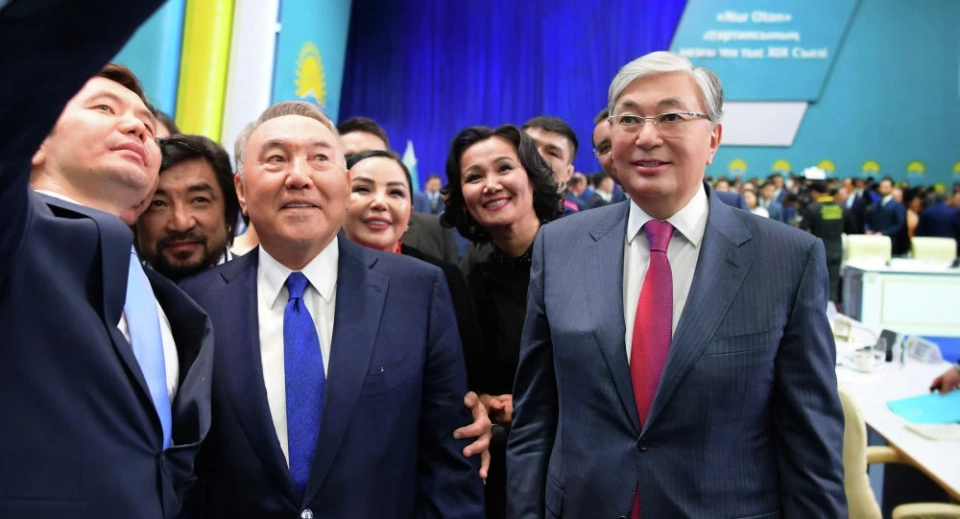
For Central Asian countries, the "Trump Council of Peace" represents a potentially interesting but at the same time risky format. The region, possessing a strategic position and lacking an ideological agenda, is ready for negotiations and has a high dependence on external security and investments.
At the same time, many experts note that participation in such a format may mean a departure from multi-vectorism as an ideology and a transition to multi-vectorism as a tool for trade.
Moreover, not all countries in the region have received invitations to the "council."
This selective approach is explained by the fact that Trump and his team prefer to work not with states but with specific leaders. An invitation becomes a signal of trust and pragmatic interest, rather than recognition of the region as a whole. Different Central Asian countries have varying levels of foreign policy capitalization and interest for the U.S. in the context of energy and security.
Unfortunately, some analysts note that the lack of invitations for all countries in the region may weaken the already fragile but recently activated integration.
The selective invitation to the "Trump Council of Peace" creates several effects:
First, individual strategies will be strengthened. Leaders who receive invitations will gain additional resources, prompting them to build bilateral relationships instead of coordinating within the region.
Second, there will be a sense of unequal access to global formats and doubts about the value of regional associations.
Third, motivation to achieve common positions will decrease, as negotiating directly with global players will be more attractive.
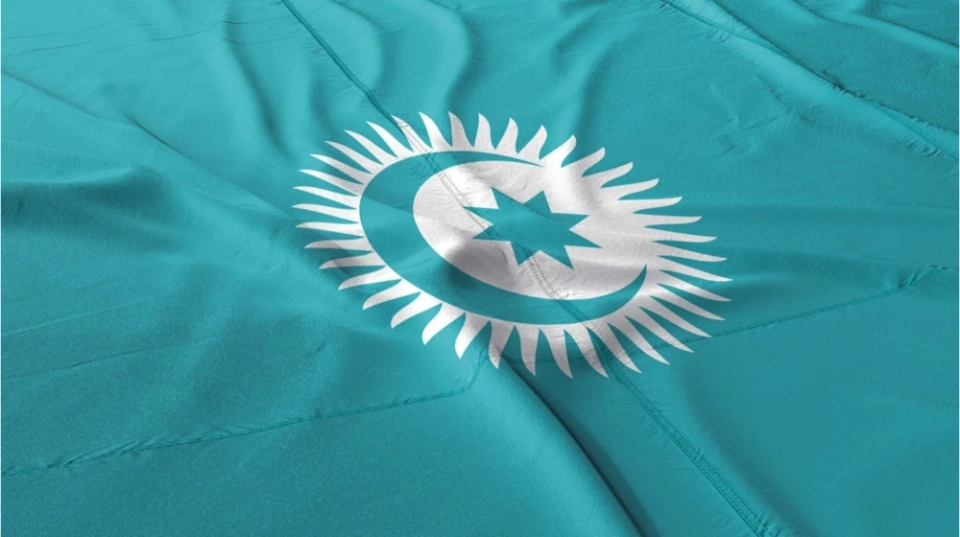
Thus, the "Trump Council of Peace" will pose a challenge for the Organization of Turkic States. Although they do not compete institutionally, this council reinforces the trend towards personalized diplomacy and diminishes the significance of multilateral mechanisms.
The selective invitation of Central Asian countries to the "Trump Council of Peace" is not a geopolitical catastrophe, but it is also not a neutral situation.
The region finds itself once again in a position where an external player works not with it, but with individual leaders.
Many analysts doubt whether the Central Asian states themselves are ready to defend the value of regional integration when global politics offers faster and more profitable alternatives.
Overall, experts agree that the "Trump Council of Peace" for Central Asia is not only an opportunity but not a death sentence, rather it is another level of the great game, where the most adaptive will win, as this council reflects a new world where rules are secondary, institutions are weak, and the ability to negotiate with the strong becomes decisive.