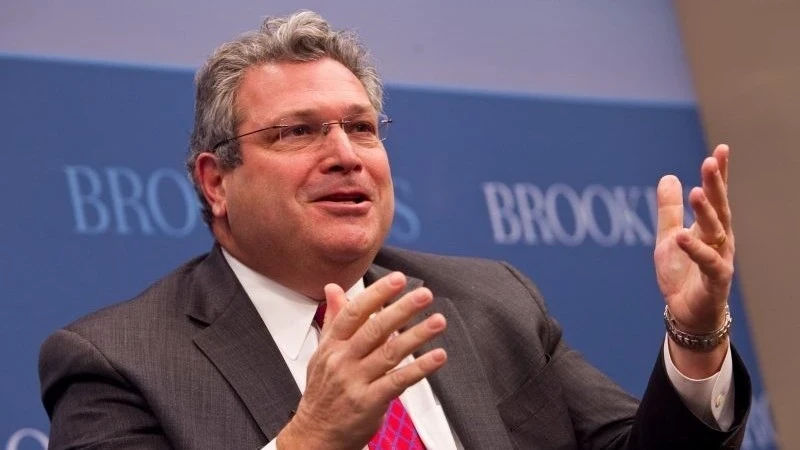
The article will appear in the March 2026 issue of The Atlantic under the title "Every Man for Himself." Kagan is a columnist for The Atlantic, a senior fellow at the Brookings Institution, and the author of the book "The Twilight of Democracy: The Seductive Lure of Authoritarianism."
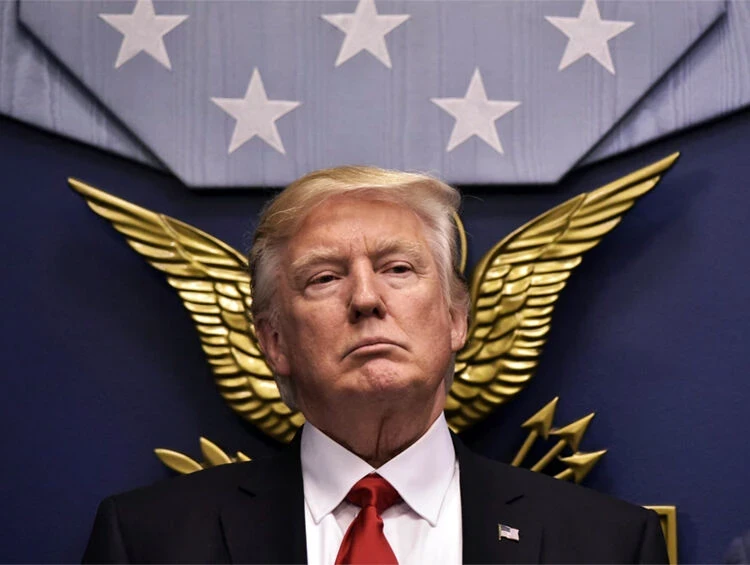
- Kagan argues that Trump's national security strategy officially marked the end of the American liberal world order, which was based on U.S. dominance. This happened not due to material constraints but as a result of the United States' own decision to abandon its role as the guarantor of global security. American power, which has upheld the world order for eighty years, will now be used to dismantle it.
Here is the translation of the article:
According to Kagan, Americans are entering the most dangerous era since the end of World War II. This new world will resemble the situation before 1945, when several great powers competed and conflicted with one another. The U.S. will no longer have reliable allies, and the country will have to rely solely on its strength for survival, which will require increased military funding. Access to resources and markets, which was ensured by alliances, will now become a matter of struggle.
Americans are neither morally nor materially prepared for such a future. For eight decades, they have lived in a liberal international order in which the United States played a dominant role. They have grown accustomed to their allies in Europe and Asia being largely compliant and passive. Challengers to this order, such as Russia and China, were held in check by the power of the U.S. and its allies. However, many Americans cannot imagine the collapse of this order and its consequences.
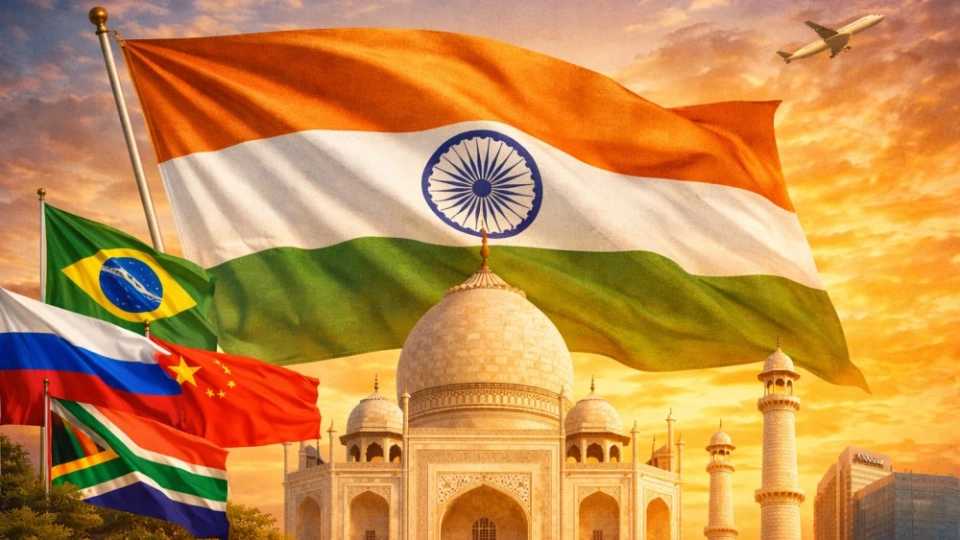
Some experts who welcome a multipolar world believe that the U.S. can retain most of the advantages gained from the previous order. They argue that America must accept the reality that other countries are striving to establish their own international orders. However, from a historical perspective, as Kagan notes, multipolar systems, even the most managed, have been more prone to wars and conflicts than the peace known to Americans over the last eighty years. An example is the "long peace" in Europe from 1815 to 1914, when great powers waged numerous wars against each other.
The Formation of the American Order
After 1945, Americans created a liberal world order to break free from the cycle of conflicts. They transformed the U.S. into a global power responsible for maintaining the security not only of its own country but of the entire world. This meant containing regional hegemons, especially in Europe and East Asia, driven by the awareness of the interdependence of the modern world.
For decades after World War II, most countries involved in the world wars abandoned their territorial ambitions and entrusted the security of their peoples to the United States. This was unique behavior for great powers, which typically seek to balance against a prevailing force. However, many instead saw the U.S. as a trustworthy partner.
The End of the Great Deal
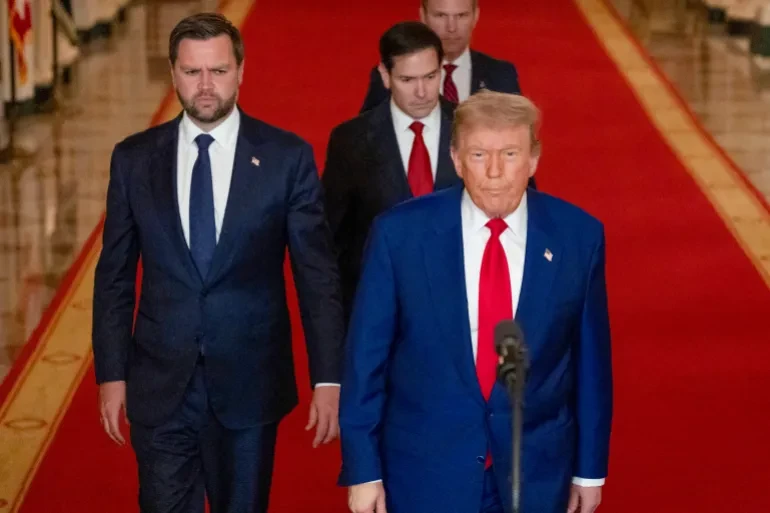
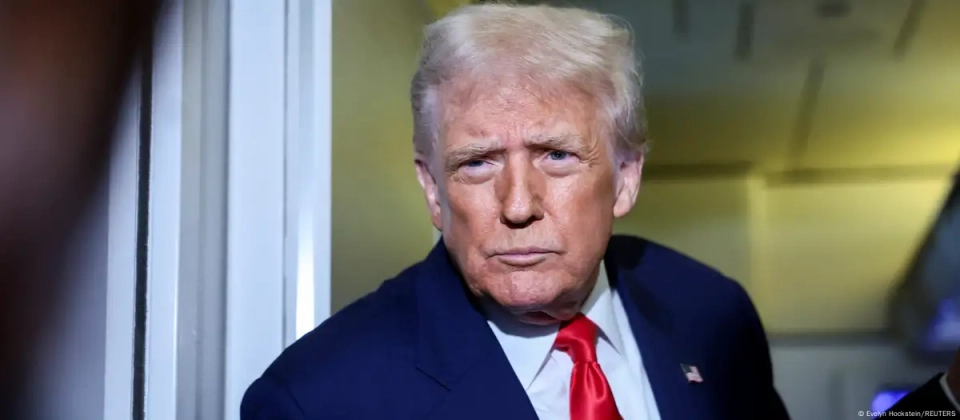
Now this order is shattered. Trump marked the end of the great deal by stating that allies must take on their own defense and even pay for American assistance. His administration unleashed tariff wars with allies and threatens territorial aggression. At the same time, the new national security strategy views Russia and China not as adversaries but as partners in dividing the world.
What Should Europe Do?
Europe faces hostile powers on both flanks—Russia and the U.S.—which threaten its security. Without U.S. protection, what will European countries do? The task will be challenging; creating an effective defense will require not just increased spending but a complete rearmament. If Germany and other countries decide to bolster their military capabilities, it could lead to a new era of nationalism in Europe.
The Turn of Asia
U.S. allies in Asia will also face choices. Japan, for example, is beginning to doubt the reliability of American protection and may be forced to increase its military spending. Recent changes in Japanese politics, including the election of a right-nationalist prime minister, underscore this trend.
As a result of U.S. unreliability, old allies may begin to build up their armed forces, leading to new strategic interests and conflicts in a multipolar world. This will intensify antagonism and dissatisfaction among former allies towards the U.S.
Multipolarity: Everything is in Question
In a multipolar world, new conflicts and rivalries for spheres of influence will arise. Kagan emphasizes that without the United States ensuring security, countries will be forced to defend their interests on their own, which could again lead to wars over spheres of influence.
The situation demands a reassessment of old notions of international relations. Great powers like Russia and China are already seeking to restore their spheres of influence, which could lead to new conflicts. As the world moves towards multipolarity, the stability based on liberal principles is under threat.
Why an Agreement with Moscow and Beijing is Impossible
It is impossible to reach an agreement with Russia and China, as they are dissatisfied with the status quo and seek to restore their positions. The situation will escalate, as both countries are prepared for actions that could lead to conflicts. The new multipolar world is likely to become a battleground of fierce competition rather than peaceful coexistence.
America Loses Its Main Advantage
The U.S. is losing its main assets, such as its system of alliances and partnerships. Trump, by deepening conflicts and making demands, may not realize that this undermines the support America once had in the world. The consequences could be catastrophic, and the future of American influence will depend on the country's ability to adapt to the new realities of international politics.