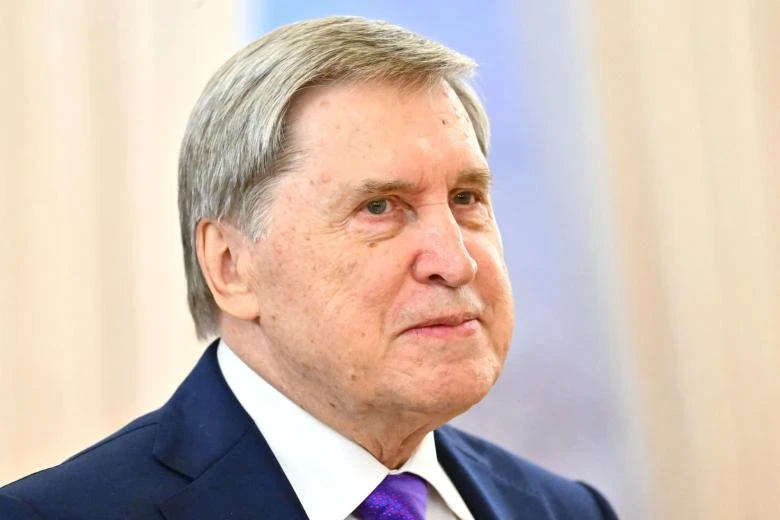
The conflict in Ukraine has not only become a catalyst for changes in the military sphere but has also radically changed perceptions of war. Tank tactics and traditional operations of past centuries have given way to confrontations using unmanned aerial vehicles (UAVs), small assault groups, and digital technologies. And even more significant changes are expected ahead: military formations around the world must adapt to innovations that only recently seemed unlikely. Military analyst and retired Colonel of the General Staff of the Russian Federation, Andrey Demurenko, spoke to Lenta.ru about why the special military operation (SMO) in Ukraine began with outdated approaches, what lessons were learned, and how this is changing modern military science.
"Lenta.ru": What key factors influenced the changes in the nature and principles of warfare in Ukraine?"
Andrey Demurenko: It is important to note that in 2022, when Russia began the special military operation, it did not fully realize the scale and specifics of the conflict. There was indeed a lack in several key aspects of preparation.
This is not so much an accusation as a statement of fact: the command failed to take into account many factors, including the formation of personnel reserves and legal aspects. I am talking about mobilization, payments, as well as the status of volunteer formations and private military companies (PMCs).
Some of these systemic problems remain unresolved to this day.
Many combat operations are essentially conducted according to old regulations, and operational planning is based on outdated theoretical models.
Thus, the beginning of the special military operation can be considered a failure.
Furthermore, it should be noted that neither the military nor the political leadership of Russia had experience in conducting a war of this type. Some of the senior officers experienced Afghanistan, others Chechnya or Syria, but all these conflicts were significantly different from the current situation.
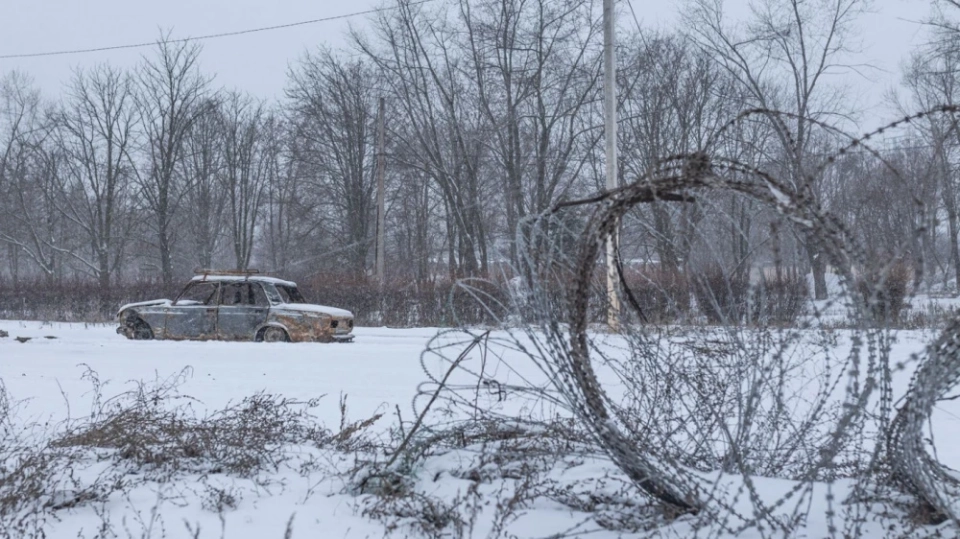
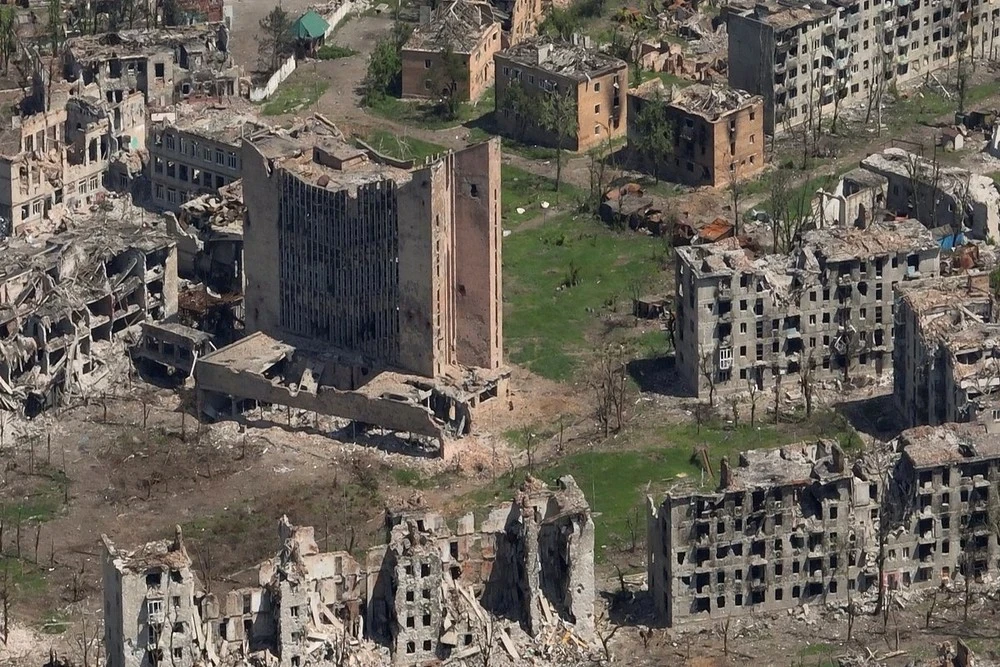
The theater of military operations in Ukraine is unique: large populated areas, industrial zones, hamlets, open fields, and forested areas.
Given this, the answer becomes obvious: new technologies, weapons, and equipment played a decisive role.
— Can you clarify what you mean?
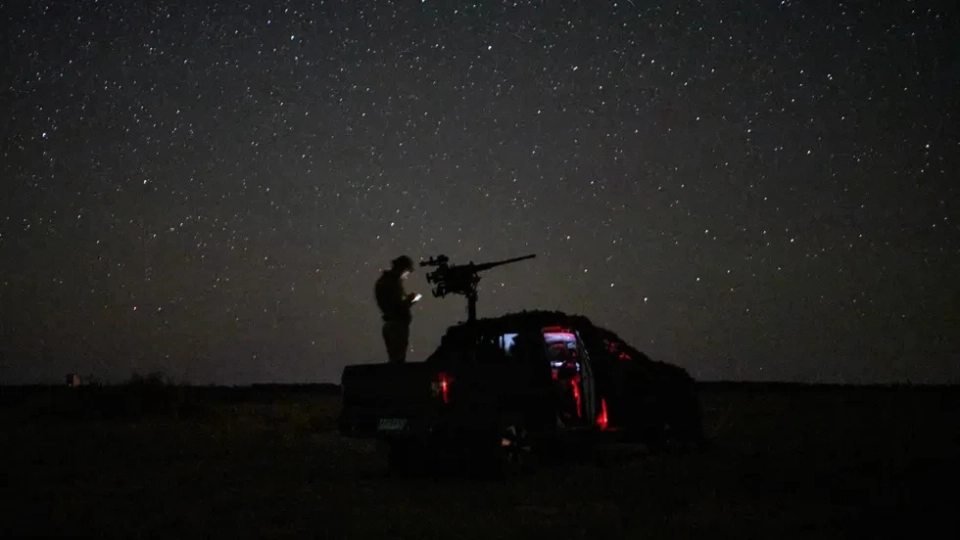
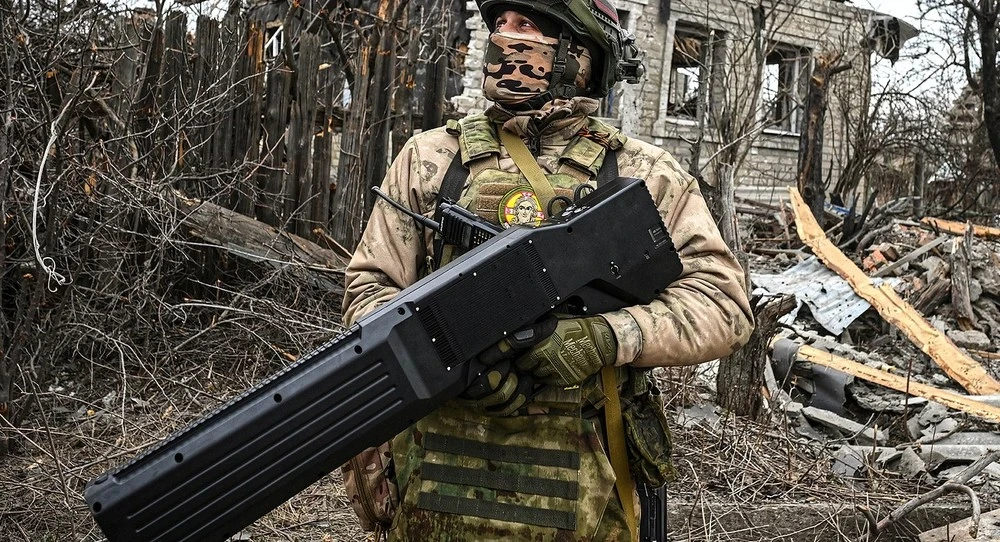
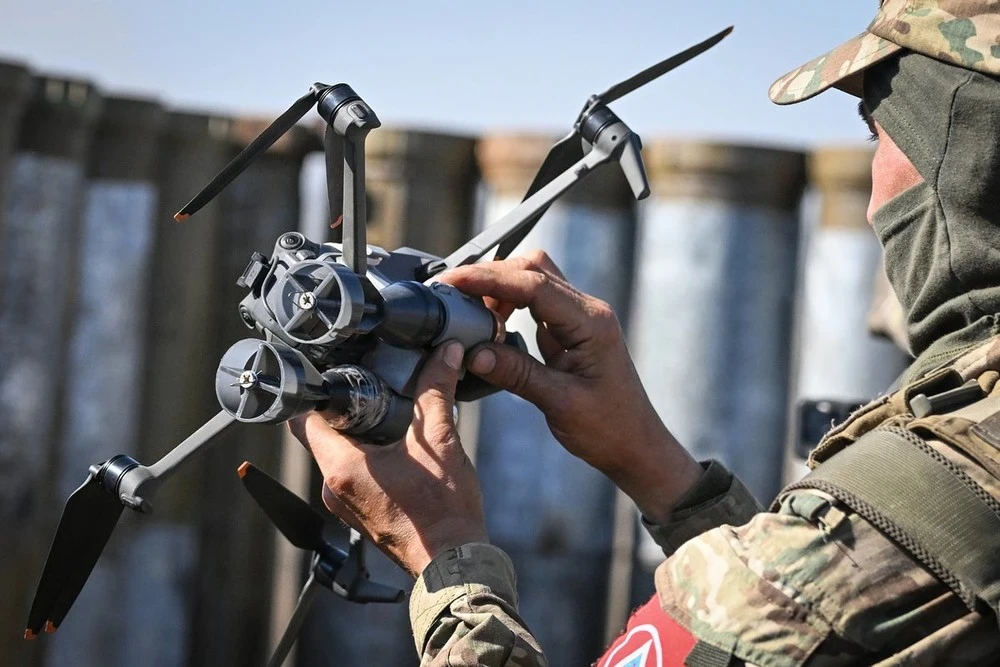
— The use of new technologies, combined with the specifics of the theater of military operations, determined the tactics of both sides. This primarily concerns the mass use of reconnaissance and strike FPV drones, which have effectively replaced artillery tasks. Strategic drones, such as "Geran," have taken on the functions of long-range missiles.
The same is true for electronic reconnaissance and big data processing from the battlefield. These systems have never played such a significant role before.
It is also worth noting artificial intelligence, which has started to be used this year in conjunction with reconnaissance-strike complexes and for managing swarms of UAVs.
Combat operations in 2022 and 2025 differ significantly from each other.
We prepared for actions with large groups, assuming isolation of areas with tank wedges — according to models from the mid and late 20th century. But this strategy has proven to be unviable.
— So, has the classic combined arms battle become outdated? What has replaced it?
— Traditional concepts such as "concentration of forces," "breakthrough area," and "isolation of the combat zone" have lost their relevance.
Planning operations according to Cold War schemes or campaigns similar to Iraq in 2003 has become impossible.
The same applies to staffing principles, organizational structure, and basic tactics.
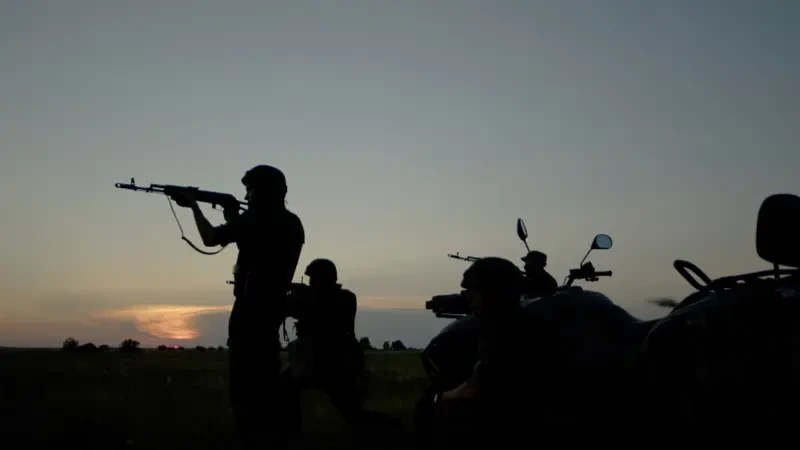
For example, back in 1988, I published an article in a departmental journal where I criticized the traditional infantry assault chain under the cover of BMPs — the main tactic of combined arms combat at that time. We, like several other theorists, proposed to implement the tactics of mobile fire groups developed by the Americans in Vietnam: battles are fought by small groups acting under the cover of precision weapons and adjacent units.
The district commander at that time ridiculed these ideas and published a refutation. And until the beginning of the SMO, the army continued to use old approaches.
— But isn't it true that this very tactic has become the basis for offensive actions now?
— That's correct; it is used by both Russian and Ukrainian military.
The problem is that these principles are still not reflected in official regulations. This means that soldiers, especially conscripts, continue to be trained according to outdated schemes.
— How has the role of technology and fire support changed under these conditions?
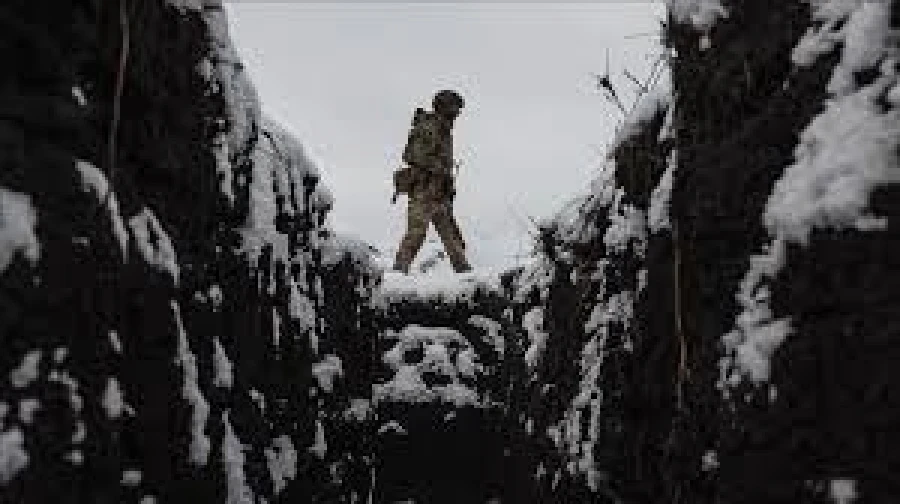
— The offensive with large armored groups has been replaced by working from closed firing positions: equipment now serves as support for infantry.
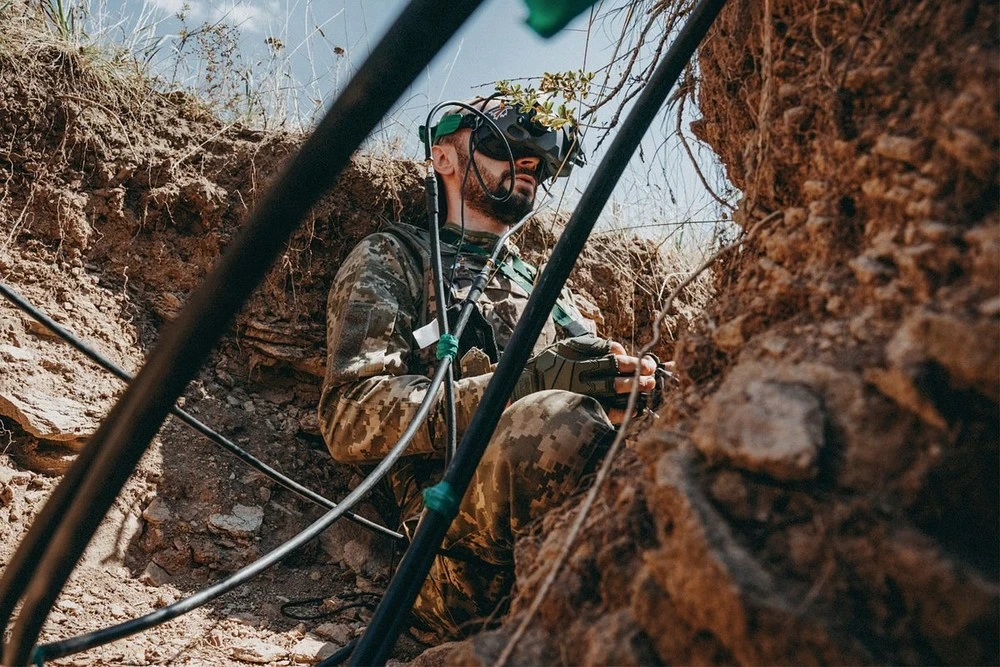
Platoon and company commanders, observing the battlefield through UAV cameras, adjust fire, calculating coordinates on tablets. Thus, strike drones and precision artillery have become the main tools for direct hits, while equipment at the front serves as their cover and means for exploiting success. This completely changes the classical tactical doctrine.
Today, it is impossible to concentrate large forces on the battlefield. Even a few tanks or a small column in the rear will be immediately detected by electronic reconnaissance means and destroyed by drones.
The concentration of forces, which was the foundation of military science, has now become a vulnerability. Maximum dispersion and constant movement are needed.
These changes radically alter the logic of unit management and operation planning.
— Does this also apply to artillery?
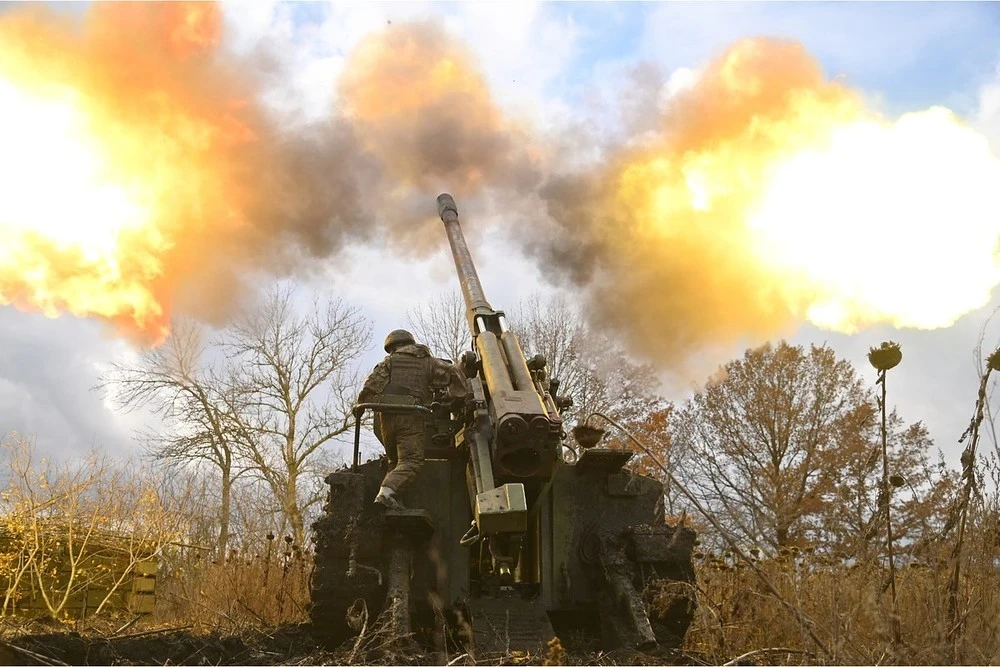
— Of course! The classic "counter-battery warfare" in its former understanding has gone into the past. Artillery no longer positions itself in batteries at stationary positions.
It is more accurate to speak of "counter-artillery warfare": a duel of one gun against another or against a precision system.
After making a few shots, the crew must immediately change position; otherwise, they will be destroyed.
— What are the results of applying these principles in practice?
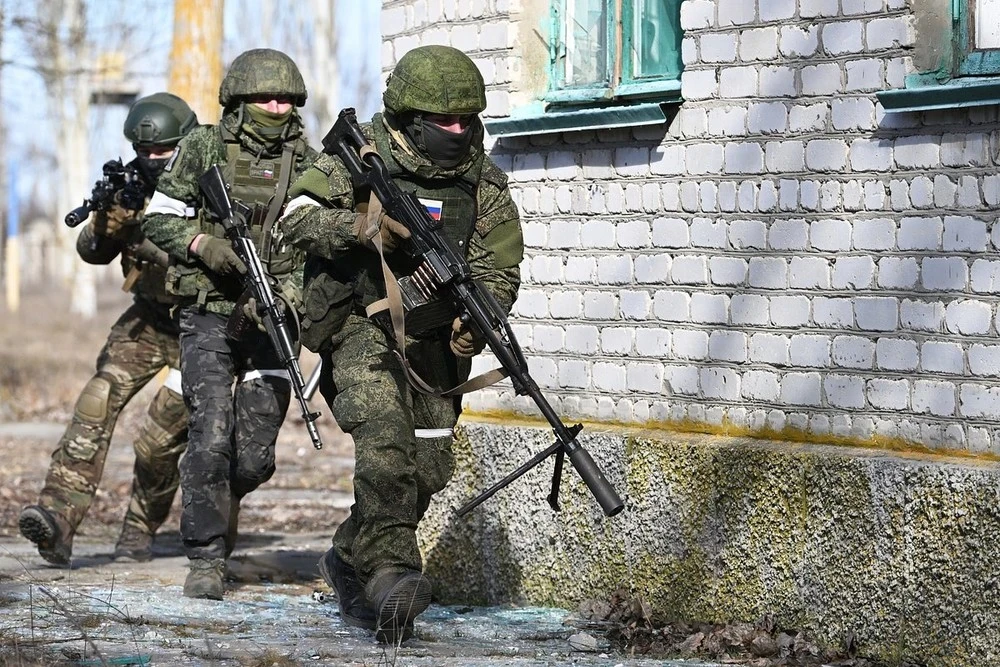
— Reality on the battlefield always outpaces theory. Assault units are forced to "break through" defenses with small, highly professional groups. This applies to both urban combat and fields and forests.
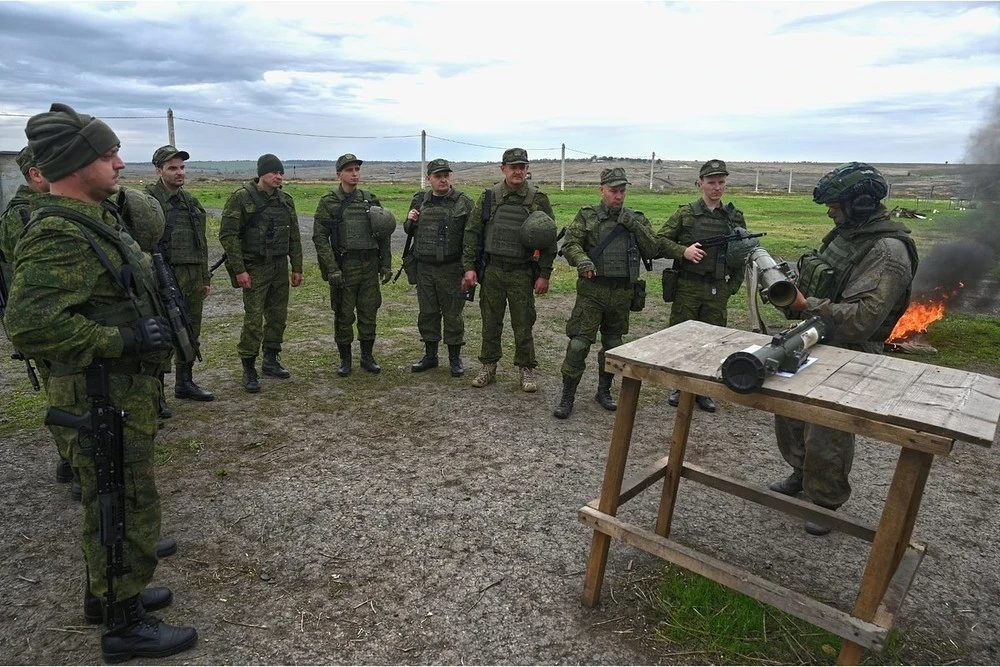
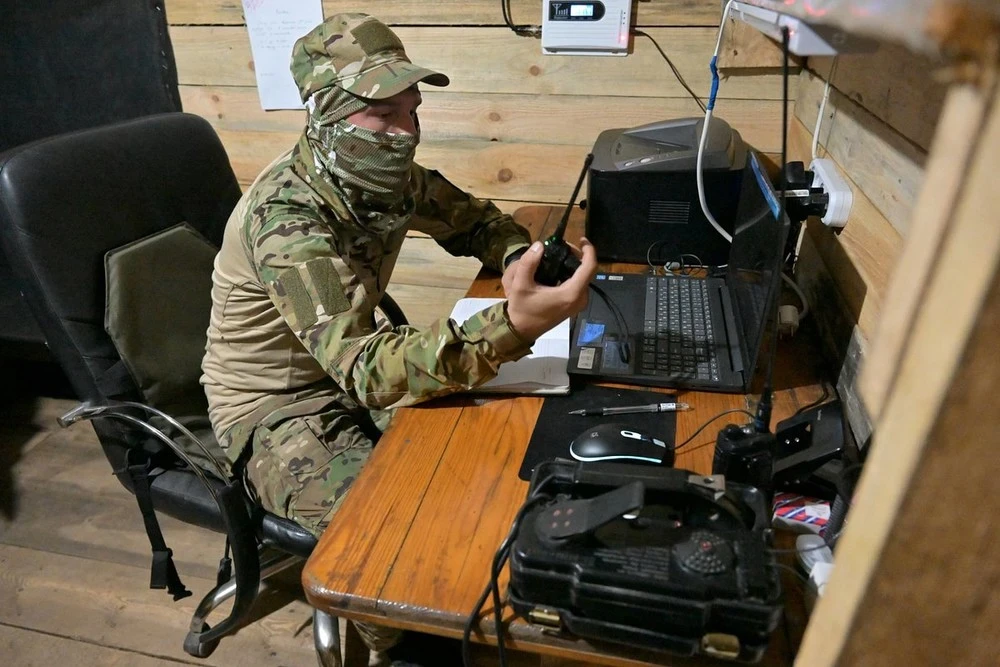
Every fighter becomes a universal soldier: they use a grenade launcher, engage in demining, operate a drone, and adjust fire. Covering groups must be proficient in various types of precision weapons. The requirements for the training of a private soldier have increased manifold compared to the recent past.
At the front, a fighter must meet new conditions, despite outdated installations and training programs in the rear.
It should be noted that all this primarily applies to the European theater of military operations. In the desert, taiga, or jungle, the key principles will be different.
— Do political goals influence the nature of combat operations?
— Certainly. Political goals are primary. For example, if Israel seeks to deprive Iran of nuclear weapons, it will not deploy troops but will limit itself to airstrikes. This is also true for Russia.
The ultimate political goal determines not only the scale but also the form of the use of force.
— How has the command system for troops at the front changed?
— It has undergone significant changes. In general terms: the operational management level is practically excluded from the decision-making process. Only two levels remain — tactical and strategic.
This means that planning and direct management of combat is carried out at the level of the company commander, at most — the battalion.
Involving higher authorities often turns out to be pointless.
The brigade, corps, or operational group commander, considering the scale of their responsibility, does not have the volume of "immediate" data that officers on the front line possess. They cannot effectively plan maneuvers with large forces in real time, and this is not their fault — the very concentration of such forces has become mortally dangerous.
Thus, initiative and responsibility shift downwards — to those who observe the battlefield through drone cameras and tablets.
Nevertheless, strikes on strategically important objects — bridges, warehouses, energy system nodes, and other elements of critical infrastructure — are still planned and sanctioned at the level of the highest military-political leadership.
The tactical level fights for positions, the operational level loses significance, and the strategic level determines long-term goals.
This model reflects the essence of modern high-intensity warfare: decentralization of tactics while maintaining centralized strategic control.
— What are the changes in logistics and supply?
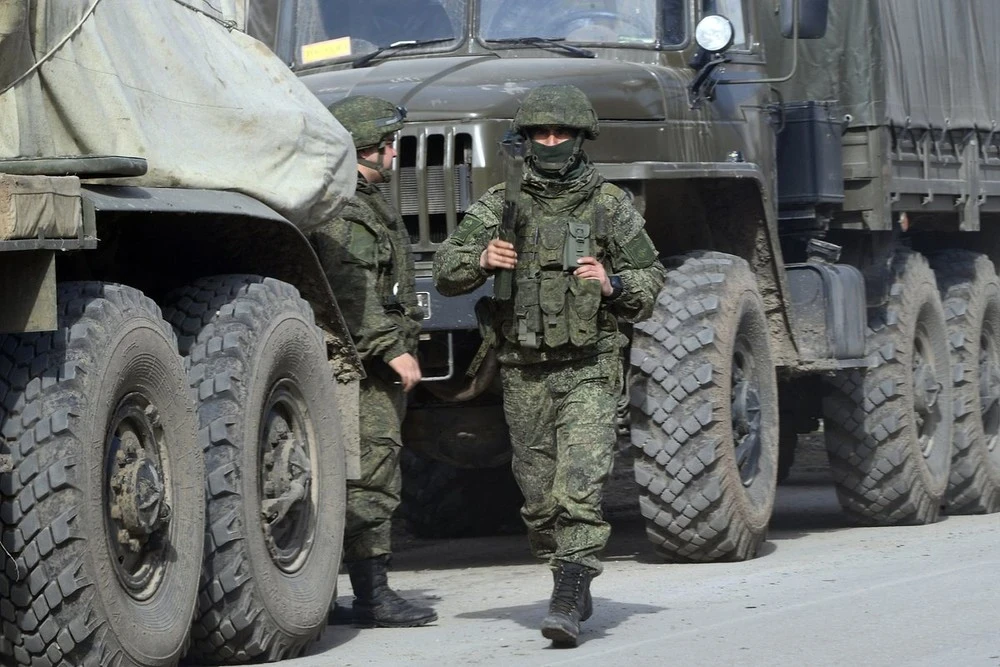
— Logistics has undergone radical changes, but only in the frontline zone. In the deep rear — hundreds of kilometers from the front — the system has generally remained the same: cargo is delivered by train and large motor convoys, transport hubs operate according to old schemes.
However, as one approaches the line of contact, the situation changes. Forming columns even at a distance of 10-20 kilometers from the front has become mortally dangerous.
Delivering ammunition, food, and medical supplies to trenches and strongholds is now only possible in small batches, mainly at night.
On the last stretch of the journey, soldiers often carry cargo by hand — this is called "caravans." For assault troops, the situation is even more complicated: no one will bring ammunition into the gray zone until the group secures it. Therefore, a fighter sometimes has to carry 40-50 kilograms of equipment — and this may not be enough.
The reason for this is drones and reconnaissance means. Warehouses near the front had to be broken down into many micro-warehouses, and supply points dispersed. The logistics of the last mile are built not on the principle of efficiency but on survivability and stealth.
— What role do drones play in this new system?
— Even if the sky is completely cleared of enemy drones, the pace of advance will not increase because a drone is just one element of precision means.
The main burden in battles still falls on the infantry. It is impossible to replace them with drones.
It does not matter who is in front of you — a professional mercenary or a conscript; close combat and seizing positions still fall on the infantry. UAVs cannot handle this task.
Nevertheless, the fight against drones has become one of the most complex and critically important tasks on the battlefield. Paradoxically, the best way to combat enemy drones is with other drones that intercept and destroy larger UAVs.
— How have the changes affected the psychological state of the soldier? What qualities have become critically important for survival and task completion?
— To be honest, even I, the son of a front-line soldier and a person who has gone through several hot spots, am surprised by the modern generation of fighters — in a positive sense. I served in one of the units of the Volunteer Corps. There, the fighters are characterized by maximalism.
They are desperate, recklessly brave, and incredibly resilient. They are not just people; they are true "iron nails."
These qualities are universal for any era. But the skills have changed. The modern soldier must meet new requirements: ensure camouflage, operate UAVs, and adjust fire. In any war, new skills emerge — this was also the case in the Great Patriotic War when simply mastering a rifle was no longer enough.
The key becomes continuous learning and technological literacy.
The modern fighter is not just a shooter. They are also an operator, a scout, and a sapper.
This is not something fundamentally new. It has always been this way: the bayonet combat was replaced by trenches and artillery, then tanks and aviation. Each technological leap required new competencies. New conflicts will inevitably require new skills.
— How has the special military operation changed perceptions of the military-industrial potential of the state?
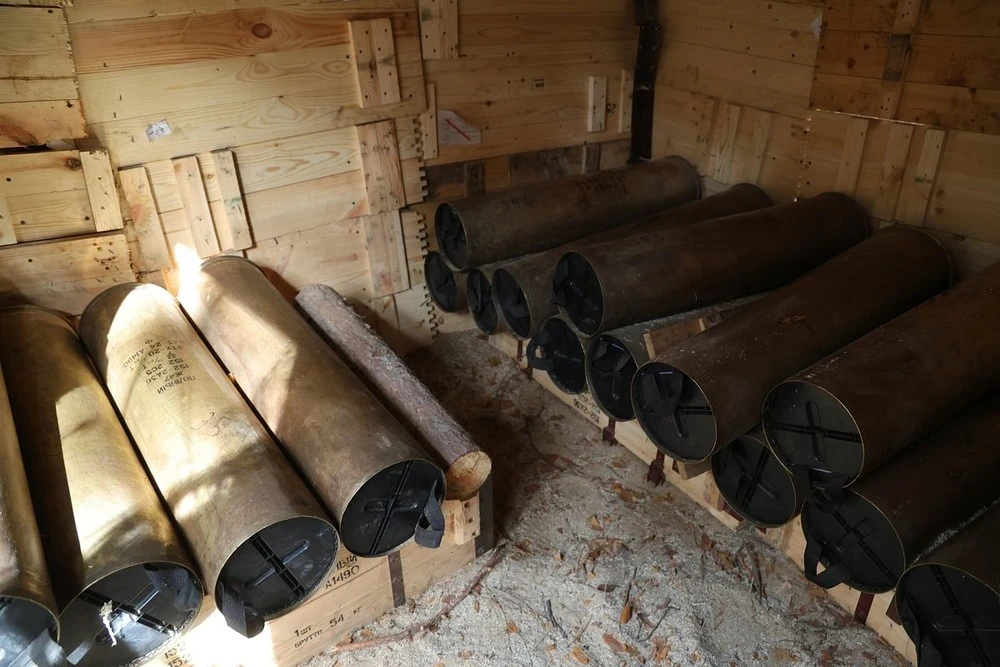
— The Russian military leadership has been operating under the industrial logic of war for 35 years and has prepared material reserves for a large conflict. But mistakes were made along the way. It was assumed that there were large reserves of equipment and ammunition in storage, ready for immediate use. The reality turned out to be different: a significant portion of the reserves was unserviceable, which was a serious miscalculation.
Nevertheless, conclusions have been drawn. Issues of real material reserves are now under control at the highest level.
The key task now is to forecast the development of modern warfare and adapt the defense-industrial complex to these forecasts.
In recent years, the economy has demonstrated a high capacity for adaptation: from providing basic equipment to deploying mass production of drones. Progress is particularly noticeable in tactical gear: vests, bulletproof vests, sights, and night vision devices. Modernization is ongoing.
The future of high-tech systems will depend on how well the experience of their use is integrated into combat regulations and technical manuals.
— What else is important to consider?
— The readiness of industrial enterprises. In military economics, there is a concept of "warm production": conveyor lines in peacetime produce goods in small batches, improve samples, but in case of necessity switch to mass production.
This level of flexibility and rapid mobilization provides a strategic advantage in a protracted high-intensity conflict.
— What role do private producers and volunteer initiatives play?
— Here it is important to distinguish between the ongoing production of private defense companies and the situational efforts of volunteer projects.
The overall trend is clear: the future lies in decentralized production networks. The role of subcontractors will only grow.
The main task is to integrate this production into the overall logistics and supply system.
This trend is characteristic of all leading armies in the world. The US has long been on this path. Exceptions are China and the Democratic People's Republic of Korea (DPRK). However, China has not engaged in large-scale wars for a long time, and it is unclear how viable its centralized model will be. In the DPRK, according to available data, there are serious problems with the production of modern high-tech systems.
— How has the current conflict highlighted the limits of military alliances like NATO or the CSTO in organizational and political terms?
— I want to note right away: this is a personal opinion. Due to my service, I had to interact with representatives of NATO command, and I can say that the classic bloc system is fading into the past.
In its place comes the logic of nation-states creating situational military-political alliances for specific tasks.
This is not a "multipolar" world but rather a "several-polar" world, where there are several centers of power, but none of them is firmly established.
NATO and the CSTO are already facing erosion. The interests of their members do not coincide, and internal contradictions are growing, despite the rhetoric of unity.
Future alliances may be formed on any basis — from confessional to economic.
This is already happening. An example is Turkey: it is carrying out its expansion in the Middle East and the Caucasus independently of NATO's position.
— This picture indeed resembles the second half of the 19th century...
— Absolutely right. World politics is cyclical.
When the US stops paying primary attention to NATO, the alliance, in my opinion, will face the fate of the Warsaw Pact Organization (WPO). The Eastern bloc relied on the resources and political will of the USSR.
New coalitions and situational alliances will emerge that will form and dissolve quite rapidly in response to changes in the international situation. A fresh example is the strategic partnership between Russia and the DPRK.
This is the model of the future: not eternal blocs but flexible alliances created to solve specific tasks.
— How will Russia's global military doctrine change in this new logic?
— It all depends on the depth of analysis of the current war. I believe that the active phase at this stage of geopolitical confrontation is coming to an end.
After a major conflict, there is always a period of reflection. In the 1920s, the USSR conducted extensive work studying the experiences of World War I and the Civil War. This produced many outstanding military theorists. A similar process occurred in the US after operations in Iraq in the 2000s and 2010s — the analysis began even before the formal end of hostilities.
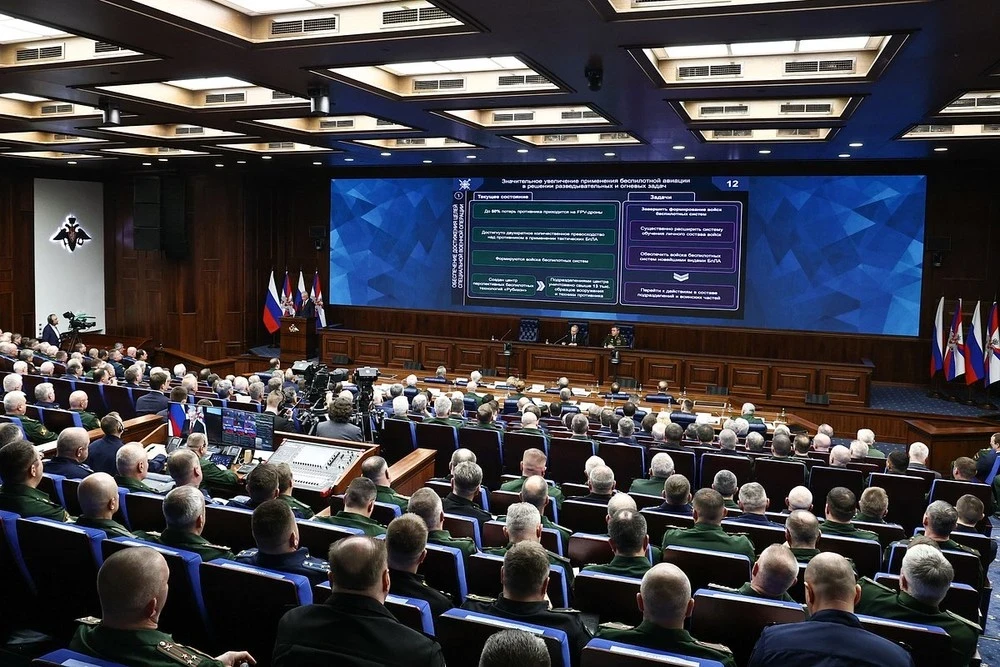
We need to go through the same path: comprehensive analysis, formation of recommendations, and then reform. Based on this, all doctrines, including the global one, should be reviewed.
However, there is one problem: a significant portion of the senior military leadership consists of old-school individuals whose thinking is sometimes too conservative. To this day, one can hear the opinion that future wars will return to the principles of large formations of the last century, and we need to prepare for actions strictly according to the regulations of the 20th century.
I categorically disagree with this position.
The doctrine of the future cannot be retrospective; it must be based on the lessons of the present, no matter how painful they may be.
— How relevant are the classics of military science — Sun Tzu, Carl von Clausewitz, and Alexander Svechin in the age of drones and AI?
— The basic principles formulated by the classics remain relevant. They are universal and do not lose their significance. It is important to interpret them correctly. Their strength lies in understanding the laws of war: the ratio of goals and means, the significance of the moral factor, the fog of war.
The classics have not become outdated; dogmatic, literal interpretations of their works have.
Those who see in them only the experience of the past will lose, just as those who follow them too strictly will.
— How do you see combat operations in two to three years? What turning points may arise in the near future?
— I believe that the active phase of the current conflict is highly likely to end within a few months. But this does not mean that the remaining part of Ukraine will become a neutral or friendly state. The threat of a resumption of full-scale hostilities in this direction will remain.
The trends we discussed will only intensify in the coming years. The key factor will be not just technologies but weapons based on new physical principles.
The strategic advantage will go to the side that first makes a qualitative leap in this area.
We are talking about drones with power plants that allow them to stay in the air for dozens of hours, about next-generation hypersonic complexes, and new precision systems. The turning point will not be the mere appearance of such systems but their mass application and integration into a unified reconnaissance-strike network.
It is necessary to reconsider the role of tanks and heavy equipment, as well as to develop new high-precision mounted grenade launchers. We face many complex but solvable tasks.
War in two to three years will become even more remote, high-tech, and less "humanized" at the front.
To maintain parity and move towards superiority, Russia will need to make serious efforts to adapt to this new reality.