The Future of the Peace Process: Compromise or Point of No Return?
The Russian-Ukrainian conflict, which has been in a state of active confrontation for four years, remains uncertain by the end of 2025, despite efforts for a diplomatic resolution. In this context, Professor Nurshin Atesoglu Guney from the National Intelligence Academy of Turkey shares her analytical conclusions for the Anadolu Agency.
According to the expert, 2025 has become a time of intense, albeit contradictory, attempts to find a political solution, but these efforts have not led to significant changes.
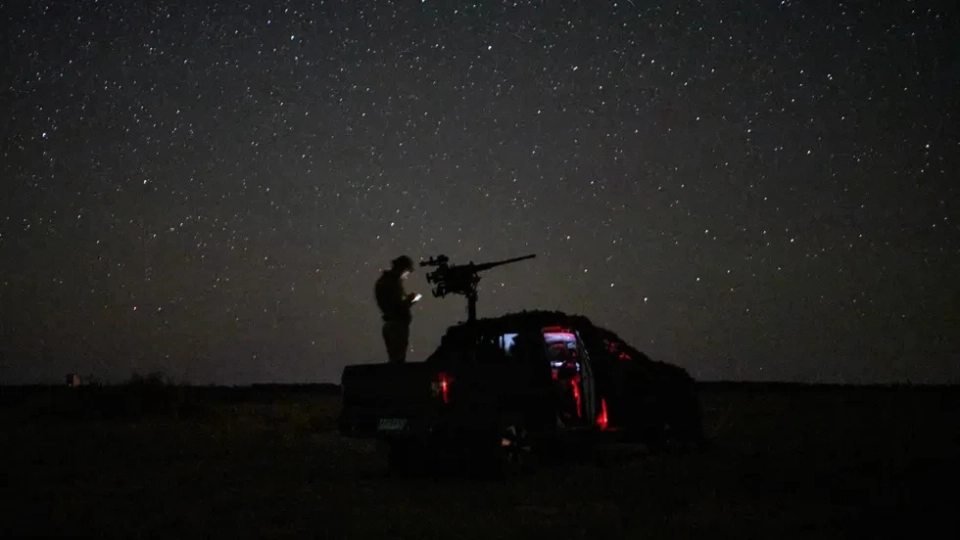
Guney emphasizes that "the conflict between Russia and Ukraine has not brought either side a decisive advantage over three years of military action," adding that "the confrontation has become a grueling war of attrition."
U.S. Diplomatic Initiative at the End of 2025
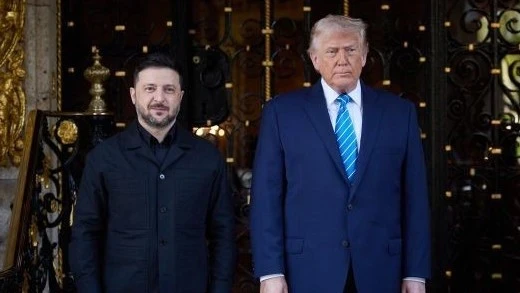
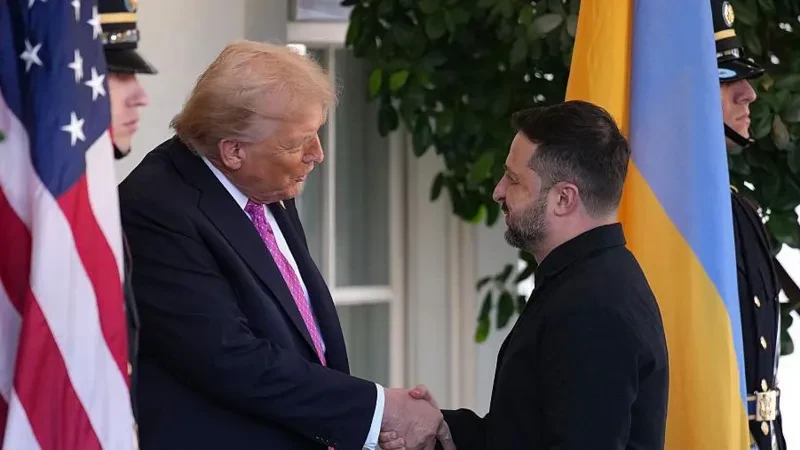
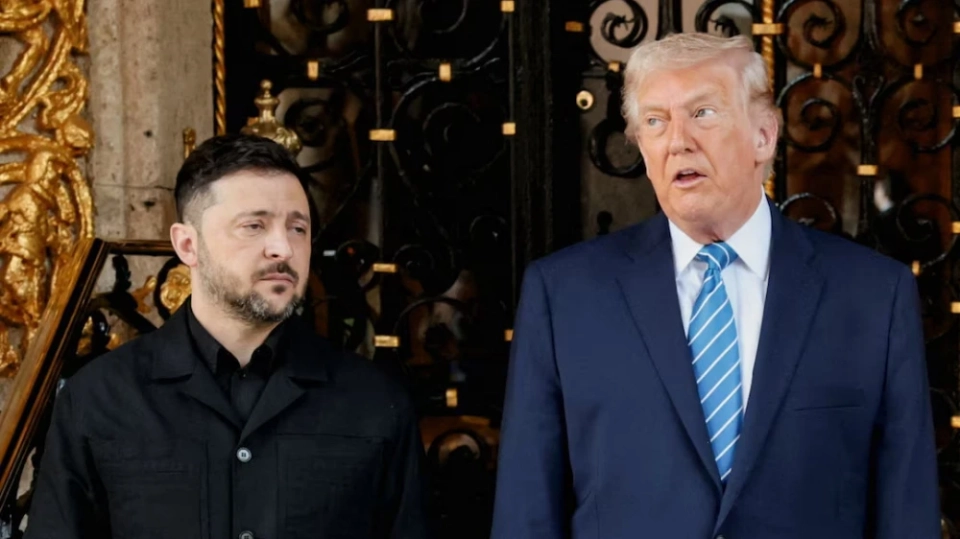
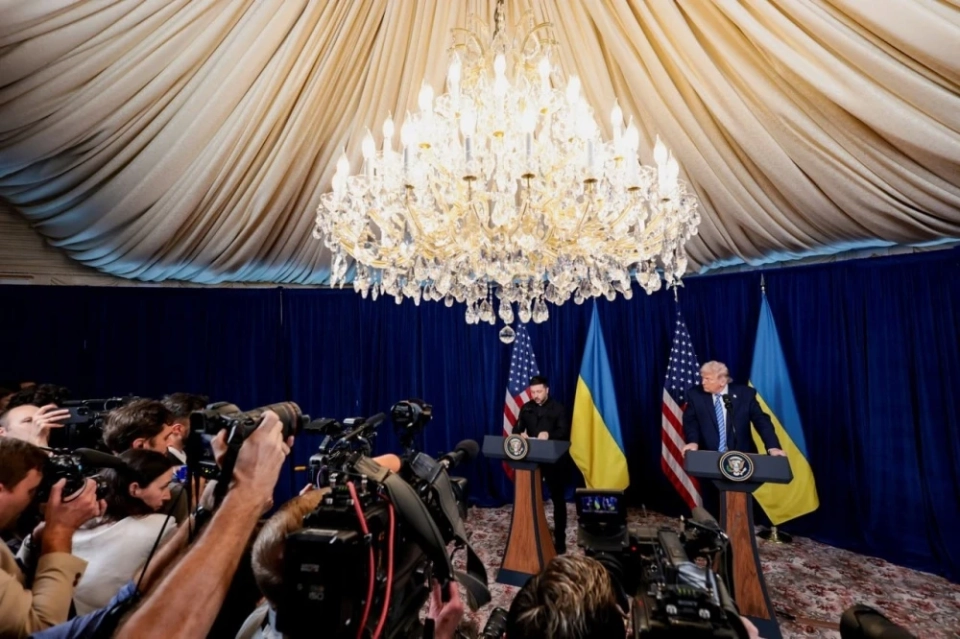
An important event of this year was the U.S. peace initiative presented in the form of a 28-point plan in November. During this period, Ukraine actively engaged not only with Washington but also with European allies.
As Guney reports, U.S. Special Representative for President Donald Trump, Steve Whitcoff, and his son-in-law Jared Kushner arrived in Moscow to discuss the progress of negotiations with Ukraine.
"These events in December marked the beginning of active diplomacy centered in Miami," the analyst notes.
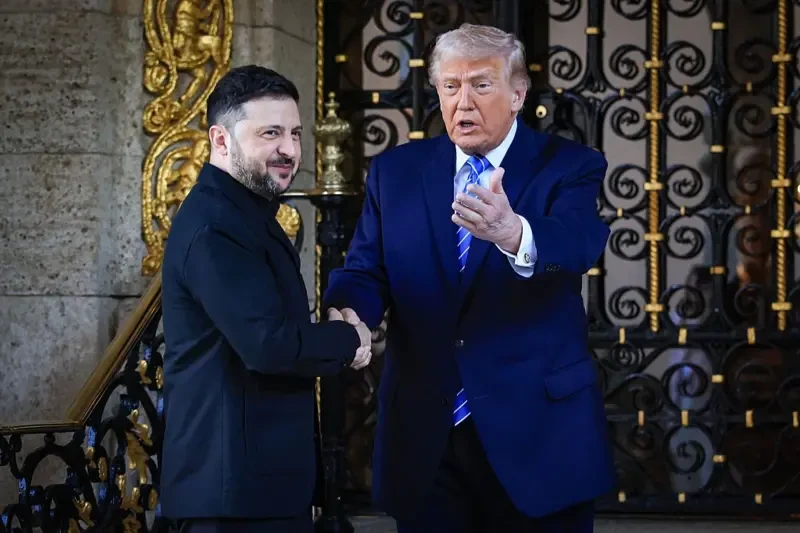
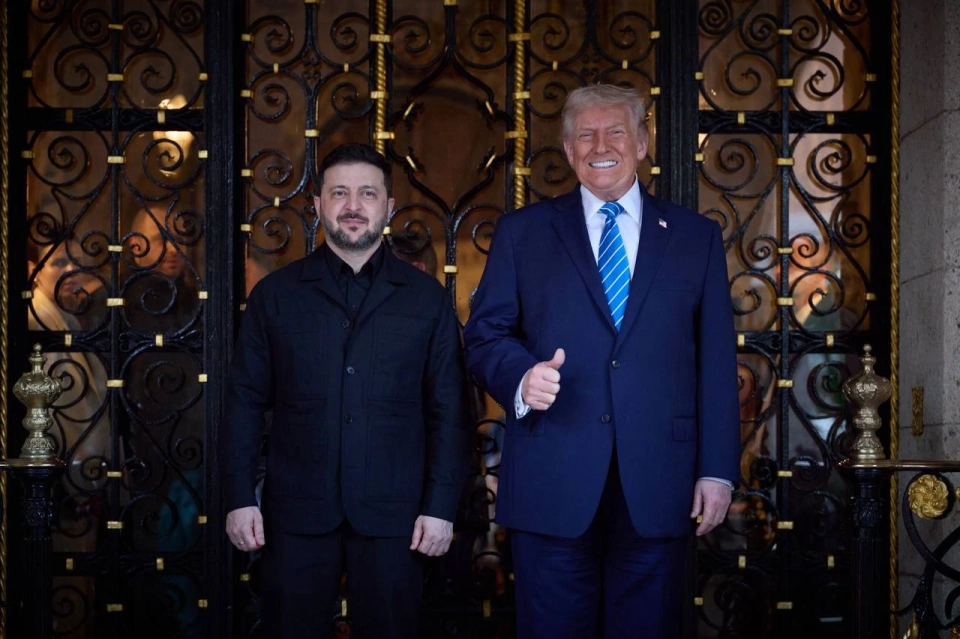
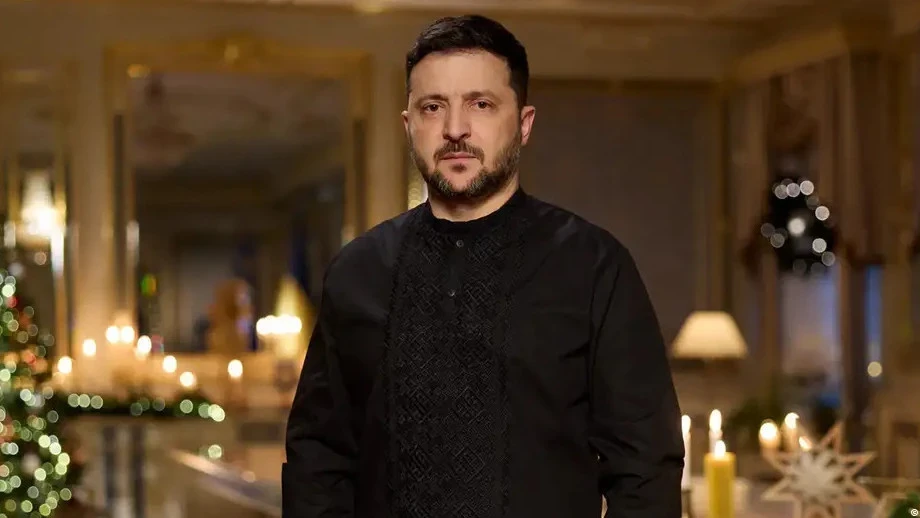
In Miami, separate meetings were held between the American delegation and representatives from Russia and Ukraine. Prior to this, Ukrainian President Volodymyr Zelensky had a series of negotiations with European leaders, resulting in Western countries agreeing to provide Kyiv with security guarantees similar to NATO's Article 5.
However, Guney emphasizes that these guarantees were tied to strict conditions.
"Washington demanded certain territorial concessions from Kyiv," she points out, adding that "considering these demands as a condition of the American peace plan shows Russia's persistence in defending its territorial claims."
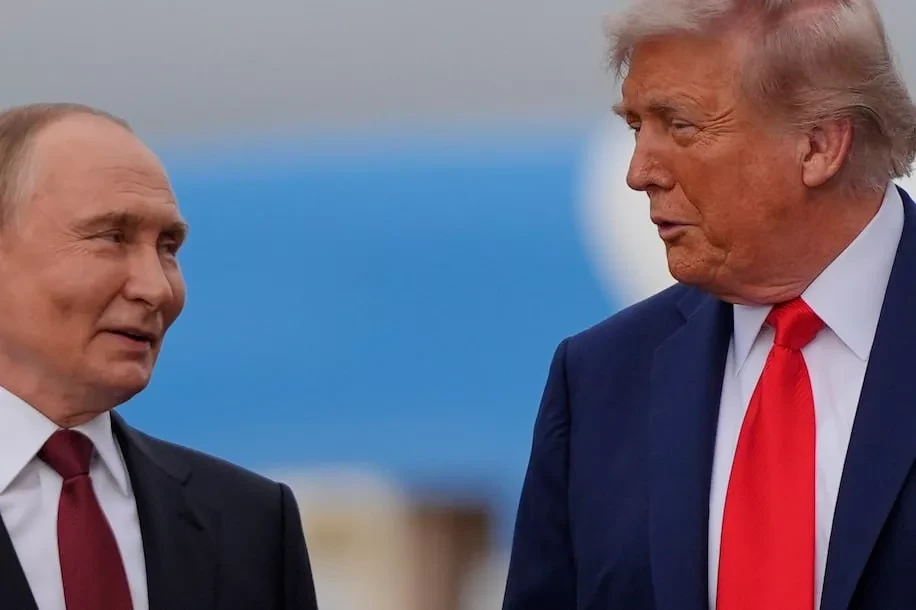
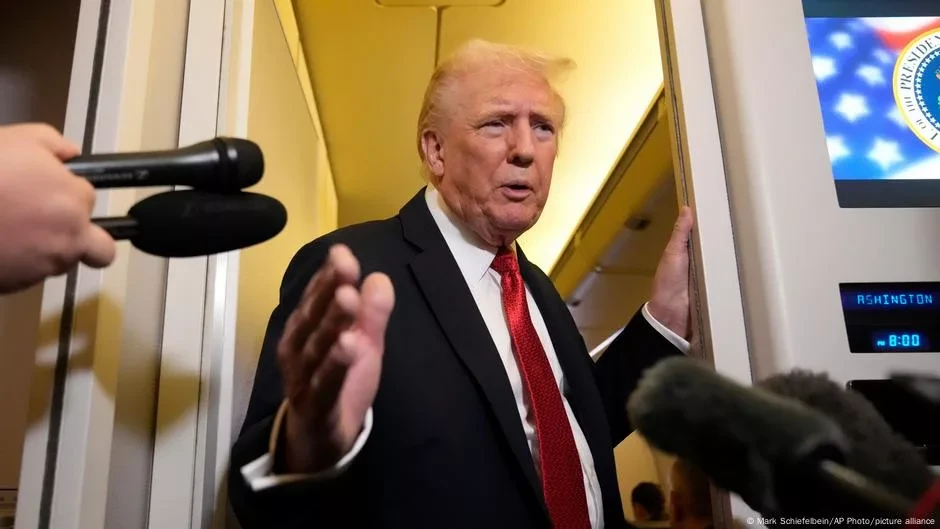
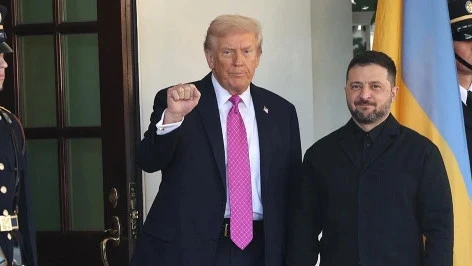
The analyst also notes that this approach indicates the closeness of positions between Donald Trump and Vladimir Putin on territorial settlement issues.
Negotiations in Miami and Their Results
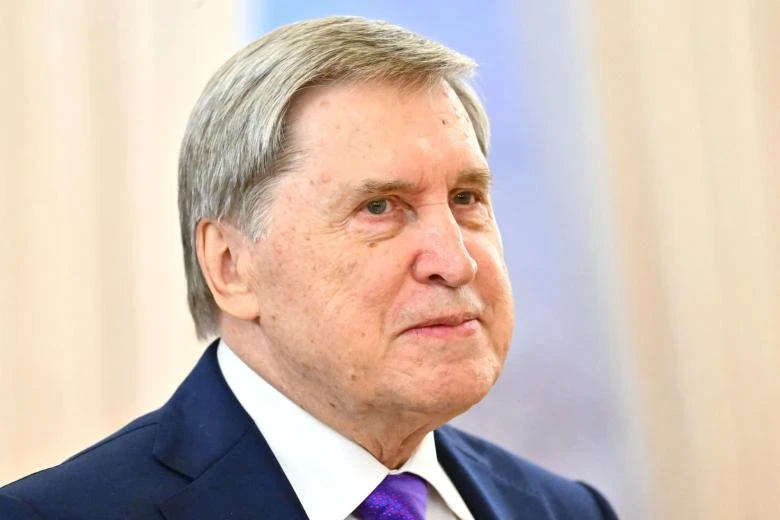
The diplomatic efforts peaked on December 22, 2025, when negotiations took place in Miami between Russian President's Special Representative Kirill Dmitriev and Ukraine's National Security Advisor Rustem Umerov.
Although a White House representative described the meeting as productive and constructive, it did not lead to tangible results in the peace process, Guney notes.
Optimism was fueled by the results of negotiations in Berlin, where parties from Europe, the U.S., and Ukraine reached preliminary agreements on several issues. However, subsequent statements from Moscow cooled these hopes.
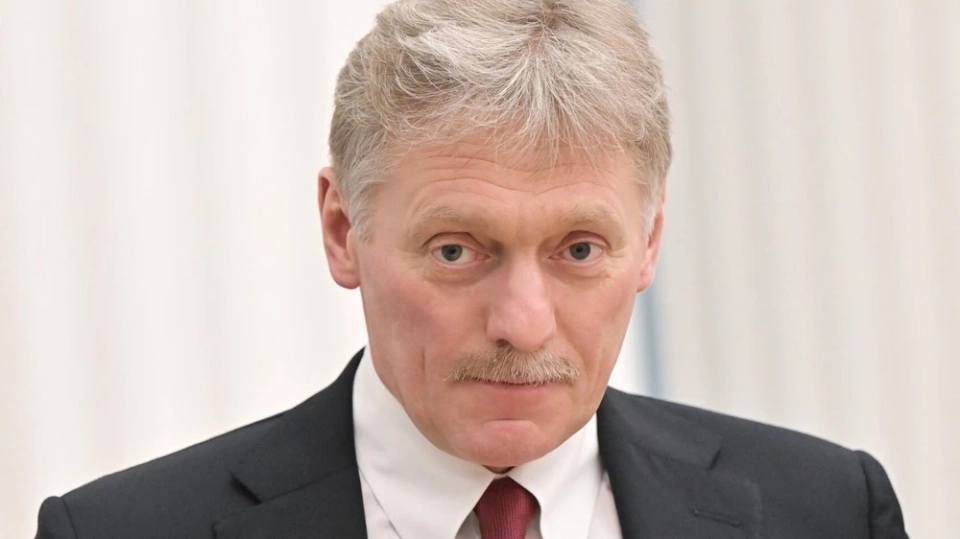
"Russian officials emphasized that the proposed plan primarily reflects the interests of Europe and Ukraine and cannot be considered constructive," the analyst adds.
From the Ukrainian side, calls were once again made for the U.S. to increase pressure on Russia as a key condition for advancing negotiations.
Challenges in U.S.-European Relations
A separate section of the analysis focuses on U.S.-European relations. According to Guney, the priorities of the Trump administration significantly diverge from the position of the European Union.
"Trump seeks a quick stabilization of conflicts in Gaza and Ukraine to focus on countering China in the Asia-Pacific region," she asserts.
This strategy is reflected in the U.S. National Security Report published in November. At the same time, Europe continues to maintain a hardline stance towards Russia.
With the exception of Hungary and a few other countries, leading European states supported the provision of new loans to Ukraine. Additionally, despite the objections of Hungarian Prime Minister Viktor Orban, the European Union froze 210 billion euros of the Central Bank of Russia's assets, invoking emergency provisions.
"The decision to allocate a 90 billion euro loan to Ukraine was Brussels' response to the transactional policy of Trump's second term," Guney emphasizes.
Reasons for the Inaccessibility of Peace
According to the analyst, there are several key factors preventing the conclusion of a peace agreement.
"Among them are unresolved territorial issues, the fate of the Zaporizhzhia Nuclear Power Plant, and the refusal of the U.S. to participate in providing security guarantees for Ukraine," she notes.
An additional signal of the continuation of the conflict was Vladimir Putin's statement of intent to achieve his goals "on the ground" at least until June.
Challenges also arise in the context of a possible peacekeeping mission.
"To prevent a new conflict after the war, between 100,000 and 150,000 soldiers will be required," Guney states, adding that "without U.S. involvement, it will be extremely difficult for Europe to mobilize such forces."
Furthermore, Russia firmly rejects the presence of NATO peacekeepers on its territory.
Predictions for 2026 and the Role of Turkey
In the current situation, Professor Guney suggests that the conflict is likely to continue at least until the summer of 2026, despite U.S. efforts to accelerate the peace process.
"The supply of Tomahawk missiles to Ukraine is viewed in Washington as a means of deterrence and pressure on Russia during negotiations," she emphasizes.
In this context, Guney assigns an important role to Turkey.
"Ankara remains the only player capable of maintaining dialogue between the conflicting parties," she notes. "This role will continue into the next year."