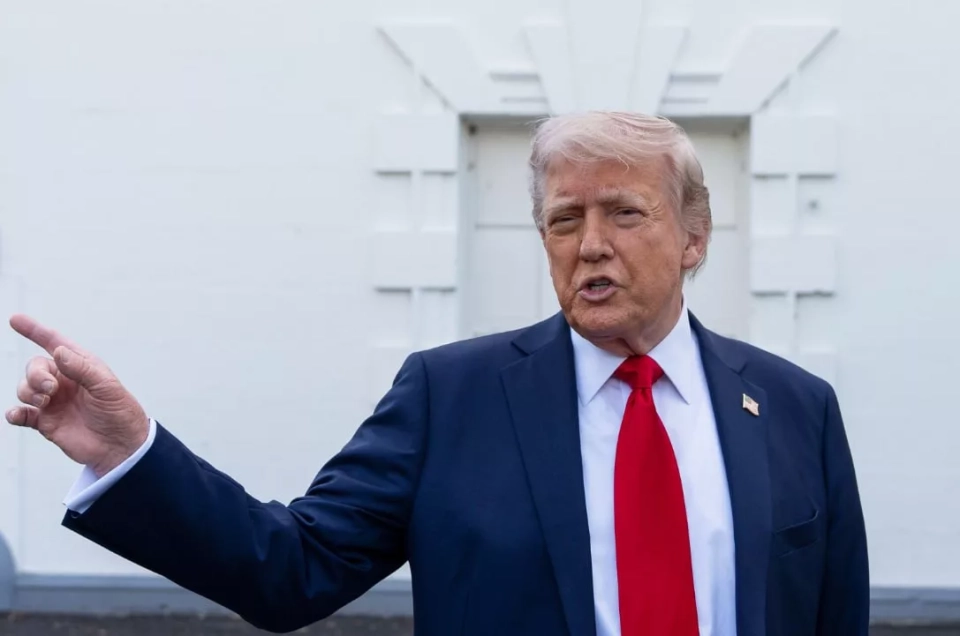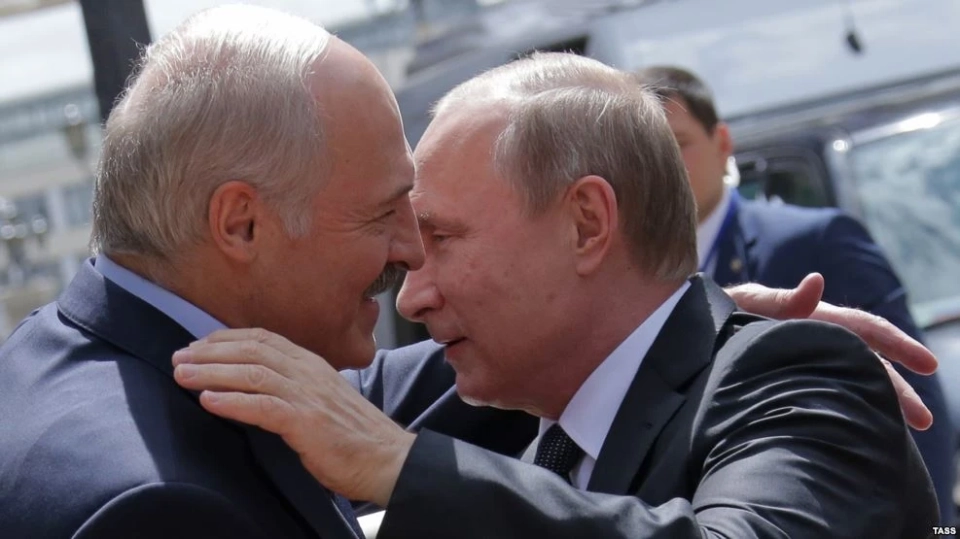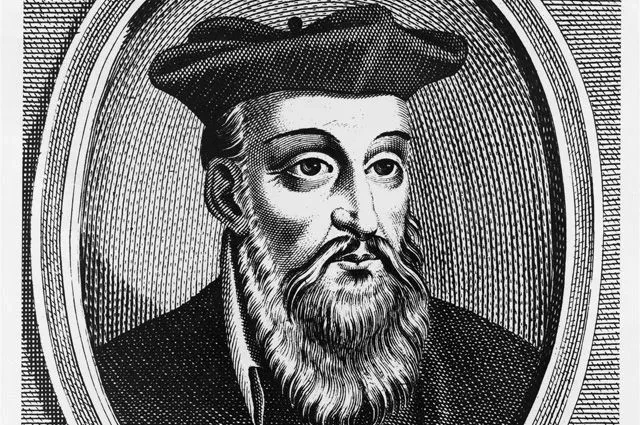
As 2026 approaches, interest in Nostradamus' "Prophecies" — the famous collection of quatrains — is growing. New interpretations of his works highlight themes such as the "great swarm," mentions of "blood," escalating conflicts between East and West, and the possible return to power of Donald Trump, referred to here as "King Donald," according to the Express newspaper.
Despite their enigmatic nature, Nostradamus' predictions are always ambiguous, and modern interpretations point to both alarming events and their potential changes.
Nostradamus' famous collection, Les Propheties, was first published in 1555 and includes 942 quatrains written in a mix of archaic Latin and medieval French. Over the centuries, his texts have been linked to major historical events, such as the Great Fire of London, the atomic bombings of Hiroshima and Nagasaki, and, more recently, the COVID-19 pandemic.
With increasing global anxiety ahead of 2026, some quatrains are once again attracting attention for their relevance to contemporary geopolitical realities.
Are new natural disasters expected?
One of the central themes in Nostradamus' interpretations is natural disasters. Symbols such as "fire from the sky" are often associated with possible extreme weather conditions in the coming year, which may be linked to climate change.
Some quatrains also warn of a potential financial crisis, mentioning "corrupt currencies" and "restless markets," indicating the possibility of a new economic downturn next year.
What does "the great swarm of bees" mean?
In one of the most discussed quatrains, a "great swarm of bees" is mentioned, emerging from the darkness of night. Analysts interpret this as a symbol of strong political figures, such as Donald Trump or Vladimir Putin. It could signify both victories and bold actions by influential leaders in the coming year, such as possible negotiations in the Middle East led by Trump or changes in geopolitics concerning Russia and Ukraine.
"All will be drenched in blood": new unrest in Europe?
Another quatrain, concerning the Swiss canton of Ticino, states that this region will be "drenched in blood." Although the exact meaning remains uncertain, experts suggest it may hint at new unrest in Europe. It could also symbolize a broader conflict encompassing other regions where political tension and military mobilization are already observed.
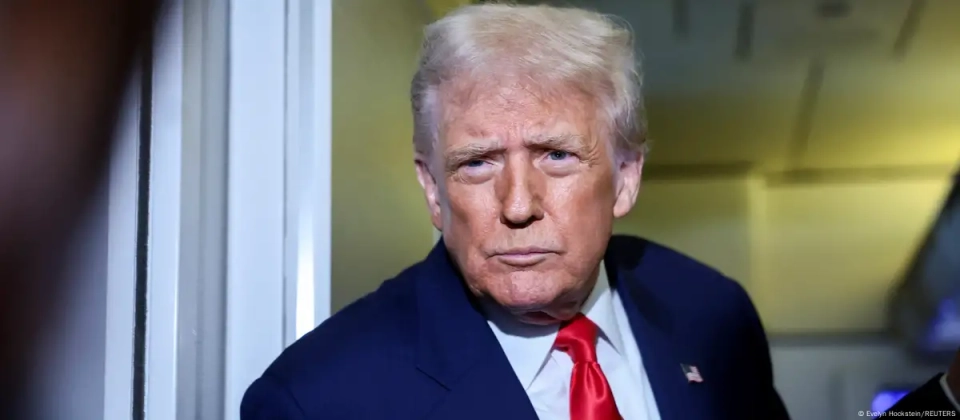
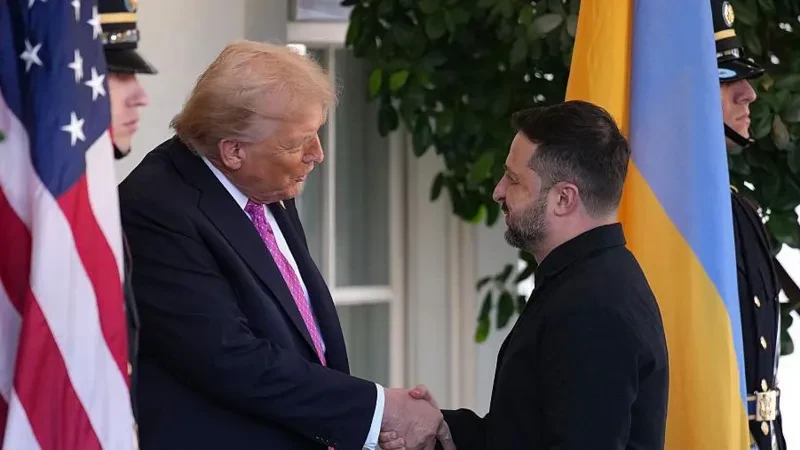
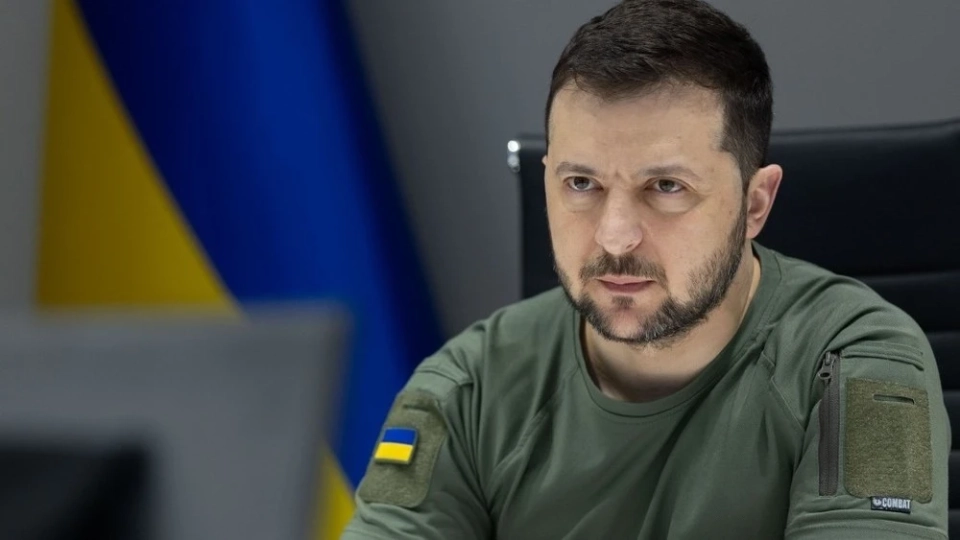
Another quatrain, "Seven months of great war, people die from evil," is linked to a protracted conflict involving determined leaders. Researchers believe it may refer to Vladimir Zelensky or Donald Trump, whom some of Nostradamus' followers call "King Donald."
Mars, global war, and the decline of the West
One of the most striking predictions relates to the movement of Mars, the Roman god of war. Nostradamus noted that when Mars "makes its way among the stars," blood "will stain the sanctuary." Analysts suggest this points to a possible escalation of global conflict in 2026, which may involve Western Europe and Asian countries.
Another quatrain, "Three fires rise from the eastern sides, while the West quietly loses its light," is interpreted as reflecting changes in the global balance of power, as the East begins to dominate while the West faces setbacks.
The interplay of technology and power: will 2026 be a turning point?
Interest in Nostradamus' technological predictions has significantly increased in recent years. Some researchers see hints of artificial intelligence, communication systems, and automation in his verses. It is suggested that 2026 could be a pivotal year in technological development.
Some contemporary scholars believe that Nostradamus' statement about "the light of the West losing its positions" may refer to the rapid development of AI in China, Japan, and other Eastern countries. They argue that economic changes brought about by automation could have serious consequences for the Western labor market.
Despite the grim nature of many predictions, the conclusion of Nostradamus' prophecies for 2026 contains an optimistic note:
"Shadows will fall, but the man of light will rise."
This can be interpreted as a symbol of hope for renewal and the possibility of a new leader emerging, a rethinking of worldviews, or social changes that prioritize human relationships over technology.
However, more cautious researchers note that Nostradamus' verses are metaphorical and may relate to various epochs.
Interest in their interpretations remains high, yet the connection to contemporary events often arises not from actual predictions but from a current reading that responds to modern fears and issues, including wars, economic crises, natural disasters, and technological changes that receive far more attention than in Nostradamus' era in the 16th century.