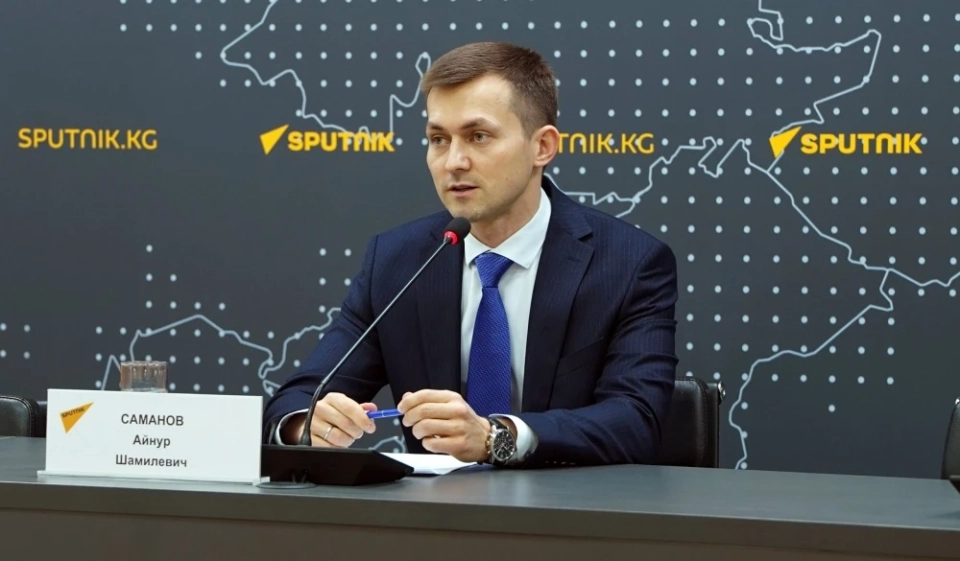
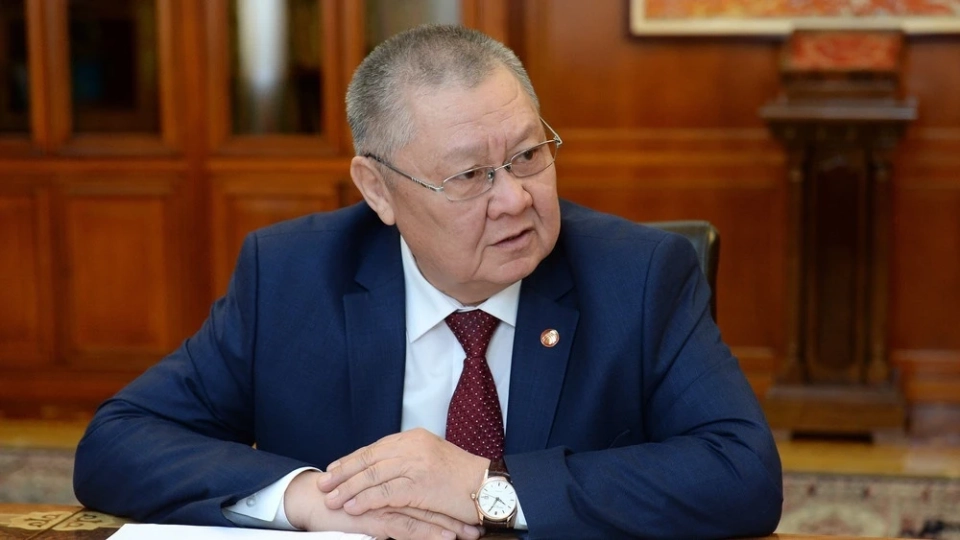
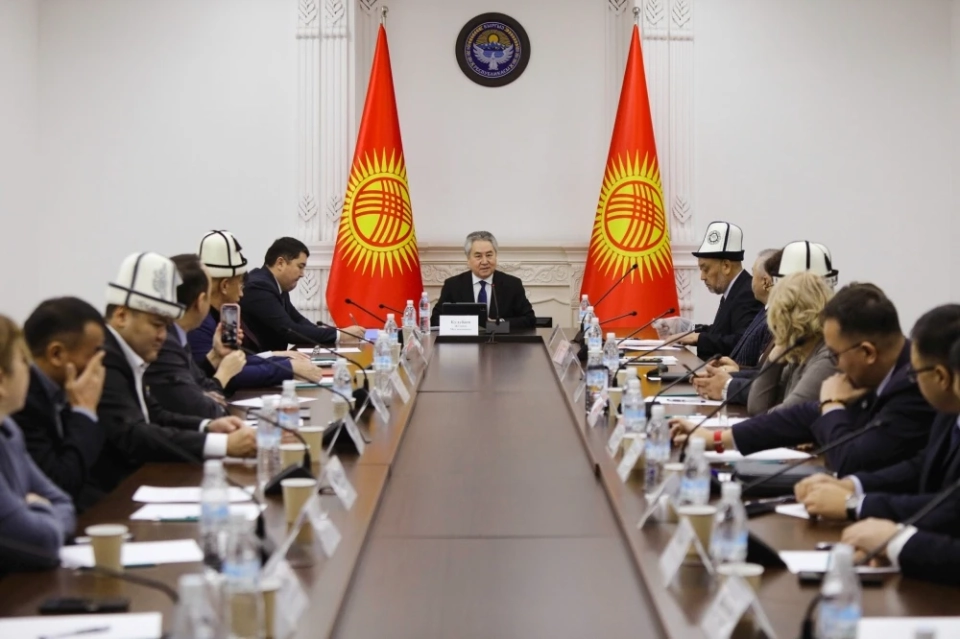
Political analysts shared their opinions on the most important events of 2025 and forecasts for 2026 with 24.kg.
Anuar Bakhtizhanov, political scientist (Kazakhstan):
— Central Asia entered a new phase of "maturation" in 2025. The region has ceased to be a backdrop for external decisions and has become an arena where countries learn to raise their value. This is evident from active contacts with the EU, the USA, and China, as well as the cautious approach of Central Asian states in foreign policy matters.
Within the region, there is a shift from emotional reactions to pragmatism. Issues of borders, water resource distribution, and logistics are now being resolved more on the basis of cold calculation than ideological positions. Central Asia is choosing the path of consolidation, agreeing to beneficial deals and minimizing risks.
The political situation has become more manageable and closed. Authorities strive for predictability and control, understanding that in conditions of global instability, investors value stability more than loud slogans. This narrows the space for public policy and increases caution regarding any internal conflicts.
If we analyze the situation in the countries of the region, it looks as follows:
- Kazakhstan has become an important guarantor of stability in Central Asia, emphasizing predictability and institutional rules. Externally, the republic maintains a balance, while internally it controls processes and conducts cautious reforms.
- Uzbekistan continues to focus on economic opening, but has become more cautious in its actions. Tashkent has started to experiment less and consider risks more, positioning itself as the industrial and demographic center of the region.
Kyrgyzstan has undergone a political "assembly." Strengthening the vertical of power and changing the rules of the game have reduced chaos, but have also limited the space for political competition. In 2026, Bishkek will focus on manageability and external support rather than internal experiments.
Anuar Bakhtizhanov
- Tajikistan remains the most vulnerable in terms of security, especially due to the situation in Afghanistan. In 2025, Dushanbe focused on border protection and stability, and this priority will continue in 2026.
- Turkmenistan continues to follow its own path. Despite its closed nature, economic pragmatism is becoming more significant: interest in gas exports and infrastructure projects makes Ashgabat a more noticeable player than it seems at first glance.
The main forecast for 2026 is the strengthening of Central Asia's role as a resource-logistics hub.
The world is becoming increasingly fragmented, and the region finds itself at the center of new economic chains and corridors. This will bring investments and projects, but will also intensify competition from external players and pressure on internal institutions.
The geopolitical situation will not become less tense. On the contrary, it will become more complex, and the future will be determined by flexible coalitions rather than rigid blocks. Central Asia in 2026 will learn to act in new conditions—cautiously, pragmatically, and without illusions.
Nargiza Muratalieva, political scientist (Kyrgyzstan):
— In 2025, security issues came to the forefront again. Regional and local military conflicts, capable of escalating into global ones, as well as rising geopolitical tensions confirmed that the international system remains unstable, and mechanisms of deterrence and dialogue require renewal.
This year also became significant in terms of technological challenges. The active implementation of artificial intelligence and automation is already leading to changes in the global labor market, altering qualification requirements and intensifying technological competition. These processes directly affect migration issues, which are becoming more regulated and dependent on the economic and technological needs of host countries.
For Kyrgyzstan and Central Asia, 2025 was important in terms of regional dynamics. Significant agreements were reached between Kyrgyzstan, Uzbekistan, and Tajikistan regarding state borders, which resulted from years of negotiations and reduced conflict potential, creating a foundation for long-term stability.
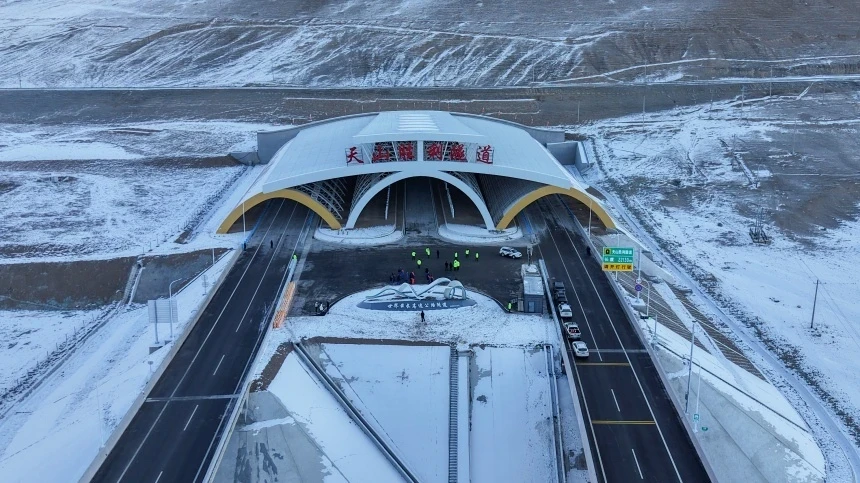
The year also demonstrated the possibility of advancing major multilateral infrastructure projects in Central Asia.
One significant step was the development of the railway
Climate and environmental issues also became relevant. Questions of climate change and deteriorating air quality are increasingly discussed at both public and political levels. Kyrgyzstan and other countries in the region face air pollution, water resource shortages, glacial melting, and growing climate risks, which require joint solutions.
Overall, 2025 showed that the development model of Central Asia, based on external aid and grants, is becoming less relevant. Global changes, from technological transformation to tightening migration policies, require states in the region to rely on their own potential and deepen cooperation.
Nargiza Muratalieva
Speaking of the future, one can expect that the world will move towards a more pragmatic reassessment, while maintaining global contradictions. For Central Asia, 2026 may be a time for the practical implementation of political agreements in areas such as economy, energy, and ecology. The ability of the countries in the region to adapt to new conditions and act in concert will be a key factor for resilience and successful development.
Farhad Mammadov, director of the South Caucasus Research Center (Azerbaijan):
— The outgoing year 2025 was significant for different regions of the world, shaping unique scenarios. For example, in the South Caucasus, a long-standing confrontation between Azerbaijan and Armenia came to an end, establishing a peace agenda. The signing of a joint declaration in Washington with the participation of President Donald Trump was an important step. The opening of transit through Azerbaijan to Armenia also marked an important milestone.
Civil society in both countries began to exchange visits, which is significant for establishing relations. Azerbaijan also began supplying gasoline and oil products to Armenia, laying the groundwork for peaceful cooperation that will develop in 2026.
For the first time in many years, there were no military actions and casualties in our region. There is increasing talk of peace. Azerbaijan became a full member of the Consultative Meetings of Central Asian leaders, which is an important milestone in the country's history.
Farhad Mammadov
Overall, the CSTO space will continue to develop its integration structures. Despite the challenging external conditions, we continue the process of strategic rapprochement, remaining an island of stability and peace.
In 2026, crises are expected in traditional integration projects, both military and economic, while internal integration within the CSTO will be on the rise.
Emil Juraev, expert (Kyrgyzstan):
— The year 2025 was a turning point and transformational. The return of Donald Trump to power set new rules for international relations. By the end of the year, the world had become more nationalistic and calculating, with a decrease in trust and an increase in selfishness.
The main questions that concern us are: "Will the moral and legal principles established after World War II be preserved?" and "Will these foundations be restored?" The destruction of basic principles has caused significant changes in the global system.
Emil Juraev
In Kyrgyzstan, 2025 continued the trends that began in 2021. Stability and progressive development are expected to persist in the coming year.
The elections to the Jogorku Kenesh were predictable, although economic risks for the country remain relevant. Despite high growth rates, experts express concerns about the potential overheating of the economy and inflation.
For Central Asia as a whole, 2025 was calm, and the region became an island of stability.
A key event was the signing of a border agreement between Kyrgyzstan and Tajikistan, which created a platform for development and cooperation in the Fergana Valley.
It is also worth noting Azerbaijan's entry into the regional format. Although integration is progressing slowly, interest and desire for cooperation remain, as evidenced by political rhetoric.
Temur Umarov, researcher at the Berlin Carnegie Center:
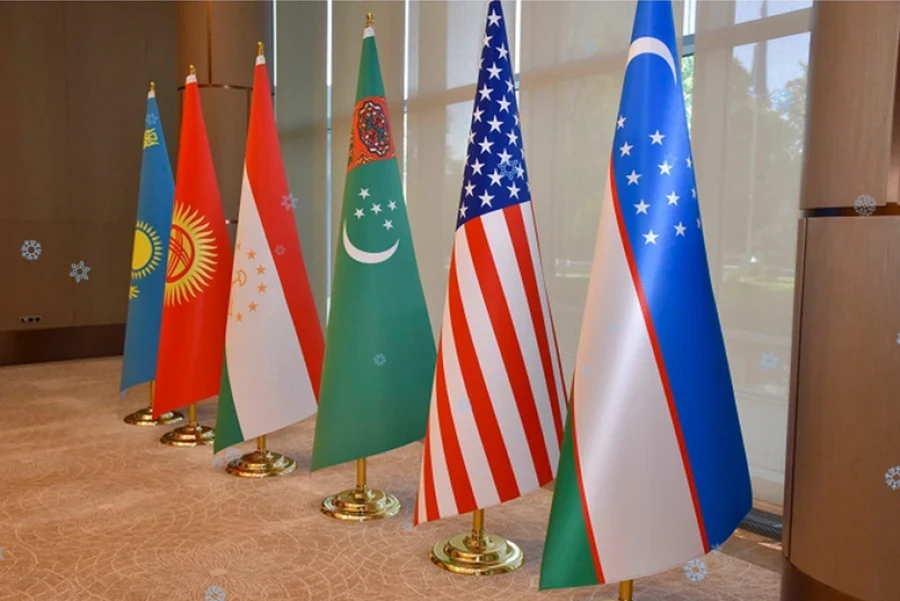
— Central Asia did not undergo radical changes in 2025; however, events occurred that allowed the region to demonstrate institutional unity. This was evident at the summits in Washington and the "C5+1" format meetings with other countries, including Japan.
The agreement between Kyrgyzstan and Tajikistan on the border, achieved with Uzbekistan's mediation, has put an end to territorial disputes in Central Asia, paving the way for further cooperation. Azerbaijan officially became a participant in the Consultative Meetings, strengthening fraternal ties.
However, we also observe a deterioration of previous problems, including authoritarian tendencies, as seen in the recent elections in Kyrgyzstan, as well as environmental issues that may escalate into political ones in the future.
In 2026, the continuation of current trends is expected. In Kyrgyzstan, preparations for the presidential elections in 2027 will begin, and the end of the year will be influenced by them, which may affect relations between key political figures. Other countries in the region will also experience significant events related to political stability and internal processes.
P.S. The year 2025 was also marked by the return of Donald Trump to the White House, which was a shock for the liberal establishment. His inauguration and promises resonated, but many experts believe this is merely a theatrical effect without real impact on international relations.