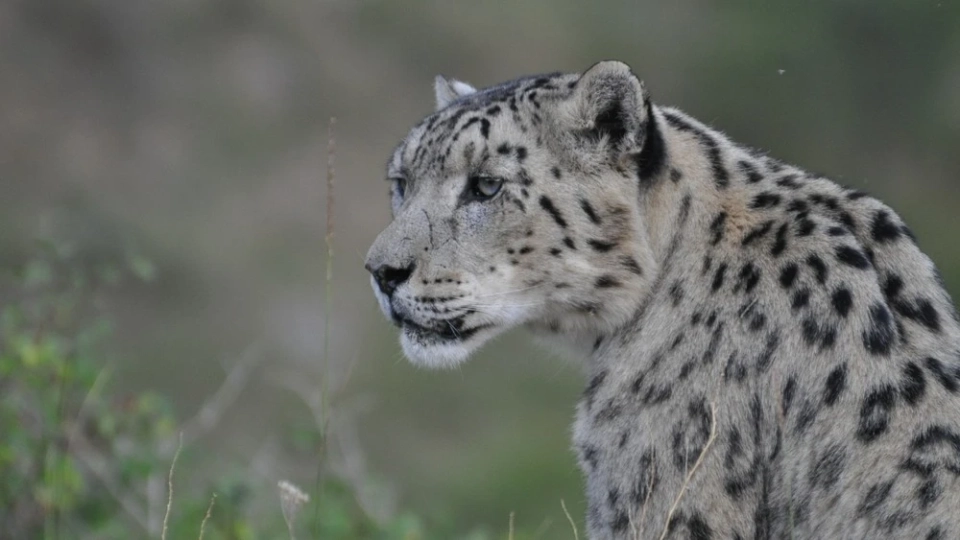
The symbolism of the snow leopard, which could have remained just a beautiful gesture, unexpectedly turned out to be deeper than it seems at first glance. Since October 23, 2024, the world officially celebrates International Snow Leopard Day, and in 2025, the image of this rare predator adorned the main page of Google. The initiative belongs to the Kyrgyz Republic, highlighting the changing perception of the country as an active participant in international politics.
Analyzing the documents presented by the Ministry of Foreign Affairs of Kyrgyzstan, one can see that the snow leopard symbolizes something more than just a decorative element. It has become part of a broader strategy in which ecology, mountain values, and sustainable development serve as a universal language for international communication. In the face of growing climate challenges and threats to biodiversity, this approach proves to be more effective than standard political discussions.
Kyrgyzstan, acting within this logic, does not engage in conflicts but offers topics for dialogue, which is important for a country with limited resources and a vibrant natural identity.
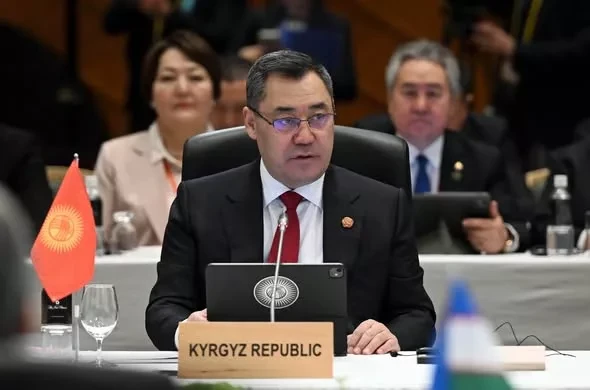
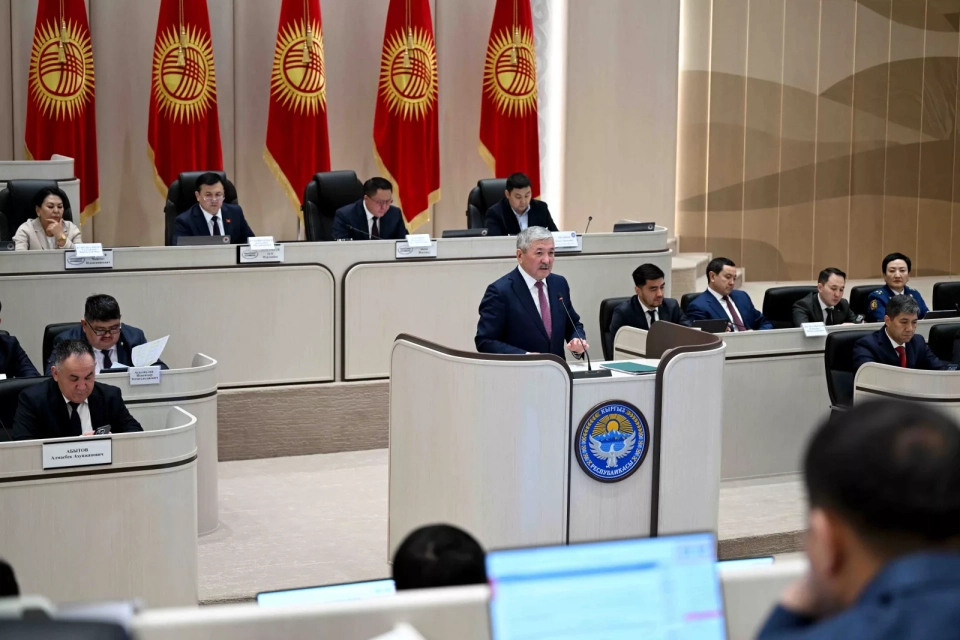
The year 2024 was particularly active in the diplomatic sphere. According to data from the Ministry of Foreign Affairs of the Kyrgyz Republic, around 150 international events and visits were organized at the level of the president, the speaker of the Jogorku Kenesh, and the prime minister. Kyrgyzstan hosted delegations from other countries, and its representatives actively worked abroad. Although such figures are impressive, what is far more important is that diplomatic activity became substantive, accompanied by concrete initiatives in the fields of economy, ecology, and humanitarian aid.
The geography of international contacts expanded: attention was drawn not only to neighbors but also to countries in Europe, the Middle East, and Asia. Strong ties were established with Kazakhstan, Turkey, Uzbekistan, Hungary, South Korea, and other EU states. This did not appear as a sharp turn towards one country, but rather as a careful preservation of maneuverability in international politics, particularly emphasizing the multi-vector approach that has long been discussed in Bishkek but which took on real forms in 2024.
Moreover, Kyrgyzstan quietly strengthened its presence within the UN. The election of a vice-president for the 79th session of the General Assembly and work in various organs of the organization is part of diplomacy that is rarely discussed publicly but shapes long-term connections and influence. The initiative for International Snow Leopard Day, supported by the UN General Assembly, also fits into this strategy.
The economic component of foreign policy during this period was no less significant. In 2024, the Ministry of Foreign Affairs of the Kyrgyz Republic signed agreements with international financial institutions, as well as investment and export contracts worth billions of dollars. These figures reflect a pragmatic approach in which foreign policy becomes a tool for developing the economy and business within the country, which is particularly important for attracting investments.
The year 2025 added a new dimension—results. The signing of the Treaty on the Kyrgyz-Tajik border became a significant event, concerning not only diplomatic protocol but also issues of security and trust both within the country and from international partners. Resolving border issues through political agreements is rare for the region and is the result of many years of efforts.
At the same time, Kyrgyzstan chaired the Organization of Turkic States and the CSTO, opened its first embassy in Africa in Ethiopia, and expanded its diplomatic presence in 13 new countries. These steps were not aimed at creating a loud effect but were a gradual expansion of influence in regions where it was virtually absent. Such an approach, while not yielding quick results, always works for the future.
The humanitarian component of foreign policy also deserves attention. Consular services, evacuations, repatriations, and the digitization of services are aspects of diplomacy that citizens directly feel. More than 900,000 consular actions per year is not just a statistic but real human stories and crises that the state faces daily.
In conclusion, it can be said that in 2024–2025, Kyrgyzstan gradually moved away from the role of a reactive participant in international politics. The country began to shape its agenda without sharp statements and ostentatious activity. The story of the snow leopard serves not as an ornament but as a marker of the approach: to use available resources to create a calm and sustainable dialogue with the world.