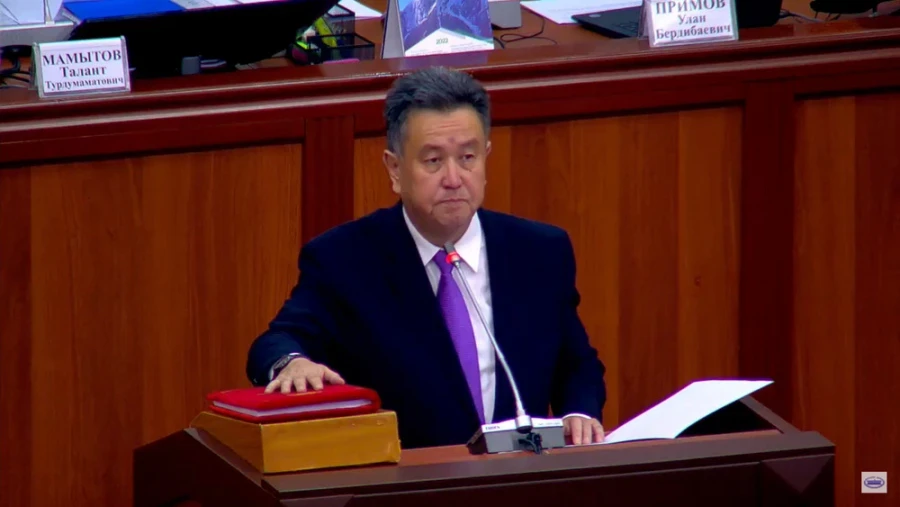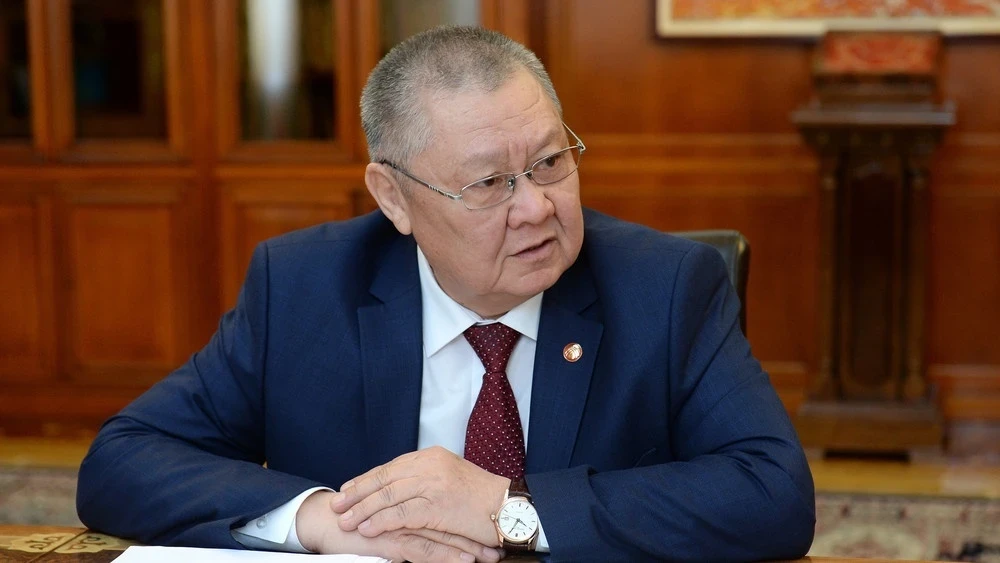
Tokon Mamytov, who previously held the position of Deputy Head of the State National Security Committee and headed the Border Service of Kyrgyzstan, recently shared in an interview with NOMAD TV how the events in Batken in 1999-2000 were a consequence of deep changes caused by the collapse of the Soviet Union, the loss of ideological foundations, and the unpreparedness of borders for new conditions.
According to Mamytov, the security threat in the south of the country began to form long before the Batken events. They were preceded by events in Namangan, after which some radical groups were displaced and concentrated in border areas, including Tavil'dar. The ideological vacuum that arose after the collapse of the Union was exploited by extremists and terrorists acting under religious slogans.
Discussing the activities of the special services at that time, Mamytov noted that information about potential threats came through both internal channels and from foreign partners. However, coordination and data exchange between the intelligence services of the countries in the region remained insufficient. Often, the information was fragmented and required additional verification, which complicated timely decision-making.
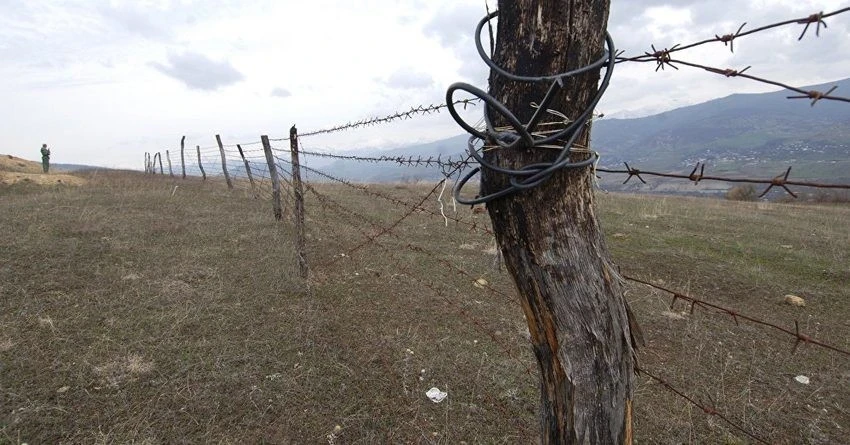
He emphasized that transforming borders into internationally recognized state boundaries is a long and complex process that requires mutual agreements. Mamytov pointed out that international law prohibits unilateral border establishment, which often prolongs negotiations between states for decades.
“Imagine a situation where the border is not agreed upon, while international norms require bilateral agreement. No organization, including the UN or OSCE, has the right to intervene. If states cannot reach an agreement, sometimes a third-party arbitrator is involved, which can also negatively affect the country's image. Therefore, it is important that the current authorities of Kyrgyzstan have been able to establish dialogue with Uzbekistan and Tajikistan without relying on international structures,” he noted.
When asked about James Bond, Mamytov replied: “He is not a hero. In the special services, we are taught: when there is shooting and chases, that’s a failing grade for the operation. You can exit the game. Therefore, for intelligence officers, Bond is not a hero, but for children and civilians, he is an entertaining character.”