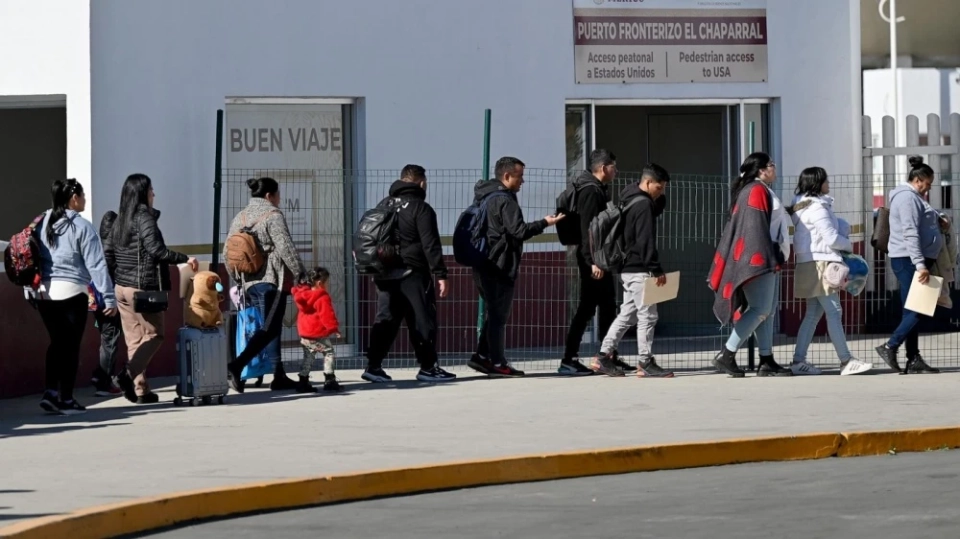
The Diversity Immigrant Visa program, known as the Green Card lottery, provides the opportunity to obtain up to 50,000 immigration visas annually. It was established by the U.S. Congress in 1990 to increase the diversity of immigrants by allocating visas to countries with low immigration rates to the U.S. Each year, about 20 million people apply, and approximately 50,000 to 55,000 winners are randomly selected. However, no more than 7% of the total number (around 3,500 visas) can be allocated to any one country. Participants must have a high school education or relevant work experience. However, even winning does not guarantee automatic visa issuance: selected candidates undergo background checks, provide documentation, attend interviews, and must obtain their visas by the end of the fiscal year (by September 30), or else their win will be voided.
For many, the DV Lottery program has become the only opportunity for legal immigration to the U.S. without the need for a sponsor. It has granted green cards to tens of thousands of people from various countries, including Kyrgyzstan. However, the lottery has repeatedly become a subject of political debate. During his first term, President Trump criticized the "Green Card lottery," calling its selection system ineffective. In 2017, he called for the abolition of the DV Lottery, claiming it gives a chance to the "worst of the worst" immigrants, especially after the terrorist attack in New York carried out by a person who obtained a visa through this program.
Suspension of the Lottery in 2025
The situation changed in the fall of 2025 when a scandal forced the DV Lottery to be suspended. In December, a horrific crime occurred: an attack took place on the campus of Brown University, resulting in the deaths of two students and injuries to nine others. Later, the perpetrator killed an MIT professor and committed suicide during his arrest. The killer, 48-year-old Portuguese Claudio Neves Valente, obtained a green card through the Diversity Visa lottery in 2017, during Trump's first term, which drew the attention of authorities.On December 18, 2025, Secretary of Homeland Security (DHS) Kristi Noem announced the temporary suspension of the DV Lottery program.
“At the direction of President Trump, I am instructing USCIS to immediately suspend the DV1 program so that no American suffers from this catastrophic lottery,” Noem wrote on social media platform X (formerly Twitter).
She described the shooter as “a disgusting individual who should never have been in our country.” The administration assured that the crime would not have occurred if it weren’t for the lottery program that allowed him to immigrate.
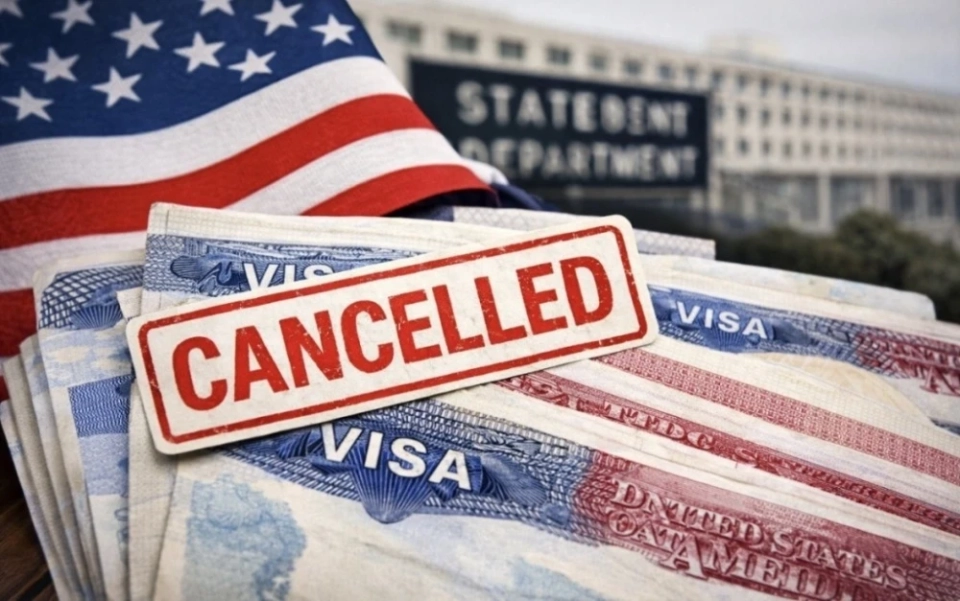
The U.S. State Department clarified in its official statement that the issuance of all visas under the DV program was temporarily suspended due to concerns raised by the shooting at Brown University and the murder of the MIT professor, allegedly committed by an individual who entered the U.S. through the DV Lottery. Authorities noted that the pause was necessary to review the selection and security procedures for program participants, including identity verification methods and eligibility criteria.
Critics accuse the administration of manipulating public fears. American human rights advocates and immigration lawyers emphasize that linking the actions of an individual immigrant to the lottery itself is inappropriate. Mass shootings in the country are primarily committed by non-immigrants, and abolishing the DV Lottery will not prevent such tragedies.
“The diversity program is not the cause of the tragedy, and its suspension will not bring back the victims,” said attorney David Keller, accusing the administration of inciting anti-immigrant sentiments.
The President's Authority to Suspend the Program
The question of whether the U.S. president has the right to suspend the Green Card lottery remains open. The program is enshrined in immigration law, and only Congress can formally change or abolish it through amendments. However, the Trump administration chose the path of executive action, directing a "suspension" of the program under the pretext of national security.The White House is evidently relying on precedents where the president has broad powers in immigration matters if he determines that the entry of certain categories of individuals is "detrimental to the interests of the U.S." (as stated in Section 212(f) of the Immigration and Nationality Act). Trump previously imposed entry bans from several countries. In the case of the DV Lottery, the approach differs: government agencies simply do not conduct a new application round and do not issue visas for already conducted lotteries, citing the need to review processes. The State Department has not announced a complete cancellation of the program but speaks of a temporary suspension without established timelines. This process is referred to as an "administrative pause," which does not nullify the law but slows its implementation.
American lawyers note that the authorities' actions contradict the spirit of the law and predict legal disputes. Immigration attorneys are already calling what has happened an illegal "sabotage" of the immigration system and are preparing lawsuits. For example, a coalition of law firms, IMMpact Litigation, announced in December that it would file a class action lawsuit on behalf of individuals harmed by the suspension of the DV Lottery and related measures. Human rights advocates intend to prove that the executive branch has overstepped its authority by effectively canceling the program approved by Congress. A similar situation arose in 2020 when Trump attempted to temporarily suspend the entry of DV Lottery winners due to the pandemic, but a federal judge ordered the State Department to resume visa issuance, citing violations of applicants' rights. Although the final ruling did not extend the visa issuance deadlines, the precedent showed that the court could side with immigrants.
American lawyers believe that the administration currently has a weak legal position: the DV Lottery is still part of the existing law, and its freezing indefinitely without Congressional approval is vulnerable to judicial review. As of the beginning of 2026, there were no known court rulings regarding this suspension, but collective lawsuits from human rights organizations are expected. Judges will have to decide whether the president can suspend the issuance of legally prescribed visas for security or economic burden reasons. The legal perspective of such orders raises doubts, especially if plaintiffs can prove that a political agenda is being implemented under the guise of security without a real threat.
The Future of the DV Lottery in 2026 and 2027
The suspension of the program has led to significant uncertainty among millions of potential immigrants. The fall lottery for DV-2027, scheduled for 2025, did not take place on time. Normally, the application period occurs in October-November; however, the State Department announced on November 5, 2025, that the start of the application process was postponed indefinitely due to necessary changes. It was expected that the application round would occur later, and the results would be announced later than usual. However, a month later, the program was put on "pause," leaving the future of DV-2027 in question. As of the beginning of 2026, there had been no official information about the cancellation of DV-2027, but no dates for the lottery had been set. State Department representatives only confirm that new lotteries are not currently planned, meaning that DV-2027 is unlikely to take place unless a court ruling or a new political situation leads to the resumption of the program.The Situation with Winners
The issue also affects winners of previous lotteries. Winners of DV-2025 (applications submitted in the fall of 2023, results announced in the spring of 2024) were supposed to receive visas by September 2025. Winners of DV-2026 (applications submitted in the fall of 2024, results announced in May 2025) faced difficulties as they were in the process of preparing documents by the end of 2025, and many were waiting for interviews or visa approvals. Now, the State Department has stated that while applications can continue to be submitted and interviews can be conducted, the issuance of DV visas is temporarily suspended until further notice. Consulates are not canceling scheduled interviews, but as a result, individuals receive denials or information about the suspension of visas. No exceptions are provided, even in emergency cases. However, issued visas remain valid, and if someone has a valid immigration visa, it remains in effect. There is a risk that entry on this visa may not be possible, but there is currently no direct ban on entry with a DV visa.For current winners of DV-2026, the pause may result in a missed opportunity: according to the law, they must immigrate by September 30, 2026. If visas are not issued by that date, their win will be voided. Immigration organizations may attempt to seek extensions or mandates to issue visas through the courts, but there are no guarantees of success.
What Will Happen to the Lottery in Fall 2026? The future of DV-2028 (applications in 2026 with immigration in 2028) also remains uncertain. If the current administration maintains its course, the DV lottery is unlikely to take place in the fall of 2026. The State Department has not made any official statements regarding DV-2028. Moreover, since the pause has been declared "indefinite," there will be no new lotteries until either Trump changes his position (which is unlikely), the courts intervene, or the leadership of the U.S. changes. Currently, the DV Lottery is in a state of freeze, although the legislative framework for it remains. Interestingly, even while suspending the program, the State Department warns about scammers: U.S. embassies in various countries report that any statements about the application round for DV-2027 are false and urge citizens not to fall for scams until official announcements about the resumption of the lottery are made.
Freeze on Immigration Visas from January 21, 2026
While thousands of DV Lottery winners are in uncertainty, the administration has announced another step against legal immigration. Starting January 21, 2026, the U.S. will suspend the processing of any immigration visas for citizens of 75 countries. The State Department announced this on January 14, 2026, citing a tightening of policies against immigrants who may become a burden on the budget. The long list includes countries from Africa, Asia, the Middle East, Latin America, and the post-Soviet space.The new moratorium implies that consulates are prohibited from issuing immigration visas to applicants from these 75 countries until an updated screening system is implemented. According to the State Department, consular officers have been instructed to deny immigration visas starting January 21 and to postpone the consideration of new cases. The official reason is concerns that these foreigners may become a financial burden on the U.S. by utilizing benefits.
“The Trump administration will end the abuse of the immigration system by those who want to live off the American people,” the State Department's official statement reads.
It is noted that the pause will last until the selection procedures are reviewed and additional filters against potential benefit recipients are introduced. The ban does not affect non-immigrant (temporary) visas – tourists, students, and temporary workers from these countries can still apply for temporary visas.
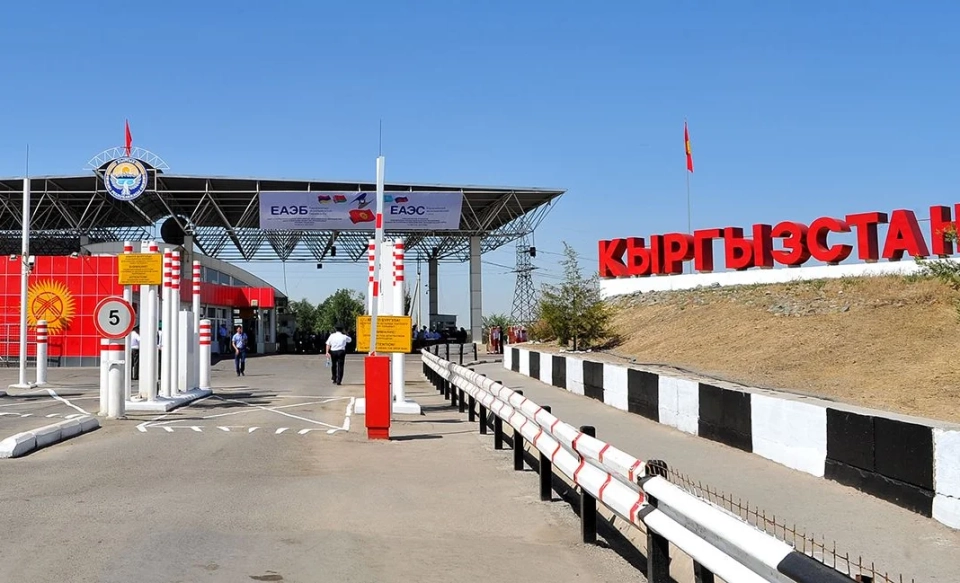
It is important to note that this "ban" by country does not equate to a prohibition on participating in the lottery. A country's participation in the DV Lottery is determined by legislation and immigration statistics (for example, countries from which more than 50,000 immigrants have arrived in the last five years are excluded from the next lottery). Previously, Kyrgyzstan met these criteria and consistently appeared on the list of eligible countries. The introduction of restrictions is not related to the lottery rules but concerns overall visa policy: U.S. consulates are temporarily not issuing immigration visas to citizens of Kyrgyzstan and other countries listed, regardless of the basis for the application. Therefore, even if the DV Lottery is resumed, obtaining a visa before the moratorium is lifted will be impossible. At the same time, while the DV Lottery is on pause, the question of countries' participation remains theoretical.
The new rule is already being referred to as an "immigration ban," comparable in scale to Trump's initial orders in 2017. However, the difference is that the focus is now not only on security but also on economic criteria, which effectively leads to a property-based census. The primary impact is on less affluent countries, and the decision itself contradicts the spirit of the American system.