In the context of global economic instability and the resurgence of inflation, the period from 2025 to 2026 becomes critically important for investors who must seriously consider how to protect their assets from depreciation. In Kyrgyzstan, especially in Bishkek, there is a gradual shift of financial flows from traditional investment instruments to assets with real and sustainable value, among which real estate plays a strategically important role. This raises the pertinent question: which investment channels truly work in conditions of economic volatility and rising inflationary pressure?
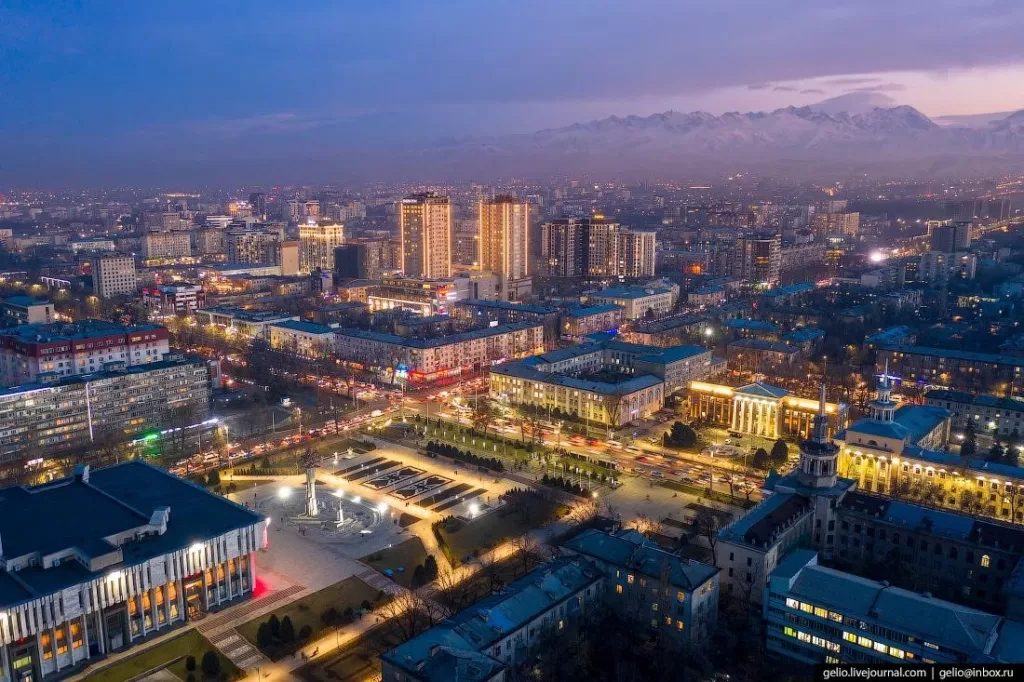
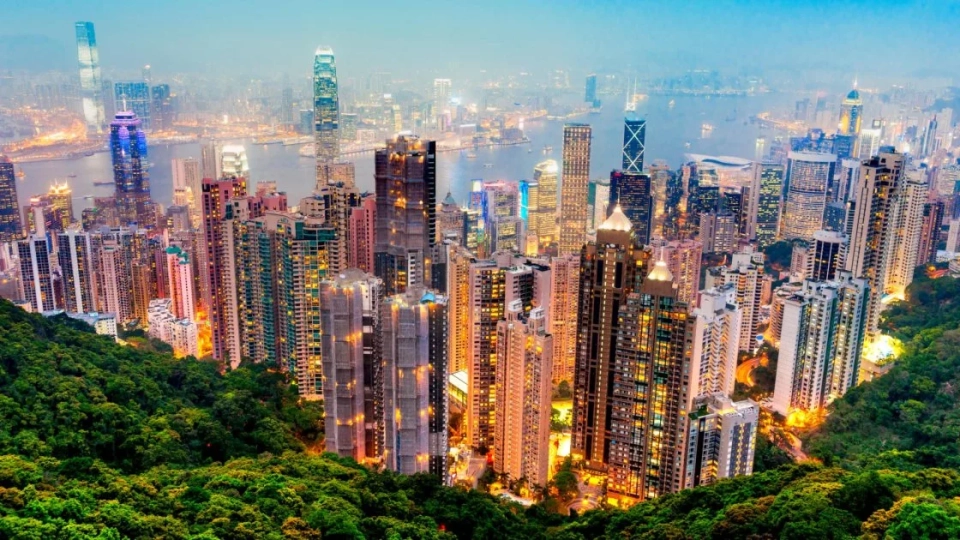
Bishkek is the capital of Kyrgyzstan.
Investments in Kyrgyzstan 2025–2026: from deposits to real estate — what strategy to choose?
In Kyrgyzstan, traditional investment instruments such as bank deposits, securities, foreign currency, and gold are beginning to lose their appeal. In particular, bank deposits show low real returns, as interest rates do not keep pace with inflation, increasing the risk of depreciation of funds and making such investments less effective for capital preservation. Despite their liquidity, this instrument does not provide stable long-term asset value growth.
The securities market in Kyrgyzstan remains comparatively less attractive, characterized by limited scale, low liquidity, and high volatility. This requires investors to have significant experience and a willingness to take on increased risks. Foreign currency and gold, traditionally used for hedging and short-term value preservation, do not guarantee sustainable capital growth and only provide protective returns (World Bank, ECA Economic Update).
Globally, including in Bishkek, there is a trend where real estate demonstrates a clear advantage in preserving and increasing value compared to traditional financial instruments. For example, in Moscow, wealthy investors are actively investing in elite real estate, where prices rose by more than 20% in 2024, making this segment one of the most reliable ways to protect capital against the backdrop of a weakening ruble and high inflation (according to NF Group, formerly Knight Frank Russia).
A similar situation is observed in Dubai (UAE), where the real estate market continues to attract international investors due to tax incentives, price growth potential, and high rental yields. In many areas, rental yields exceed those of bank deposits, making real estate more attractive for investment (DarGlobal). These examples highlight that in conditions where traditional monetary instruments cannot guarantee capital preservation, real estate becomes a priority choice for investors focused on a long-term strategy.
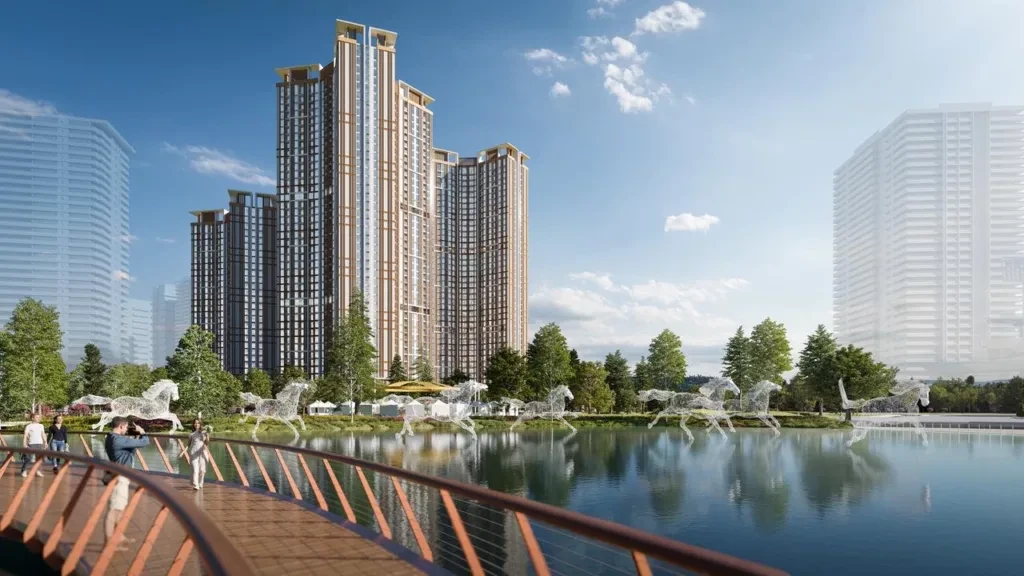
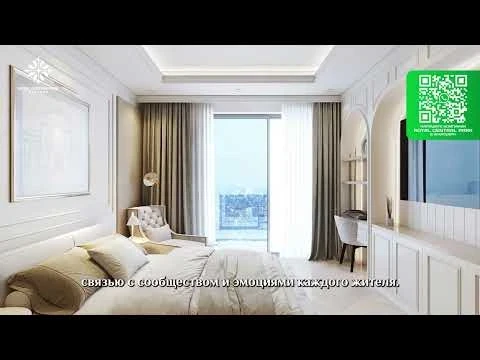
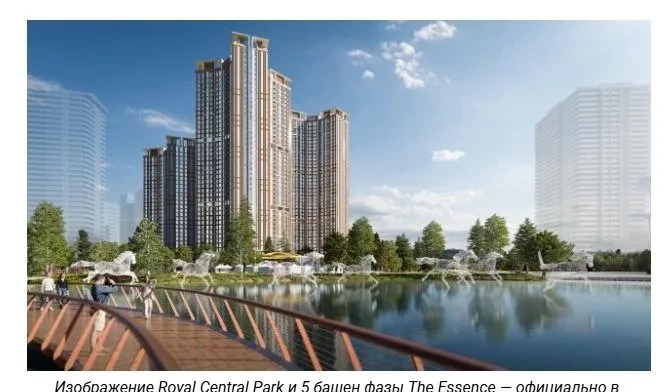
Royal Central Park and 5 towers of The Essence phase — officially on sale from January 2026.
Why is real estate becoming an important tool for capital preservation in conditions of economic instability?
Real estate is considered not only a relatively safe investment instrument but also a source of stable long-term income. As OECD studies show, the real estate market in developing economies has low correlation with short-term financial fluctuations and typically demonstrates price growth in line with inflationary processes and urbanization, thereby preserving the purchasing power of long-term capital.
In rapidly developing cities like Bishkek, real estate serves as a "store of value," providing a stable cash flow from rentals and increasing its value in accordance with the urban development cycle (World Bank). In particular, in 2024–2025, the average price of apartments in Bishkek increased by 30–35%, outpacing the growth rate of household incomes and the inflation rate during the same period, highlighting the protective role of real estate in conditions of economic instability (National Bank of the Kyrgyz Republic).
In highly urbanized cities, the growth of housing prices typically exceeds the inflation rate by 1.5–2 times over a 5–10 year horizon (OECD). In locations with population growth rates exceeding 2% per year, the total return on real estate investments, considering both price growth and rental income, can reach 8–12% per year, significantly exceeding the returns of bank deposits and many traditional financial instruments (World Bank).
Bishkek — a promising destination for forward-thinking investors
Bishkek is gradually becoming one of the most attractive investment destinations due to high demand for housing, limited supply, and active development of urban infrastructure. In 2025, prices for residential real estate in the capital rose by more than 30%, but remain 30–40% lower than in major cities in the region, such as Almaty and Astana, creating significant potential for further price growth. According to the World Bank, cities with population growth rates exceeding 2% per year and limited housing supply typically show real estate price growth exceeding regional averages by 1.3–1.6 times. Furthermore, the European Bank for Reconstruction and Development (EBRD) assesses Kyrgyzstan as a market with a low entry threshold and untapped price growth potential, making it particularly attractive for long-term investments.
The development of infrastructure and urban planning policies in Bishkek is aimed at maintaining sustainable growth. By 2030, a concept for modernizing transport infrastructure will be implemented, which includes reducing transport loads, increasing capacity, and expanding urban areas. Projects for expanding the road network, building bridges and interchanges, implementing automated traffic management systems, as well as developing social infrastructure create a solid foundation for new residential neighborhoods. At the same time, the implementation of key projects — multifunctional centers and public space upgrades — contributes to attracting foreign direct investment from Central Asian countries, renewing the urban landscape, and improving the quality of life for residents.
2025–2026: investments as a tool for asset preservation
In the long term, Kyrgyzstan has a favorable demographic structure with a predominance of young people, rapid urbanization, and an open economic policy, which creates sustainable demand for housing, services, and urban infrastructure in Bishkek. Programs for modernizing the transport system, expanding urban areas, and investing in engineering infrastructure until 2030 continue to strengthen the capital's position as a leading market for investors focused on long-term asset accumulation.
The period of 2025–2026 becomes a time when investments are viewed not only as a means of generating short-term profits but also as a means of preserving and increasing asset value in the medium and long term. An analysis of investment opportunities in Kyrgyzstan shows that the real estate market in Bishkek combines factors that provide reliable capital protection: high real demand for housing, limited supply, prices that remain below regional averages, as well as sustainable growth drivers related to urbanization, infrastructure development, and foreign investment inflows.
Data from the National Bank of the Kyrgyz Republic, the World Bank, and the European Bank for Reconstruction and Development confirm that in rapidly developing cities, real estate not only preserves the value of funds in conditions of inflationary pressure but also creates potential for sustainable price growth within urban development cycles. In conditions of uncertainty in the regional and global economy, choosing markets that are in the leading stage of the cycle, such as Bishkek, reflects a measured and forward-thinking approach to investments — a pursuit of returns and strategic asset protection.
Real estate in Bishkek, Kyrgyzstan, compared to traditional currency channels, demonstrates clear advantages in terms of value preservation and ensuring stable growth. Given the high real demand for housing, limited supply, actively developing infrastructure, and stable population growth, this type of investment becomes a strategic choice for those aiming for long-term profits with controlled risks, as evidenced by the experiences of international markets such as Moscow and Dubai.
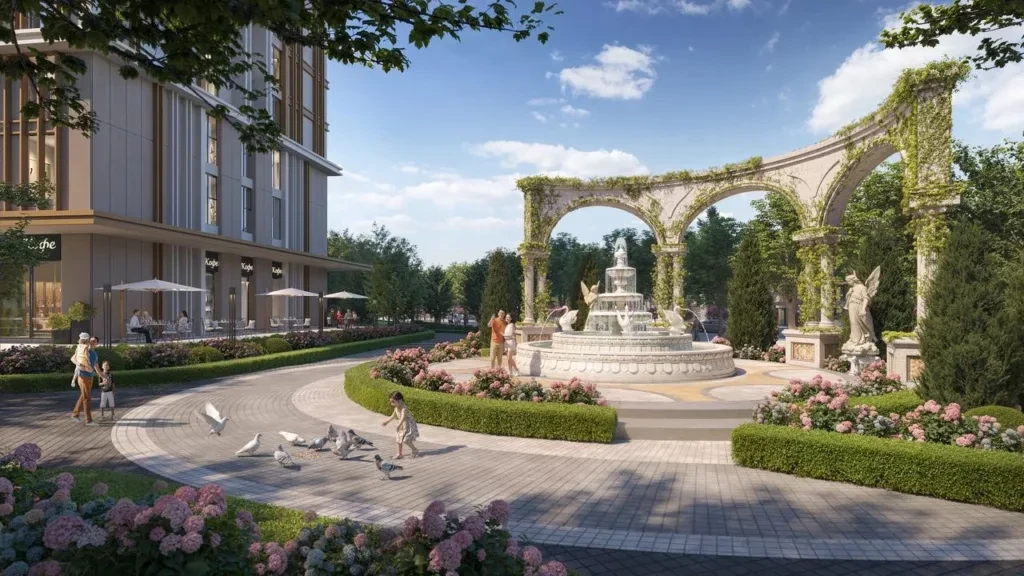
Image of European architecture of The Essence phase — on sale from January 2026.
From January 13, 2026, to March 31, 2026, the Royal Central Park project officially opens sales of the Y3 tower of The Essence residential cluster with the most attractive conditions for investors and future owners.
Information about The Essence residential cluster:
- Cluster area of The Essence: 39,264 m2
- Urban planning concept: 5 residential towers, including 3 towers of 29 floors and 2 towers of 42 floors
- Commercial podium: 3 floors
- Underground parking: 2 levels
- Internal amenities: 5 themed gardens, children's play area, commercial podium, gym, panoramic garden for relaxation at height.
An attractive prize draw program, designed exclusively for clients who successfully complete a transaction for the purchase of an apartment in RCP, includes: 01 electric car worth 1,500,000 KGS, 01 electric car worth 909,090 KGS, as well as dozens of other valuable prizes. The total value of the prize fund reaches 2.9 million KGS.
Discover Royal Central Park with the concept of “city within city” — the first all-in-one urban complex in Bishkek:
Royal Central Park — the first symbol of a happy urban space in Bishkek.