According to the current law "On Elections of the President and Deputies of the Jogorku Kenesh," "no one has the right to influence citizens with the aim of coercing them to participate or not participate in elections, as well as to influence their free will."
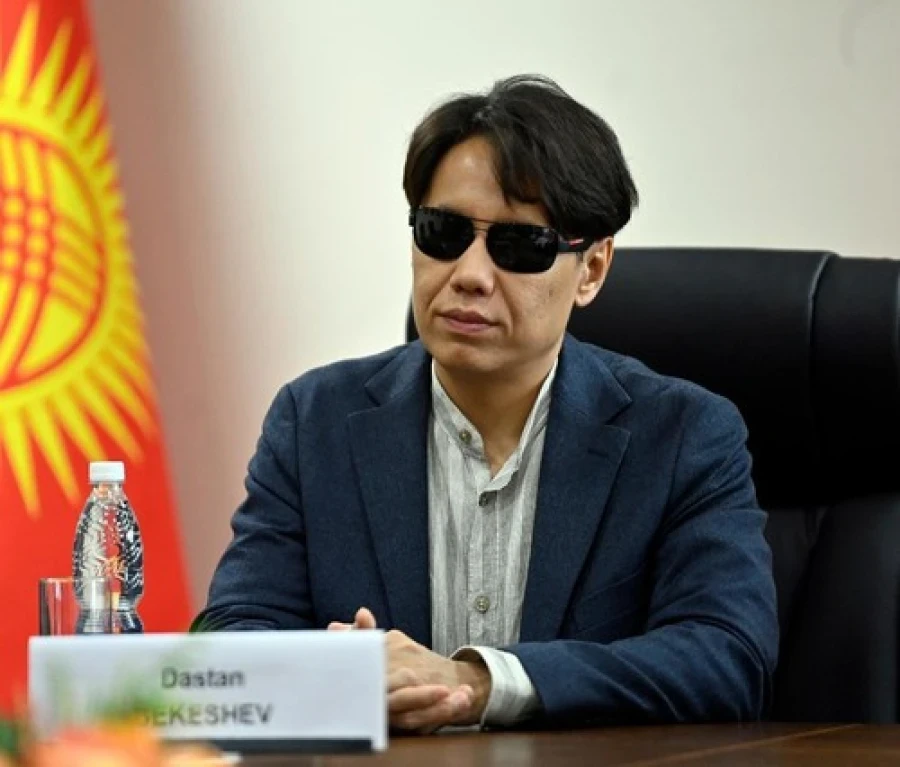
Mamataliyev proposes to change this provision to: "no one has the right to exert illegal influence on the free will of citizens in elections," while clarifying in the draft law the permissible methods of influence.
If the deputy's initiative is adopted, a new article "Obligation to Participate in Voting" will appear in the legislation, which will require citizens to personally participate in elections.
At the same time, the draft law contains a list of valid reasons for not appearing to vote. These include:
- persons with disabilities;
- people over 70 years old;
- citizens who are abroad on election day;
- individuals who cannot appear at the polling station due to natural disasters, serious illness, or other valid reasons documented;
- military personnel serving in remote areas, as well as law enforcement officers working on election day, and voters engaged in enterprises with continuous work cycles.
Some of these categories of citizens will be required to provide documents to their electoral commission within 10 working days after the elections, confirming the validity of their reasons for not appearing.
In case of violation of their obligations, citizens will receive a warning from the Central Election Commission (CEC) for the first violation, a fine for the second, and for systematic violations (three or more), there may be a loss of the right to participate in elective positions and public service for up to five years:
- to nominate candidates for elective positions;
- to hold positions in state and municipal bodies.
The amounts of the fines are not specified in the proposal.
It is also proposed to supplement the article on the voting procedure with a clause on issuing vouchers to voters for participation in a state lottery along with ballots. The responsibility for organizing the lottery is assigned to the Central Election Commission.
In addition to this initiative, the draft law includes benefits for participants in the voting process. The Cabinet of Ministers is to determine what specific benefits will be provided, and the document states that the state may establish incentives for active voters, such as:
- discounts on payment for state and municipal services;
- additional points when enrolling in the reserve of civil service personnel.
Similar provisions regarding obligations and incentives are planned to be included in the Law "On Referendums."
Constitutional Contradictions
This initiative, which is currently under discussion, has already raised many questions and criticism. The main one is: does mandatory voting contradict the Constitution of the country?Lawyer Nurbek Toktakunov unequivocally asserts that fines for non-participation in voting contradict the Constitution.
“Participation in elections is a moral obligation of citizens. I have repeatedly emphasized the importance of voting, but forcing people under the threat of a fine is a violation of the Constitution. Voting is a personal matter for each citizen. It can be their form of protest,” he noted.
Toktakunov also added that while the introduction of fines may increase turnout, it is unclear how those who come under pressure will vote.
The deputy Mamataliyev himself does not deny the existence of contradictions in his draft law, but emphasizes the need to increase voter turnout. He proposes an approach of "carrot and stick," which combines both incentives and penalties.
“I understand that the provision on fines and mandatory voting contradicts the Constitution. This is still just a draft for discussion, and if society supports the initiative, I may propose to amend the Constitution as well. If not, we can remove this provision. I am not insisting on the introduction of fines,” the deputy explained.
He believes that many citizens do not want to participate in voting due to distrust in the system, believing that their vote does not matter. Mamataliyev noted that the situation has changed, and administrative resources or ballot rigging in elections are no longer used. Voters should understand that "their future is in their hands" and participate more actively in voting.
Nevertheless, voters point out that the issue is not only about "dishonest elections," but also about general distrust in the parliament. Many believe that deputies do not have real power in solving state issues, so it does not matter to them who will be in the Jogorku Kenesh.
How will turnout be monitored?
The draft law imposes additional responsibilities on the Central Election Commission, which must monitor voter turnout, identify those who did not come to the elections, and send warnings to those who did not exercise their right, while clarifying the presence of valid reasons.Moreover, it is still unclear who will impose fines on those who do not appear for elections again.
The developer of the draft law believes that there will be no technical problems.
“This will not be difficult; we can easily compile a list of who came to the elections and who did not. The CEC database will indicate who voted, who did not come once, and who did not come twice. This data will be forwarded to other bodies for decision-making,” he added.
CEC member Kairat Mamatov supports Mamataliyev's opinion, noting that the commission has already achieved technological progress and will be able to meet the requirements of the draft law if it is adopted.
However, he also opposes the introduction of fines and believes that turnout should be increased by other means.
“I believe that only positive measures should be used, such as lotteries and incentives. I know that my colleagues from the CEC share this opinion. We discussed similar initiatives earlier, and everyone was against them. Voters need to be motivated, and control can lead to negative consequences,” Mamatov emphasized.
He also expressed concern that the introduction of fines could lead to more people voting "against all," which may require repeat elections.
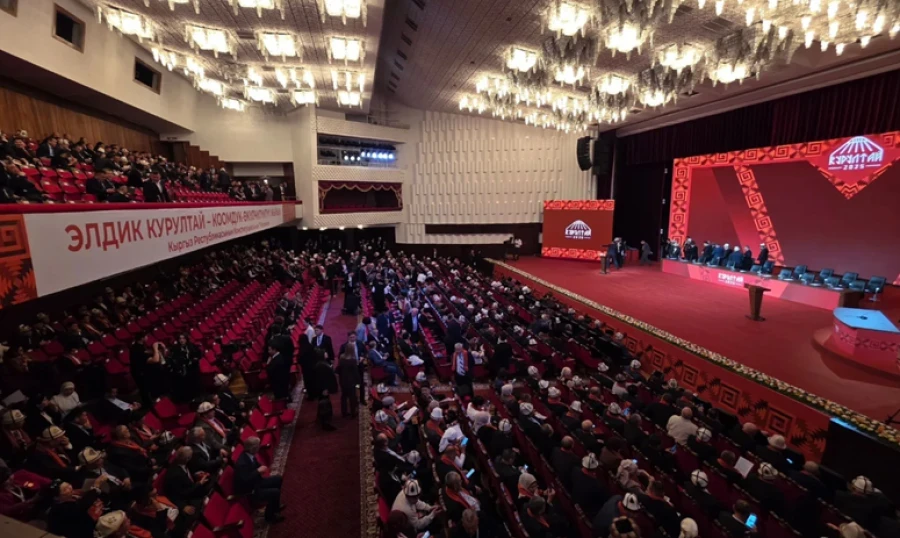
In the last parliamentary elections held on November 30, 2025, the CEC implemented remote voting and opened about 100 additional polling stations both inside the country and abroad, hoping to increase voter turnout, which has remained the most serious issue in recent elections.
Despite the measures taken, out of more than 4 million citizens, only 36.9% participated in voting. Although turnout increased compared to previous elections, it amounted to only 200,000 people.
At the first meeting of the new convocation of the Jogorku Kenesh, President Sadyr Japarov noted that in several countries, participation in elections is mandatory, and suggested that deputies consider initiating a new draft law.