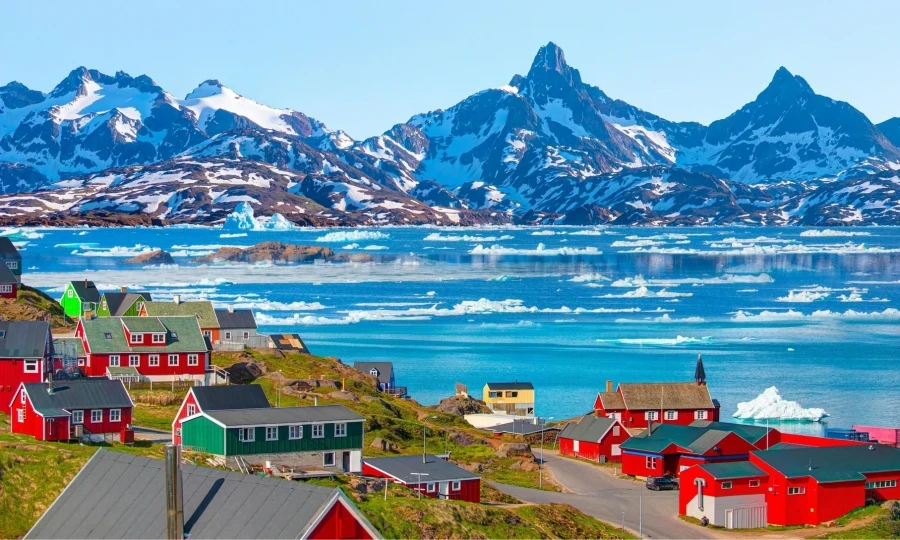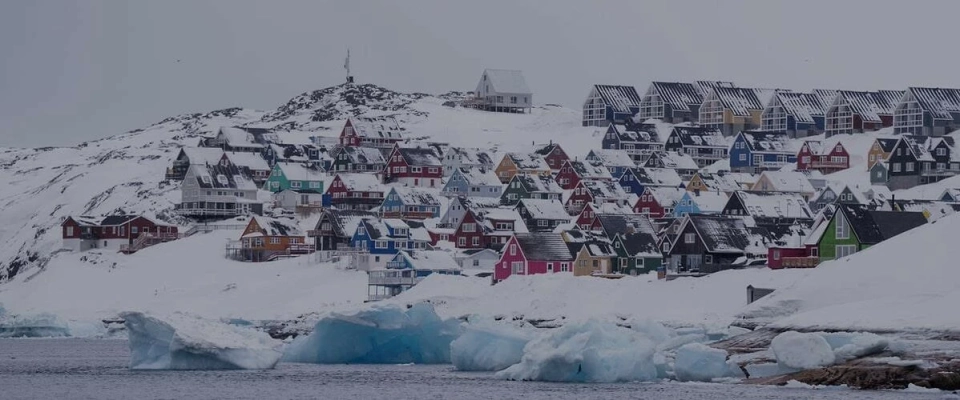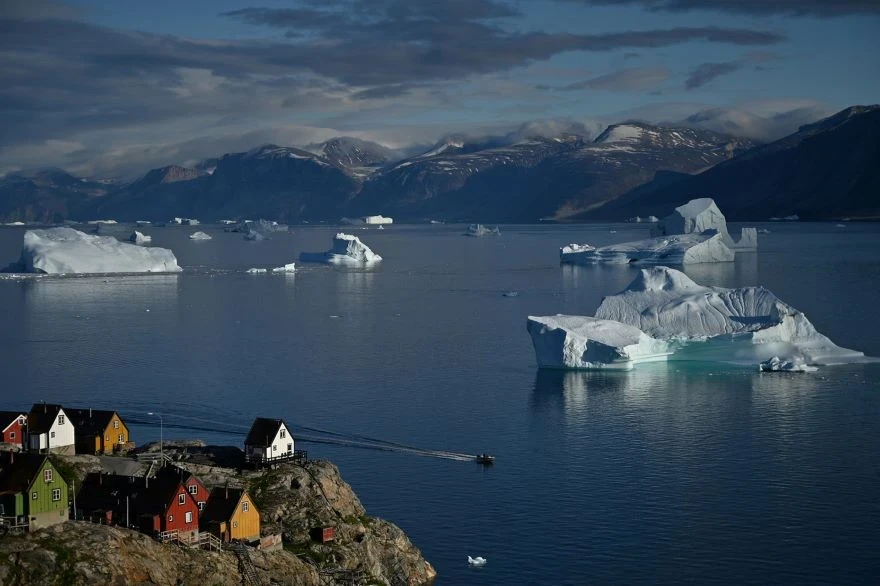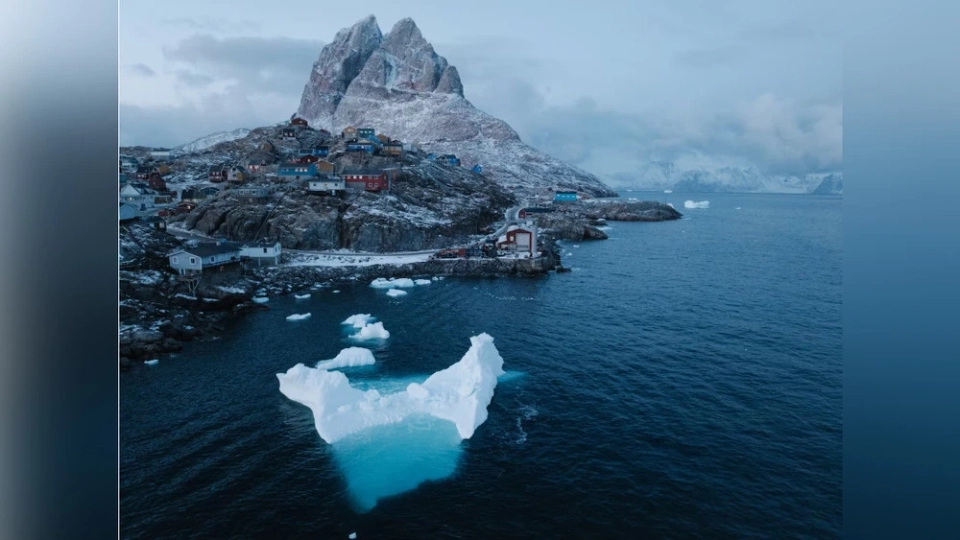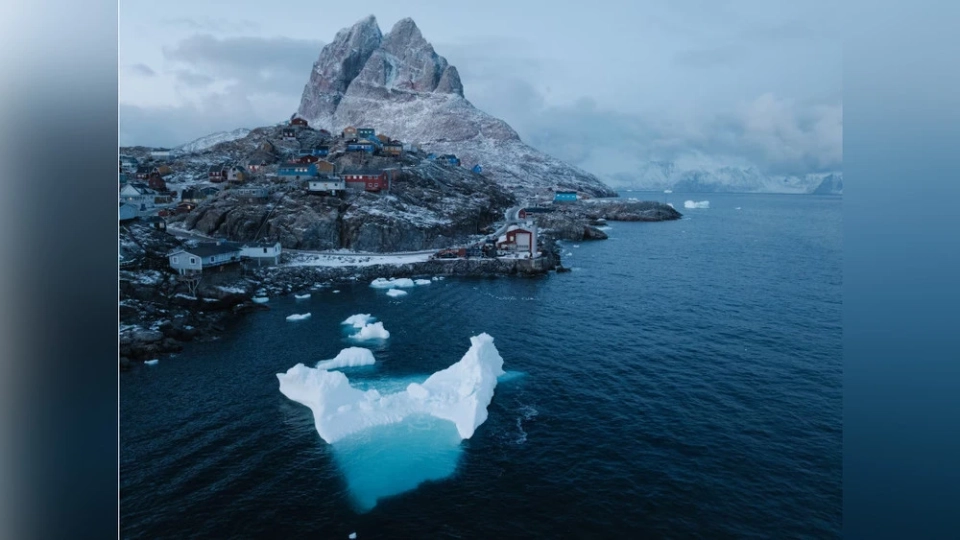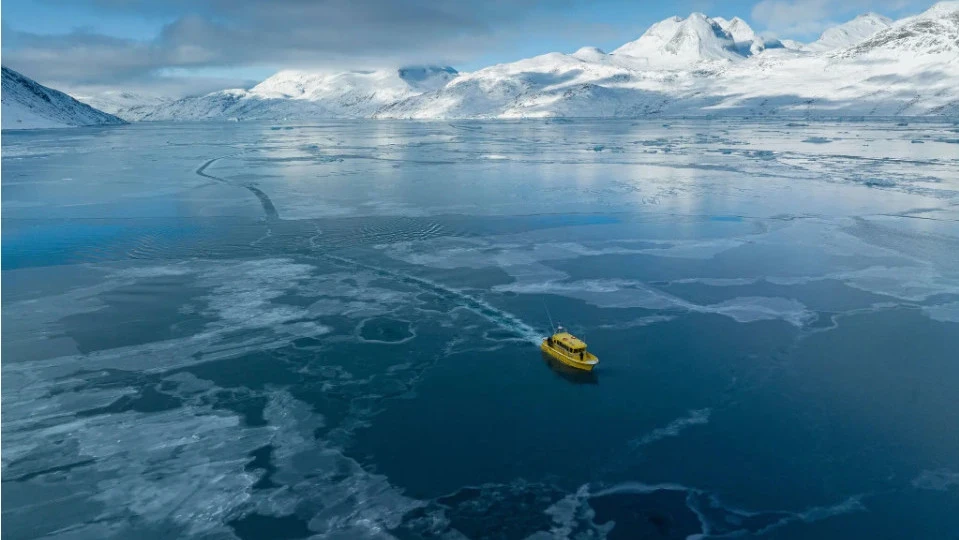
The situation in Greenland affects the interests of billions of people around the world. The world's largest island is losing its ice cover at an alarming rate, which is linked to global warming.
Greenland, with an area of approximately two million square kilometers (about 840,000 square miles), is covered by ice that is melting due to a sharp rise in temperatures in the northern latitudes. This phenomenon leads to serious changes in the Earth's climate stability.
The primary cause of this process is the burning of fossil fuels such as coal, oil, and gas. Their emissions contribute to the rise in global temperatures, especially in the Arctic, where warming is occurring at least twice as fast as in other regions.
With climate change, new trade routes and access to natural resources are opening up, including those necessary for clean technologies. In this context, the Arctic is becoming strategically important for many countries, which is also evident to President Trump.
“His interest in Greenland underscores the reality of climate change,” noted John Conger, a former Pentagon official under Obama and current advisor at the Center for Climate and Security.
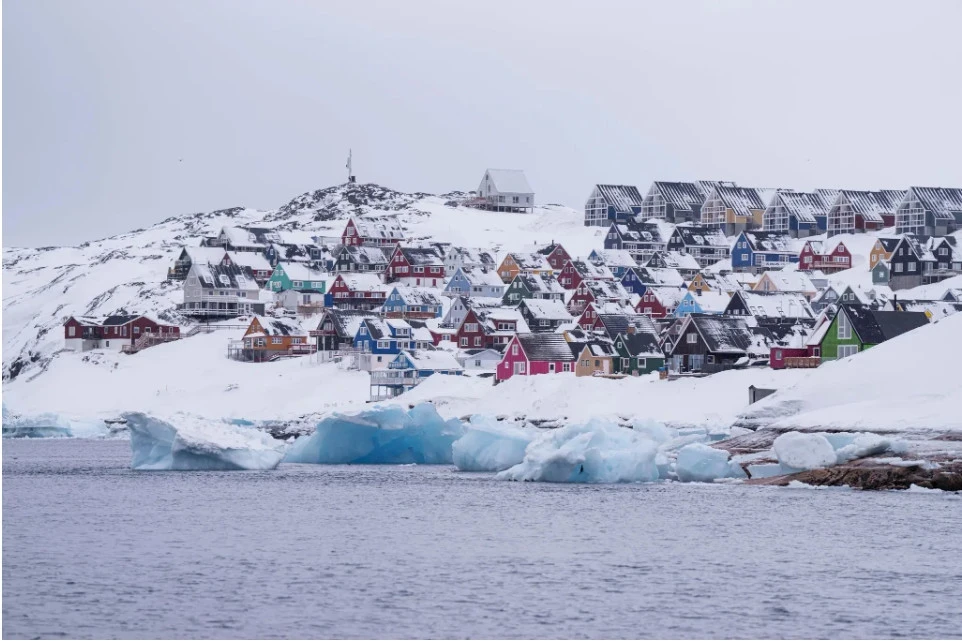
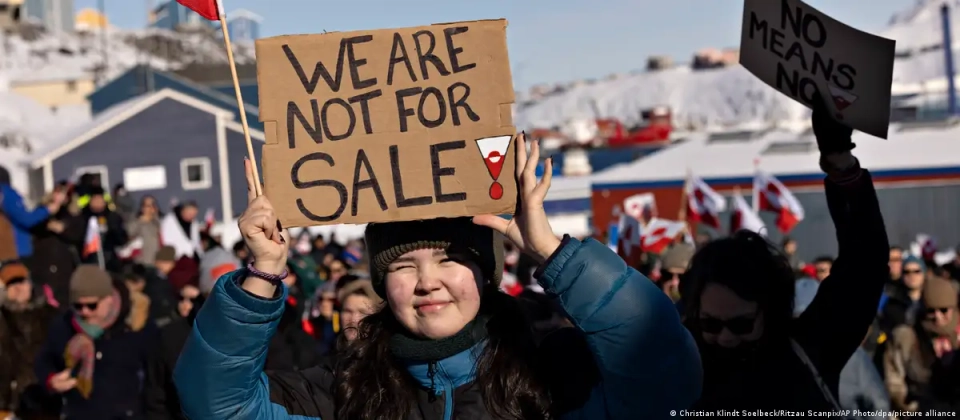
On Wednesday, representatives of the Trump administration, who previously expressed intentions to seize territory, will meet with a delegation from Greenland and Denmark. Here are three key points regarding the global climate to pay attention to.
Losses from Ice Melt
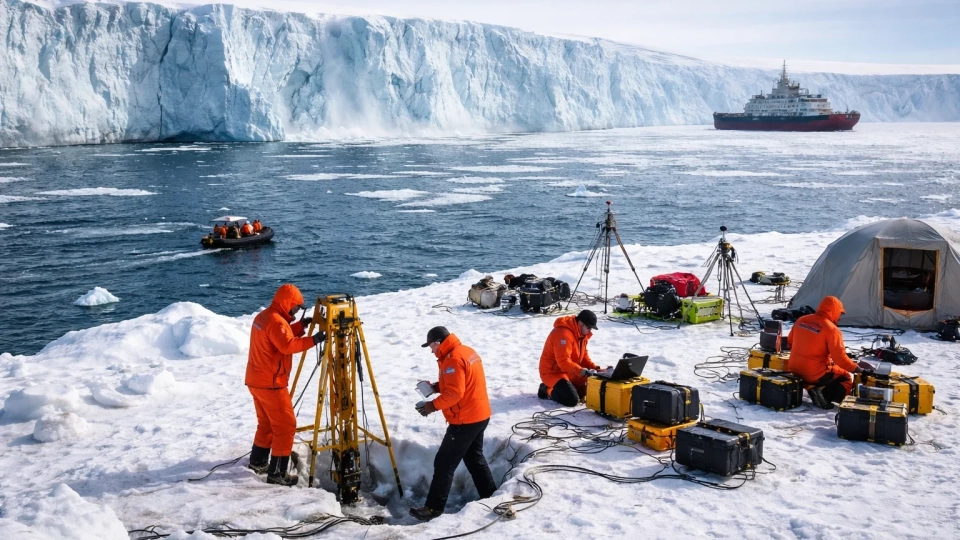
According to scientists from the Danish Meteorological Institute in the publication Carbon Brief, in the year ending August 31, 2025, Greenland lost 105 billion metric tons of ice.
This phenomenon has been observed for 29 years, and according to a study published in the journal Nature, from 1985 to 2022, the area of the ice sheet has decreased by nearly 2,000 square miles.
The melting of ice leads to an increase in the amount of freshwater in the ocean, contributing to rising sea levels and posing a threat to coastal regions around the world. Since 1993, global sea levels have risen by about four inches.
With the complete melting of Greenland's ice, although this is not expected to happen in the next century, sea levels could rise by 23 feet (7.4 meters), scientists warn. This increase exacerbates flooding during storms and high tides.
“Greenland is on an inevitable path of melting,” said glaciologist Sarah Das from the Woods Hole Oceanographic Institution.
It is also worth noting that the loss of sea ice affects the reflection of sunlight. As the area of ice decreases, the ocean absorbs more heat, which in turn leads to further warming.
Moreover, the melting of the Greenland ice sheet affects ocean circulation, which can impact climate conditions even in the Southern Hemisphere.
Natural Resources of Greenland
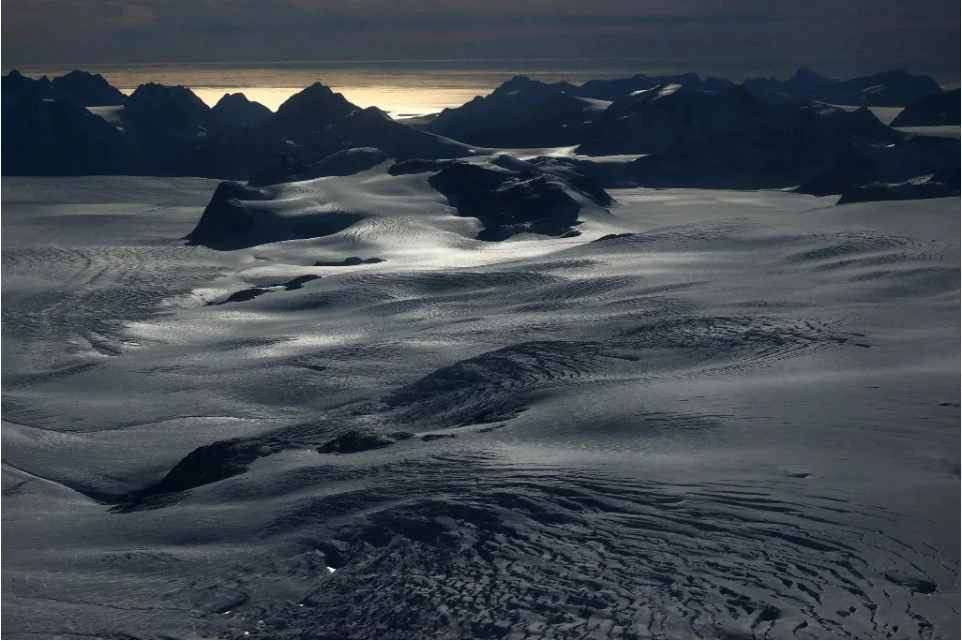
Greenland, which is a semi-autonomous part of Denmark, possesses a wealth of minerals such as graphite, zinc, and rare earth elements. These resources are particularly significant for European Union countries seeking to implement renewable energy technologies. Raw materials that are critically important for the 27 countries in the bloc are largely located in Greenland.
Graphite, in particular, plays a key role in battery production, with China holding a leading position in the global market.
Some of Trump's allies are already investing in mining projects in Greenland and its surroundings.
However, mining is complicated by the large amount of ice, and the Greenland government has banned uranium mining due to environmental risks.
It is also worth mentioning oil.
For the past 50 years, oil companies have attempted to drill for oil in the fragile Arctic waters off the coast of Greenland.
In 2021, the government announced a halt to issuing licenses for oil exploration, citing “climate and environmental considerations, as well as economic feasibility.”
New Shipping Routes
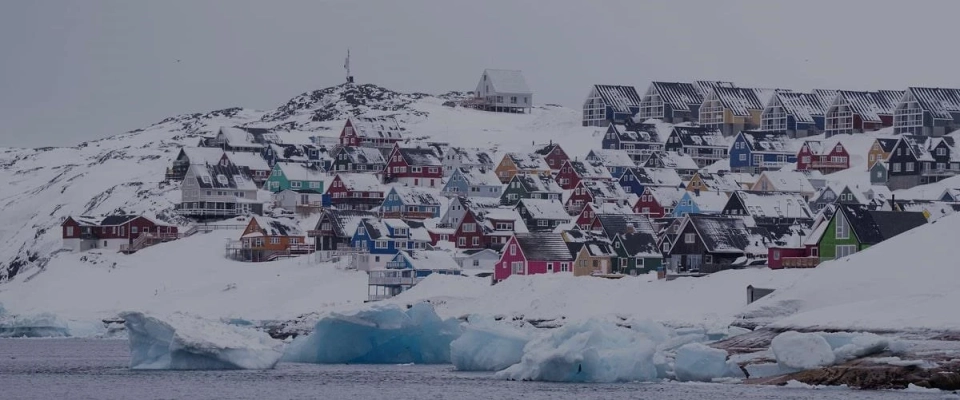
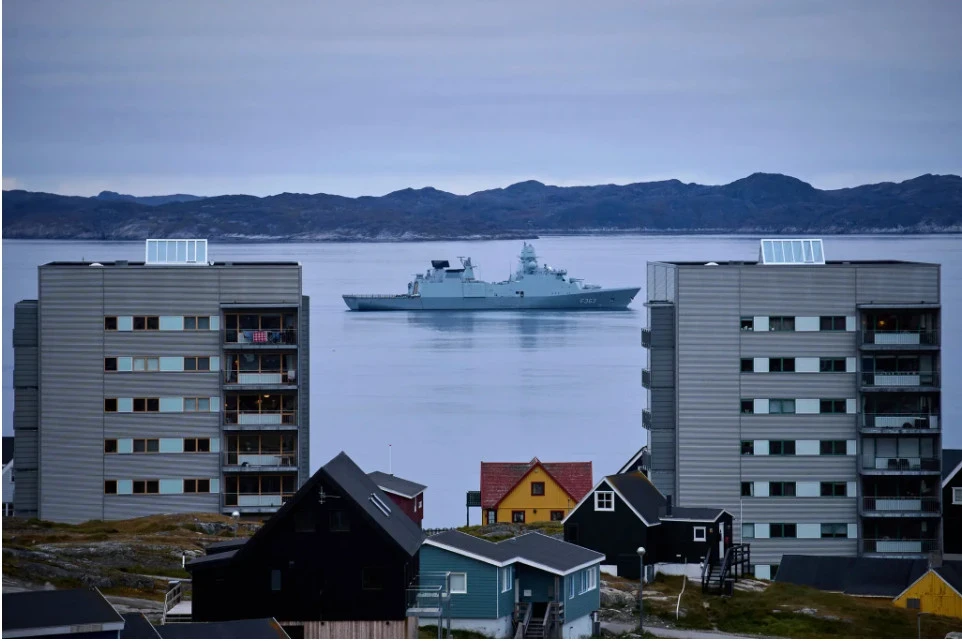
Warming in the Arctic is already creating problems for the local residents of Greenland. Harbors are becoming shallow as the ice melts, and permafrost is damaging roads.
However, climate change is also opening new shipping routes along the Northern Sea. China is eager to utilize this route, as it significantly reduces delivery times for goods from Europe. Beijing refers to it as the “Polar Silk Road”—a maritime corridor that runs along the northern coast of Russia and is accessible only for a few months a year.
Environmentalists are sounding the alarm about serious ecological threats associated with increased shipping, including soot from using heavy fuel oil as ship fuel.
The prospect of a new and fast shipping route is leading to a race to build icebreakers. Russia has the largest fleet, followed by several NATO countries, including Canada, Finland, and Sweden.
According to Conger, a former Pentagon official, this creates additional opportunities to strengthen ties between Washington and NATO, avoiding conflicts over Greenland with allies like Denmark.
“The United States gains additional advantages from NATO membership,” Conger noted. “They have allies with the necessary resources.”