In an interview with 24.kg, Alyshev shared his experiences of living in this exotic country and talked about his career at the UN.
Kанагат Алышбаев. Photo from the interviewee's archive
— How did your career begin?
— My professional journey started with teaching computer literacy at a language center. Then I became a coordinator for training and web resource development. I participated in a competition and was selected as the coordinator for the UN youth volunteer project. The competition was quite tough, involving interviews and tests. In 2007, I founded my own IT company, "Information Technologies," where I worked for three years, selling computers and developing software.
My international experience began in 2010 when I went to Kabul (Afghanistan) on a World Bank project. There, I taught information systems management and software development, gradually advancing from a simple teacher to a team leader.
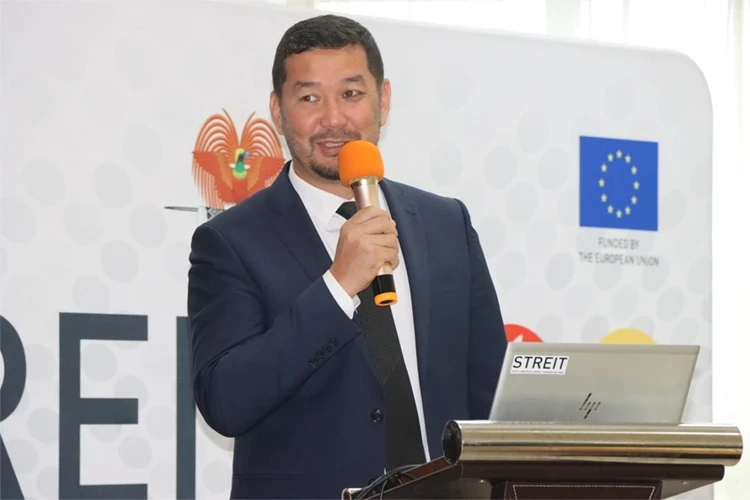
— Who is the target audience for your project?
— We developed a framework program for e-government and a digital transformation strategy for Papua New Guinea for 2022-2027. Integrated information management systems were created for the Ministry of Agriculture. Locals previously used ordinary, non-digital data.
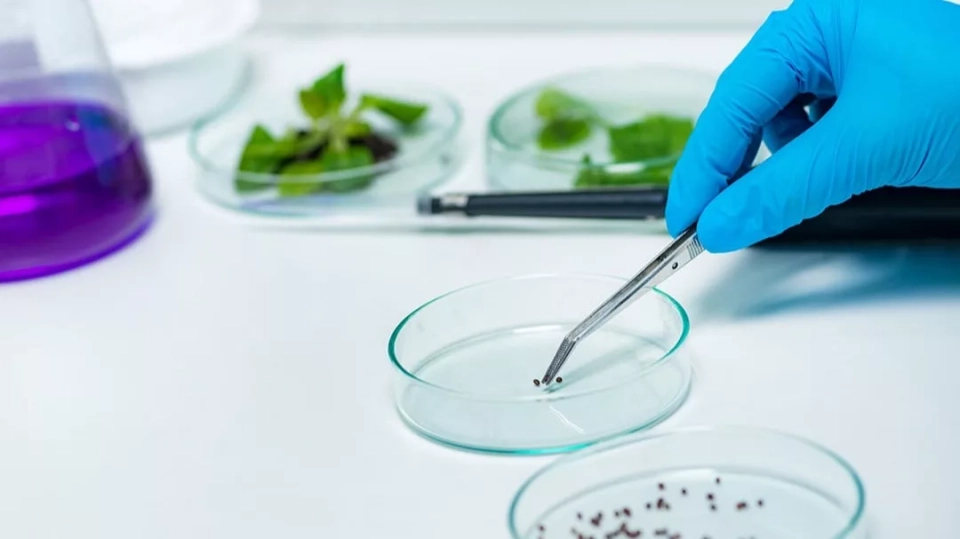
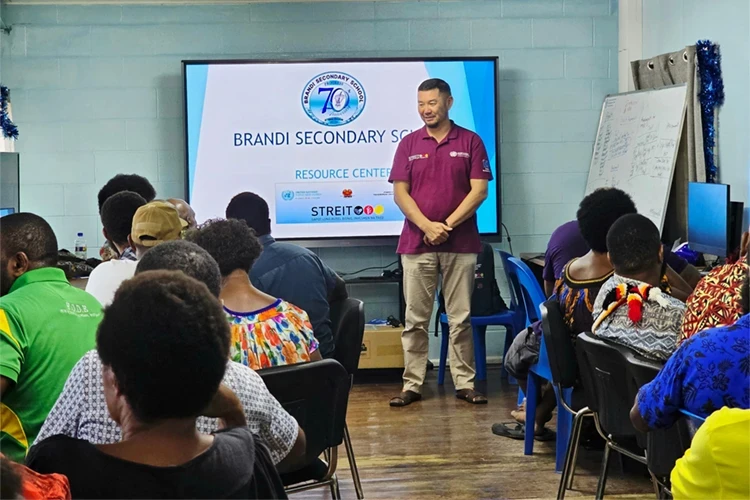
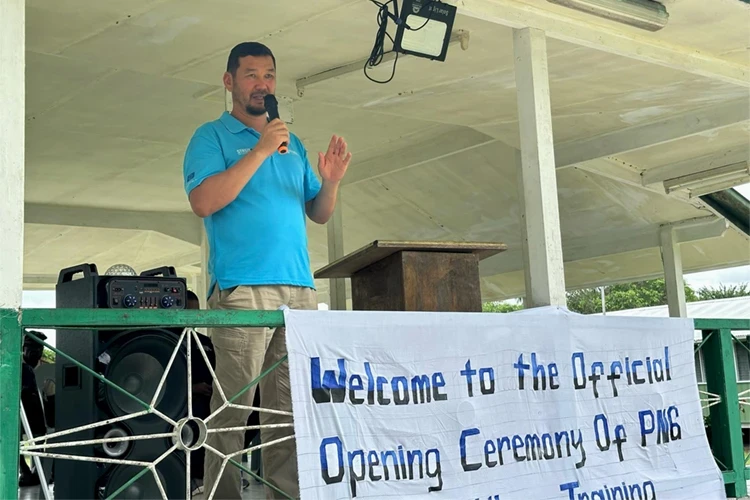
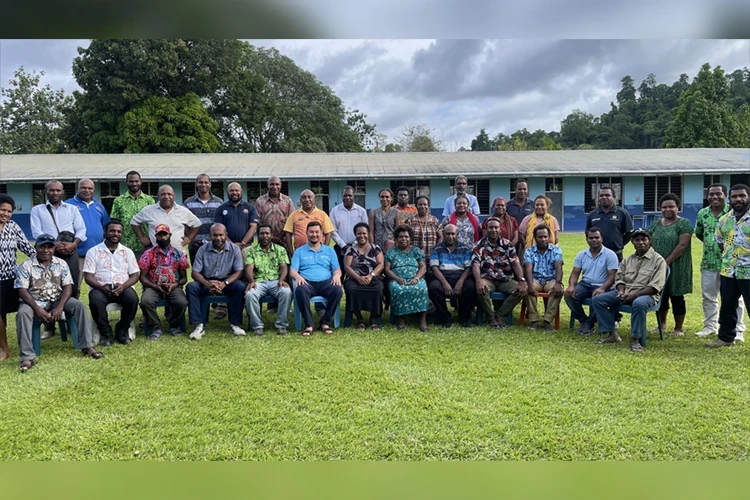
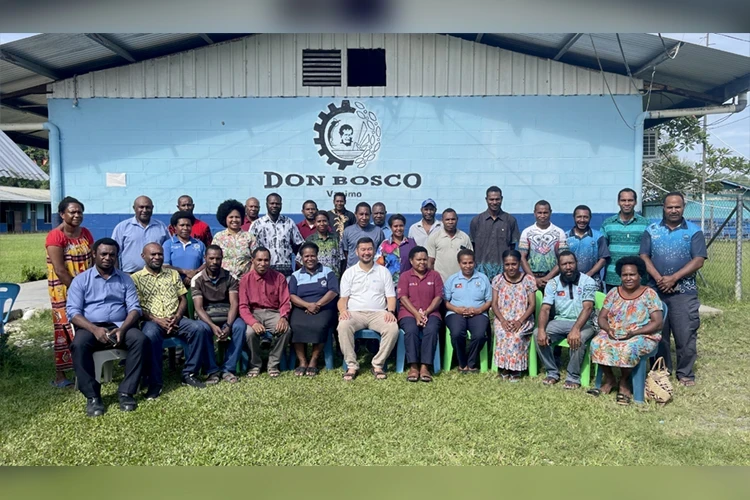
We opened resource centers based in schools and conducted training sessions for farmers so they could create their own websites and master online marketing.
Thanks to our training, some farmers were able to export vanilla for the first time to Australia, New Zealand, Canada, and the USA.
Kанагат Алышбаев
Farmers were taught how to properly dry vanilla, package products, and use online marketing skills. As a result, they began exporting cocoa, which significantly increased their incomes. I am proud to have contributed to this successful project.
— How difficult is it to get a job at the UN?
— It is indeed not easy! Especially in the current environment of funding cuts, where competition is very high. Relying on connections is not advisable. However, with good preparation and persistence, you have a chance. It is important to have relevant experience and education, as well as to clearly state your achievements in your resume. Interviews require certain skills, and it is important to follow established procedures.
When selecting candidates, gender equality, geographical, and political factors are considered. For example, as a citizen of Kyrgyzstan, I cannot be an international expert in my own country, but I can work in neighboring countries or abroad.
In dangerous regions, such as Somalia or Ukraine, competition is also high, despite additional payments. For one position in safe countries, there can be between 500 to 1000 applicants, and for headquarters — several thousand.
UN headquarters are located in major cities like New York and Geneva, and each organization has its own selection procedures, making the process quite slow. It is important to be honest, as information in resumes is verified.
I have worked in several different UN agencies, starting with short-term projects and moving on to permanent positions in ICT.
My journey to Papua New Guinea began with a rigorous selection process.
— What surprises you about Papua New Guinea?
— Honestly, it is not just another country but an entire planet! If I were working in the CIS or the Middle East, it would be much easier. The first months were very difficult, and I considered leaving several times.
The country is poor and underdeveloped, having been under colonial rule for a long time. This year it celebrated its 50th anniversary of independence.
Papua New Guinea is on the list of high-risk countries; it has high unemployment rates and low levels of education.
Kанагат Алышбаев
Locals do not make distinctions; if you are white, you can become a victim. People here are diverse, and it is always wise to be cautious.
— How do you cope with working and living conditions in such circumstances?
— The first thing I faced was the separation from my family and homeland.
You can only go outside when necessary. In the first year, when no one knew us, it was especially challenging. We needed to establish contact with local authorities, and often we were not understood, expecting miracles.
Locals expect a lot from donors; they hope that in a few years we will create ideal conditions like in Switzerland. But that is impossible.
Kанагат Алышбаев
Changing the mindset of people living in former colonies will take generations. The youth are becoming more open and educated, which creates the groundwork for the country's development.
I am used to working in a decentralized manner, but here I need to get approvals through Bangkok and Geneva. Due to time differences and bureaucracy, sometimes I had to wait for responses for several days or even weeks. It is not easy. The program was funded by the EU, where reporting requirements are very strict. While I used to report every three months, here it is every two weeks. Achieving results in such a short time was only possible after six months, thanks to effective communication and planning.
My most successful project was implemented under such challenging conditions, thanks to management and problem-solving skills.
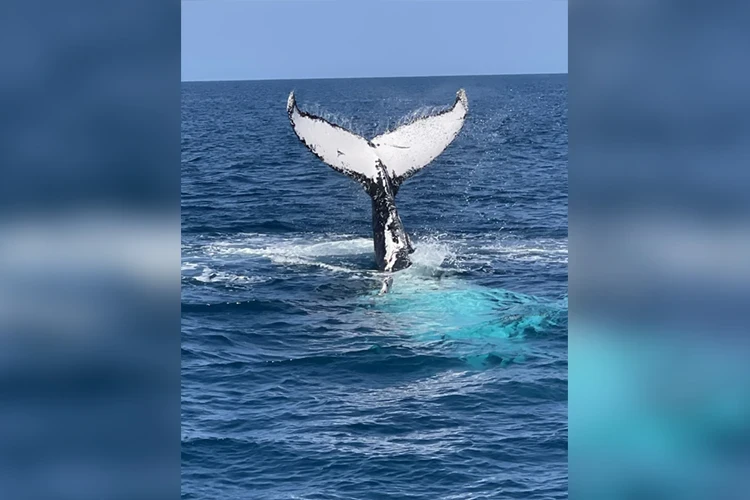
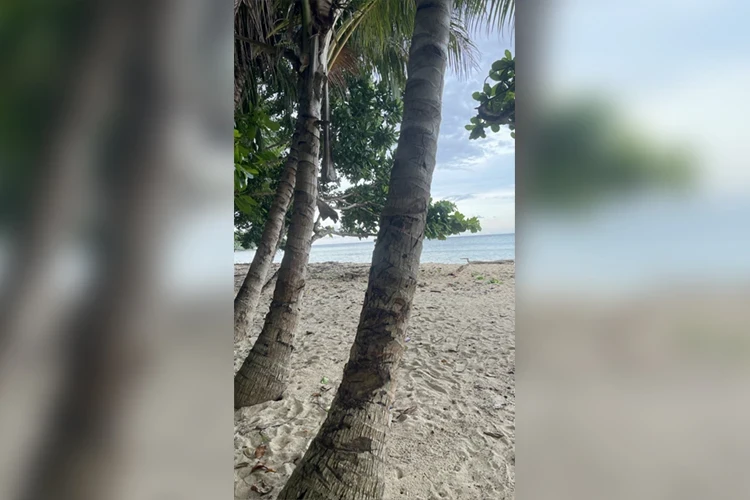
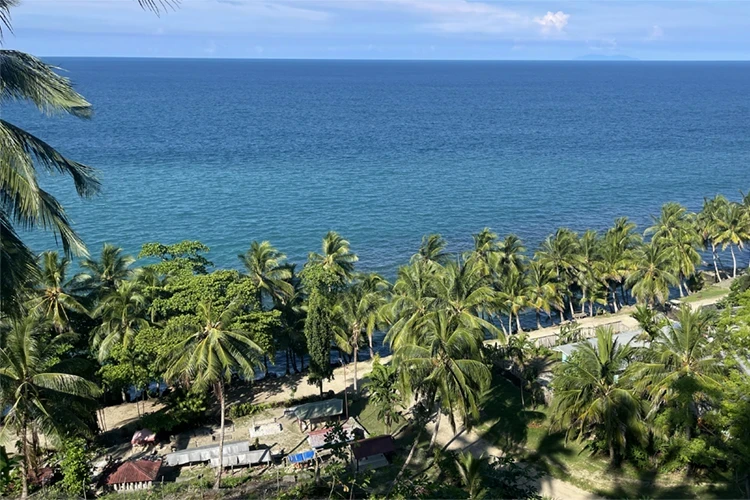
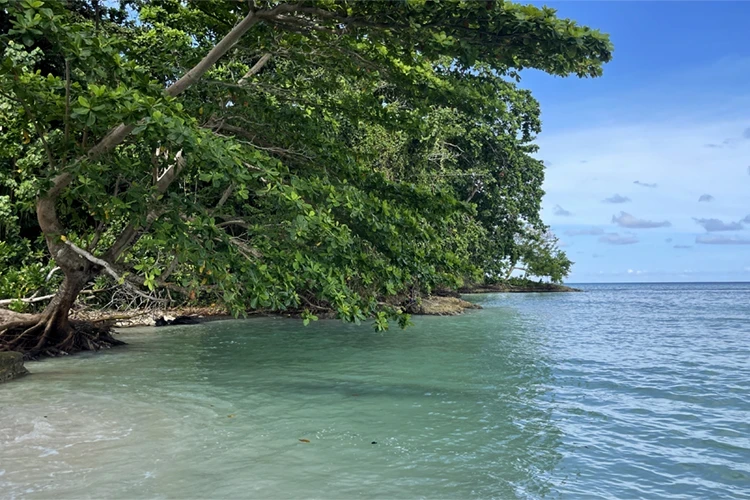
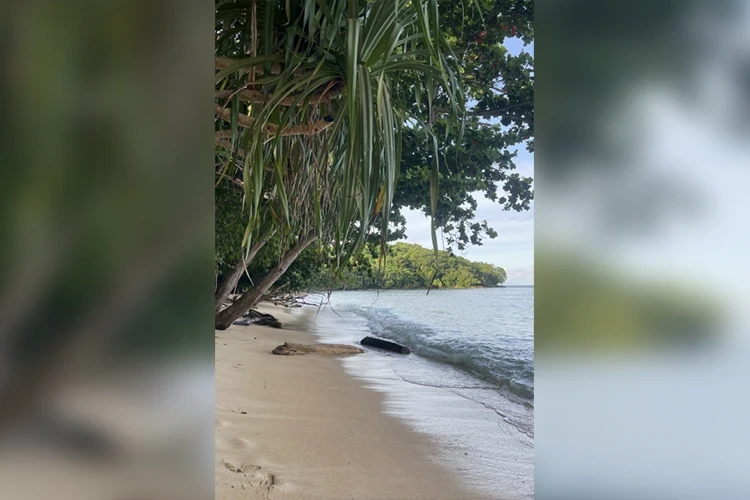
Papua New Guinea is an amazing country with beautiful nature, clean air, and diverse fauna. It resembles the promotional pictures of "Bounty." There is only one climate here — summer, with plenty of fruits and diverse wildlife, including dangerous ones.
Locals are generally kind and religious; as they say, there are no bad nations, only bad people.
— What is it like to live away from family?
— You get used to it, but it is not easy. In dangerous countries, families cannot relocate, so we are offered alternative places where we can visit them.
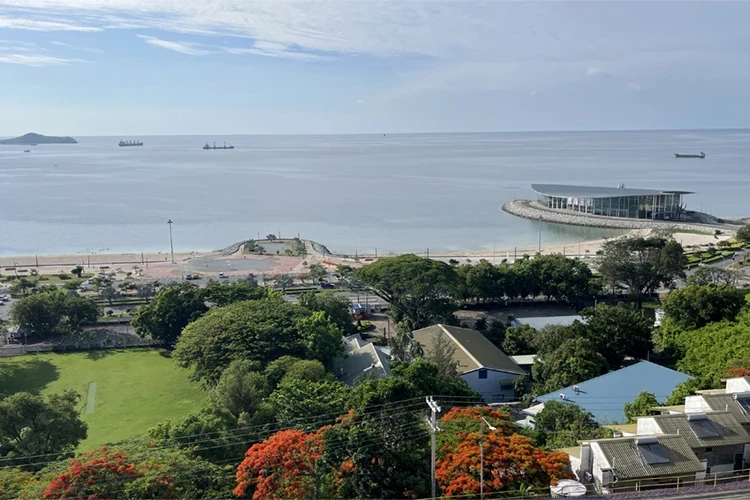
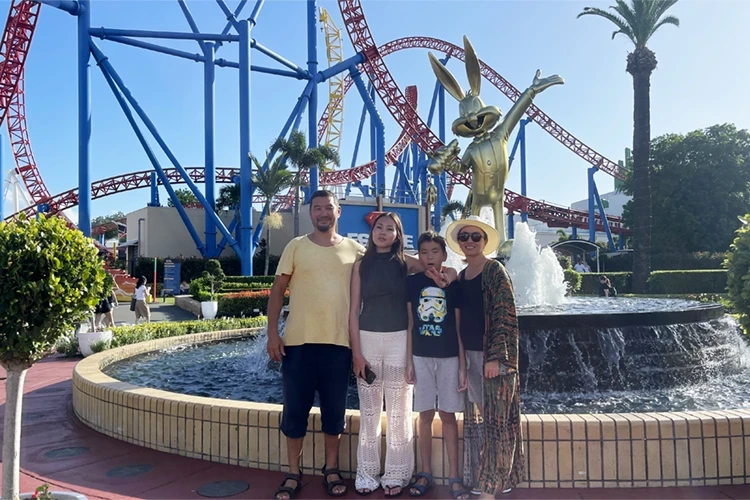
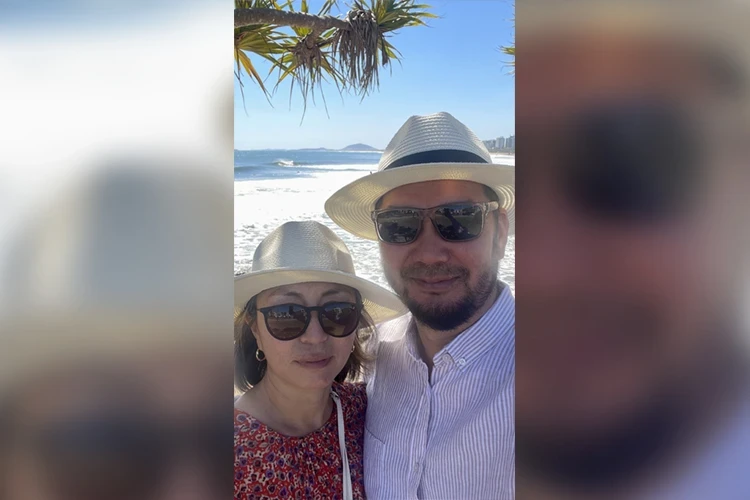
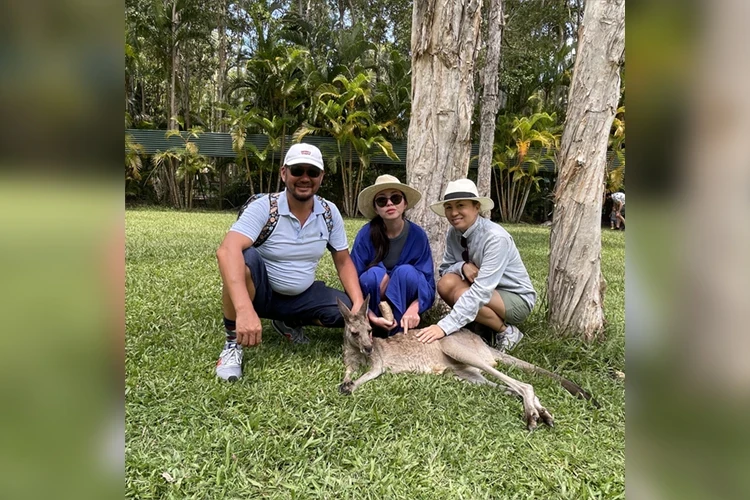
To get from Wevaka to Bishkek, considering all flights and waiting times, it takes two days. Later, I was able to move my family to Brisbane (Australia), where my son studies at a local school, and my wife supports him. I visit them every two months. My eldest daughter studies at a university in Hungary. I want to emphasize that without the support and patience of my wife Aikanysh, I would not have achieved such success.
I plan to find my next job that will allow me to live with my family. My current project will soon be completed, and we will return home.
— What do you miss while away from your homeland? How often do you visit Kyrgyzstan?
— I miss the national cuisine and communication with relatives and friends. Fortunately, my family now lives nearby, and we fly to Kyrgyzstan every two years.
— How do you see your future in 5-10 years?
— I hope to continue my career at the UN, developing projects and programs for the benefit of humanity.
— What does working at the UN mean to you?
— It is not only my career but also an opportunity to grow and develop, although with great responsibility towards the peoples of other countries. Of course, there are downsides, but the positives outweigh them.