Political Changes: From Democracy to Control
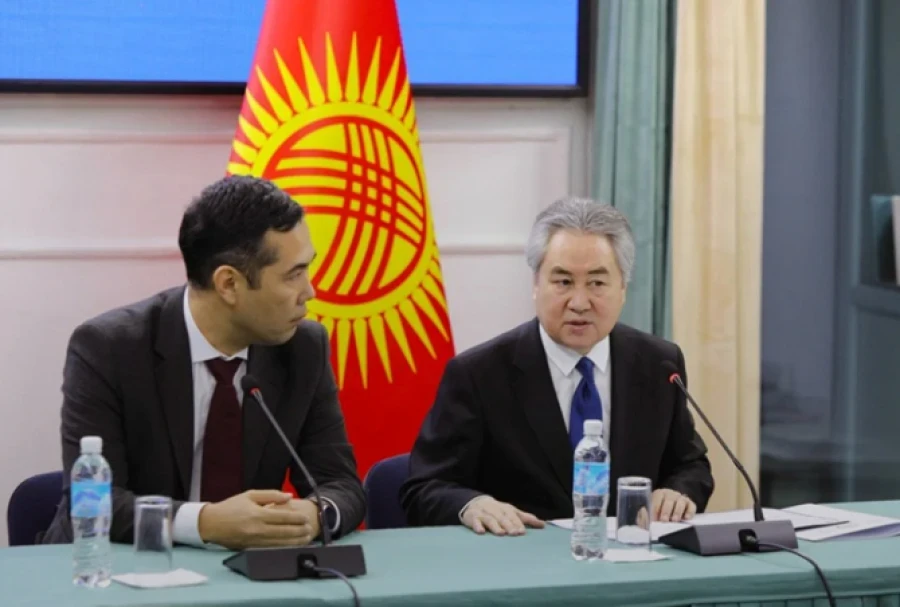
One of the main themes in 2025 was the decline in freedom of speech. Reuters noted in its analytical articles that Kyrgyzstan, previously considered a model of openness in the region, "is increasingly applying regulatory methods typical of more authoritarian regimes."
In its review of Central Asia, The Economist pointed out that the republic is "gradually losing its status of democratic exceptionalism," and that "political competition is becoming more of a formality than a real struggle."
Photo from the internet
Attention was also drawn to the new media law, which, although declared as a means of organizing the media market, in practice led to increased control by the authorities. Reuters emphasized that "the new regulatory measures increase the dependence of editorial offices on decisions made by state bodies."
Discussions about the internet also became an important part of the narrative. The agency reported on a program where international traffic was concentrated through a state company—characterized as "a rare example of digital centralism for the region."
Diplomatic Achievement: Kyrgyz-Tajik Border
Amid negative news, the signing of an agreement on the Kyrgyz-Tajik border stood out. Reuters described this as "one of the most significant diplomatic successes in Central Asia in recent years."
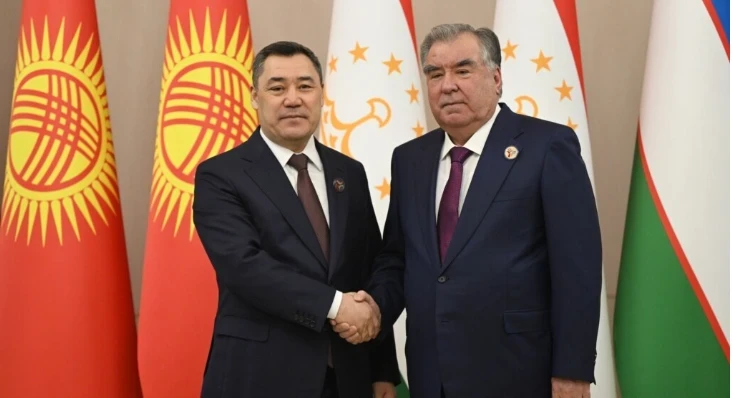
Euronews emphasized that this agreement is not just a line on a map, but an attempt to resolve a conflict that has led to human casualties and infrastructure destruction for many years. For international analysts, this step signaled that Bishkek and Dushanbe are striving for political resolution rather than using force to settle disputes.
Economic Successes: Growth Above Expectations
The economic theme occupied a significant place in publications in 2025. Reuters and Bloomberg repeatedly reported GDP growth in Kyrgyzstan at 10% or more, noting that "the country's economy is developing faster than international organizations expected."
In its materials, Reuters linked the growth to active construction, increased domestic demand, and the republic's role in new trade chains in Eurasia. Kyrgyzstan was increasingly described as an important transit hub that successfully adapted to the changing logistics situation.
According to Bloomberg, the republic is "coming to the forefront as a small but noticeable economy in the region," especially against the backdrop of slow growth in neighboring countries.
Nationalization of Kumtor: Challenges and Opportunities
Global media paid attention to the Kumtor gold mining complex after its nationalization. This project became a test for state structures in managing a strategic asset.
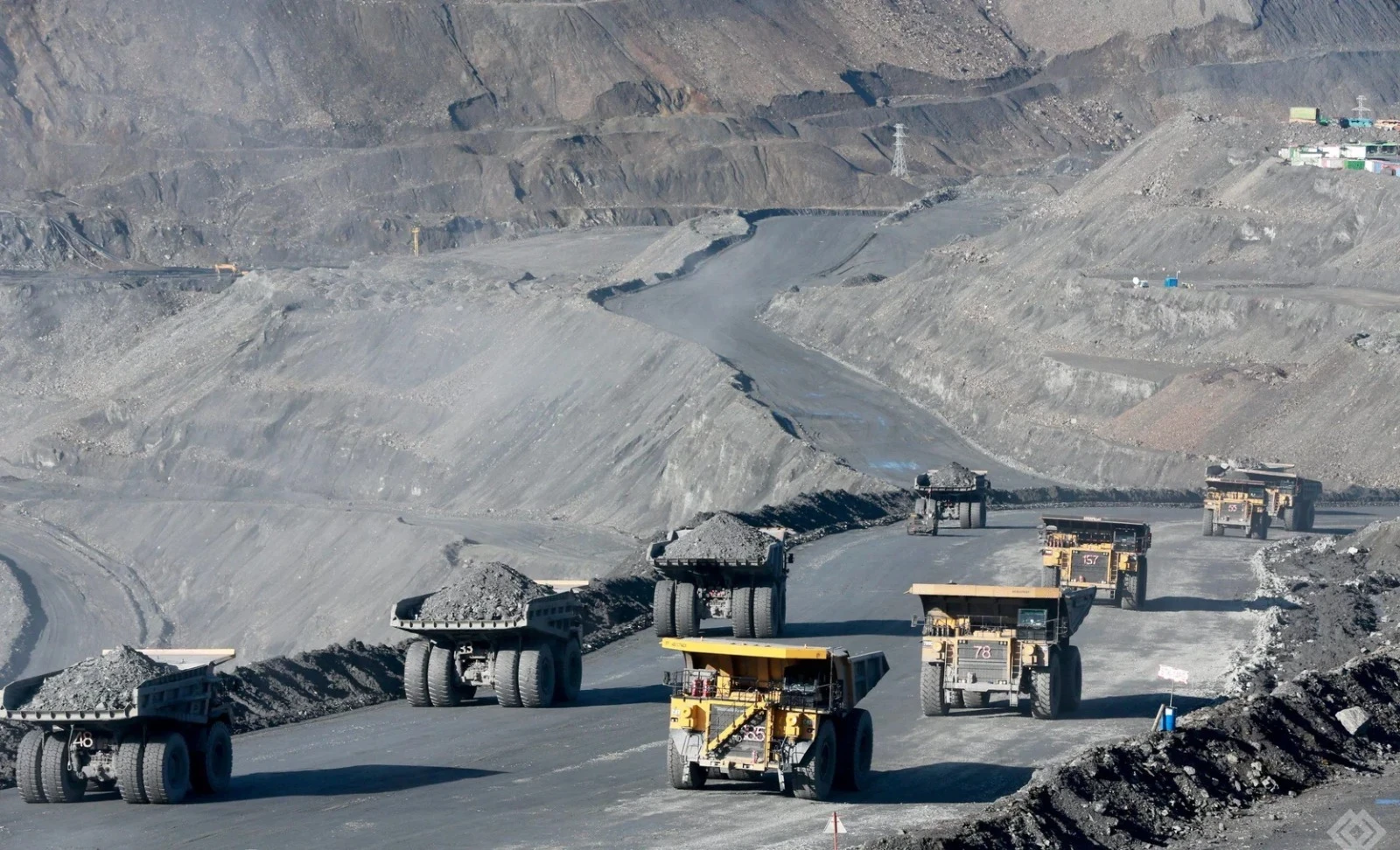
Reuters reported that the start of underground mining became a "critical moment" for the budget and investor confidence. Articles noted that revenues from gold strengthen financial stability but also increase the economy's dependence on a single resource.
Symbolic Changes: Demolition of the Lenin Monument
One of the most discussed events of the year was the demolition of the Lenin monument in Osh. Le Monde noted that this decision "exceeds the bounds of ordinary landscaping," even despite attempts by the authorities to present the process as depoliticized.
Associated Press viewed the demolition as part of a broader trend of rejecting Soviet heritage and rethinking national identity. Articles emphasized that such actions are perceived as political, regardless of the official statements from the authorities.
Environmental Initiatives: Waste as a Source of Energy
At the end of the year, foreign media drew attention to a waste incineration project in Bishkek. This facility became the first major project in Central Asia in the "waste-to-energy" format.
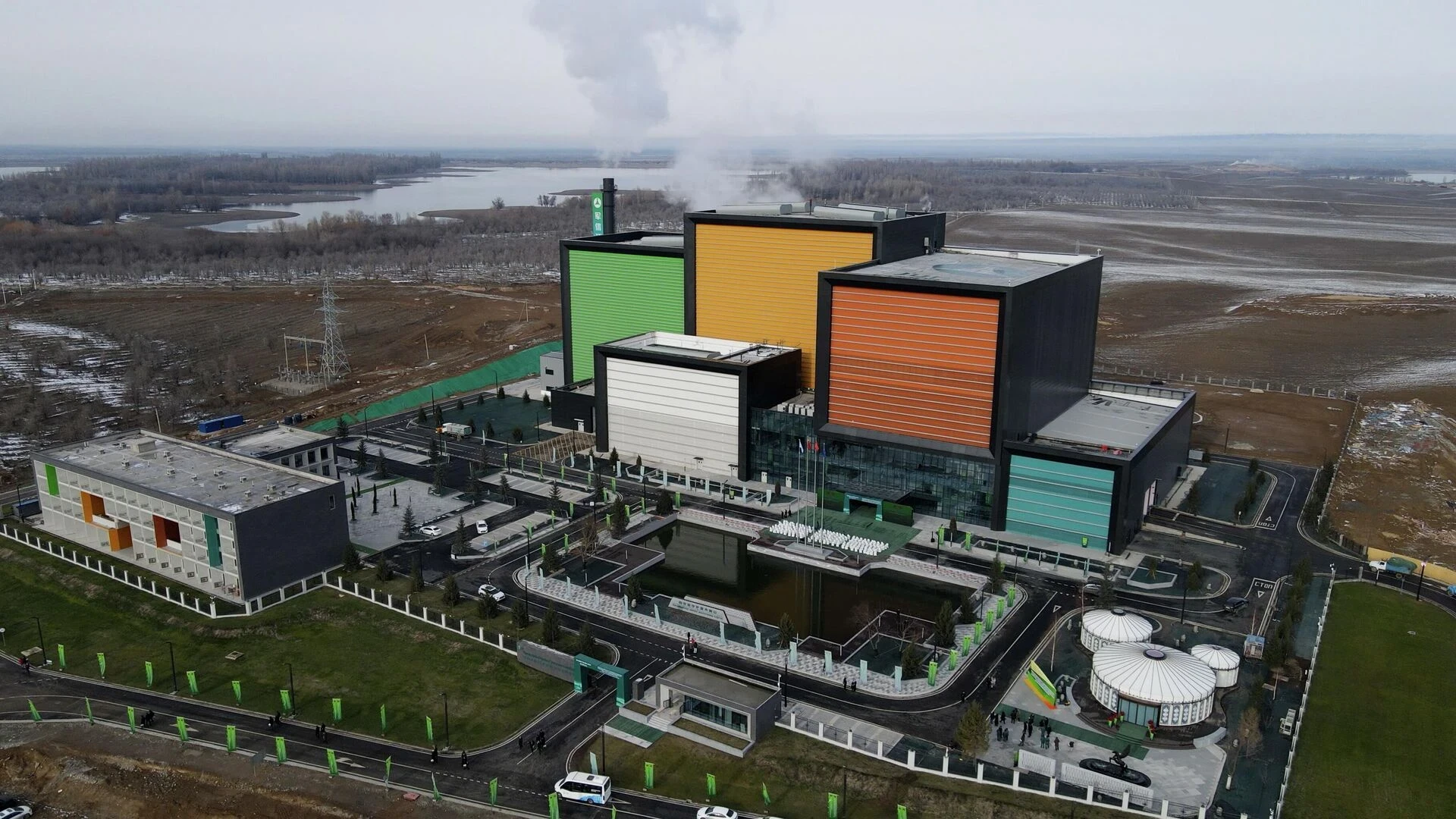
The tone of the publications was generally positive: the project was seen as a step towards solving environmental and energy problems, as well as a sign of the authorities' readiness to invest in complex urban infrastructure.
Year-End Results: Interview with the National Bank
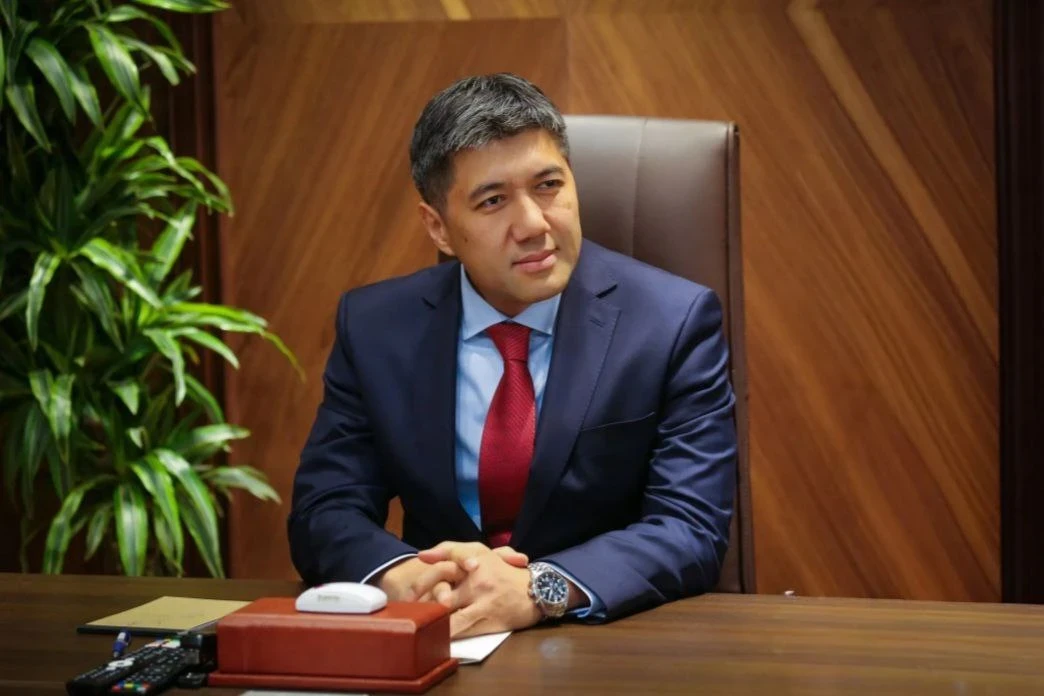
The economic outcome of 2025 was an interview with the leadership of the National Bank of the Kyrgyz Republic, published in December.
In the interview, the agency quoted the regulator's opinion that economic growth in 2025 could exceed 10%, and that gold and foreign exchange reserves remain a key factor for stability. It was also noted that the National Bank "does not adhere to a fixed exchange rate but is ready to intervene to stabilize financial markets."
Additionally, Bloomberg highlighted the significance of issuing the first sovereign Eurobonds worth about $700 million, characterizing it as "an important signal of Kyrgyzstan's return to international financial markets."
In this context, the agency also mentioned the risks, pointing out that the high degree of state intervention in the economy and dependence on gold remain structural problems, and that stable growth will depend on investor confidence and predictability of state policy.
Conclusions: Kyrgyzstan as an Indicator of Change
As a result, the publications of 2025 created a complex and contradictory image of Kyrgyzstan. For international media, the republic appears as a place of dynamic economic changes and significant diplomatic successes, but at the same time—as an example of increased control and concentration of power.
Kyrgyzstan is no longer a "quiet" republic of Central Asia and is increasingly perceived as an indicator of processes capable of determining the future of the entire region.