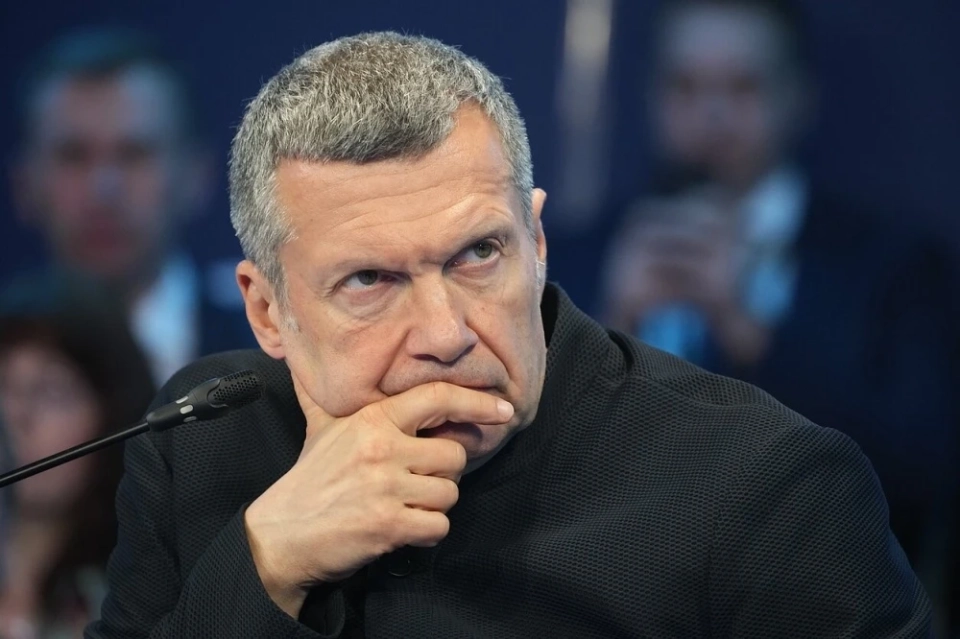
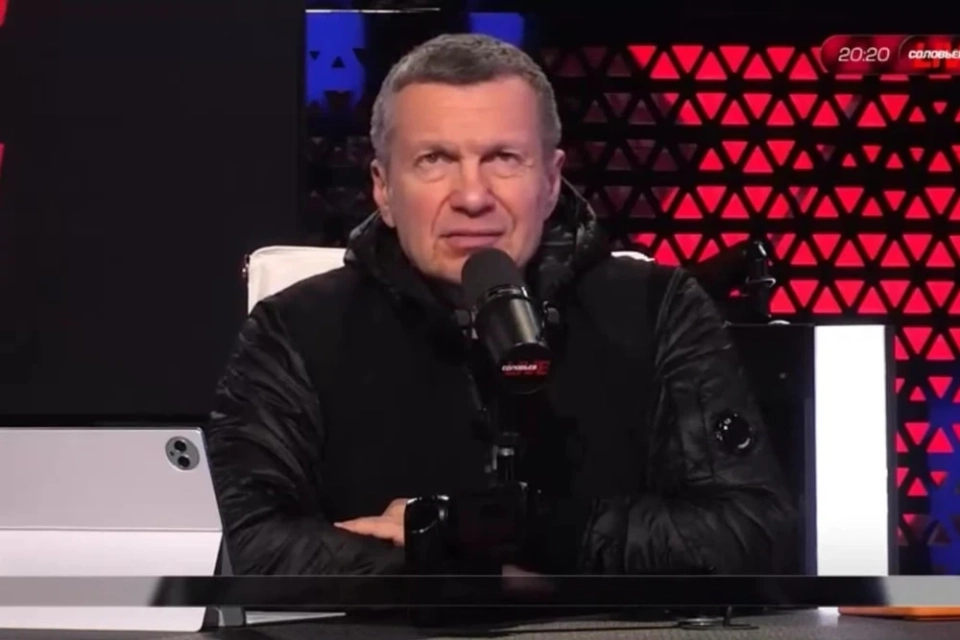
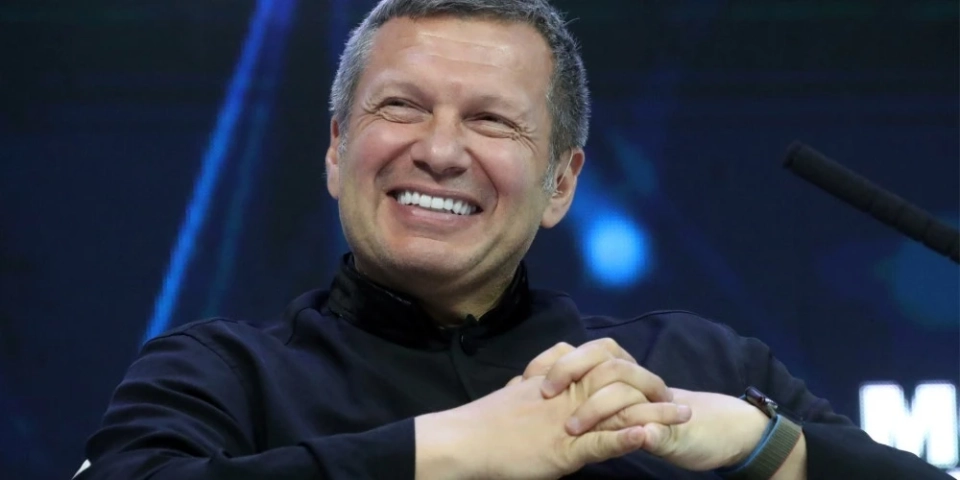
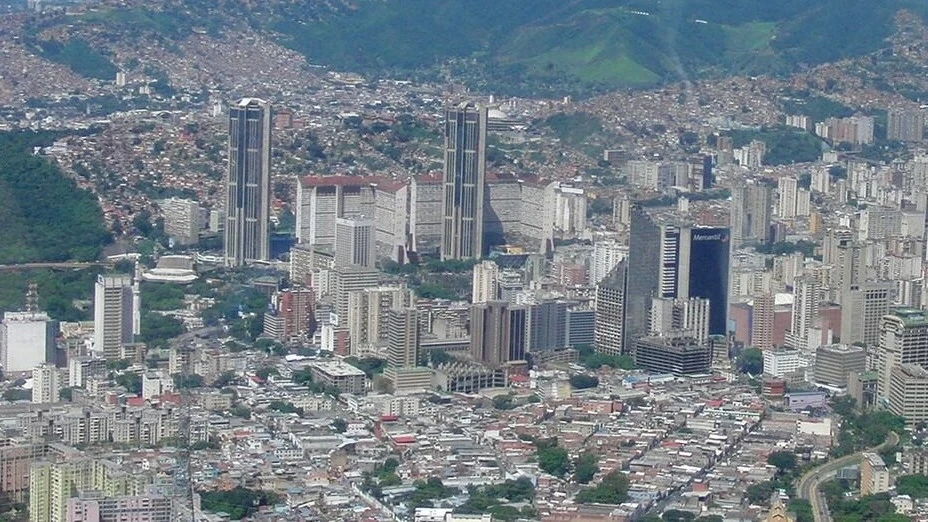
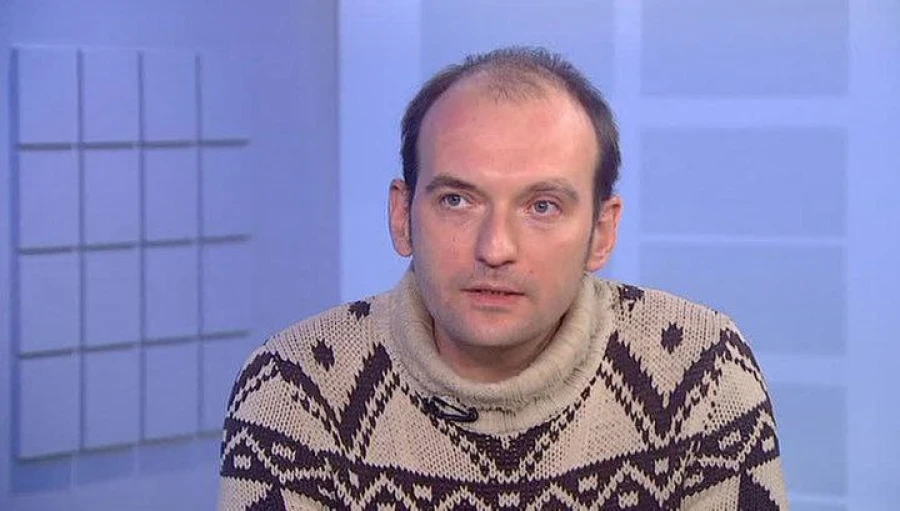
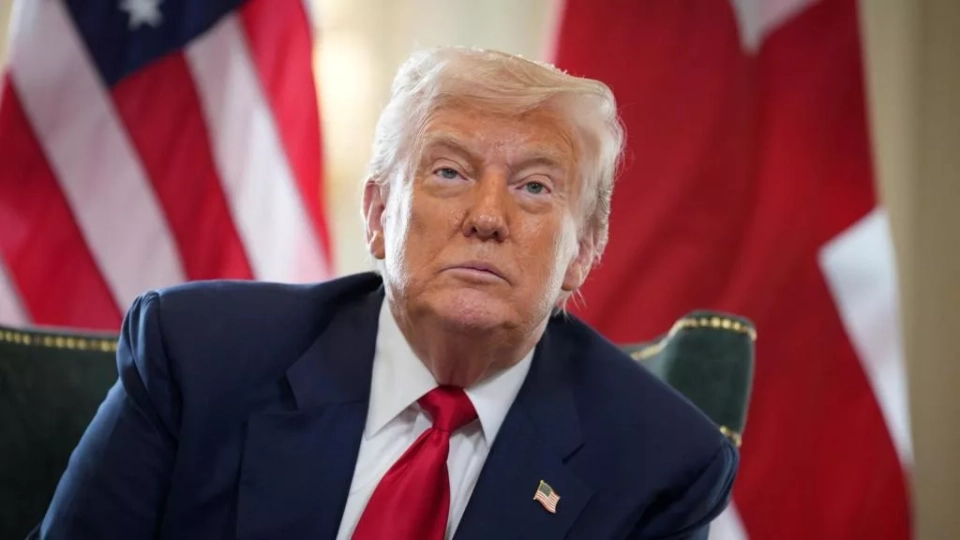
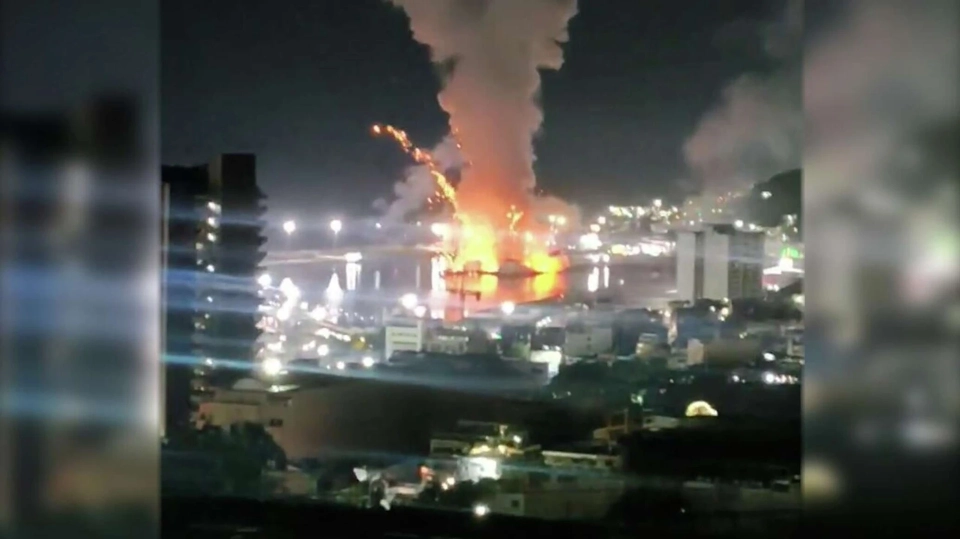
He believes that Russia, similar to the USA in Venezuela, should ignore international law and consider the possibility of military intervention in the affairs of Armenia and Central Asian countries to keep them within its "sphere of influence".
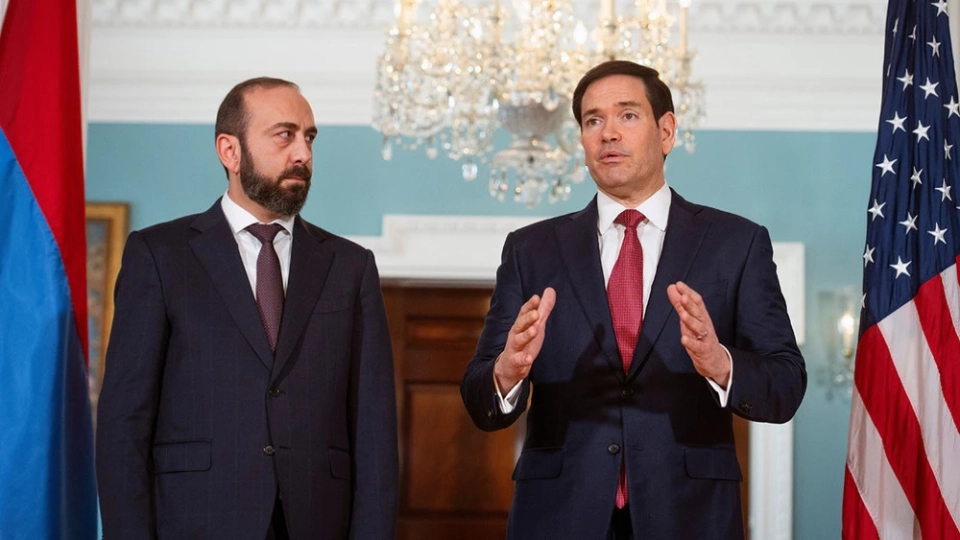
The reaction from Armenia was immediate and quite harsh. As reported by News.am, the Armenian Ministry of Foreign Affairs summoned the Russian ambassador and handed over a note of protest, expressing serious dissatisfaction with the statements made during the broadcast on the state television channel. The ministry noted that such words are incompatible with the friendly relations between Yerevan and Moscow.
How did Central Asia respond to these ambiguous statements? We have gathered key reactions to the situation in the materials of 24.kg.
Kyrgyzstan
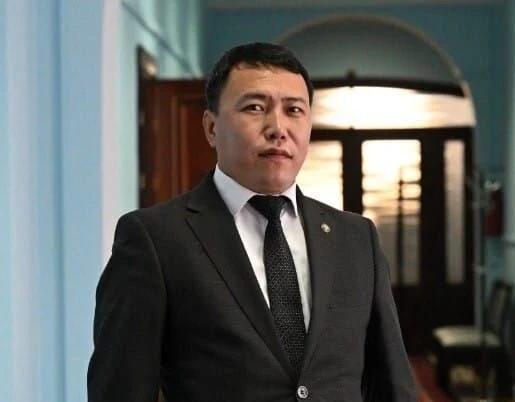
The press secretary of the President of Kyrgyzstan recommended not to take Vladimir Solovyov's words seriously.
As for possible reactions, since Solovyov is a journalist, his statements should be responded to by journalists or other individuals. If such words were spoken by a deputy or a minister, then a response from our authorities would be appropriate.
Askat Alagozov
The press secretary also mentioned that he is aware of a deputy's proposal to declare Solovyov a persona non grata.
“There is an established procedure for this. We will see how this issue is addressed. However, it is important to emphasize that relations between Russia and Kyrgyzstan, as well as with other Central Asian states, are at a high level. Therefore, such assumptions have no basis,” he added.
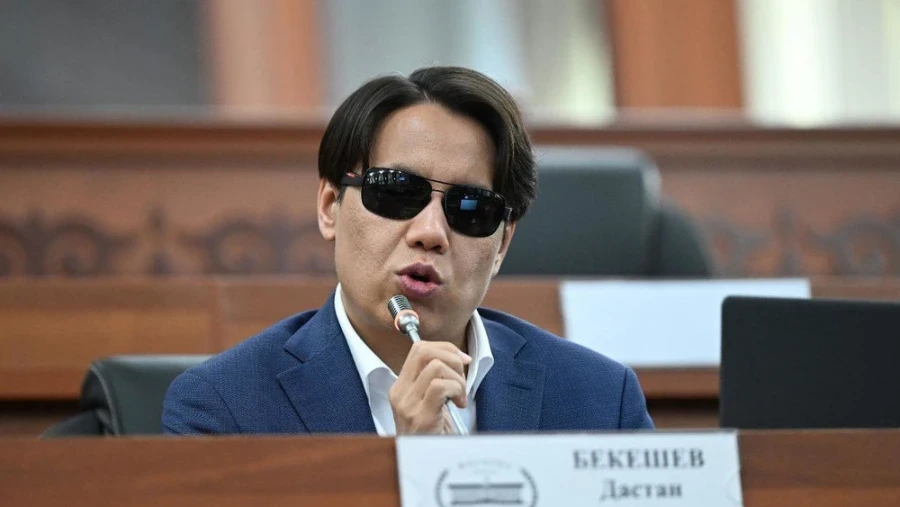
Deputy Dastan Bekeshev also suggested recognizing Solovyov as a persona non grata.
Political analyst Yrysbek Osmonov emphasized that Kyrgyzstan is a sovereign state with a rich history, and such statements from Solovyov are a manifestation of cynicism from a media figure who positions himself as a strategic partner of Kyrgyzstan.
“These statements are not only offensive; they create distrust and animosity in the relationships we have built over the years. The rhetoric of 'conquest' is a relic of colonial thinking and undermines the foundations of partnership,” the expert concluded.
Kazakhstan
Kazakh political scientist Gaziz Abishev believes that Solovyov may act as an indirect representative of the Kremlin, reacting to the actions of the USA in Venezuela, or demonstrates his own militarism from the convenience of a television studio.
In his opinion, such provocations represent a violation of ethical norms in interstate relations, especially in conditions where hate-inciting rhetoric already has real consequences.
An official response from Astana followed, but lower house deputy Aidos Sarym stated that there is no need to comment on Solovyov's words in this case.
“In the current tense period, it is impractical to respond to the opinions of such 'prophets' as Solovyov. Such opinions should be analyzed and responded to from a scientific perspective. Ideas require ideological responses,” he explained in an interview with Azattyk. The deputy added that “smart diplomacy is more effective than political demarches.”
It is wrong for official structures to react to every statement made by Russian political scientists and journalists.
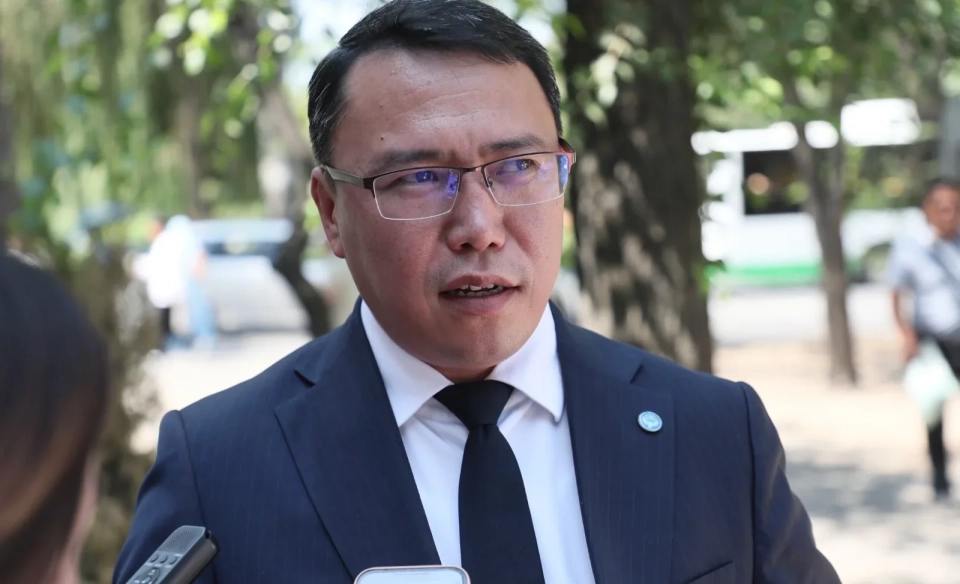
Aidos Sarym
He also noted that Solovyov's statements indicate insecurity, and if necessary, he could be included in the blacklist of individuals banned from entry.
It is worth noting that Kazakhstan indeed has a blacklist of individuals banned from entry, as confirmed by the Ministry of Foreign Affairs in 2023. However, the list itself is not published, and the Ministry of Foreign Affairs previously stated that it includes politicians and experts known for their aggressive rhetoric.
Uzbekistan
In Uzbekistan, Solovyov's statement sparked a wave of indignation, especially among experts and journalists. They characterized his speech as “propaganda justifying military intervention and ignoring international law.” The rector of the University of Journalism and Mass Communications, Sherzodkhon Kudratkhodja, stated that Solovyov's outburst was not just an “emotional outburst” but a clear manifestation of colonial thinking.
This is unprecedented propaganda, demonstrating a colonial approach, where the sovereignty of the republics is viewed as something insignificant.
Sherzodkhon Kudratkhodja
Journalist Ilyas Safarov believes that this is a political signal that poses a threat and shapes public opinion.
Deputy of the Oliy Majlis Bobur Bekmurodov stated that the time when the fates of nations were decided in television studios is over.
“The borders of Central Asian states are a matter of honor, and any threats to independence will provoke a decisive response. Such statements only turn neighbors into enemies,” he emphasized, adding that the countries in the region have enough resources and courage to defend their independence.
Public figures in Uzbekistan also called on the Ministry of Foreign Affairs to respond appropriately.
Tajikistan
In Tajikistan, officials did not comment on Solovyov's words, but political expert Sherali Rizoen criticized him on his Telegram channel, noting that “people with unstable psycho-emotional states often experience sharp mood swings during transitional moments, leading to strange statements.”
“Most likely, this is what happened with Solovyov, who called for war against Central Asia. Such words create problems without objective grounds and harm cooperation with Russia,” he added.
Turkmenistan
In Turkmenistan, there was no reaction to Solovyov's statements at the highest level or in the public space. Ashgabat preferred not to succumb to provocations.
P.S. Experts agree that Solovyov's words not only reflect geopolitical interests but may also serve to prepare public opinion for a possible military confrontation with neighbors. Aggressive rhetoric may be a consequence of Russia's failures on the international stage.
Analysts urge regional elites to focus on the security of their states and strengthen their defense capabilities.