It is worth noting that there was previously a positive trend. In 2024, the Kyrgyz passport reached a historical high, allowing its holders to visit 65 countries without a visa. However, in 2025, this positive trend shifted to a decline.
Visa-free countries for Kyrgyz citizens
According to Henley & Partners, holders of the Kyrgyz passport can travel visa-free to Antigua and Barbuda, Azerbaijan, Armenia, Belarus, Georgia, Vietnam, Kazakhstan, Malaysia, the Maldives, Mongolia, Russia, Turkey, Ukraine, and other countries.The advantages of holding a "strong" passport are obvious: citizens of countries with high rankings can travel visa-free to most countries around the world. For example, residents of Japan, Singapore, or Germany can visit most countries without unnecessary visa formalities, saving time and money. Experts note that one of the strongest passports, like Japan's, opens doors to 85% of countries that account for about 98% of the global economy. In contrast, the weakest passport (Afghanistan's) allows visa-free entry to only 12% of countries, which amounts to about 25 destinations, contributing to just 1% of the world's GDP. Thus, a high position in the index not only facilitates travel but also indicates international trust in the country, the effectiveness of its foreign policy, and the level of economic development. Holders of "privileged" passports have better chances to conduct business abroad and participate in international educational and investment programs.
Comparison with neighboring countries
According to the 2026 index, Kazakhstan ranks 61st, providing access to 78 countries without a visa, making its passport the strongest among Central Asian countries. Uzbekistan, as mentioned earlier, ranks 75th with the same number of visa-free countries as Kyrgyzstan. Tajikistan is in 81st place (54 countries), while Turkmenistan is in 87th (47 countries).The ranking is based on data from the International Air Transport Association (IATA) and is updated as visa regulations change. The index considers 227 destinations (all sovereign states and key territories) and 199 passports. The maximum possible score is 226 (assuming the passport allows visa-free access to all countries except the home country). However, even the leaders have not yet reached this mark. The index is reviewed quarterly, capturing real changes in visa policy.
Reasons for visa barriers
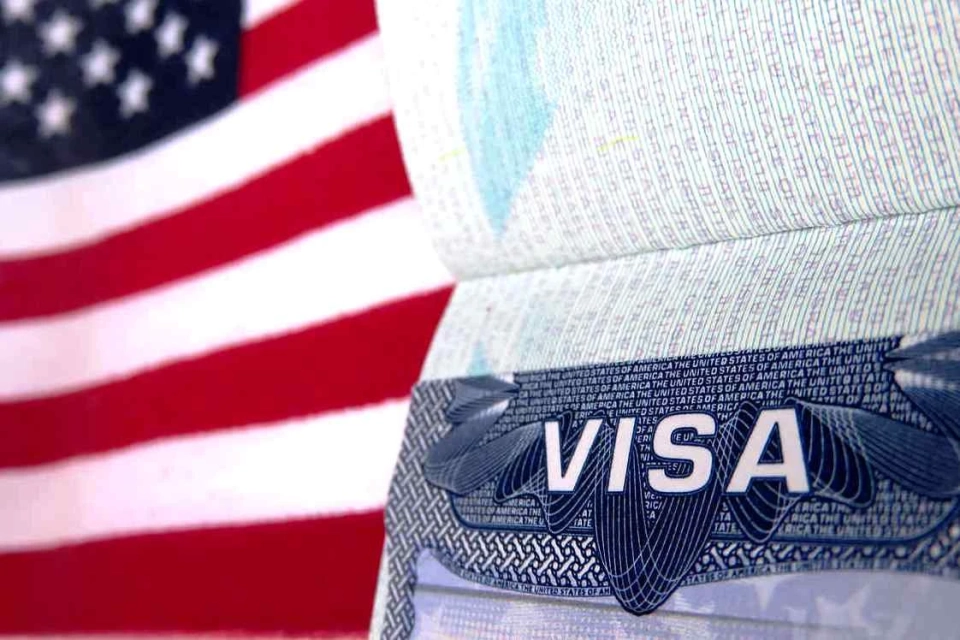
Why do some countries enjoy freedom of movement while others face visa restrictions? The reasons are often complex and related to both the internal situation in the country and international perceptions.- Economic and migration factors. Generally, less developed countries have weaker passports, as wealthier nations fear an influx of migrants. This leads developed countries to hesitate in opening their borders visa-free to citizens of poorer nations, fearing illegal migration. After the Trump administration took office in the U.S., visa barriers were introduced for Kyrgyzstan and several other countries, including reduced validity periods for non-immigrant visas, a decrease in the number of visas issued, and the introduction of mandatory visa bonds.
- Political instability and security. Countries engulfed in war or internal conflicts are often isolated on the international stage. Their citizens undergo stricter checks, and visa-free agreements with them are rare. For example, Afghanistan, Iraq, and Syria regularly rank at the bottom with fewer than 40 visa-free destinations.
- Lack of diplomatic agreements. The strength of a passport directly depends on the number of bilateral agreements on visa-free entry. If a country does not actively participate in international processes and does not negotiate visa regimes, its citizens remain restricted. Belarus, for example, was long the only European country outside of visa-free agreements with the EU.
- Image and trust. Visa policy often reflects the level of trust between states. If a country has established itself as a reliable partner, other nations are more willing to grant visa-free access to its citizens. In recent years, countries like the U.S. and the UK have begun tightening visa rules, which also negatively affects their international image.
Improving image and trust is an important task. Internal reforms, such as ensuring the reliability of passport documents and combating illegal migration, can contribute to this. If the authorities in Kyrgyzstan can guarantee that their citizens comply with visa regulations, it will increase the willingness of other countries to liberalize their visa policies. However, this largely depends on the behavior of the citizens themselves.
It is also important to consider that the economic and social development of a country affects the strength of its passport. Stabilizing the situation within the country and increasing prosperity reduce the motivation for emigration, which may subsequently lead to a relaxation of visa requirements. Additionally, the development of the tourism sector can stimulate a "reciprocal goodwill" approach, where countries accommodate each other.
It is crucial to understand that the accessibility of travel is the result of targeted diplomatic efforts. States that actively strengthen international ties and conclude beneficial agreements enhance the mobility of their citizens. Leaders in the ranking, such as Singapore and the UAE, have chosen the path of openness and partnership, which may lead to an improvement in the position of the Kyrgyz passport in the future and expand opportunities for its citizens.