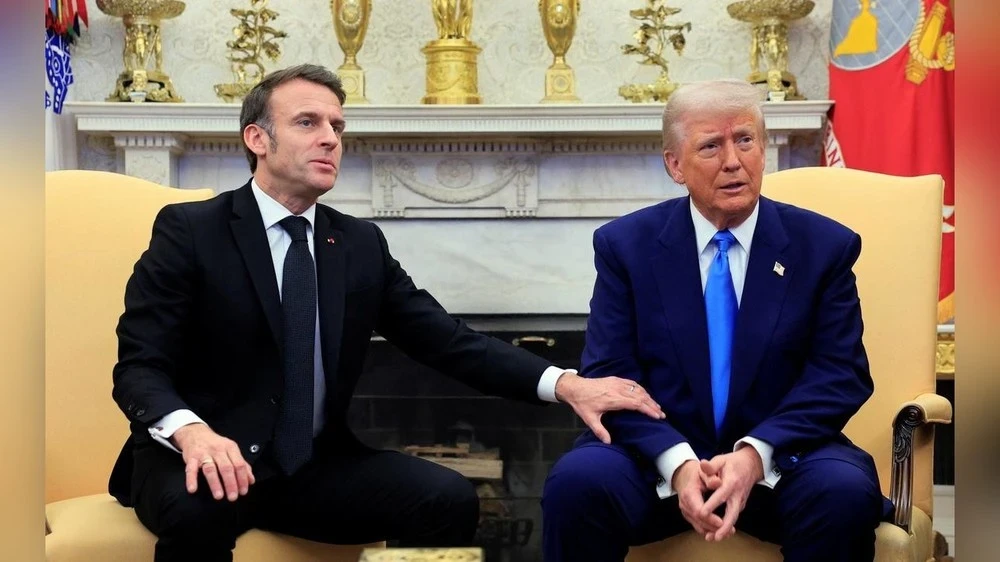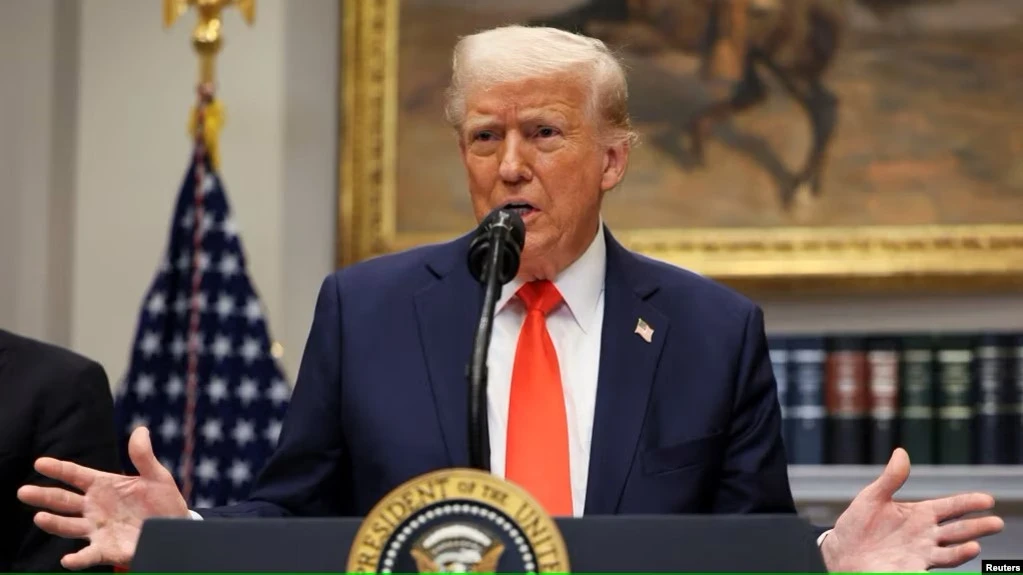
According to reports, seven countries, including Saudi Arabia, Turkey, and Egypt, have confirmed their desire to join the new World Council established at the initiative of U.S. President Donald Trump, BBC reports.
These countries will join Israel, which had previously confirmed its participation in the council.
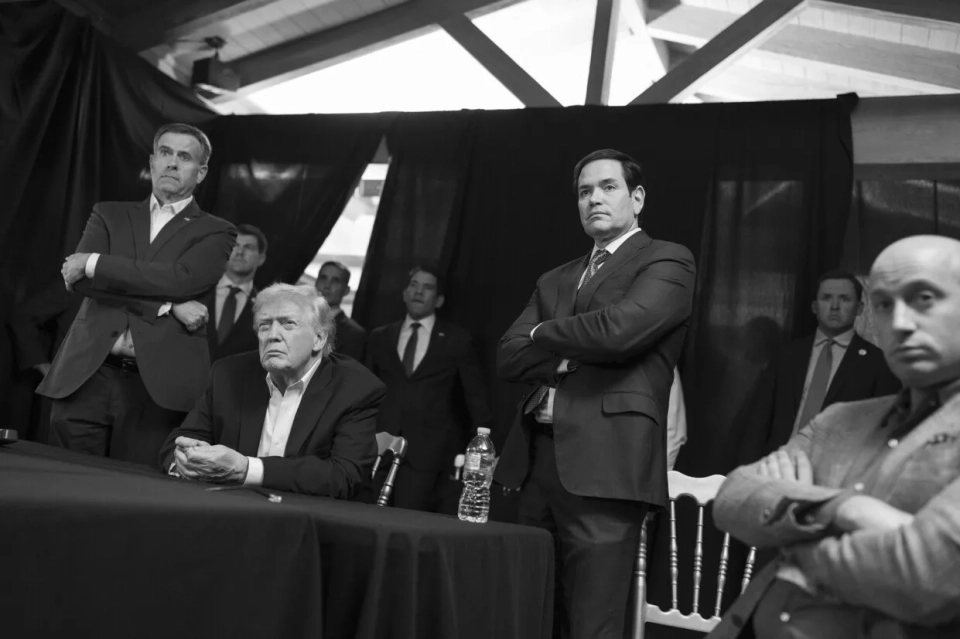
On Wednesday evening, Trump announced that Vladimir Putin had also expressed willingness to participate; however, the Russian president noted that his country is still considering the invitation.
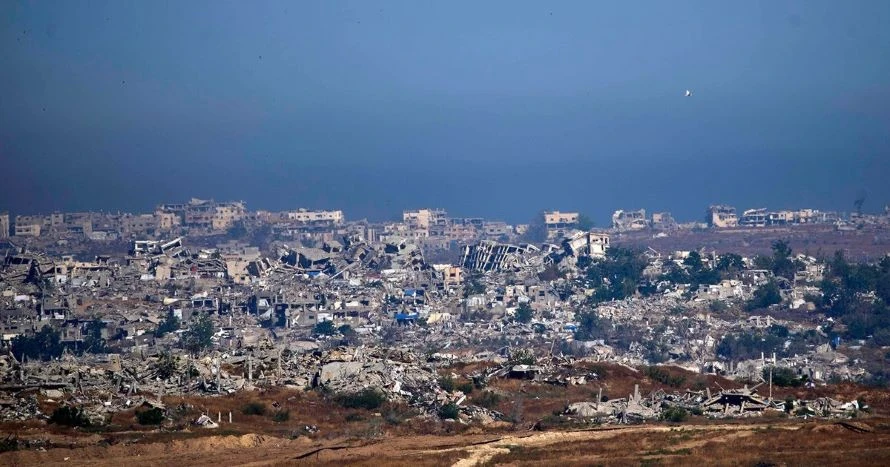
The council was initially intended as a step towards ending the two-year conflict between Israel and Hamas in Gaza, as well as for overseeing the reconstruction process. However, the proposed charter does not mention the Palestinian territories, and the council appears to be set to perform functions previously assigned to the UN.
Saudi Arabia stated that a group of Muslim countries—Saudi Arabia, Turkey, Egypt, Jordan, Indonesia, Pakistan, and Qatar—supports the aim of establishing a permanent ceasefire in Gaza, facilitating reconstruction, and promoting a "just and lasting peace."
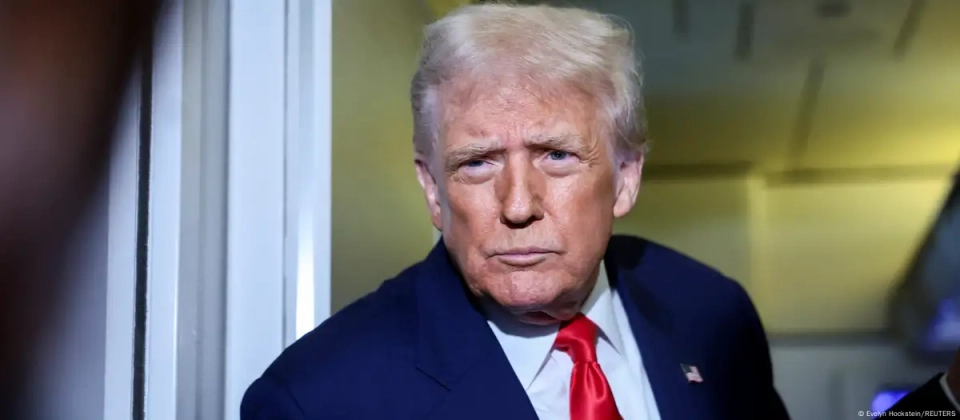
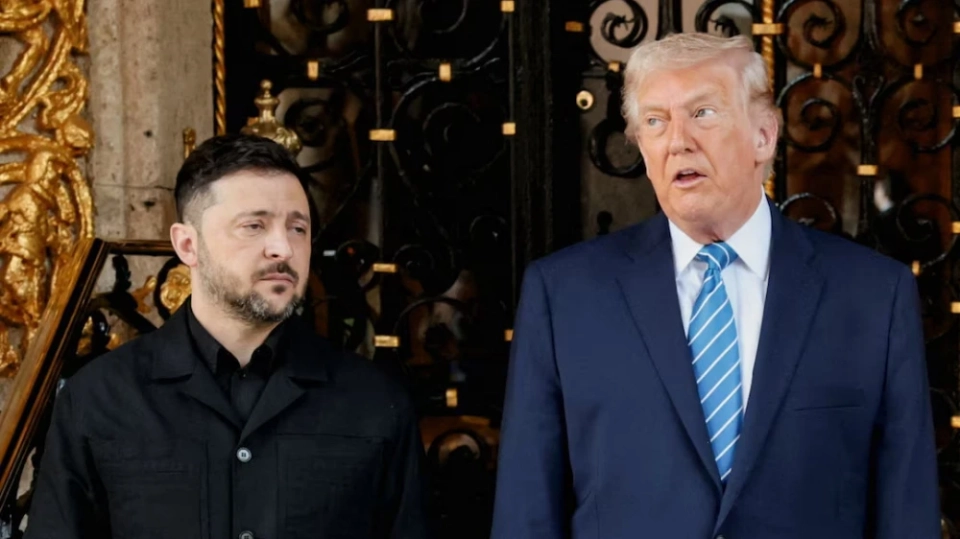
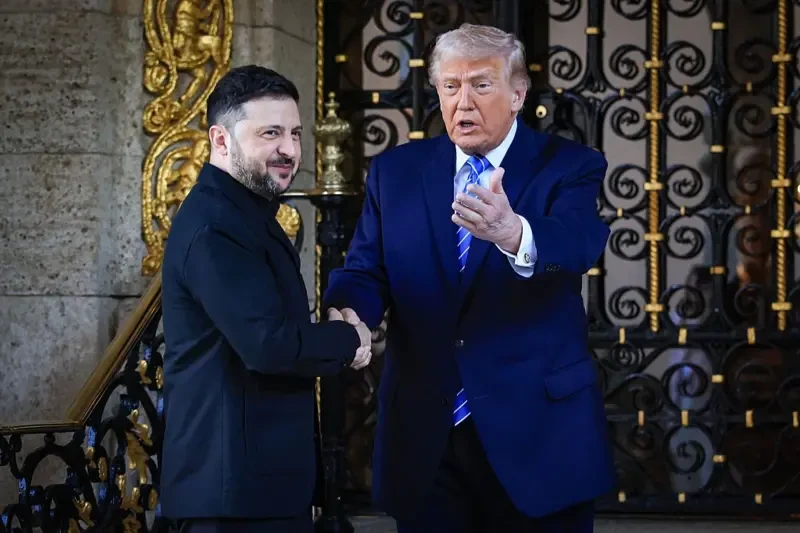
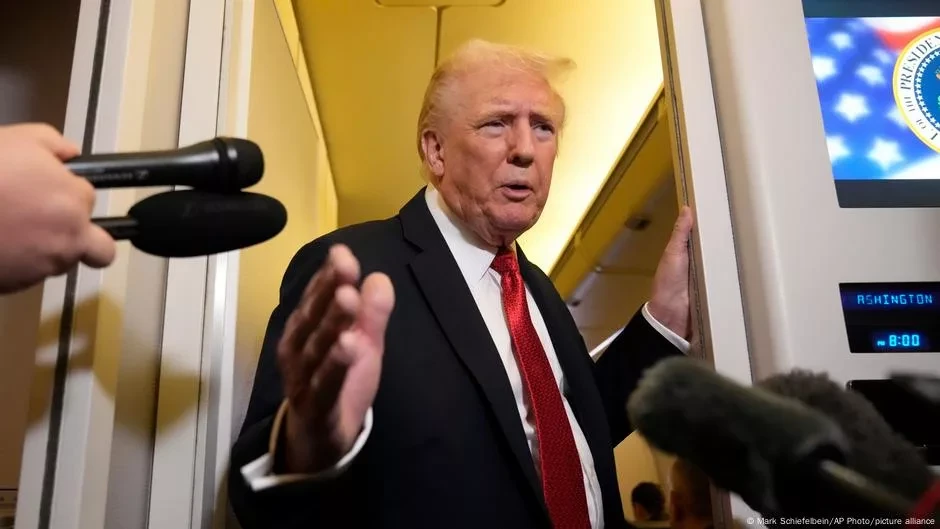
At the World Economic Forum in Switzerland, Trump told reporters that Putin accepted his invitation. "He was invited, and he agreed. Many people have participated," Trump said.
Meanwhile, Putin promptly responded, indicating that the invitation is under consideration, as reported by Reuters. He added that Russia is ready to allocate $1 billion from frozen Russian assets and believes that the council's work is of paramount importance for the Middle East.
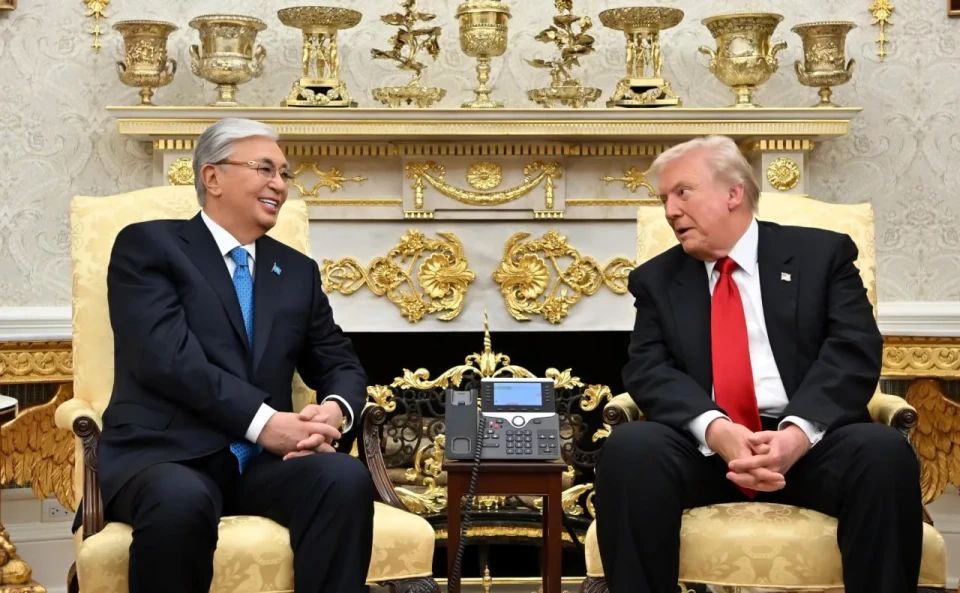
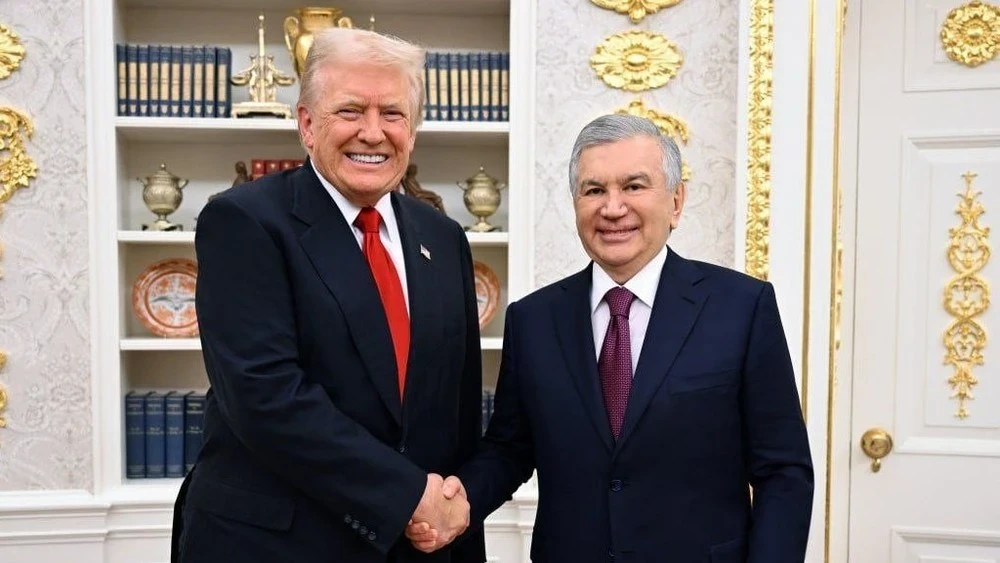
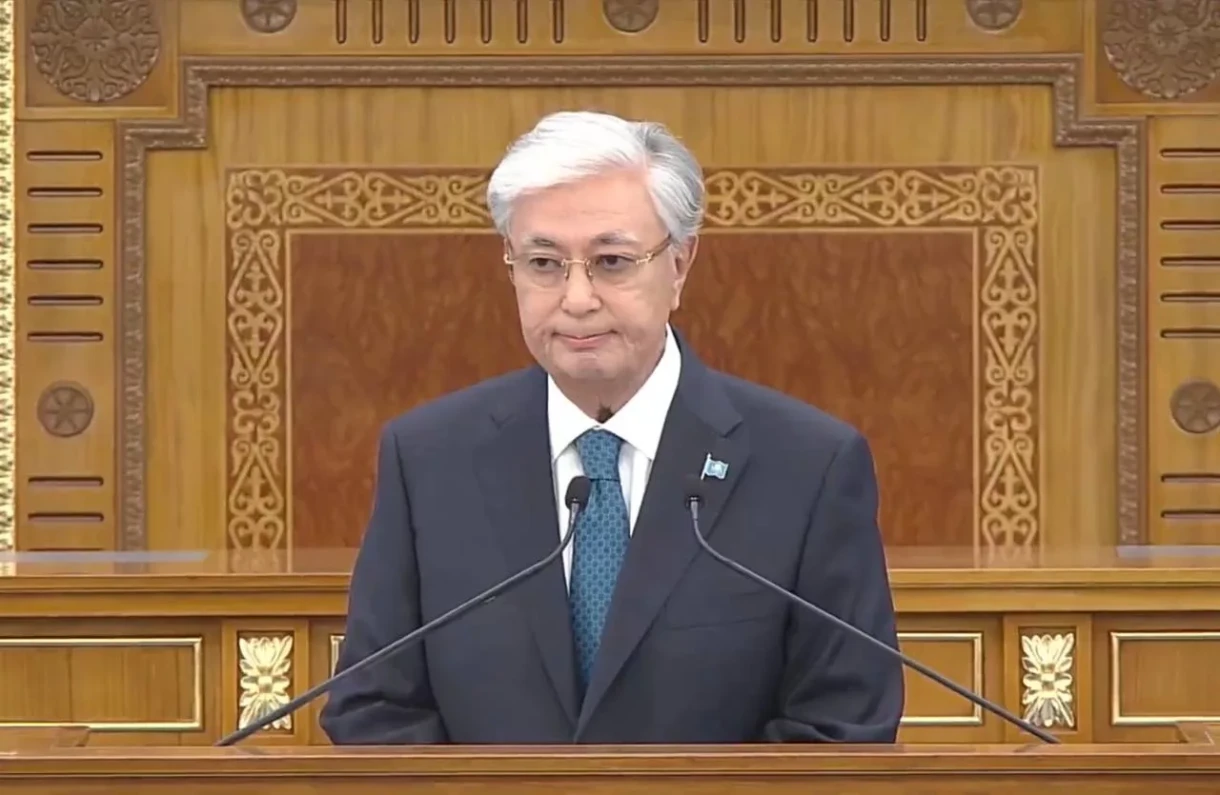
It is unclear how many countries received invitations to participate in Trump's new body; Canada and the UK are mentioned among them, but they have not yet made public statements. The UAE, Bahrain, Albania, Armenia, Azerbaijan, Belarus, Hungary, Kazakhstan, Morocco, and Vietnam have already signed documents to join.
Also on Wednesday, it became known that the Vatican confirmed receipt of an invitation for Pope Leo. Vatican Secretary of State Cardinal Pietro Parolin stated that the Pope will need some time to make a decision regarding possible participation.
By the way, Slovenian Prime Minister Robert Golob declined the invitation, noting that such an organization "dangerously interferes in the broader international order."
According to a leaked document, the charter of the World Council will take effect after three states officially agree to its terms. Council members will have the opportunity to extend their mandates for three years, and permanent seats will be available to those who contribute $1 billion (740 million pounds sterling).
The charter describes the organization as international and authorized to establish peace in accordance with international law, with Trump serving as the chair and representative of the U.S., having the right to appoint members of the executive council and create subsidiary organizations.
Last Friday, the White House announced the appointment of seven members to the founding Executive Council, including U.S. Secretary of State Marco Rubio, Special Envoy for the Middle East Steve Vitkoff, Trump’s son-in-law Jared Kushner, and former British Prime Minister Tony Blair.
Former UN Special Envoy for the Middle East Nikolai Mladenov was appointed as the council's representative in Gaza for the next phase of the plan, which includes reconstruction and demilitarization. The council's activities will be conducted in accordance with a UN Security Council resolution and will last until the end of 2027.
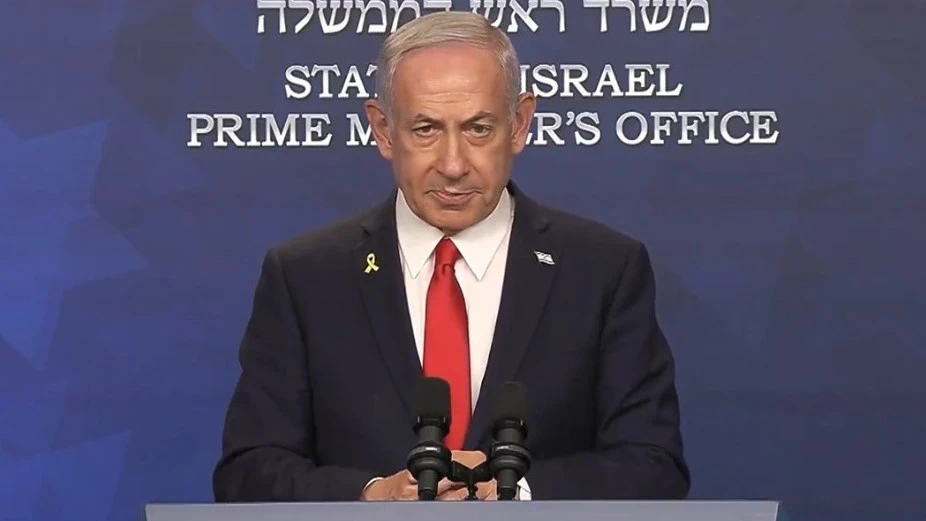
On Saturday, Netanyahu's press service reported that the composition of the Gaza Executive Council "was not agreed upon with Israel and contradicts its policy."
Israeli media report that the decision to involve Turkey and Qatar in the conference, which, along with Egypt and the U.S., helped reach a ceasefire agreement in October, was made "without Israel's participation."
In the first phase of the peace plan, Hamas and Israel agreed to a ceasefire, the exchange of living and deceased Israeli hostages for Palestinian prisoners, a partial withdrawal of Israeli troops, and an increase in humanitarian aid supplies.
Israel claims that it can only move to the second phase after Hamas hands over the body of the last deceased hostage.
The second phase faces serious obstacles, as Hamas previously rejected the demand for disarmament without guarantees for the creation of an independent Palestinian state, while Israel is not ready to fully withdraw its troops from Gaza.
The ceasefire situation remains precarious. According to the Gaza Health Ministry, since its implementation, more than 460 Palestinians have died as a result of Israeli attacks, while Israeli military reports three of its soldiers killed in attacks by Palestinians.
The conflict began after Hamas attacked southern Israel on October 7, 2023, resulting in about 1,200 deaths and 251 people taken hostage.
Israel responded to this attack by launching a military operation in the Gaza Strip, during which, according to local health ministry data, more than 71,550 people have died.