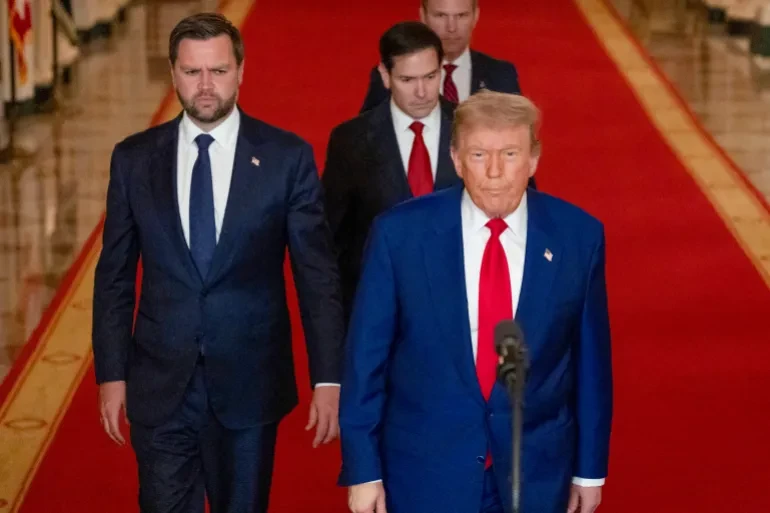
The Trump administration expanded the concept of the council, originally intended to address issues in Gaza, into a global body that will deal with conflict resolution, previously under the purview of the UN. The circulated charter states that a contribution of 1 billion dollars is required for a permanent seat.
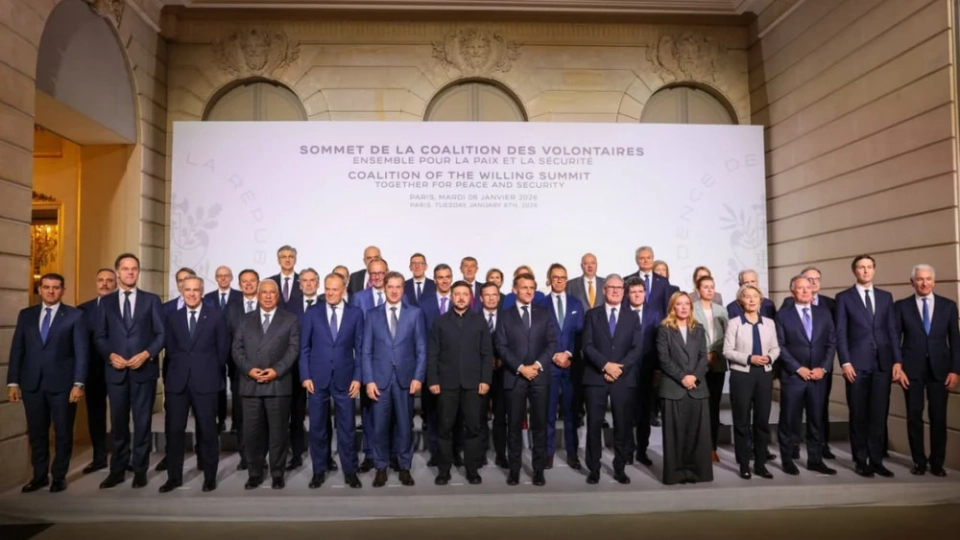
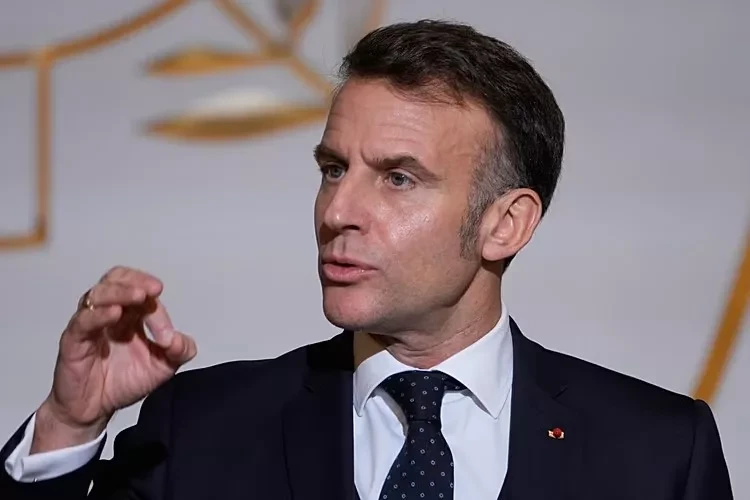
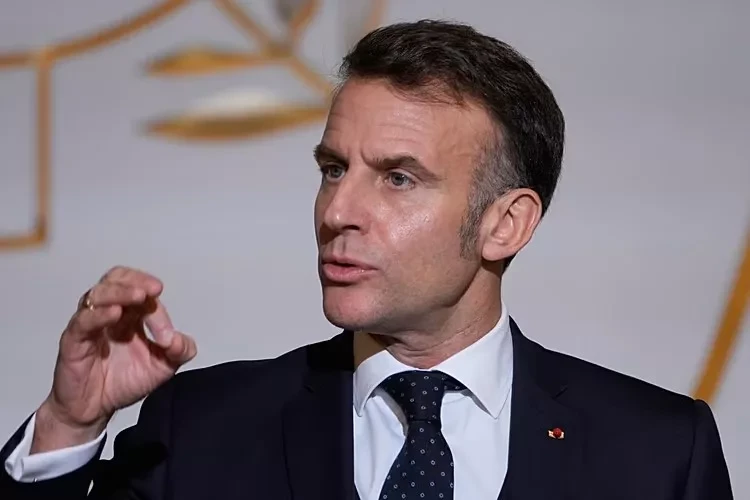
Critics fear that Trump is trying to create an alternative to the UN, which he has long criticized for inefficiency. According to a source, Macron expresses concerns about the charter of the new organization, believing that it goes beyond the current situation in Gaza and may threaten the principles and structure of the UN, which France considers fundamental.
The preamble of the charter states that "too many methods of building peace lead to permanent dependency and institutionalize crises," and calls for the creation of "a coalition of states for practical cooperation and effective action."
Julien Barnes-Dacey, director of the Middle East and North Africa program at the European Council on Foreign Relations, notes that it is hard not to perceive this as an attempt by Trump to create a precedent that could be used in other situations where he will make global decisions.
Analysts believe that countries such as China, Russia, France, and the United Kingdom, permanent members of the UN Security Council, are unlikely to want to replace this body with Trump's council. Many other states, viewing the UN as an important international forum, may also express distrust towards this initiative.
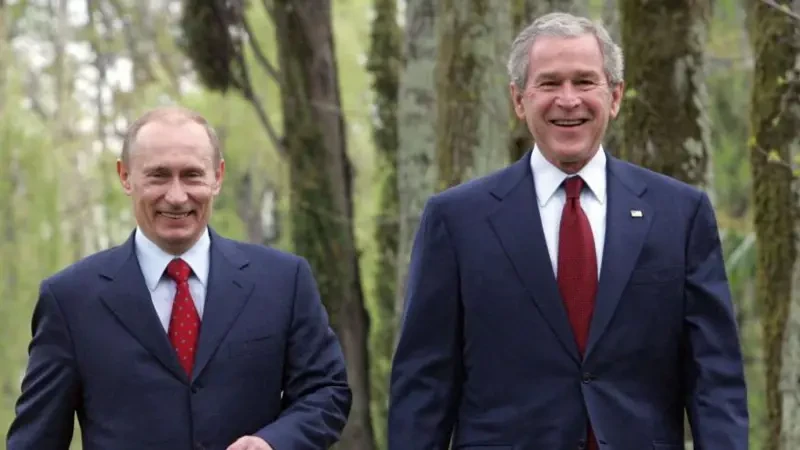
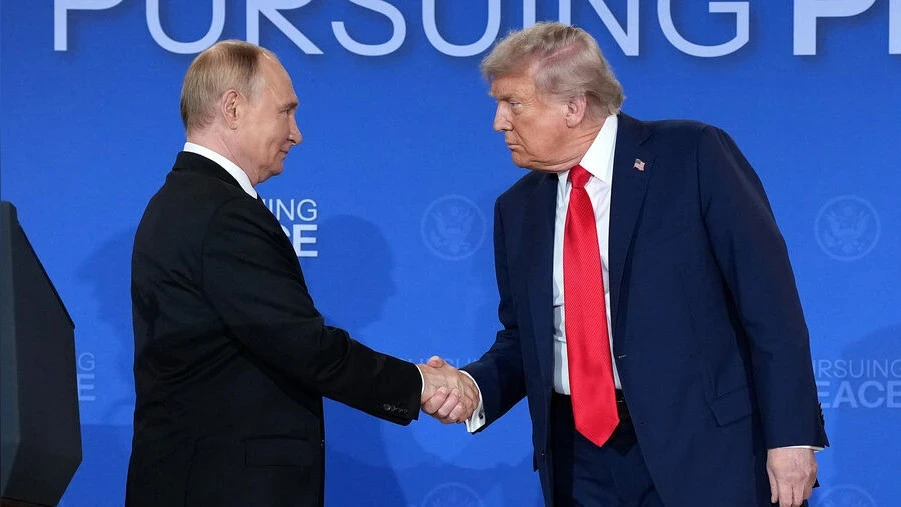
According to Kremlin spokesman Dmitry Peskov, Vladimir Putin has received an invitation to participate in the Council of Peace. He noted that Russia is studying the details of the proposal and intends to contact the American side to clarify all nuances, without mentioning the 1 billion dollar contribution.
According to the charter, the "Council of Peace" is to promote stability and ensure lasting peace in conflict zones or where there is a threat of its emergence. However, some Arab countries protest against the council's involvement in other conflicts, emphasizing the need to first focus on a peace plan for Gaza, as creating an alternative global structure under Trump's control is considered risky.
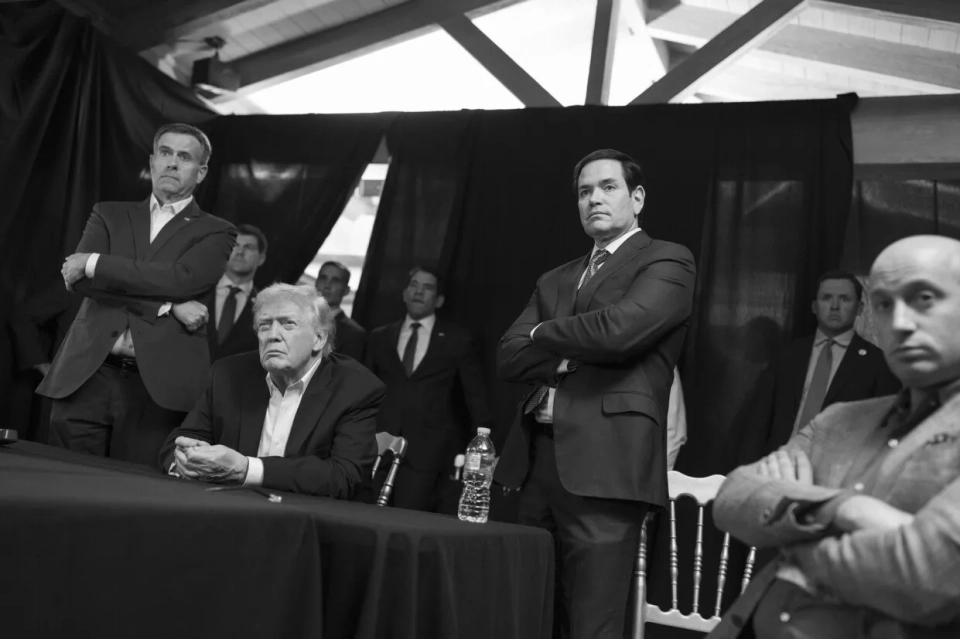
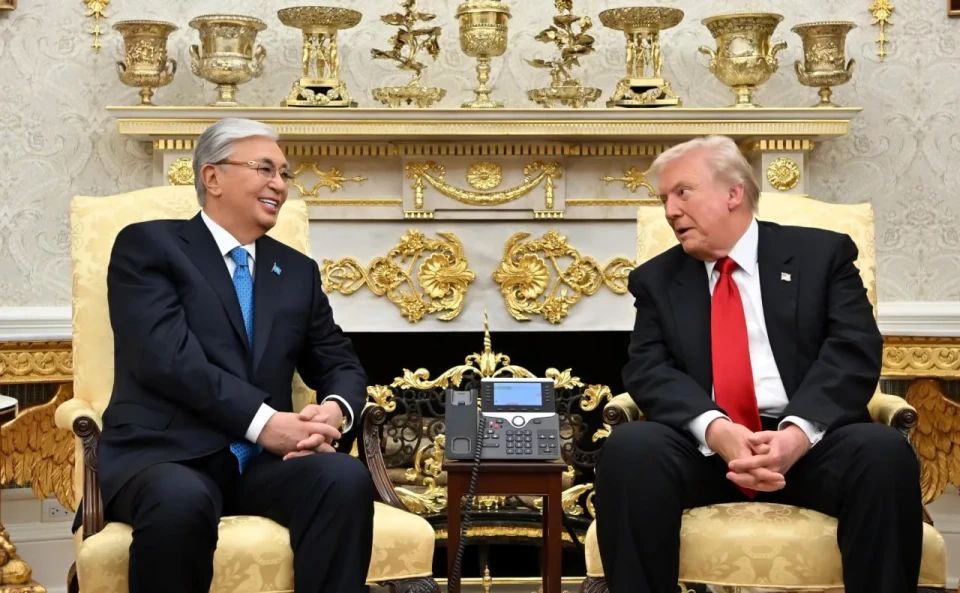
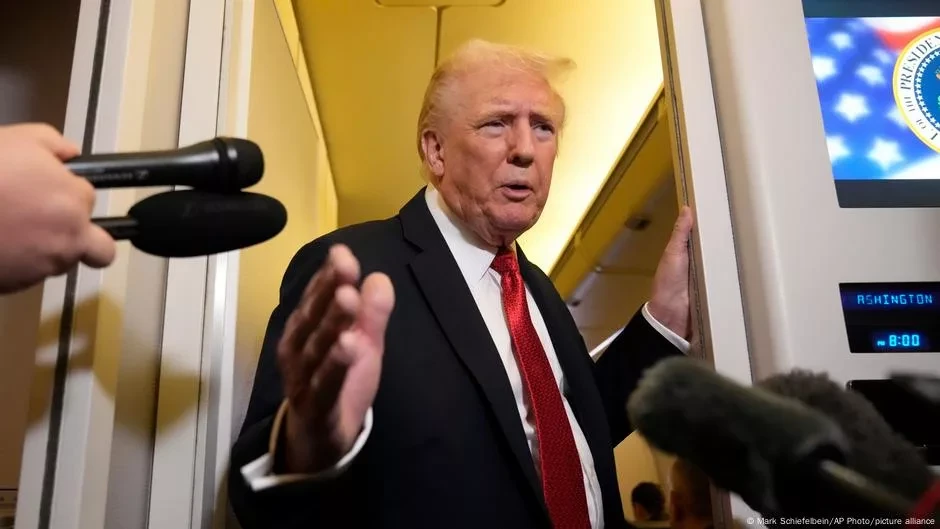
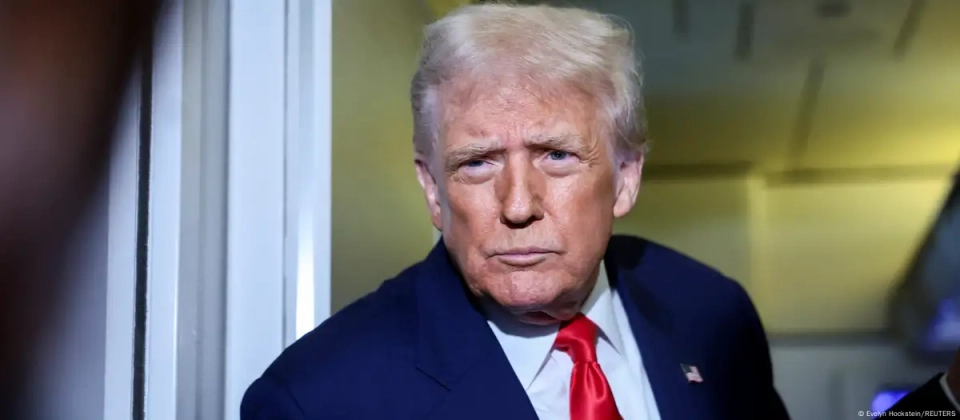
As chairman, Trump will be granted broad powers, including the right to appoint and dismiss council members, as well as veto its decisions. The charter stipulates that decisions will be made by a majority of the votes of present and voting members with the approval of the chairman, who may also vote in the event of a tie.
Additionally, the chairman has "exclusive powers" to create other structures necessary to fulfill the council's tasks.