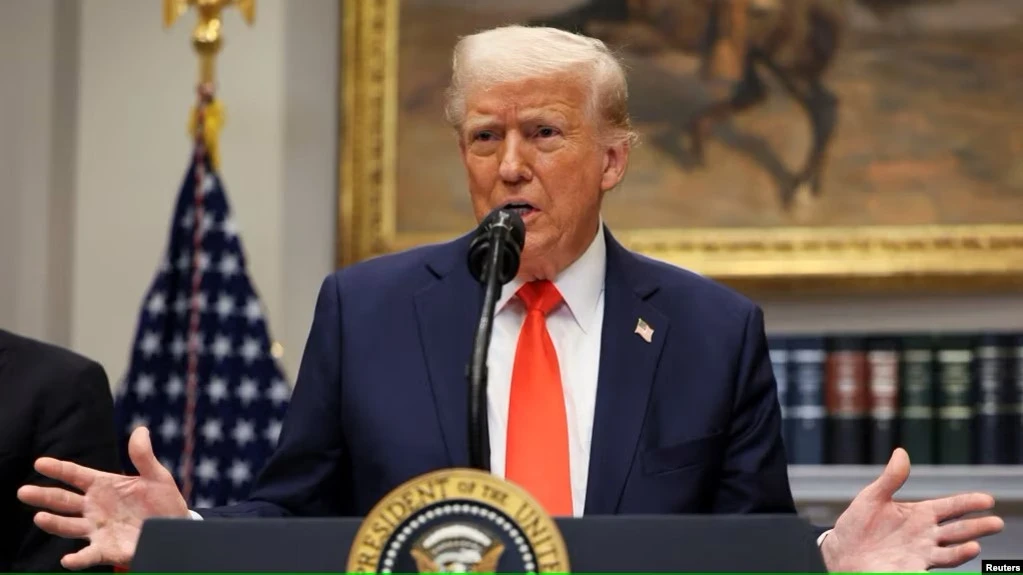
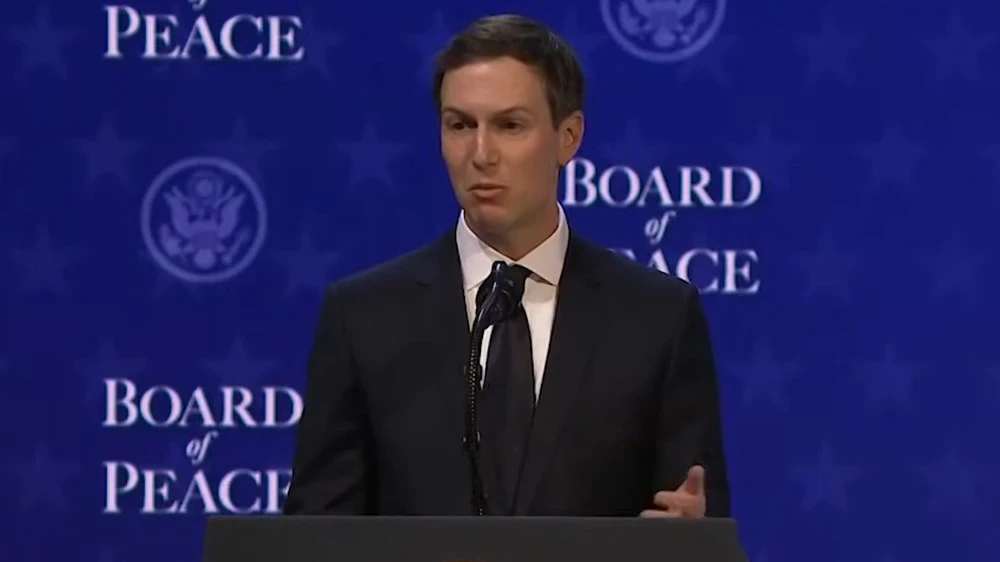
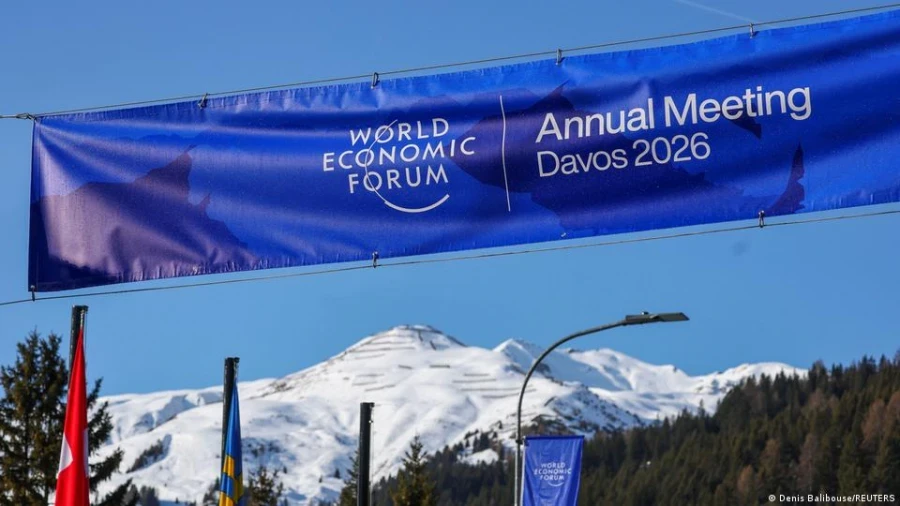
Initially, the organization's concept was linked to managing the situation in the Gaza Strip. However, the charter of the "Council of Peace," which was signed on January 22 at the World Economic Forum in Davos, does not mention the Gaza Strip, implying a broader mandate for the council that encompasses other conflict regions as well. Trump had previously stated that the "Council of Peace" could serve as an alternative to the United Nations, while later clarifying that the new structure would not aim to completely replace the UN in addressing global issues.
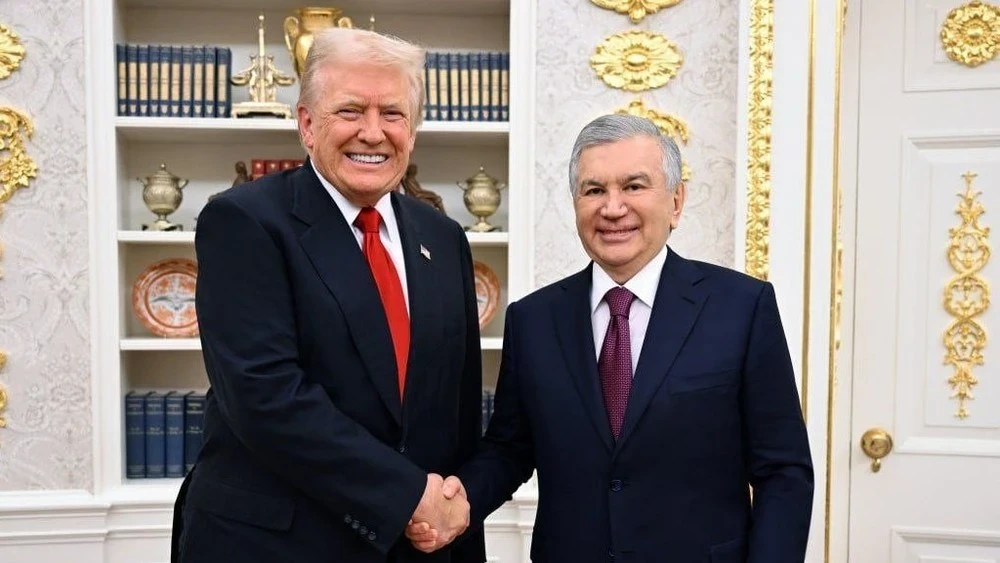
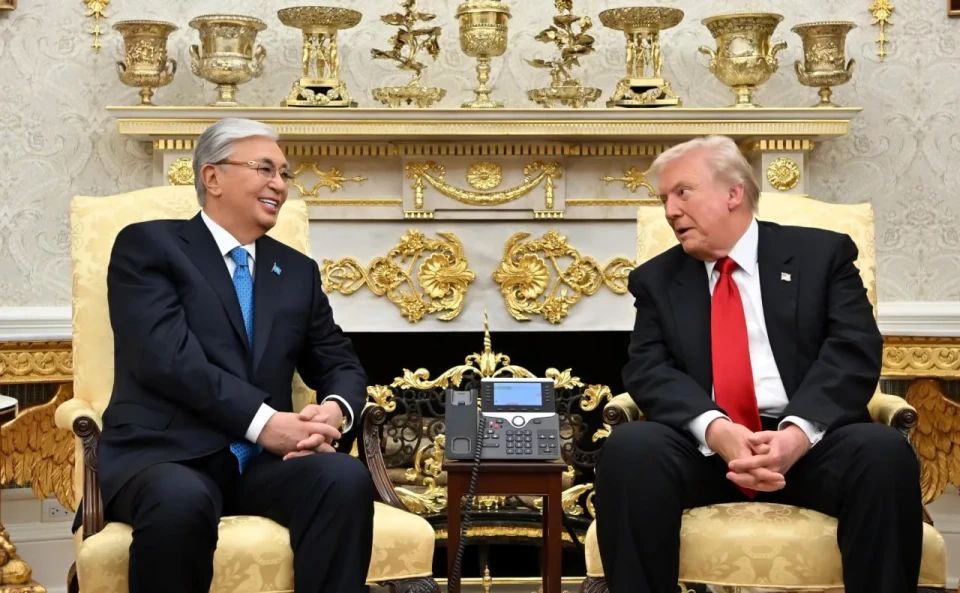
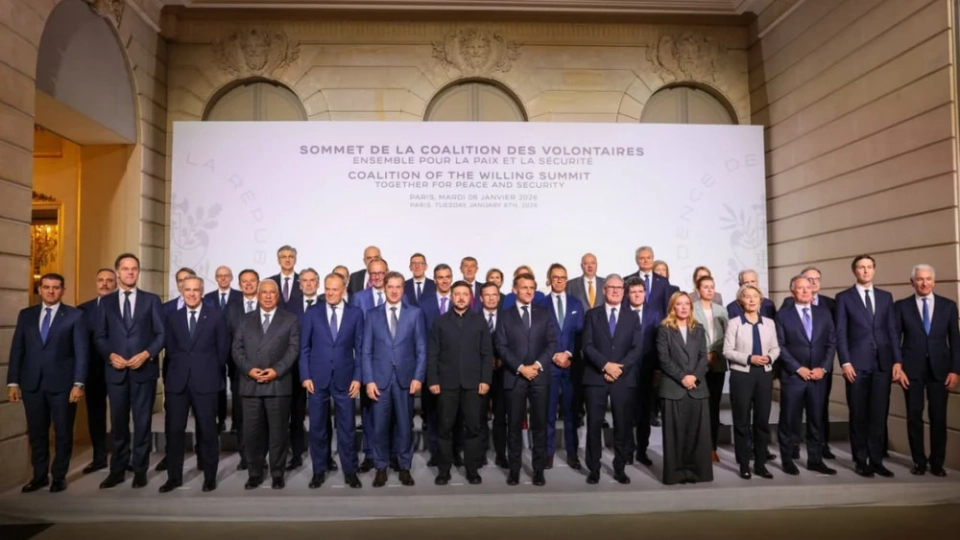
France, Germany, and Italy declined to participate in the "Council of Peace." Nevertheless, Kazakhstan and Uzbekistan received invitations and signed the charter. Officials in Akorda confirmed that Kazakhstan did not contribute $1 billion, as this is not a mandatory requirement but a voluntary contribution.
Kaktus.media gathered expert opinions on the reasons why Kazakhstan and Uzbekistan agreed to join the council, as well as the potential consequences of this organization for Central Asia and the situation in the Middle East.
Arkady Dubnov
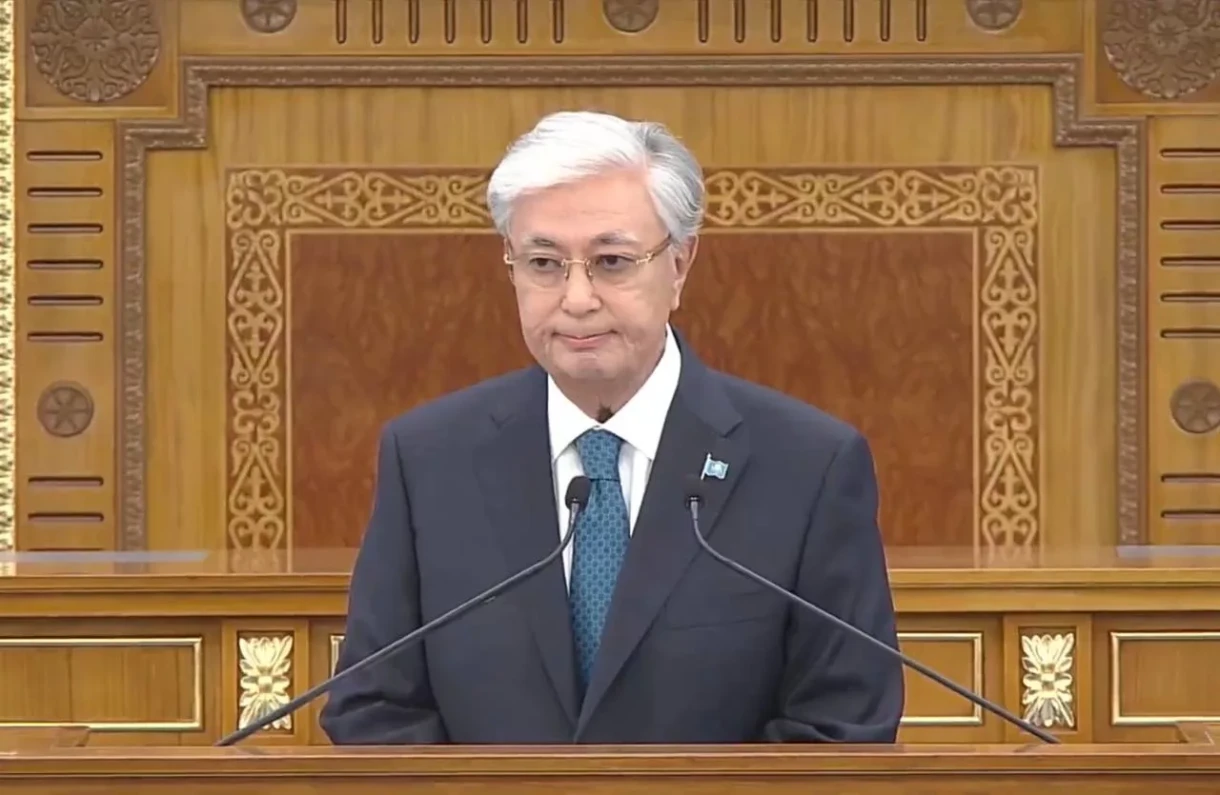
Political scientist and Central Asia expert Arkady Dubnov, in an interview with the Kazakh publication Atameken Business, expressed the opinion that Trump is interested in the resources of Kazakhstan and Uzbekistan. He jokingly noted that these countries seem to be returning to "Soviet times," where all power is concentrated in a council, only now it is Trump's "council."According to him, Trump's offer is one of those cases where it is customary not to refuse, although there are countries that have demonstratively declined the invitation. However, this pertains to states with a different history and political weight.
"For example, France and the UK refused, not hiding their motives: they do not want to be in the same structure as the president of Russia. This is important. Kazakhstan, despite its significant resources and international ranking, remains a middle-level country and is currently in a vulnerable position between various centers of power during this turbulent period. Trump has changed the global balance, and Kazakhstan needs to find its place on this new board. Therefore, Tokayev's agreement was logical, and soon news followed from Uzbekistan. Shavkat Mirziyoyev also received an invitation, although Tashkent did not publicize it," Dubnov noted.
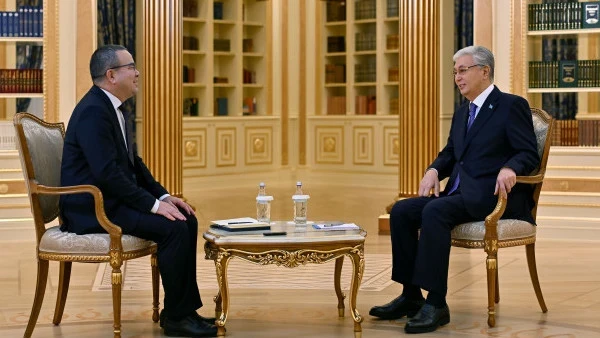
He also emphasized that Tokayev is Trump's "favorite," as confirmed during their short conversation on January 22 in Davos.Jokingly, Tokayev reminded Trump that of all the decisions made during his year in office, the 177th was the decision to invite Kazakhstan to join the Abraham Accords. Trump, according to the Kazakh president, reacted positively to this, patting him on the shoulder. While this may seem familiar, Americans have their own style of communication. This brings certain bonuses to Kazakhstan, considering that its leader knows how to maintain stability in the post-Soviet space and build equal relations with world leaders.
Kazakhstan is situated between powers like China and Russia, as well as being far from Europe and closer to the U.S., which today plays a key role in global affairs. Therefore, its reaction was expected," Dubnov added.
Nevertheless, he pointed out the potential risks for Kazakhstan associated with membership in this council."While it is assumed that the 'Council of Peace' will address issues in the Gaza Strip, there is a likelihood that Kazakhstan may lose part of its image. This is because the 'Council of Peace' claims not only to resolve Gaza's problems. There are grounds to believe that actions by the U.S. regarding Iran may arise soon, and Kazakhstan, being close to Iran (at least across the Caspian Sea), as a member of the 'Council of Peace' led by Trump, could find itself under pressure. This could negatively affect the country's image and Tokayev himself. It should be noted that expecting only positive results from joining the 'Council of Peace' is unrealistic. There may also be negative consequences, and the situation requires caution. We do not know the text of the charter, so it is unclear how much the members of the 'Council of Peace' will be restricted in their actions," he emphasized.
Dubnov also noted that the "Council of Peace" cannot be fully legitimate without the participation of countries like China, Britain, and France. However, if the situation in Gaza improves, it may confirm the strength of this organization and Trump as its creator.
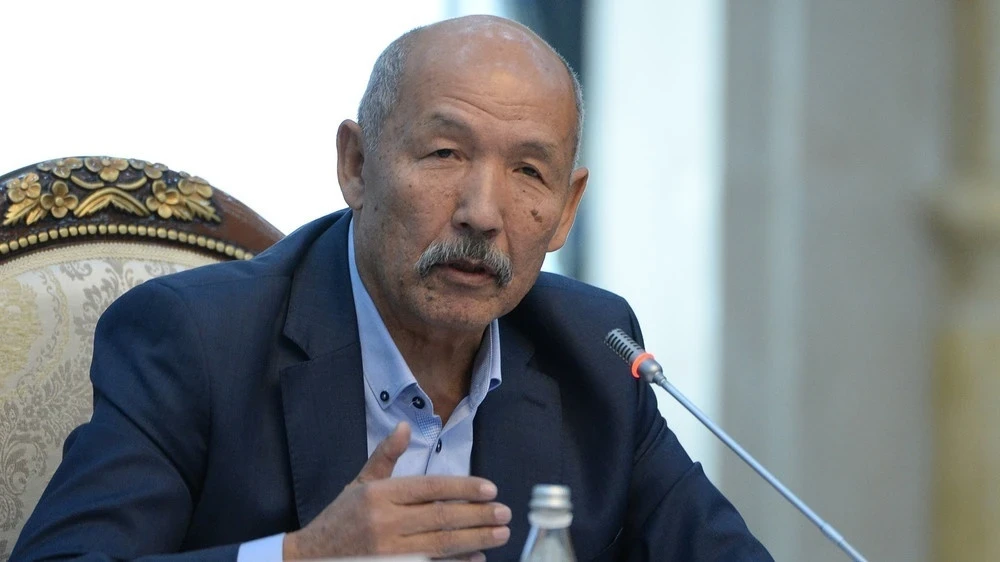
K alnur Ormushev
Analyst Kalnur Ormushev pointed out that Trump's initiation of the "Council of Peace" is linked to his desire to resolve the conflict in the Gaza Strip. He also calls on participants to bring $1 billion with them, which is necessary not only to address issues in Gaza but also to ensure stability and recovery in other conflict regions."The 'Council of Peace' could become an alternative to the UN and influence peacekeeping missions," he added.
"It includes serious participants, including world leaders such as Russian President Vladimir Putin. It is clear that the tasks of the 'Council of Peace' will go beyond resolving Gaza's issues. I believe that the functions of structures like the UN or the 'Council of Peace' could significantly expand in favor of peace," Ormushev stated.
According to him, the UN, marking its centenary, remains an expensive and ineffective project, while Trump, although not a young politician, offers fresh ideas and wants to create a more effective and dynamic structure than the UN. The future of the "Council of Peace" is still unclear, and Trump has shown multiple times that his promises may remain unfulfilled. "A true politician is one who first promises and then explains why it didn't work," he noted.
Ormushev also believes that Putin's decision to invite Trump aligns with Russia's interests and international politics, while it is important to consider China's position on this issue.
"I am confident that Moscow and Beijing are coordinating their actions. If Xi Jinping does not participate in the summit, Putin may promote a coordinated political line, especially on issues where Trump sets the tone. In any case, the 'Council of Peace' could be a step towards peace in the Middle East. As they say, 'the journey of a thousand miles begins with a single step,'" he reminded.
The analyst believes that the invitation to only Kazakhstan and Uzbekistan to the "Council of Peace" is linked to the fact that the former is the largest in the region by territory and resource reserves, while the latter stands out in terms of population and quality of economic development.
"It is obvious that Trump's team considered the activity and authority of Central Asian leaders on the international stage, as well as their usefulness for the work of the 'Council of Peace.'
Speaking of the president of Turkmenistan, I still do not understand who he really is: a full-fledged president or just a 'daddy's boy.' He clearly lags behind the leaders of Kazakhstan and Uzbekistan, who are experienced politicians and diplomats, and is unlikely to enhance the effectiveness of the 'Council of Peace' created by Trump.As for the presidents of Tajikistan and Kyrgyzstan, Trump has an expression that "no one wants President Macron in the 'Council of Peace,' as he will soon resign. I think the Americans understand that our president has elections in a year, and Rahmon is also concerned about preparing his successor. Trump, believing that the presidents of Kyrgyzstan and Tajikistan may be invited later, thinks he won't get a billion dollars from them. Their friendly relations with neighbors like China and Russia also play an important role," Ormushev noted.
Currently, there is no official information on whether Putin accepted Trump's invitation to the "Council of Peace." However, his statement about the possibility of directing significant funds from frozen Russian assets to recovery projects in the Middle East may serve as a signal of readiness to accept Trump's proposal, demonstrating his level of political acumen.
"Despite economic sanctions and complex situations, Putin is constructively approaching Trump's initiative, while some NATO countries have refused to support their partner. This underscores that Trump should consider who it is more beneficial for him to cooperate with," Ormushev concluded.