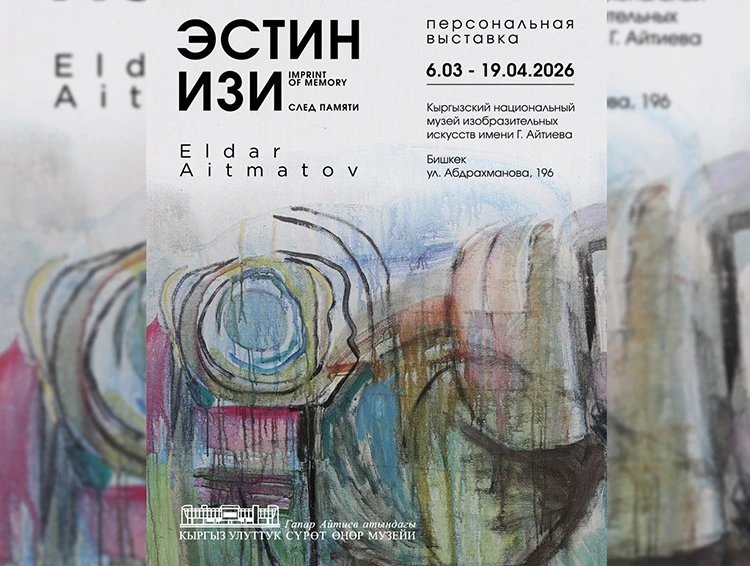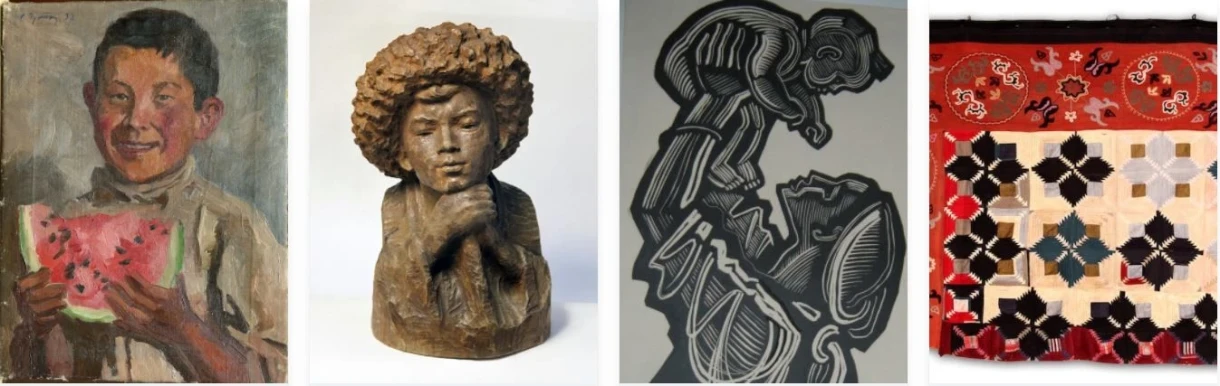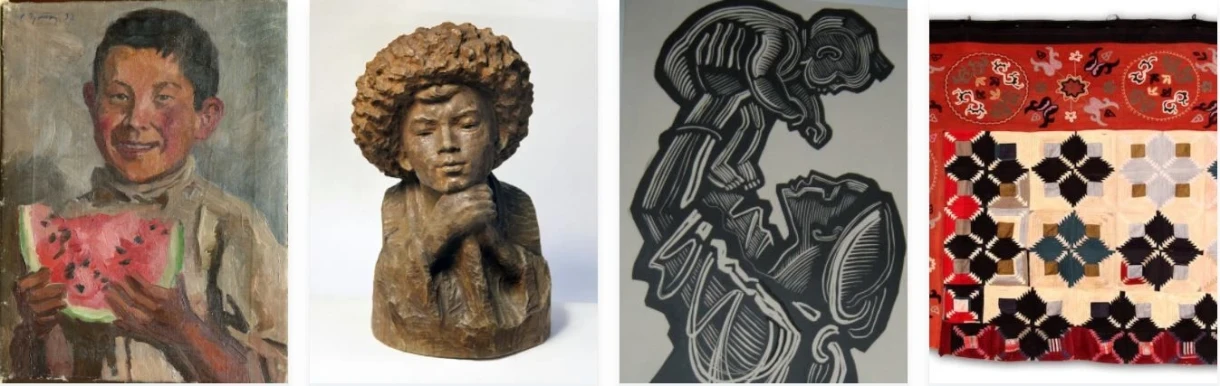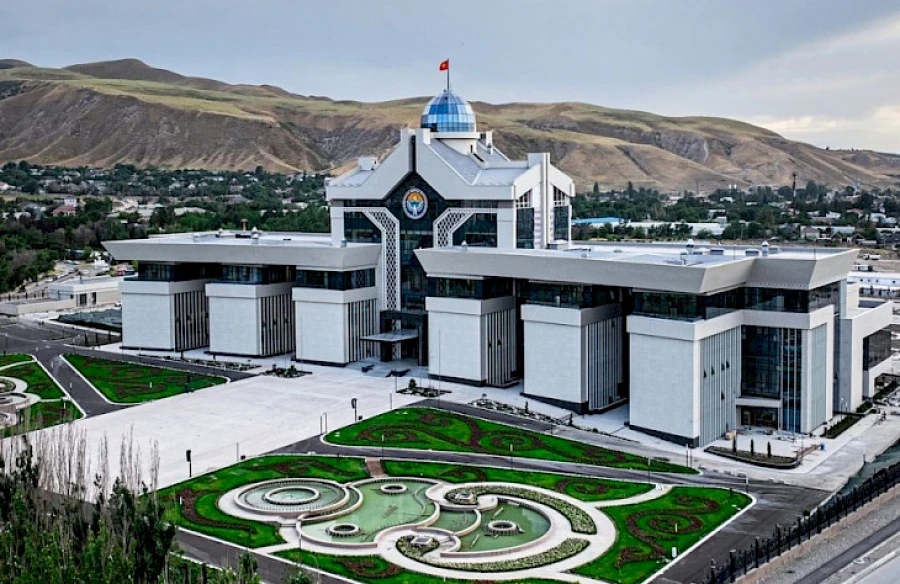
The museum's staircases were filled with people who curiously discussed the upcoming exhibition by Eldar Aitmatov titled "Trace of Memory." This exhibition explores what remains with us after experienced emotions, losses, and years lived, emphasizing the importance of memory as an elusive yet constant trace in our lives.
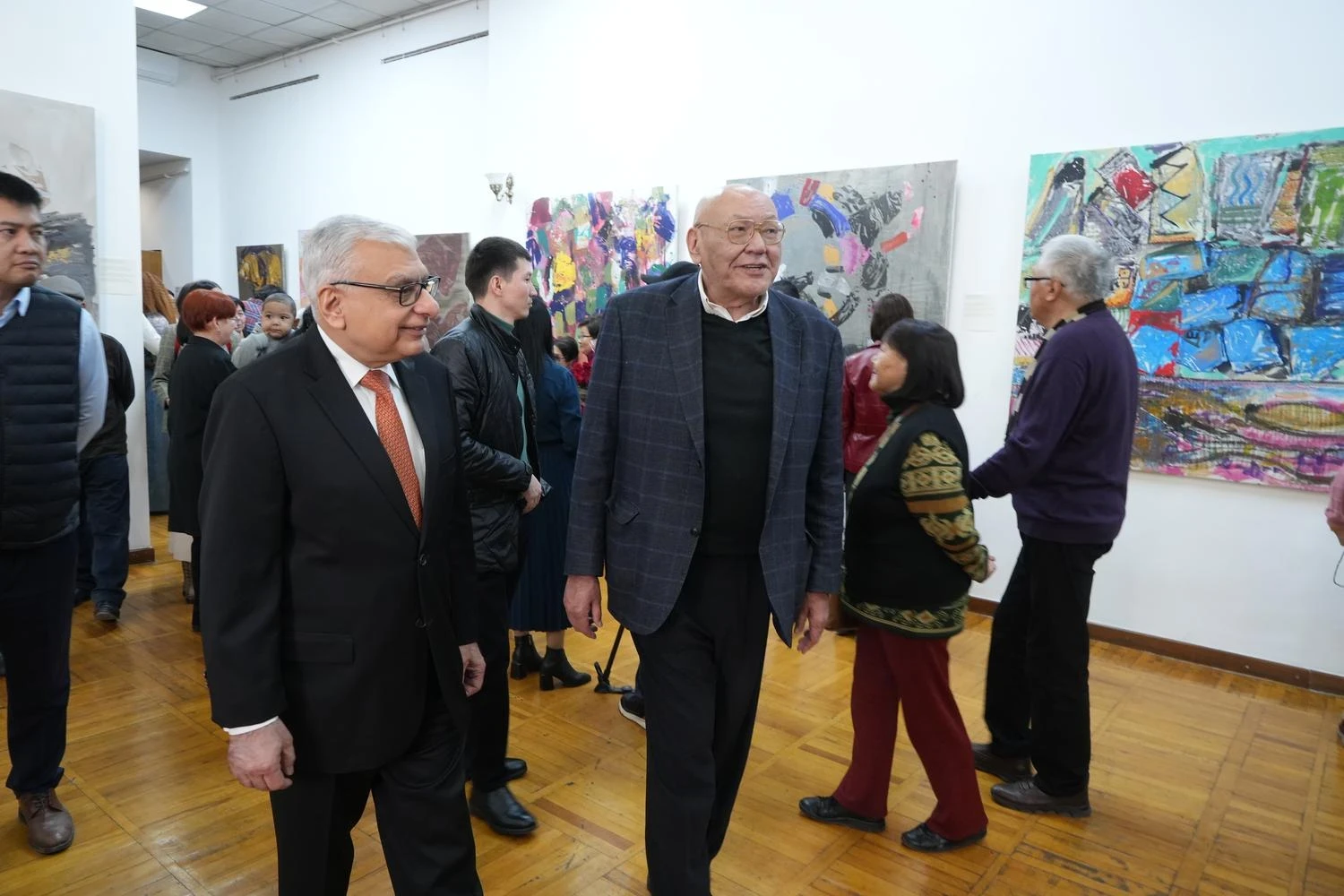
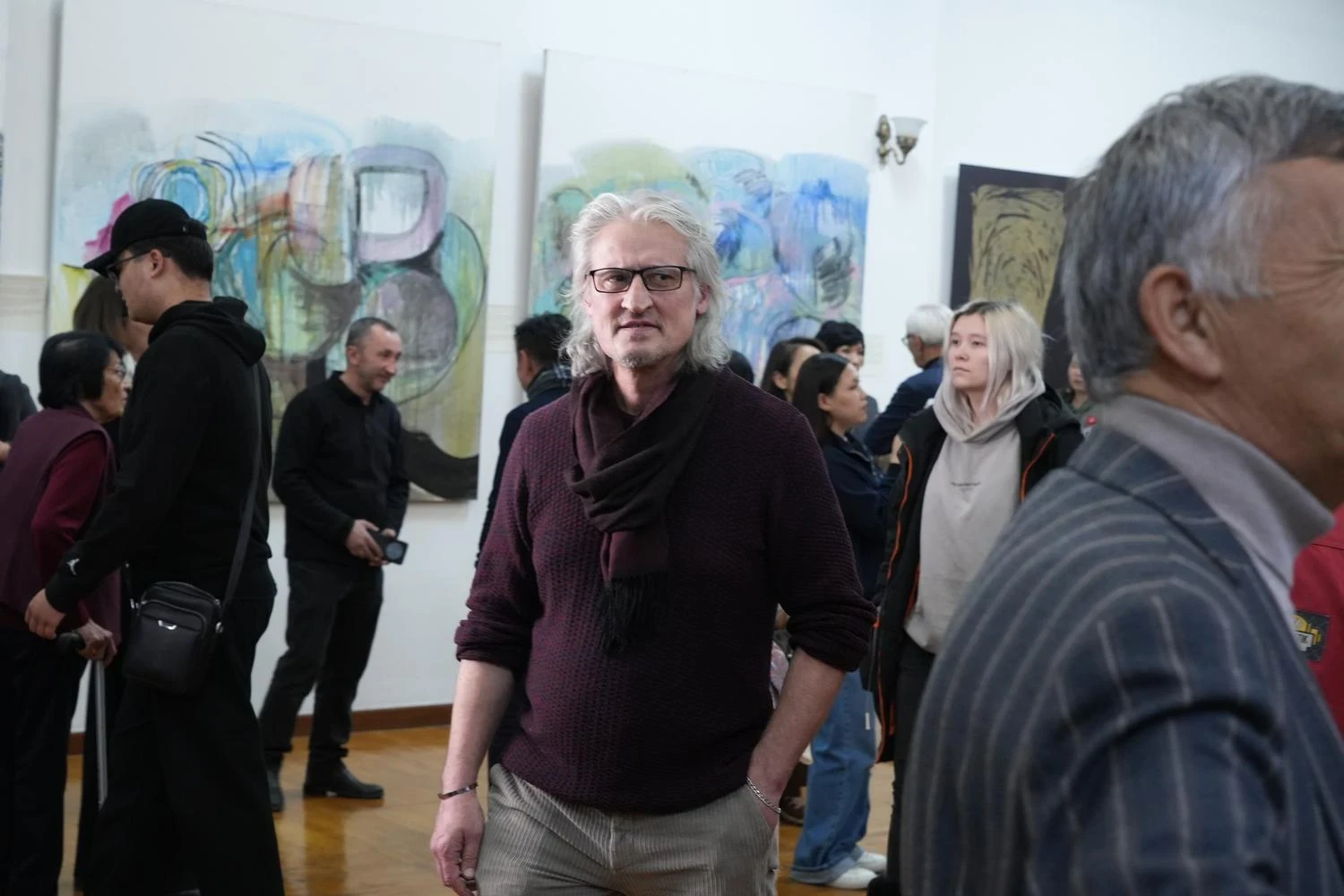
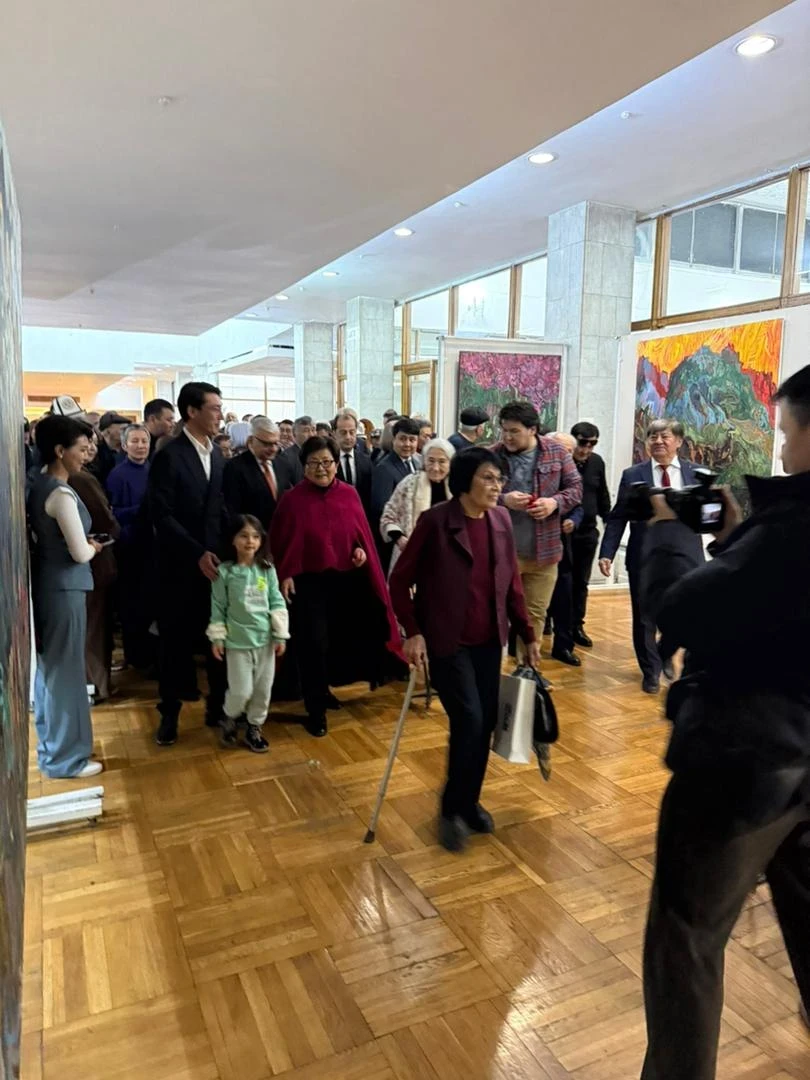
As the exhibition hall filled up, one could meet diplomats, artists, curators, well-known public figures, and simply art lovers. The air was infused with the scents of perfumes and fresh printing ink — a catalog featuring the artist's works was released for the exhibition, which guests eagerly studied, examining reproductions and then shifting their gaze to the paintings that were already "living" on the walls.
Music played by a DJ filled the hall, creating a stylish backdrop for the evening. Modern electronic compositions set an atmosphere of anticipation and light excitement before the encounter with painting. Guests exchanged greetings, took photos, and this anticipation added a special charm to the evening — uniting people through art and shared interests.
The opening ceremony began with warm words spoken by the former President of the Kyrgyz Republic, Roza Otunbayeva. She emphasized the importance of memory — both personal and national — and the role of art in preserving it. Otunbayeva noted that creativity helps to reflect on life experiences and transforms them into a universal language.
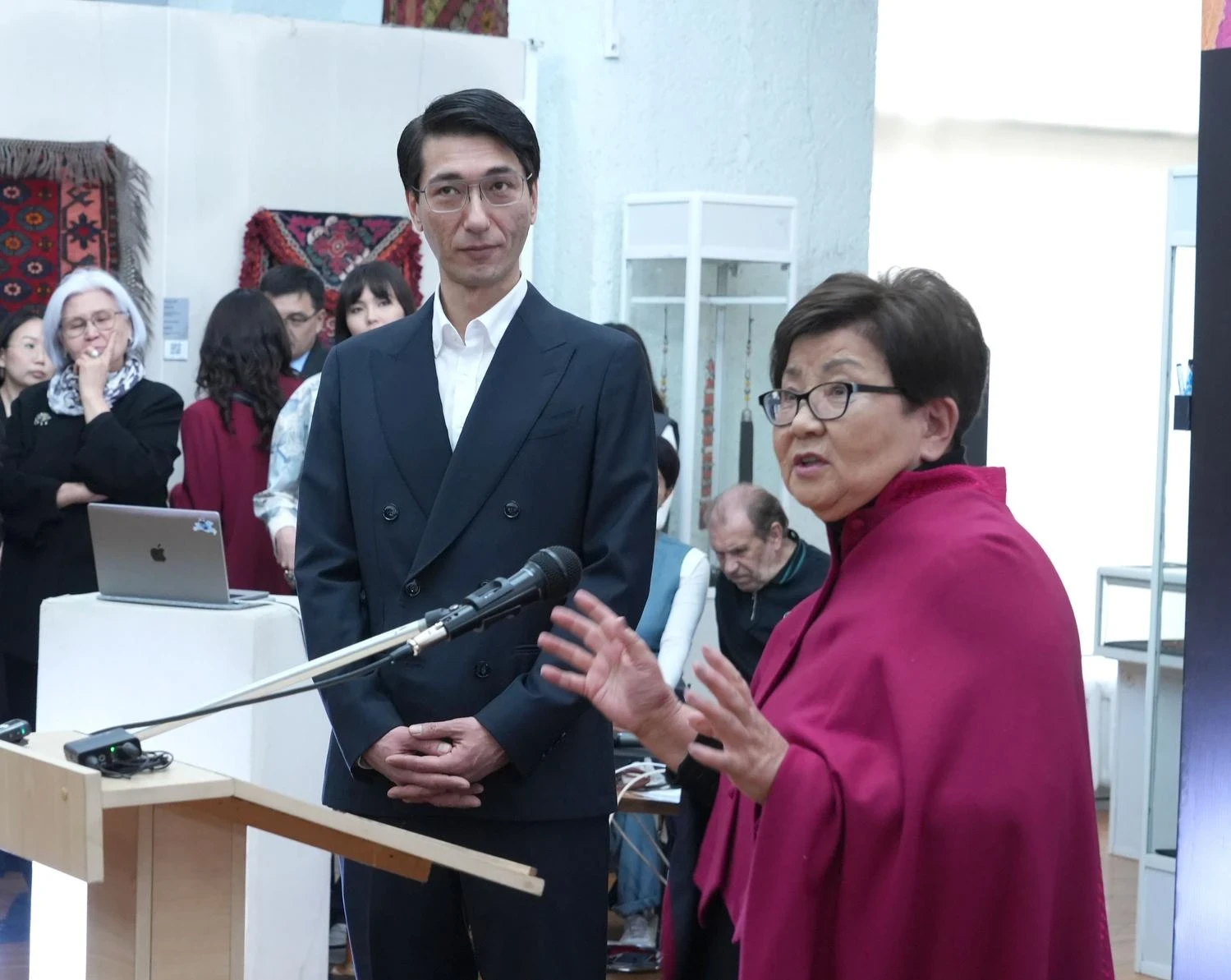
Deputy Prime Minister Edil Baikakov also highlighted the significance of this event for the country's culture, emphasizing that such exhibitions become important public events that remind us of the values that unite people.
Notable philanthropist Askar Salymbekov also spoke at the event, focusing on the importance of supporting artists and the significance of such projects for the cultural life of the city.
Roza Aitmatova, a relative of the artist, shared touching memories of Eldar's childhood, noting his early love for art and his desire to express his feelings through creativity.
The name of Chinghiz Aitmatov, the great writer, was also mentioned. Guests shared their stories of encounters with him and discussed his influence on the cultural heritage of the country, which continues to live on in various arts.
A special moment of the evening was the performance by Eldar Aitmatov himself. The artist acknowledged that this exhibition holds special significance for him, as although his works had been presented in various venues, this is his first major solo exhibition on his native soil.
Eldar dedicated the exhibition to his parents, and his voice carried both gratitude and sadness.
— I am very sorry that my parents could not witness this exhibition, — he said. — I am sure my mother would have been especially happy.
He also recalled his father's words:
— My father had an important thought that conscience makes a person human. I would add that it is memory that gives a person conscience.
These words were spoken softly, but a special silence fell over the hall, encapsulating the main idea of the exhibition — memory as an internal guide connecting the past with the present.
Eldar hopes that his works will resonate with viewers and help them reflect on their own memories, on the traces left in us by encounters, people, and events.
The exhibition curator, Shayim Obozova, shared that the preparation process became a true creative journey for the team.
— The entire process was accompanied by inspiration and excitement, — she admitted. — The works are deep and require thoughtfulness and contemplation. It is gratifying that such significant projects are emerging in the city. I really hope that residents will not miss the opportunity to see this exhibition, which will last until April 19.
One of the most attractive zones of the exhibition was the interactive part.
Visitors could see how paintings are created — a large screen displayed the artist's working process, from the first sketches to the final touches. People stopped, watching as an image emerged from the movement of the hand and color.
Nearby was a photo zone, which was not just decorative but an extension of the exhibition's idea.
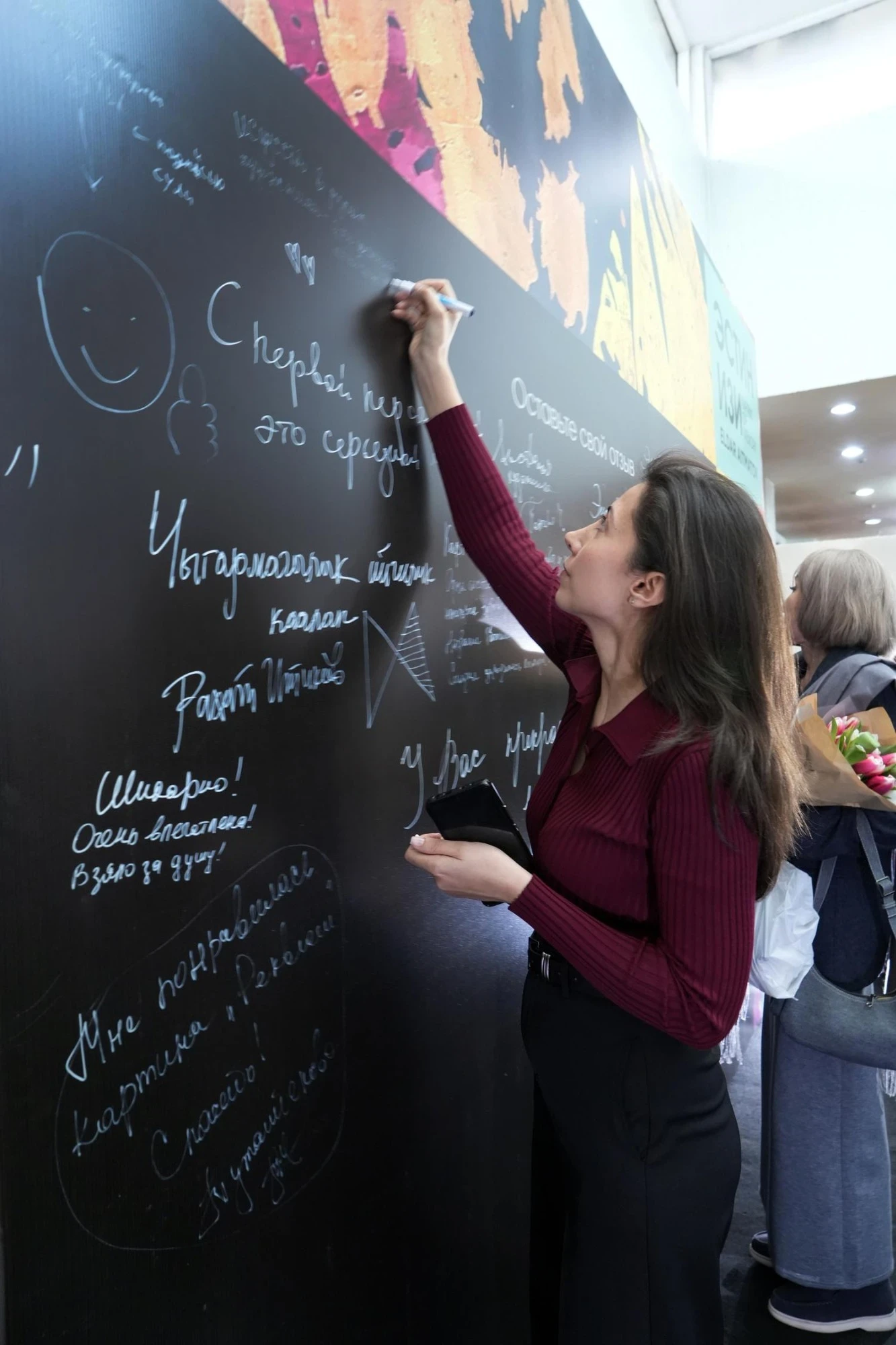
Everyone was welcome to leave their impressions of the exhibition on the wall, turning the space into a collective diary. Words of gratitude, recognition, and reflection became part of the atmosphere and concept of "Trace of Memory," creating a memory not only by the artist but also by the viewer.
Guests did not just walk past the paintings; many lingered, returned to them again, discussed what they saw with friends, or stood alone, comparing the author's images with their own memories.
The exhibition occupied the entire hall on the second floor of the museum, and even on the opening day, it became clear that it would be one of the main cultural events of this spring.
Here, one can not only see the works of Eldar Aitmatov but also purchase the exhibition catalog and special merchandise inspired by his paintings — magnets, bags, t-shirts, and sweatshirts.
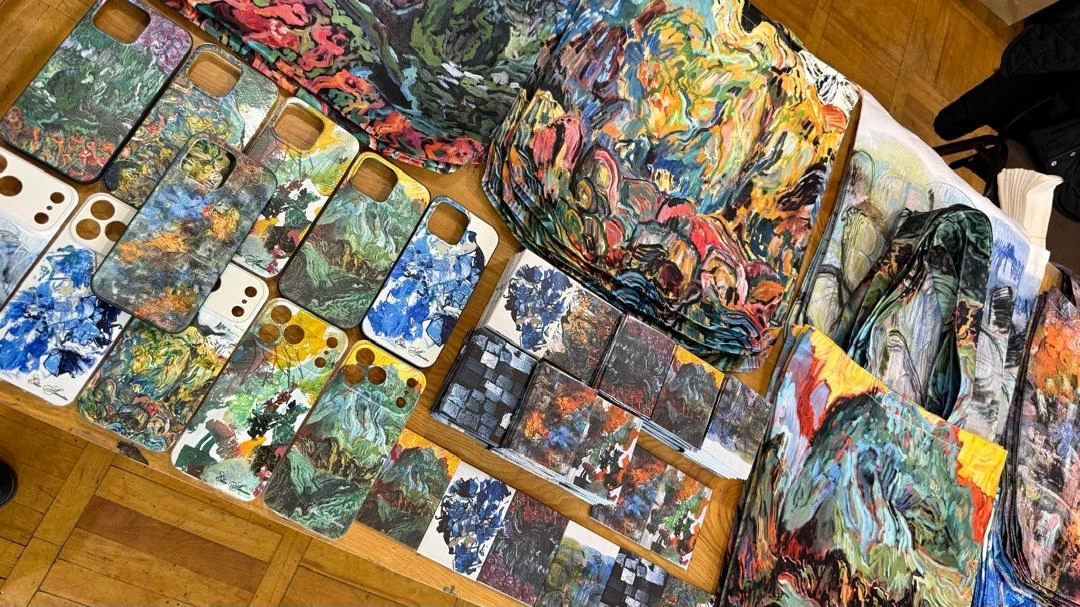
Thus, the exhibition extends beyond the museum. Its images and mood can be carried into everyday life, through city streets and into personal spaces.
As each person left the hall and returned to the bustling city, they took with them not only impressions from the works they had seen but also their own little story of encountering art — a quiet yet significant trace of memory.