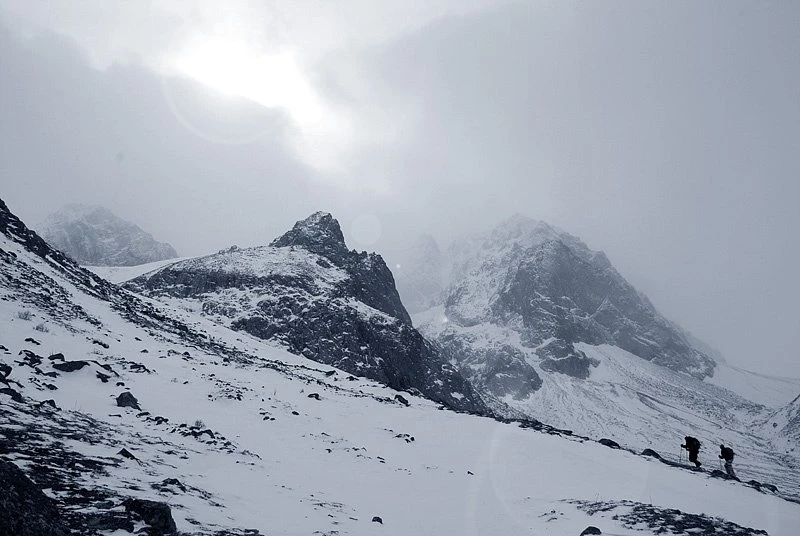
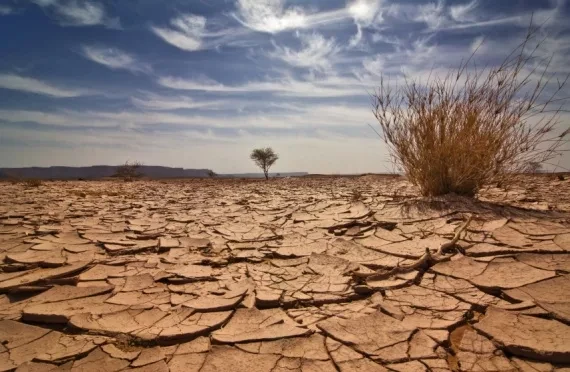
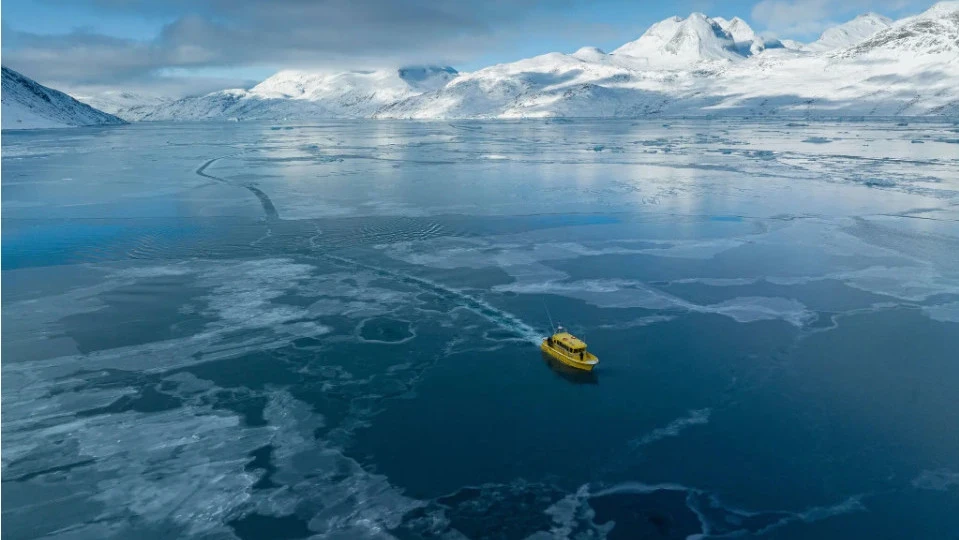
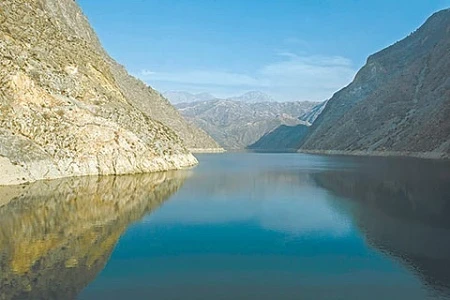
Kyrgyzstan, located in Central Asia, is considered one of the countries highly vulnerable to the impacts of climate change. Rapid glacier melting and the deterioration of mountain ecosystems lead to water shortages and increased natural risks.
The country is a party to the UN Framework Convention on Climate Change and the Paris Agreement. In his speech at the 79th session of the UN General Assembly in 2024, President Sadyr Japarov emphasized that climate change represents one of the main threats of the 21st century.
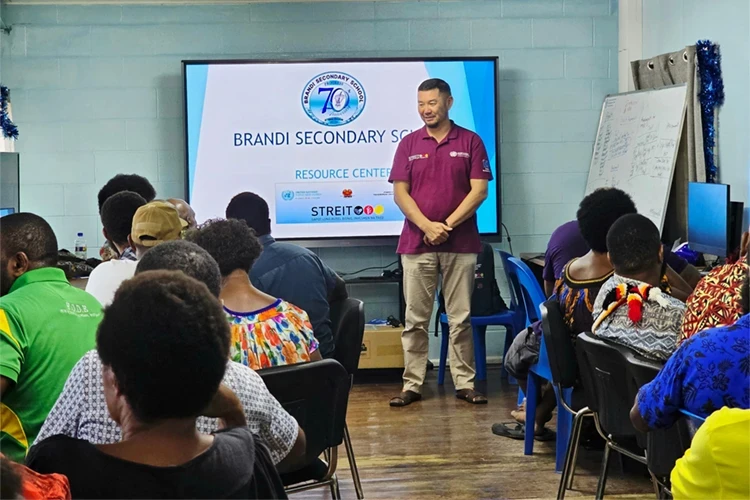
The main goal of the program is to create a climate education system that covers all age groups, from children to the elderly. The program aims to provide citizens with the necessary knowledge and skills for successful adaptation to climate changes and active participation in the sustainable development of the country.
The program's priority areas include:
- Integration of climate issues into formal and informal education
- Training of civil and municipal service workers
- Raising public awareness
- Developing scientific and methodological potential
The program is expected to employ a gender-sensitive approach and involve youth in decision-making related to climate resilience.
The implementation of the program will be carried out by the Ministry of Education, the Ministry of Science, Higher Education and Innovations, and the Ministry of Natural Resources, with the participation of local authorities, academia, and international partners.
Program for the Development of Climate Education and Awareness in the Kyrgyz Republic for 2025–2030
Appendix 1
Introduction
The Kyrgyz Republic, possessing significant freshwater resources and unique biodiversity, is one of the key ecological regions of the world; however, it remains one of the most vulnerable countries in Central Asia to the impacts of climate change. According to the Nationally Determined Contribution (NDC, 2025) and the National Adaptation Plan (NAP, 2024), accelerated glacier melting and degradation of mountain ecosystems lead to water shortages and increased natural risks, threatening important sectors of the economy. According to UNDP (2023), the mountain ecosystems of Kyrgyzstan play a systemic role, providing vital resources for the country's population.
Since 1960, the average annual temperature in the country has increased by 1.2 °C — nearly twice the global average warming rate. This phenomenon, known as altitude dependence, means that mountainous areas are warming faster than the global average. Climate change is also accompanied by an increase in the frequency and intensity of extreme weather events, a reduction in glacier area, deterioration of water regimes, and decreased productivity of pasture ecosystems.
These processes negatively affect sustainable development, food and water security, energy, public health, and social stability. Rural and mountainous areas, women, children, the elderly, and persons with disabilities are particularly vulnerable. Mountain communities are often isolated and marginalized, increasing their vulnerability. Limited access to knowledge and technology requires a fair and inclusive approach to climate policy.
The Kyrgyz Republic actively advocates for climate change mitigation, having ratified the UN Framework Convention and the Paris Agreement. At the national level, climate strategies are being updated, legal documents are being developed, and intersectoral coordination is being strengthened.
[url=#sdfootnote1sym]1[/url]. The National Development Strategy of the Kyrgyz Republic for 2018–2040[url=#sdfootnote2sym]2[/url] also emphasizes the importance of environmental education from an early age as a foundation for forming a responsible attitude towards the environment and a sustainable lifestyle.
The impact of climate risks on all areas of society underscores the need for systemic solutions and strengthening adaptive capacity. One of the key areas of climate adaptation is recognized as the development of climate education, which forms the basis for resilience through knowledge and citizen engagement. International experience shows that progress in climate issues is impossible without active public participation and increased climate literacy.
In the Kyrgyz Republic, the climate education system is just beginning to develop. Although there are successful initiatives, the integration of climate issues into educational programs is still limited.
There is potential for creating a unified methodological base, expanding professional development programs, and developing accessible educational materials. In informal education, work is primarily conducted within temporary projects, making sustainability difficult.
Government bodies and NGOs show interest in climate education; however, interaction between them is fragmented. The establishment of a sustainable intersectoral mechanism could significantly enhance the effectiveness of efforts and improve the approach to climate awareness.
The lack of mandatory norms for integrating climate knowledge into educational standards and procedures for assessing climate literacy also hampers development. The research base for climate education is poorly developed, especially in the context of adaptation and sustainable resource management.
Given the above, it is necessary to develop a strategy for creating a comprehensive climate education system that unites the efforts of the state, NGOs, the academic community, and international partners. The implementation of such an approach requires regulatory consolidation, funding, and personnel training.
The climate education program for 2025–2030 aims to overcome existing limitations and create a sustainable system. It aligns with the international commitments of the Kyrgyz Republic, including the Paris Agreement and the Sustainable Development Goals.[url=#sdfootnote3sym]3[/url]
The goal of the Program is to equip citizens with the necessary knowledge and skills for adapting to climate changes and actively participating in the sustainable development of the country. Special attention is given to formal and informal education, professional development of specialists, and informing the public.
The program also includes gender-sensitive approaches and mechanisms for engaging youth in climate initiatives. The main government bodies responsible for implementation are the Ministry of Education, the Ministry of Science, Higher Education and Innovations, and other agencies.
General Situation Analysis
Kyrgyzstan, as one of the most vulnerable countries in Central Asia, faces serious climate threats. Geographic and socio-economic factors exacerbate the impact of climate risks on the country. In the context of global warming, there is an increase in the frequency of extreme weather events, such as droughts, floods, and sharp temperature changes, which affect food security and public health.
Economic losses from climate disasters can reach up to 30 million dollars annually, particularly affecting rural areas, increasing inequality and vulnerability among vulnerable groups such as children, women, and the elderly.
Education and awareness play a key role in preparing the population for climate changes, shaping the knowledge and skills necessary for adaptation and enhancing readiness for climate challenges.
2.1. Climate Change and Its Consequences
Climate change significantly impacts ecosystems and society as a whole. Since 1960, the average annual temperature in Kyrgyzstan has risen by 1.2 °C, nearly twice the global average. This is accompanied by an increase in the frequency of extreme climate events, such as droughts and floods.
The accelerated reduction of glaciers in the country is also a serious problem, as they play an important role in providing river flow. It is projected that by the end of the century, a significant portion of glaciers may be lost, creating long-term risks for water supply and ecosystems.
Changes in the hydrological regime manifest as instability of water resources and reduced river flow, negatively affecting the operation of hydroelectric power stations and the water supply system.
Climate change also manifests with varying degrees of intensity depending on the socio-economic conditions of the regions. In the southern and southwestern areas, there is a high vulnerability to droughts and water shortages, which affects agriculture and water supply.
Thus, the diversity of climate threats underscores the need to adapt educational programs to local contexts and the needs of various target groups.
Extreme weather events pose a significant challenge to infrastructure and public safety. According to the Ministry of Emergency Situations, up to 200 natural emergencies are recorded annually in the country, including mudflows and floods, making the establishment of resilient response mechanisms essential.
Climate change affects key sectors, including agriculture, energy, and health, requiring coordinated state policy in climate education and sustainable development.
2.2. Social Vulnerability and Inclusion
Socially Vulnerable Groups
Climate change directly impacts health and income levels, especially among vulnerable groups. Rising temperatures and deteriorating sanitary conditions, combined with unstable water supply, contribute to the increase of infectious and chronic diseases, particularly among children and the elderly. There is an increase in psycho-emotional and physiological stress on the population due to weather anomalies, especially for women due to social and economic marginalization, as well as their traditional roles in family and society.
In the context of climate change, it is particularly important to consider how different social groups are involved in the processes of acquiring and transmitting knowledge about adaptation and sustainable behavior. An analysis of the current situation in the Kyrgyz Republic shows that access to climate education and participation in awareness initiatives is uneven. Some population groups face more serious barriers and therefore require priority support.
Considering the specifics of the educational system and social structure, the following are identified as the most vulnerable groups in the context of climate education (in order of priority):
Teachers, especially in rural and remote areas.
Teachers play a key role in transmitting climate knowledge; however, they often lack methodological materials, access to professional development programs, and digital resources. This is particularly acute in schools with overloaded staff and weak technical infrastructure. Without targeted support for teachers, it is impossible to ensure systematic integration of climate topics into education.
Children and youth.
As the primary target group for fostering sustainable thinking, children and adolescents need access to adapted curricula, extracurricular activities, and a safe educational environment. However, many schools, especially in rural areas, lack resources and qualified teachers to work with climate issues.
Women and girls.
Especially in rural areas, women and girls often face limitations in accessing education and information due to high workloads in households, low income levels, and gender stereotypes. These factors restrict their participation in educational initiatives and access to climate knowledge, despite their important role in the resilience of households and communities.
People with disabilities.
The lack of adapted learning formats, inclusive infrastructure, and digital accessibility limits this group's opportunities to participate in climate education and awareness. Despite existing legal guarantees, the practice of inclusion in climate education is still poorly developed.
The elderly.
Although this group is not covered by systematic school education, they are vulnerable to climate risks and are rarely included in educational initiatives. Limited digital skills and low levels of engagement reduce their access to information about climate change and adaptation measures.
Thus, teachers, children and youth, as well as women form the core priority groups to focus on when developing and implementing climate education programs. Supporting these groups is a necessary condition for the sustainable development of the education system in the context of climate change.
Inclusion and Justice
Currently, the principles of inclusivity and justice in climate education and awareness in the Kyrgyz Republic are implemented fragmentarily. The level of equal access to educational opportunities depends on many factors — region of residence, socio-economic status, gender, health status, and language inclusion level.
The following limitations are noted:
A significant portion of educational and awareness programs is unavailable in the state language or not adapted for persons with disabilities;
Gender barriers in access to education persist, especially in rural and traditionally oriented communities;
Material development approaches rarely consider gender sensitivity or the needs of various population groups;
Representatives of government bodies responsible for inclusive education are generally not involved in climate awareness processes;
Local communities' participation in the development and implementation of educational initiatives is limited, reducing the relevance and effectiveness of programs on the ground.
Overall, the regional and social context remains poorly integrated into existing climate education initiatives. This creates risks of exacerbating educational and informational inequality, especially among the most vulnerable population groups.
2.3. International and National Political and Institutional Context
The Kyrgyz Republic actively integrates the Sustainable Development Goals and the climate agenda into state policy. The country's vulnerability to the impacts of climate change is recognized at a high level, reflected in regulatory and program documents, as well as in the state's international commitments.
2.3.1. International Climate Commitments
The Kyrgyz Republic has been a participant in the UN Framework Convention on Climate Change since 2000, the Kyoto Protocol (2003), and the Paris Agreement (ratified in 2019). Under the Paris Agreement, the country first presented its NDC in 2015 and updated it in 2025. The NDC reflects measures aimed at raising awareness, education, and public participation in adaptation and mitigation actions related to climate change.
The Kyrgyz Republic participates in the UN Climate Change Education for Sustainable Development (ACE) initiative, which includes six components: education, capacity building, awareness, participation, access to information, and international cooperation. These areas are directly related to the tasks of climate education and awareness.
The Kyrgyz Republic actively participates in regional initiatives in climate education, including the “Strategy for Promoting a Culture of Sustainable Development and Engaging Children and Youth from Central Asian Countries in the Climate Agenda” (2023) with an accompanying Action Plan, as well as the EU Green Transition Agenda.
2.3.2. National Strategic Documents Integrating Climate Change Issues
The climate agenda of the Kyrgyz Republic is integrated into several key strategic documents that define priorities for sustainable development, adaptation, and mitigation. Although climate education is not highlighted as a standalone area in most of them, they create a general political and institutional foundation for its development:
The National Sustainable Development Strategy until 2040 (approved in 2018) defines the transition to green growth, sustainable natural resource management, and improving the quality of life of the population as strategic priorities.
The National Development Program of the Kyrgyz Republic until 2030 emphasizes the need for adaptation and mitigation of climate change alongside inclusive economic growth, social justice, and improving the quality of education.
The Concept for Achieving Carbon Neutrality by 2050 establishes a long-term goal of transitioning to a low-carbon and climate-resilient economy. The document provides for the participation of all stakeholders and the development of tools that can be integrated into educational processes.
The Green Economy Development Program aims to create sustainable sectors and develop climate-resilient infrastructure. The program contains components related to education and the formation of sustainable behavior models.
The Concept of Digital Transformation of the Kyrgyz Republic for 2024–2028 provides for the use of ICT in monitoring climate data and risk management, creating opportunities for the digitalization of climate education and improving access to information.
The National Adaptation Plan (NAP) until 2030 defines measures to reduce vulnerability in key sectors — water management, agriculture, infrastructure, health, and tourism. The document highlights the need to enhance awareness and increase the adaptive capacity of the population, which is directly related to the tasks of climate education and awareness.
2.3.3. Institutional Structure for Coordinating Climate Actions
The responsibility for shaping and implementing climate education policy in the Kyrgyz Republic is distributed among several government bodies:
The Ministry of Education – responsible for integrating sustainable development and climate change themes into the formal and informal education system at all levels – from preschool to initial vocational education;
The Ministry of Science, Higher Education and Innovations – responsible for the development of higher education and science, including climate agenda issues, as well as for forming competencies in green economy among students of secondary and higher vocational education;
The Ministry of Natural Resources, Ecology, and Technical Supervision (MNPETS) – the main authorized body in the field of environmental protection, sustainable development, and coordination of climate policy;
The Ministry of Emergency Situations – participates in managing climate risks, raising public awareness, and conducting training on preventing and mitigating climate threats;
The Ministry of Culture, Information, Sports, and Youth Policy – promotes climate themes through cultural initiatives, information policy, and youth engagement;
The Climate Finance Center under the Cabinet of Ministers of the Kyrgyz Republic – acts as a technical coordinator for attracting and effectively using climate finance;
The Hydrometeorological Service under the Ministry of Emergency Situations – ensures regular monitoring of climate parameters and develops climate change scenarios.
Interaction between agencies occurs within the framework of implementing decrees from the President of the Kyrgyz Republic, resolutions from the Cabinet of Ministers, and existing mandates. At the same time, the existing mechanisms for intersectoral interaction require further activation to ensure more effective integration of climate education and awareness into educational, personnel, and social policies. It is important to utilize the potential of existing coordination structures for the systematic promotion of climate adaptation issues, as this topic has not yet been established as a mandatory function in the job descriptions of most government employees.
2.4. Climate Change Education: Current State and Challenges
Education plays a key role in ensuring society's resilience to climate change. It shapes the knowledge, skills, values, and behavioral attitudes necessary for adaptation, reducing vulnerability, and making informed decisions in the face of climate risks. Despite the presence of strategic goals and successful pilot initiatives, climate education in the Kyrgyz Republic is currently in its formative stage and requires systematic substantive and institutional development.
The integration of climate change topics into educational programs is primarily carried out within the subjects of "Geography," "Biology," "Natural Science," and "Man and Society." However, the content of educational materials is insufficient, fragmented, and often not updated in light of current climate challenges. As a result, climate aspects are considered outside the framework of an interdisciplinary approach and the formation of competencies for adaptation to climate change.
In 2021, “Strategic Priorities for Climate Change Education in the Kyrgyz Republic” (2021–2024) were developed, aimed at integrating climate topics at all levels of education (partially implemented).
Within the framework of the education system reform set by the “Education Development Program in the Kyrgyz Republic for 2021-2040,” the Concept of transitioning to a twelve-year school education in the Kyrgyz Republic initiated the updating of educational standards, organization of teacher training, and preparation of new educational-methodological complexes, which included materials on green skills and climate adaptation issues.
Since March 2024, the Ministry of Education has been conducting a large-scale education reform called "Altyn Kazyq" ("Polar Star"). The Ministry's commitment to addressing the climate and environmental crisis in education and through education is reflected in the State Educational Standards for preschool and general education in the Kyrgyz Republic. This document is based on values of caring for nature and principles of sustainable development.
At the same time, at the national level, there is a need to develop a unified program that will ensure further promotion and continuity of climate initiatives at all levels of education. Additionally, further work is required to define indicators for coverage and quality of the integration of climate knowledge and green competencies into the educational process.
At the higher education level, several universities in the country have introduced individual disciplines related to ecology, sustainable development, and adaptation to climate risks, but these are not included in the elective component of the curriculum and are not mandatory. The system for training and retraining teaching staff on climate topics is also in the process of formation.
The development of informal climate education in the Kyrgyz Republic is primarily carried out within the framework of projects by international organizations and civil society. Among the implemented initiatives, the "Climate Box" Program (with support from UNDP) stands out — an interactive educational-methodological complex adapted for schoolchildren and teachers.
Despite the presence of positive examples, the scale of such programs remains limited. The main barriers include the lack of sustainable funding, insufficient educational and methodological materials — especially in the state language, as well as inadequate engagement of the adult population and vulnerable groups in educational processes.
Thus, the key problems in the development of climate education are:
Insufficient funding: education is still not adequately considered in the allocation of climate financing; however, its potential as a tool for long-term sustainability requires more attention and investment.
Climate shocks: the increasing impact of heatwaves, floods, storms, and droughts heightens the need for adaptive mechanisms that will allow the education system to operate sustainably even in the face of climate risks.
School closures: the increasing number of temporary suspensions of education due to climate events underscores the need for systematic monitoring and planning of measures for educational continuity.
Content and competencies: despite the growing interest in climate topics, the educational-methodological base and professional standards still require further updating in light of green competencies.
Teacher training: it is important to expand the coverage and quality of professional development programs for teachers on climate change, sustainable development, and green skills.
Institutional coordination: existing interagency interaction mechanisms can be strengthened for more coordinated promotion of climate education and awareness.
Financial sustainability: it is important to gradually reduce the dependence of civil society initiatives and educational projects on external funding, developing national sources of support.
Awareness and engagement: increasing the level of knowledge and motivation of the population on climate resilience creates opportunities for broader citizen participation in addressing environmental and social issues.
Climate education in the Kyrgyz Republic needs institutionalization, scaling, and long-term integration into state policy in education and sustainable development.
2.5. Institutional Barriers
Despite the presence of strategic documents and the active participation of the Kyrgyz Republic in the international climate agenda, the process of implementing climate-oriented approaches in the state education system, personnel training, and public awareness faces a number of institutional and systemic limitations.
Strengthening interagency coordination. To enhance the effectiveness of work in climate education and awareness, it is necessary to strengthen cooperation between key government bodies — the Ministry of Natural Resources, Ecology and Technical Supervision, the Ministry of Education, the Ministry of Science, Higher Education and Innovations, the Ministry of Emergency Situations, and local self-government bodies. The development of climate education as a cross-cutting component of adaptation policy requires more active inclusion of this topic in the mandates and action plans of relevant ministries and agencies, as well as coordinated actions to integrate climate knowledge into educational, personnel, and social programs.
Insufficient institutionalization of climate knowledge. In the education system, climate aspects are not established as mandatory elements in educational and professional standards and programs. Competencies related to resilience and adaptation to climate change that should be mastered at different levels of education are not defined. There is no system for assessing the level of climate literacy among learners at all levels of education, civil servants, civil society, and the population of the Kyrgyz Republic as a whole.
Limited personnel and methodological support. There is a pronounced shortage of specialists with knowledge in climate policy, sustainable development, and pedagogy on issues of climate mitigation and adaptation. The system for training, retraining, and continuous professional development of teachers is poorly functioning. A significant portion of materials on climate adaptation issues is developed within donor projects and is not scaled to the national level.
Financial constraints. Funding for educational and awareness activities in the field of climate change is primarily project-based. The state budget lacks designated expenditure items aimed at developing climate education. Such dependence on external sources limits the sustainability and longevity of initiatives.
Low level of public engagement. The level of public awareness about climate change, associated risks, and adaptation measures remains insufficient, especially in rural areas and among vulnerable groups. The inadequacy of informational and awareness campaigns in the state language, weak development of mass communication platforms, and limited access to data hinder the formation of sustainable behavior and citizen engagement in climate initiatives.
In aggregate, the aforementioned limitations reduce the effectiveness of climate policy implementation, limit adaptation potential, and hinder the formation of a national system of knowledge and competencies in the context of a changing climate.
3. Program Goal
The goal of this Program is to create a comprehensive, sustainable, and inclusive system of climate education and awareness that covers all levels and stages of learning — from early childhood to older generations. The Program aims to equip citizens of the Kyrgyz Republic with the knowledge, skills, and competencies necessary for mitigating the impacts of climate change, adapting to them, and actively participating in the sustainable development of the country.
The Program aims to ensure the integration of climate change issues into the system of formal and informal education, the training and retraining system for teachers, civil and municipal servants, as well as in the field of public awareness.
The formation of a comprehensive, inclusive, and sustainable climate education system is a crucial element of the Kyrgyz Republic's adaptation policy. This approach will enhance the safety of the population, competence in mitigation and adaptation to climate change, as well as the resilience of socio-economic systems and the fulfillment of national and international commitments of the country. For this, a comprehensive mechanism is needed that unites the efforts of government bodies, the academic community, educational organizations, civil society, and international partners. The development of climate education in the Kyrgyz Republic should consider the needs of various social groups, including women, children, and youth, as well as vulnerable communities. A gender-sensitive approach allows for broader participation and enhances the effectiveness of educational programs, strengthening society's resilience to climate risks.
The Program's goals are achieved through:
systematic integration of climate change themes into educational standards, curricula, methodological materials, and educational practices at all levels of education;
development of climate and "green" competencies among learners, students, youth, educators, researchers, and civil servants;
enhancement of professional development for teaching staff, education sector workers, and specialists in government and municipal bodies on climate policy, adaptation to climate change, and sustainable development;
strengthening scientific and analytical capacity in the study of climate and its changes;
expanding public access to current and quality information about the causes, consequences, and response measures to climate change;
activating the participation of all population groups — especially women, youth, rural residents, and other vulnerable groups — in implementing the climate agenda at national and local levels;
implementing a gender-sensitive approach in the development and implementation of educational standards and programs, ensuring equal access for women and girls, men and boys to knowledge, competencies, opportunities for participation, and decision-making in climate policy.
The Program serves as a key tool for strengthening the national potential of the Kyrgyz Republic in climate education, management, and sustainable development, contributing to the building of a climate-literate, socially just, gender-inclusive, and environmentally responsible society.
Priority Development Areas (Main Tasks)
The implementation of the Program's goals is carried out through four priority development areas, each aimed at addressing identified institutional, educational, personnel, and informational barriers in climate change education and building a sustainable educational and awareness system in the Kyrgyz Republic.
Priority Area 1. Integration of climate change issues into the system of formal and informal education: ensure systematic and phased integration of climate themes into educational standards, curricula, and methodological materials at all levels of education — from preschool to higher education, including vocational and additional training.
Priority Area 2. Training and professional development of civil and municipal servants: establish a sustainable system for professional development and training of staff in government bodies and local self-government in climate policy, sustainable development, adaptation, and climate diplomacy.
Priority Area 3. Raising public awareness and engaging citizens in the climate agenda: ensure broad access for citizens to quality, understandable, and timely information about climate change and adaptation measures, enhance climate culture, and stimulate public participation in implementing climate solutions.
Priority Area 4. Developing scientific, personnel, and methodological potential in climate education: establish a sustainable academic and research foundation for developing, implementing, and disseminating modern approaches to climate education and awareness.
The priority areas of the Program cover all key links in the education and awareness system, creating a foundation for transitioning from fragmented activities to a sustainable climate-literate educational ecosystem in the Kyrgyz Republic.
4. Priority Development Areas
4.1. Integration of Climate Change Issues into the System of Formal and Informal Education
4.1.1. Integration of Climate Change Issues into the System of Formal Education
Formal education represents a systematic learning process organized by educational institutions — from preschool organizations to secondary, vocational, and higher education institutions. It is carried out based on state educational standards and concludes with the official recognition of learning outcomes.
In the context of global climate change, the formal education system plays a strategic role in preparing new generations for life and professional activities in a changing world. It shapes fundamental knowledge about climate processes, develops competencies in sustainable development, and fosters environmentally and socially responsible behavior. Integrating climate themes into the educational process allows for laying the foundations for long-term societal adaptation and resilience at all levels.
The Kyrgyz Republic, striving to modernize its education system and adapt it to the challenges of the 21st century, is taking steps to include climate change topics in school and vocational training. The goal of integrating climate education is to provide learners with the knowledge, skills, and competencies necessary for adaptation and sustainable living, strengthening interdisciplinary and practice-oriented links, and forming green competencies.