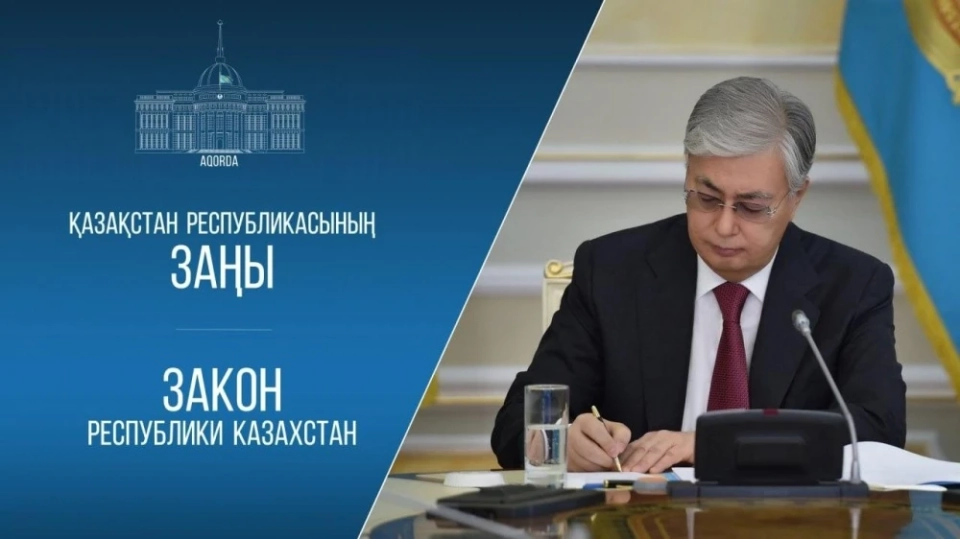
The initiative was announced by Kassym-Jomart Tokayev at the 78th session of the UN General Assembly in 2023
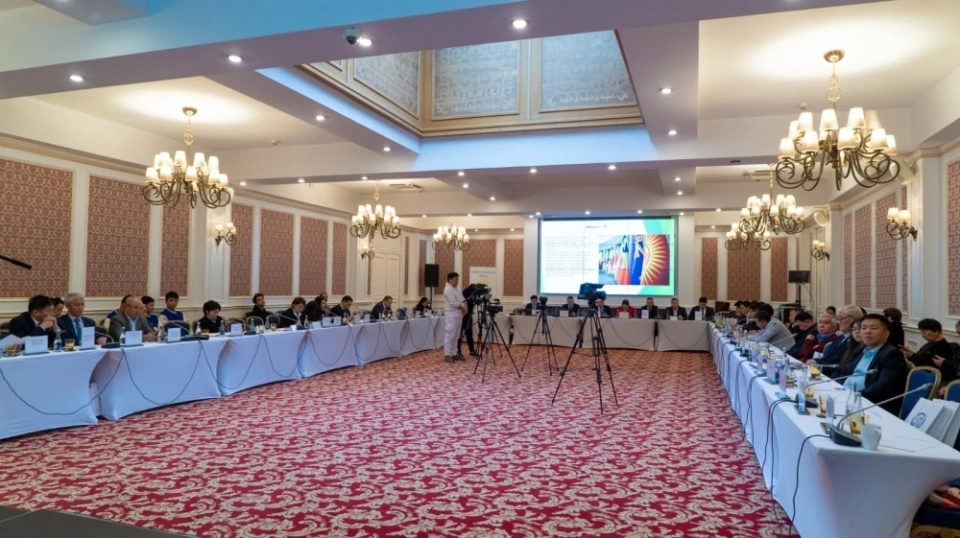
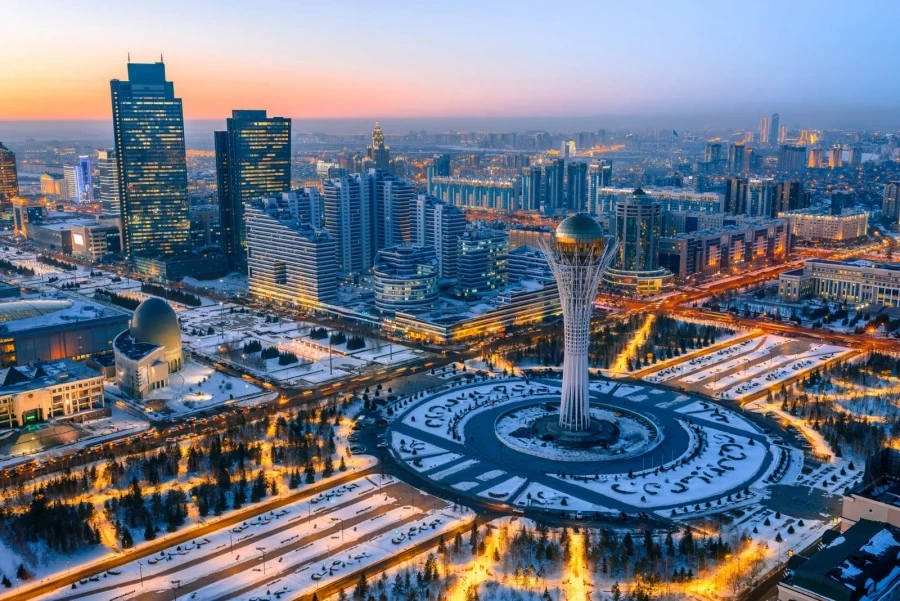
From April 22 to 24, 2026, a Regional Ecological Summit will take place in Astana, expecting around 1,500 participants. Delegates will include representatives from government structures of the region's countries, international organizations, the business community, and civil society. According to The Astana Times, citing the Ministry of Ecology and Natural Resources, the main goal of the event is to develop solutions in collaboration with the UN to address climate and ecological challenges.
The idea of holding the summit was first presented by Kazakhstan's President Kassym-Jomart Tokayev at the 78th session of the UN General Assembly in 2023, and its significance was reaffirmed at the 80th session in 2025.
THE REGIONAL ECOLOGICAL SUMMIT 2026 will be organized with the support of leading international partners, including organizations such as the Organization for Economic Cooperation and Development, the International Renewable Energy Agency, and the International Energy Agency. The official approval of the initiative was granted within the framework of UN General Assembly resolution 78/147 on December 19, 2023, which emphasizes the need to strengthen solidarity in addressing environmental issues in Central Asia.
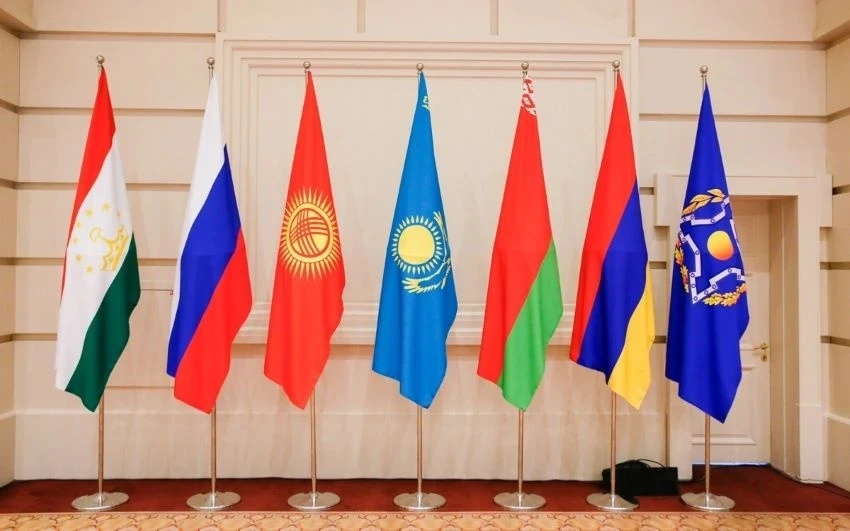
Political support for the summit has also been confirmed by several multilateral documents, such as the Karabakh Declaration of the informal summit of the Organization of Turkic States in July 2024, the joint statement at the sixth consultative meeting of the heads of state of Central Asia in August 2024, and the Bishkek Declaration of the eleventh summit of the Organization of Turkic States in November 2024.
In 2025, international recognition of this event was also noted at the Astana International Forum, where the Regional UN Center for Sustainable Development Goals for Central Asia and Afghanistan was inaugurated with the participation of UN Secretary-General António Guterres, as well as at the third UN Conference on Landlocked Developing Countries.
The main task of the summit is to develop agreed solutions that take into account the region's characteristics in the context of climate and ecological challenges. Significant attention will be paid to issues such as the ecological disaster of the Aral Sea and the declining level of the Caspian Sea.
Key priorities of the summit include identifying Central Asia's needs for green financing, supporting measures for climate change adaptation, implementing low-carbon technologies, and enhancing regional ecological resilience. Additionally, the summit will serve as a platform for ongoing dialogue and cooperation between governments, international organizations, academia, and businesses.
One expected outcome of RES 2026 is a joint declaration by the heads of state of Central Asia on regional ecological cooperation, as well as the approval of a Regional Action Program for 2026–2030 in collaboration with UN agencies. This program will aim to implement regional initiatives in line with the thematic directions of the summit and launch new ecological projects.
The summit's agenda will cover eight interrelated topics, including measures to reduce emissions, increase energy efficiency, and develop renewable energy sources; adaptation to climate risks and ensuring economic resilience; ecosystem protection and food security; as well as sustainable management of natural resources, including the water systems of the Aral and Caspian Seas.
Issues related to combating air pollution and developing waste management systems using circular economy principles will also be discussed; mechanisms for achieving environmental goals, including green financing, technology transfer, and market instruments of the Paris Agreement; a fair and inclusive transition with a focus on job creation, retraining, gender equality, and support for vulnerable populations; further development of ecological and digital competencies, including environmental education, digital solutions, and the application of artificial intelligence in resource management.
Photo www