According to the IBC, the concept proposed in the draft does not align with the stated goals for the development of the insurance market and actually creates a model of excessive administrative centralization of reinsurance functions in the hands of a single state operator.
The business community expresses concern that this approach violates the principles of competition and risk diversification, as well as increases the insurance market's dependence on the decisions of the national operator, which could lead to the displacement of private insurance companies.
As a result of the discussions, the IBC proposed to exclude the draft resolution from public discussion for subsequent conceptual revision, as well as to initiate changes to the Decree of the President of the KR dated March 20, 2024, No. UP-79, aimed at creating a balanced market model for the national reinsurance system.
Information on the draft resolution of the Cabinet of Ministers "On Approval of the Regulation on the National Reinsurance Operator"
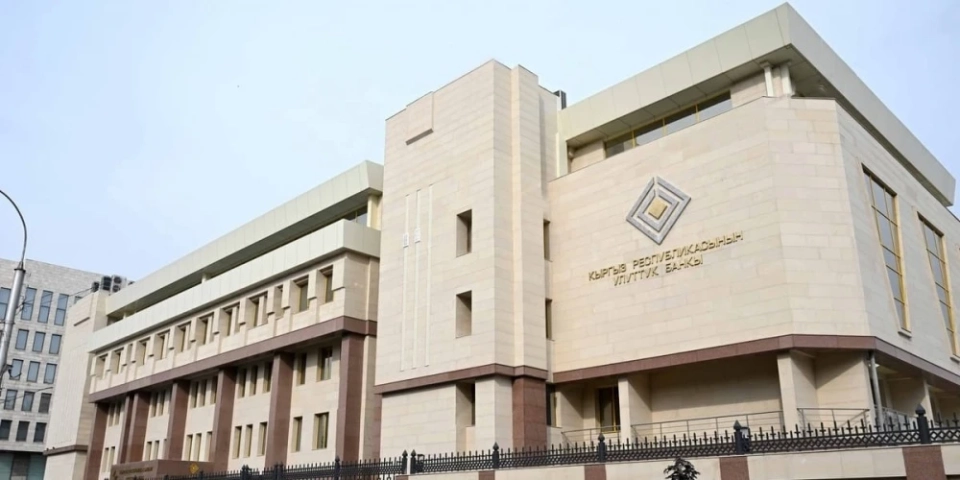
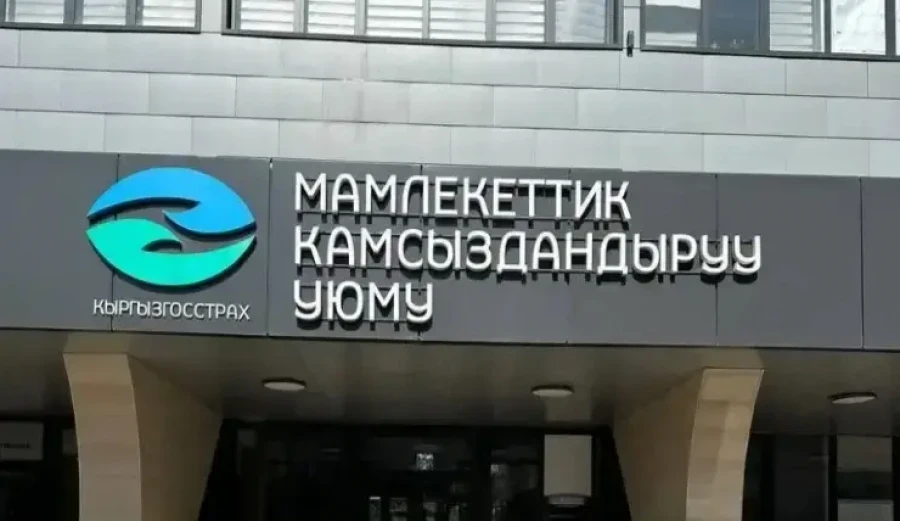
The Ministry of Economy and Commerce has presented for public discussion a draft resolution that designates the open joint-stock company "State Insurance Organization" as the national reinsurance operator.
As stated in the explanatory note, the main objectives of this project are to create national reinsurance capacity, enhance the reliability of the insurance market, ensure the financial stability of insurance companies, and protect the property interests of policyholders and beneficiaries.
Currently, 16 insurance companies operate in Kyrgyzstan. According to data from 2021 to 2024, the total volume of collected insurance premiums amounted to 11.66 billion soms, while the average loss ratio in the market reached 20.5%. During this same period, 3.49 billion soms were transferred abroad, which accounts for 29.9% of the total premium volume.
In 2024, insurance companies in the KR transferred 1.5 billion soms for reinsurance, of which 221.2 million soms (14.8%) were transferred domestically, and 1.28 billion soms (85%) were sent abroad.
The project proposes to appoint OJSC "State Insurance Organization" as the national reinsurance operator, including export risks in cooperation with the Eurasian Reinsurance Company. It is worth noting that 100% of the authorized capital of OJSC "SIO" belongs to the state, and as of January 1, 2025, its size is 1.14 billion soms.
The project also includes the approval of the Regulation on the National Reinsurance Operator, which will establish the legal and organizational foundations for its operation. The document states that before transferring risks to foreign reinsurers, insurers must initially offer at least 10% of these risks to OJSC "SIO," with a subsequent annual increase in the share to 50%. The transfer of risks to the Eurasian Reinsurance Company will be carried out exclusively through OJSC "SIO."
The developers are confident that the adoption of this project will not lead to additional expenses from the republican budget and will not cause negative social, economic, or legal consequences.
REGULATION on the National Reinsurance Operator
Download the document
Comments and suggestions from the IBC on the draft resolution of the Cabinet of Ministers "On Approval of the Regulation on the National Reinsurance Operator"
1. The necessity of revising the project mechanisms
One of the main goals stated in the project is to reduce the dependence of the insurance market of the Kyrgyz Republic on external reinsurers, increase financial stability, and decrease the outflow of insurance premiums abroad. However, these goals are not supported and are, in fact, contradicted by the mechanisms proposed in the project.
Thus, paragraph 10, subparagraph 12 of the draft Regulation implies interaction of the NOP with international reinsurers, which suggests a continuation of the transfer of risks and premiums to foreign markets, rather than their reduction. This effectively makes the NOP an intermediary between local insurers and foreign companies.
Moreover, private commercial insurance companies in Kyrgyzstan already have access to international markets, making the inclusion of the NOP in the reinsurance chain questionable.
2. Creation of institutional barriers and dependencies
The proposed structure creates an institutional "bottleneck," where all reinsurance operations are concentrated in the hands of a single operator. This leads to the dependence of all insurance companies on the decisions of the NOP, increasing risks in the market.
Such a model means that the functioning of the insurance market will depend not on market mechanisms, but on the administrative decisions of one person, creating systemic risks. Any disruptions or delays in the NOP's operations could negatively affect all market participants and their clients, ultimately threatening the economic security of the country.
The concentration of reinsurance decisions in the hands of one operator could lead to problems in key sectors of the economy, such as energy, transport, and others, which in turn could adversely affect social and economic conditions in the country.
Thus, creating a single point of concentration for reinsurance functions could trigger cascading consequences, threatening economic activity in strategically important sectors.
3. Risks of concentration of reinsurance capacity
There is also concern regarding the project's goal aimed at creating reinsurance capacity by concentrating risks with one operator. This does not reduce, but rather increases systemic risks for insurers and clients.
Diversification of risks is a fundamental principle of insurance and reinsurance. Concentrating risks with one operator contradicts this principle and makes the market vulnerable to negative events.
In the event of serious insurance claims, the entire market will become dependent on one operator, which could lead to delays in payments and a loss of trust in the system.
The insurance business requires prompt fulfillment of payment obligations, and creating a model where all participants depend on one operator is economically unfeasible.
4. Conflict of interest due to the combination of functions
There are also questions regarding the combination of functions of the national operator and direct insurer. This creates a conflict of interest and unequal conditions for competition.
The national operator gains access to confidential information about the rates and conditions of other insurance companies, putting them at a disadvantage.
5. Control and monitoring functions
Paragraph 18. The national operator has the right to request any necessary information from insurance companies when accepting risks for reinsurance.
Paragraph 20.
Insurance organizations are required to provide the NOP with data on concluded reinsurance contracts monthly, which turns it into a sort of supervisory body, jeopardizing competitive conditions in the market.
6. Problems for fronting projects
The mandatory redistribution of risks through the NOP creates serious problems for fronting projects, where local companies act merely as technical intermediaries.
The introduction of a mandatory first offer of risks to the NOP could lead to a loss of clients and a decrease in insurance premiums.
Additional risks are also associated with obligatory contracts with high-rated reinsurers, which could negatively impact the financial stability of companies.
7. Issues with risk review timelines
The established timelines for risk review (5 working days) could create significant legal risks and slow down the implementation of investment projects, reducing the country's attractiveness for investors.
8. Unacceptability of borrowing experience from other countries
The project is based on the experience of countries under sanctions, where national companies were created under conditions of limited access to international markets. Kyrgyzstan is not in such conditions, and the feasibility of adopting a similar model is questionable.
9. Conclusion
Considering the above, the International Business Council believes that the draft resolution of the Cabinet of Ministers of the Kyrgyz Republic "On Approval of the Regulation on the National Reinsurance Operator" in its current form does not achieve the stated goals and creates significant market and systemic risks for the insurance sector.
The proposed model leads to excessive concentration of functions in one state participant, undermines the principles of competition, and creates threats to the economic security of the country. Therefore, the IBC insists on withdrawing the project from discussion and proposes to amend the Decree of the President of the Kyrgyz Republic dated March 20, 2024, No. UP-79, to better align the concept with the real tasks of developing the insurance market.
The development of national reinsurance capacity is only possible if market mechanisms and a competitive environment are preserved, which is key to the stability of the insurance market and the entire economy of Kyrgyzstan.