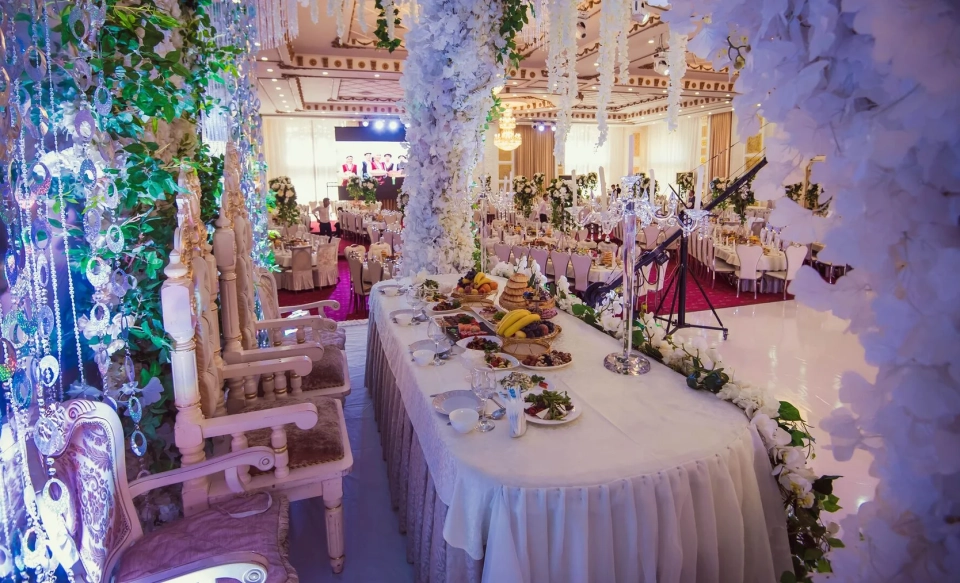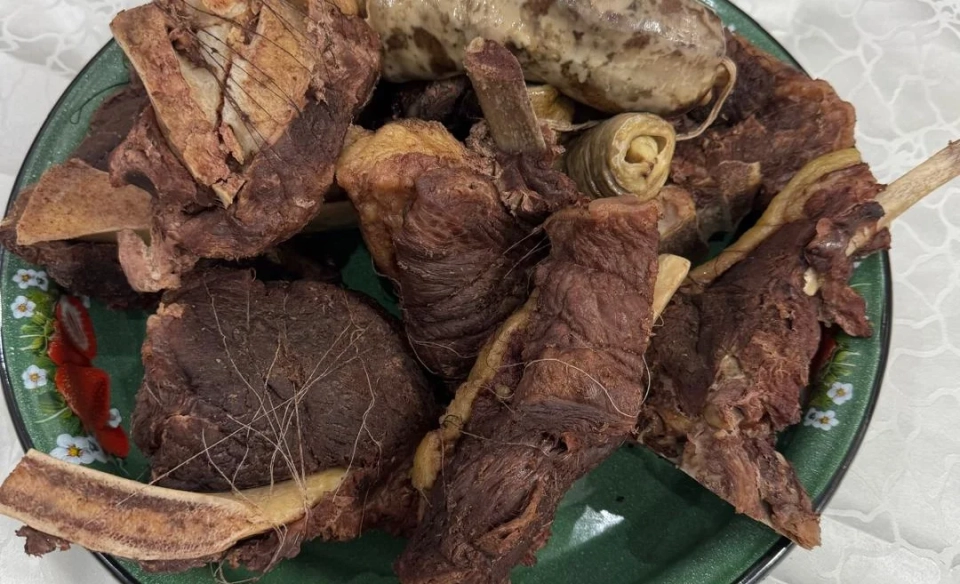
In the new draft resolution presented for public discussion, attention is drawn to the need for organizing family celebrations and memorial events, which will help reduce financial costs and preserve moral values in society. It is also important to create a unified mechanism for the rational conduct of national traditions in modern conditions, reports the government.
According to the government statement, the purpose of this document is not to restrict traditions but to organize them, as many families face financial difficulties and take loans to maintain their status.
Among the main proposals:
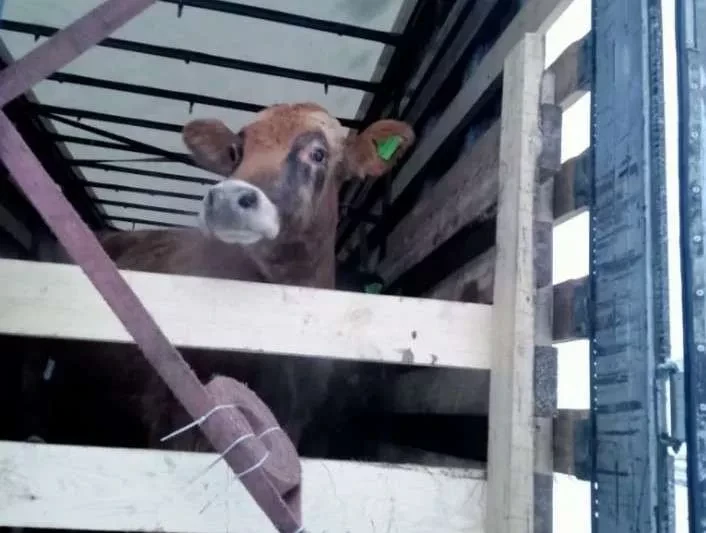
- Weddings are allowed to invite no more than 200 people and to slaughter no more than one head of cattle.
- Weddings with more than 350 guests are unacceptable.
- Fireworks, excessive shows, and extravagant customs such as "kiyit kyiigizuu," "sebete beruu," and "tushtonduruu," as well as coercion to give expensive gifts, are prohibited.
- It is not recommended to slaughter livestock on the day of the funeral.
- The anniversary (ash) should not be mandatory.
- At memorials (after 3, 7, and 40 days), it is allowed to slaughter small livestock or no more than one head of cattle.
Instead of lavish memorials, the authorities suggest directing funds to charity, making donations to mosques, or investing in public needs.
The document also defines the role of local administrations in conducting explanatory work and monitoring compliance with established rules.
Draft
Appendix
ORDER
On measures to organize family celebrations and memorial rites in the Kyrgyz Republic
General provisions
1.1. The procedure for organizing and conducting events to organize family celebrations and memorial rites for the deceased (hereinafter referred to as the Procedure) regulates the organization of weddings and memorial events on the territory of the Kyrgyz Republic, as well as relationships in this area.
1.2. This Procedure has been developed to implement the Decree of the President of the Kyrgyz Republic dated February 24, 2022, No. 54 "On measures to organize family celebrations and memorial rites in the Kyrgyz Republic."
1.3. The Procedure applies to the following family celebrations:
1) weddings;
2) bride send-off;
3) celebrations for cradle laying, cutting of ties, circumcision;
4) religious rites: "Hajj," "Umrah";
5) funerals and memorial events (three days, seven days, forty days, anniversary).
1.4. The Procedure aims to prevent excessive extravagance, ostentatious wealth, and unreasonable expenses, as well as to reduce social pressure.
Goals and objectives
2.1. The main goal of the Procedure is to organize family celebrations, including weddings, taking into account national traditions and ethical norms.
2.2. To facilitate the organization of events in memory of the deceased in a calm and restrained atmosphere.
2.3. The objectives of the Procedure include:
— forming a culture of conducting family celebrations;
— reducing the financial burden on young families;
— preserving national traditions;
— preventing social inequality;
— increasing citizen responsibility.
Procedure for conducting family celebrations and memorial rites
3.1. Procedure for conducting weddings
3.1.1. Weddings should be conducted considering the financial capabilities of the newlyweds and their parents, without incurring debts.
3.1.2. It is recommended to:
— limit the number of guests to 200;
— hold wedding events in one day;
— avoid excessive expenses;
— not hold large weddings (over 350 people);
— avoid excessive food preparation;
— limit to slaughtering one head of cattle or one horse.
3.1.3. The following are prohibited:
— events that contradict national traditions;
— offensive jokes and glorification of wealth;
— wedding processions of more than three cars;
— fireworks and excessive shows;
— coercion to expensive gifts;
— extravagant customs such as "kiyit kyiigizuu," "sebete beruu," and "tushtonduruu."
3.1.4. It is recommended to follow the principle "A modest wedding is a blessed wedding."
3.1.5. Photo and video services should be organized in a rational format.
3.2. Conducting the bride's farewell party
3.2.1. It is recommended to hold the farewell party in a format that emphasizes family and spiritual values.
3.2.2. Religious figures and community organizations should conduct explanatory work to preserve cultural values.
3.3. When conducting funerals and memorials, it is recommended to:
— hold events on the day of the funeral without slaughtering livestock;
— the anniversary of the memorial is voluntary;
— focus on prayers and unity;
— explain excessive celebrations through representatives of the clergy;
— observe sanitary norms;
— at subsequent memorials, small livestock can be slaughtered or, at the organizers' discretion, one head of cattle;
— prepare a modest table;
— invite only close relatives of the deceased;
— instead of memorials, engage in charity or make donations.
Authority of state bodies
4.1. Local administrations and self-government bodies:
— conduct explanatory work among the population;
— organize the reduction of social pressure with the participation of religious figures and community organizations;
— promote exemplary celebrations through the media;
— develop and disseminate recommendations.
Participants in organizing celebrations
5.1. Owners of cafes and banquet halls, toastmasters, and other organizers must comply with the requirements of the Procedure.
5.2. The imposition of services that require excessive costs is not allowed.
Monitoring compliance with the Procedure
6.1. Standards for civil servants for conducting family celebrations are being developed. 6.2. Ethical norms must be observed to prevent excessive celebrations.
6.3. The simple style of civil servants should serve as a positive example for society.
Responsibility for violations of the Procedure
- Individuals who violate the requirements of the Procedure are held accountable in accordance with the Code of Offenses of the Kyrgyz Republic.