The tightening of control by Russia has led to new barriers for the import of Kyrgyz products, due to the strengthening of control procedures by Russian authorities within the framework of the Eurasian Economic Union.
At the border, particularly on the Kazakhstan-Russia section, there are delays in cargo, including products from Kyrgyzstan. This affects both goods that are shipped directly and those sold through marketplaces.
Government Actions, Including the Ministry of Economy
In response to these issues, a meeting was held at the Ministry of Economy and Commerce of Kyrgyzstan under the leadership of the First Deputy Chairman of the Cabinet of Ministers Daniyar Amangeldiev, with representatives from government structures and the sewing industry. The main topic of discussion was ways to overcome barriers for Kyrgyz products in the Russian market and support for local producers.
As a result of the meeting, the Ministry of Economy was tasked with developing proposals to enhance the competitiveness of the sewing industry, including aspects of inter-agency cooperation, infrastructure, personnel, and quality standards.
Negotiations with Russia and the Situation at the Border
On December 18, 2025, the Chairman of the Cabinet of Ministers Adylbek Kasymaliev commented on the situation, noting that the tightening of inspections by Russia has affected goods from several EAEU countries, including Kyrgyzstan. A delegation from the Ministry of Economy was sent to study the situation at the border in more detail, and a coordination headquarters was established.
The head of the Cabinet reported on measures to eliminate delays at the border with Russia. According to him, there is ongoing working interaction with the Russian side. An agreement has been reached that goods from Kyrgyzstan will be inspected by a single operator, which significantly speeds up the cargo processing. For sewing products supplied directly, the government estimates that there are no obstacles.
However, there remain questions regarding goods sold through the marketplaces Ozon and Wildberries, particularly concerning VAT administration. It is reported that the issue with Ozon has been resolved, while the situation with Wildberries is in the final stages, considering the readiness of the marketplaces to act as tax agents.
Clarification Activities and Export Requirements
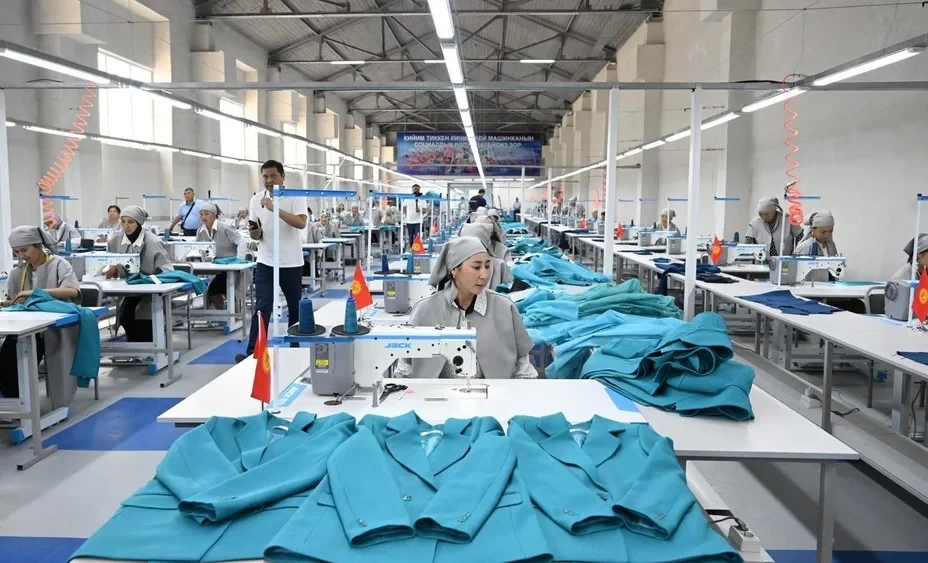
To adapt enterprises to new requirements, the Ministry of Economy, together with industry associations, held a seminar for representatives of the sewing industry. Participants were informed about taxation, accounting, electronic document management, as well as certification and labeling requirements.
Issues of taxation, certification, and labeling of products were discussed. The focus was on the technical regulation of the EAEU 017/2011 and the "Honest Sign" labeling system, compliance with which is one of the conditions for unhindered access to the markets of EAEU countries and working with marketplaces.
Presidential Decree
On December 6, 2025, President Sadyr Japarov signed a decree "On Measures to Support Certain Sectors of the Economy," which includes a number of initiatives for the sewing industry.
In particular, the Cabinet of Ministers was instructed to submit draft laws to the Jogorku Kenesh within the established timeframe, which propose:
- review and reduction of insurance contribution rates for participants in the sewing industry;
- reduction of insurance contribution rates for small and medium-sized enterprises, including in sewing production;
- establishment of a single tax rate of 0.1% for activities conducted outside the Kyrgyz Republic;
- introduction of a transaction tax of 0.1% for payments through banks of foreign states.
This decree aims to reduce the fiscal burden, support exports, and create more favorable conditions for the operation of sewing enterprises.
In December 2025, the State Tax Service announced the preparation of a draft law that unifies the conditions for taxation and insurance contributions for sewing enterprises. It is proposed to establish uniform insurance payments and reduce income tax for industry workers.
Discussion in the Jogorku Kenesh and Current Situation
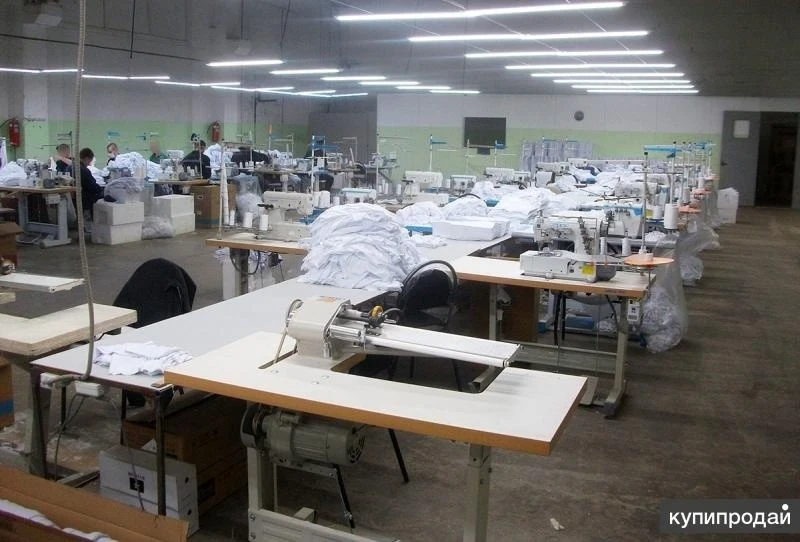
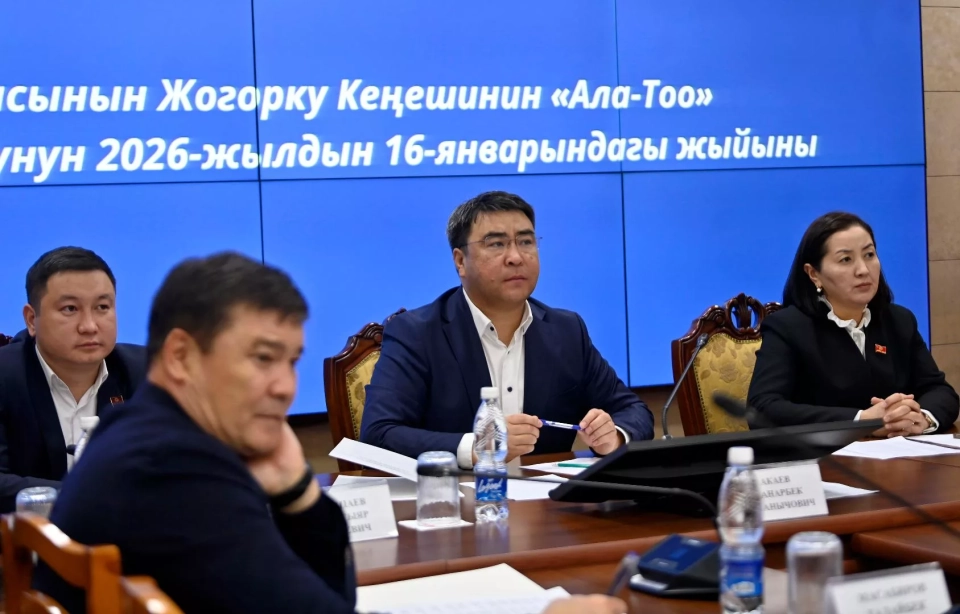
On January 16, 2026, during a meeting of the "Ala-Too" deputy group, issues concerning the state of the sewing industry were discussed with the participation of businessmen and representatives of government structures. Topics included a decrease in production volume, the closure of some sewing workshops, dependence on imported raw materials, and a lack of logistics and laboratory infrastructure.
Economy Minister Bakyt Sydykov reported that by the end of 2024, 36,600 people were employed in the industry, and taking into account related fields, the total number of employed is significantly higher. He also noted the launch of a preferential lending program for small and medium-sized businesses with an interest rate of 6% per annum for a term of up to 60 months.
Additionally, by 2028, the construction of a trade and logistics center is planned as part of cooperation with the Wildberries marketplace, which should simplify logistics and export operations.
The events that occurred from autumn 2025 to early 2026 demonstrated the dependence of Kyrgyzstan's sewing industry on international markets and regulatory conditions within the EAEU. In response to the challenges that arose, government agencies conducted negotiations with partners, carried out explanatory work, and prepared support measures. However, industry representatives continue to emphasize the need for systemic changes, including infrastructure development, market diversification, and improvement of business conditions.
Production Volumes of Sewing Products
According to statistical data, from January to November 2025, sewing enterprises in Kyrgyzstan produced clothing worth 18.7 billion soms, which is a significant increase compared to the same period in 2024 (15.3 billion soms). The physical volume index for 11 months was 115.8%, indicating growth in production in real terms.