He noted that problems with exports and the situation at the border with Russia began back in September.
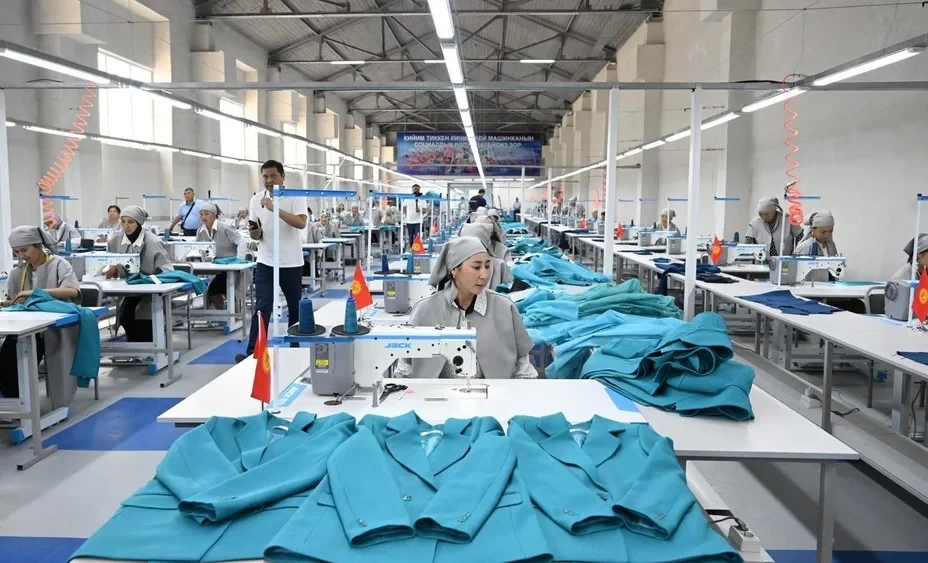
Parpiev emphasized: "Five months have passed, and there is no real assistance in sight. The closure of at least 4-5 thousand workshops has become a fact. When I opened my production, I was checked for three months as if I were under investigation. The inspection covered everything, including water. But when problems arose, no one cared about us. The Ministry of Economy is trying to help, but everything comes up against legislative restrictions. About 500 thousand people are employed in this sector," he added.
Other industry participants highlighted several issues:
- the lack of a laboratory for testing the quality and safety of sewing products, which hinders exports to Europe;
- the shortage of needle, fittings, and fabric production;
- problems with product sales;
- while agricultural processors receive attention, seamstresses remain unnoticed.
Among the positives: the tax regime.Minister of Economy and Commerce Bakyt Sydykov added that official statistics register 36.6 thousand workers in the sewing industry. If we consider people employed in related fields, including logistics, the total number is about 150 thousand. Taxes from this sector amount to approximately 100 million soms.