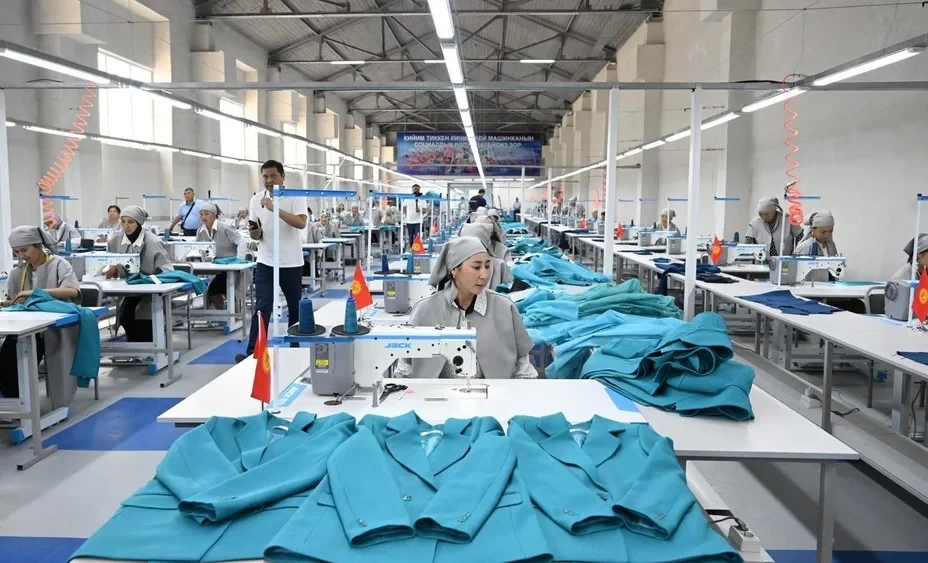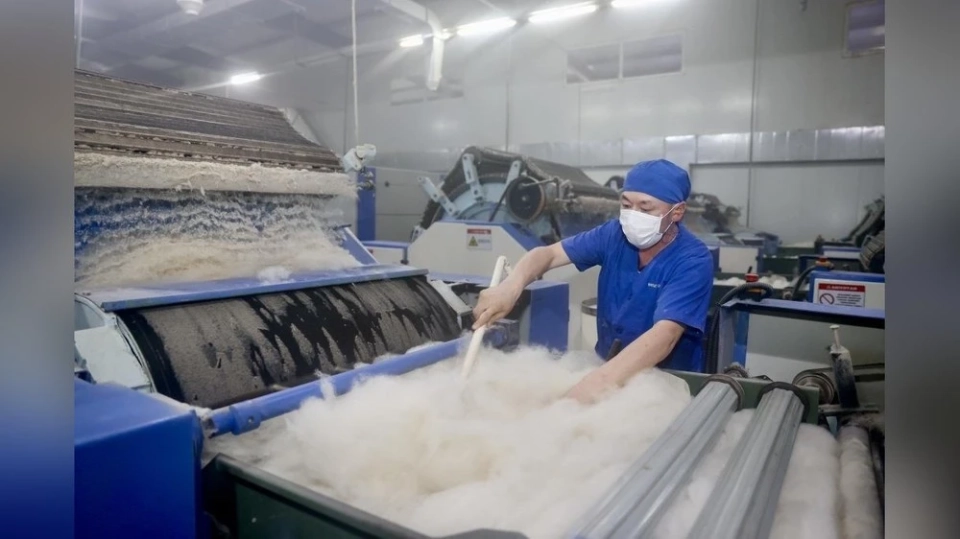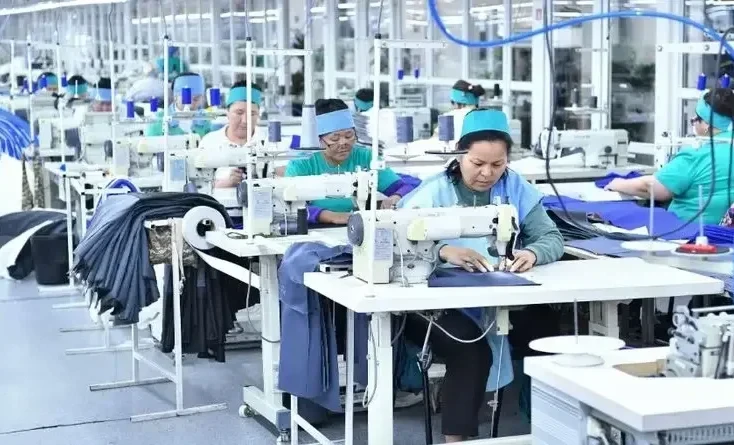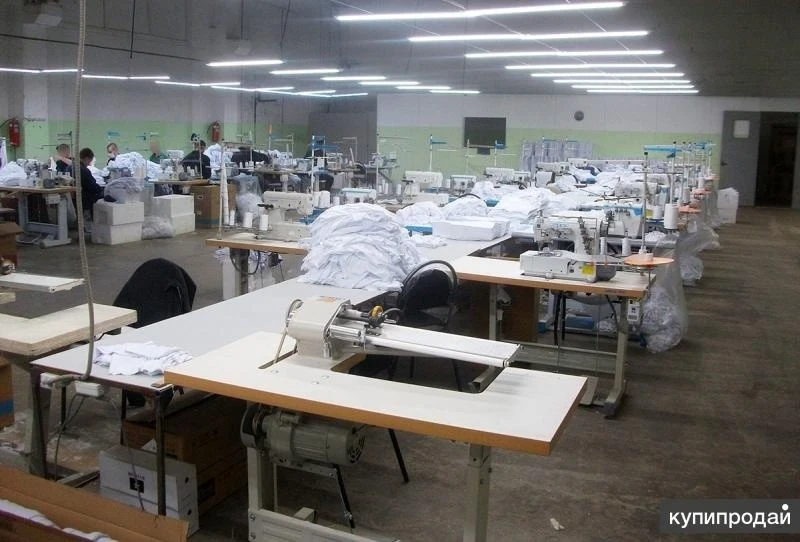
At a meeting of the "Ala-Too" parliamentary group, representatives of the light industry shared alarming information about the current state of affairs in the sector. They reported that more than 3,000 sewing workshops have closed in Kyrgyzstan, leading to the destruction of many jobs. Entrepreneurs appealed to parliament members for urgent support, pointing out a number of problems negatively affecting the functioning of the sector. The main causes of the crisis were difficulties in interacting with large marketplaces and limited access to the Russian market. Additionally, opportunities to enter European markets remain blocked due to the lack of international certification and laboratories in the country.
During the discussion, deputy Jumabek Salymbekov noted a significant decrease in production volumes and a deterioration in the competitiveness of local products, despite the existing preferences within the EAEU. He was supported by Seyidbek Atambaev, who raised issues regarding personnel policy and the need to attract specialists from Bangladesh, Pakistan, and Uzbekistan. The parliamentarians also discussed the importance of legalizing the sewing business, the problems of mandatory labeling of goods for export to Russia, issues related to value-added tax, and the need for entrepreneurs to access affordable loans.
Economy Minister Bakyt Sydykov informed the deputies that the ministry is already negotiating with Wildberries. In particular, the establishment of a logistics center for the marketplace is planned, with its opening expected by 2028. However, the business community emphasizes that support is needed immediately to prevent further closures of enterprises.
As a result of the discussion, the "Ala-Too" parliamentary group decided to address the Cabinet of Ministers of the Kyrgyz Republic with an official request. The government needs to develop effective measures for preferential lending to the light industry as soon as possible and propose strategies for diversifying sales markets to reduce domestic producers' dependence on traditional export destinations.