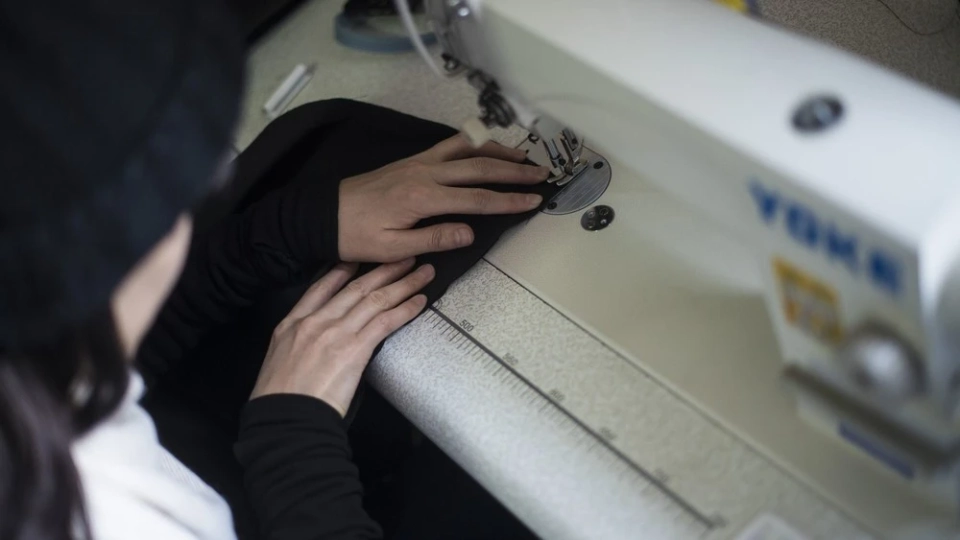
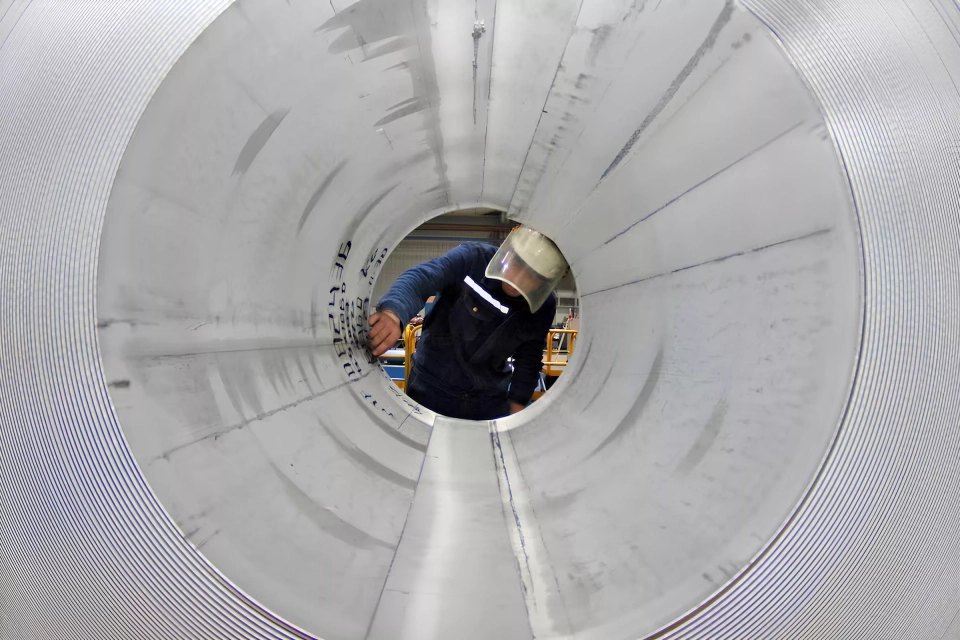
In Pakistan, the textile industry, which is an important part of the economy, is facing serious difficulties. These problems are caused by rising production costs, a decrease in export volumes, and disruptions in logistics, which are exacerbated by a nationwide strike of freight carriers.
According to data from the Pakistan Textile Exporters Association (PTEA), the sector, which has historically provided a significant portion of employment and export revenues, has shown a decline in export shipments for the fourth consecutive month. This is causing growing concern among industry professionals, as the level of textile exports has not been able to reach the 19.3 billion USD recorded in the 2021 fiscal year. In subsequent years, this figure fell to 18 billion, and then to 17 billion USD. From July to November 2025, exports decreased by 6.39% — from 13.721 billion to 12.844 billion USD, indicating ongoing problems with external supplies.
Despite the presence of manufacturing potential and demand for textile products in international markets such as North America, Pakistani manufacturers are facing rising energy costs, taxes, and high financing rates. These circumstances reduce the competitiveness of Pakistani textiles compared to similar products from Bangladesh, India, China, and Vietnam.
Additional difficulties arise in the cotton sector, where a decline in production due to agronomic and climatic factors has led to the closure of several spinning and cotton ginning enterprises. According to industry associations, national cotton production has fallen from 15 million to 5.5 million bales, negatively impacting the entire processing chain.
Changes in export regulations, including adjustments to the Export Facilitation Scheme (EFS), as well as rising raw material taxes, are also putting pressure on companies' liquidity and cost structures. In addition, there are ongoing issues with yarn imports and price competitiveness in the domestic market.
Energy tariffs remain a significant pressure factor on the industry. It is expected that the cost of electricity for industry will rise to 12 cents per kWh in the coming years, which is higher than in several neighboring countries. Problems with energy supply are also negatively affecting the stability of production processes.
On international markets, Pakistani manufacturers face various tariff and non-tariff barriers. For example, exports to the USA are subject to higher duties compared to competitors from other countries. At the same time, the geography of exports remains quite narrow, with the European Union as the main destination for supplies, while export volumes to the USA have remained virtually unchanged for several years.
The nationwide strike of freight carriers has exacerbated the situation, leading to a halt in logistics operations and delays in export shipments. Industry estimates indicate that daily losses could reach tens of millions of dollars, affecting a wide range of export-oriented companies.
Experts emphasize that for the further sustainability of the textile sector, a combination of measures to reduce costs, support raw material production, improve logistics, and predictability of economic policy is necessary. In the context of ongoing uncertainty, the industry continues to seek ways to adapt to changing internal and external conditions.
Source: https://www.dailymirror.lk/international/Pakistans-textile-industry-reels-under-rising-costs-and-supply-chain-disruptions/107-328825