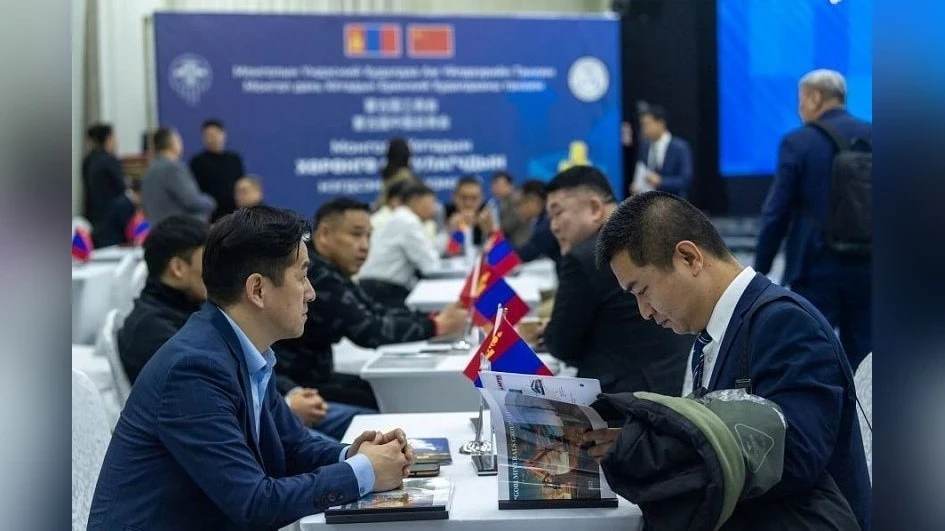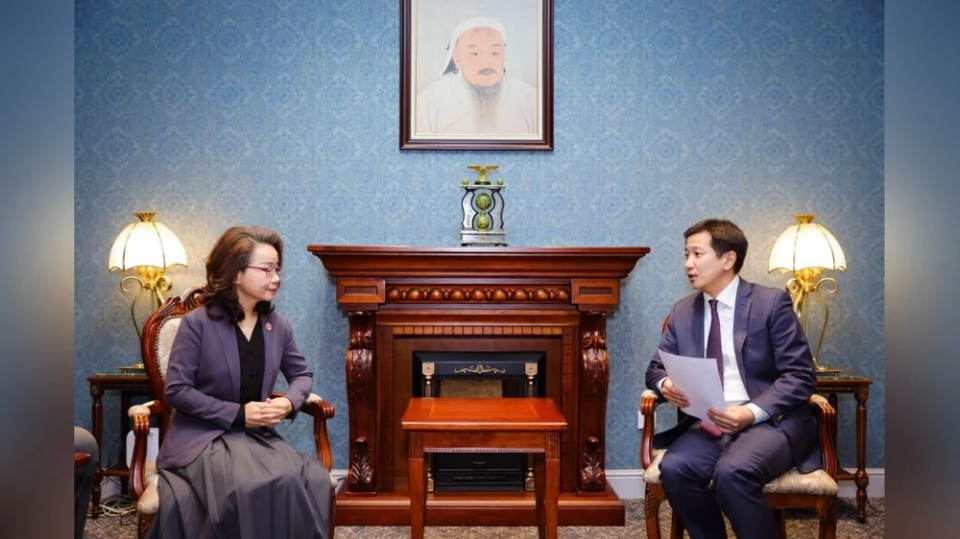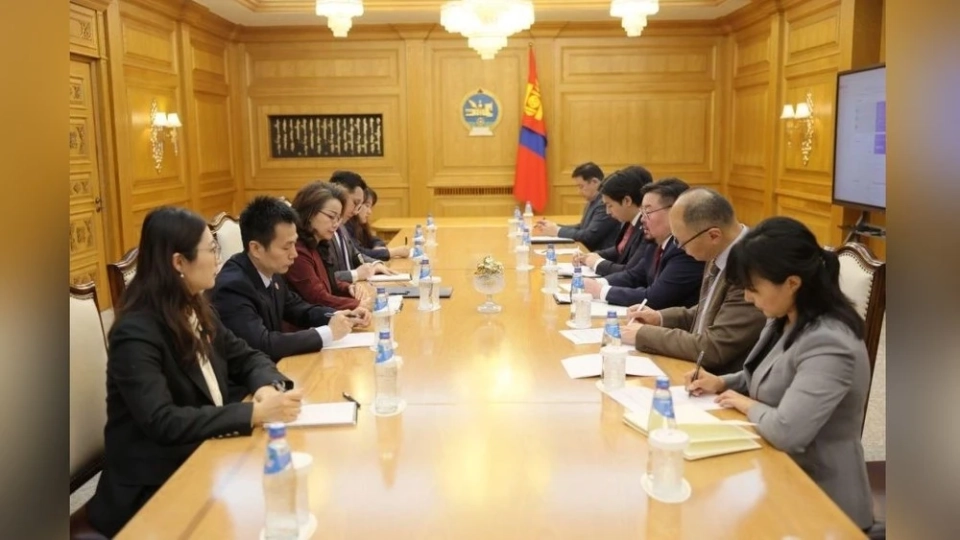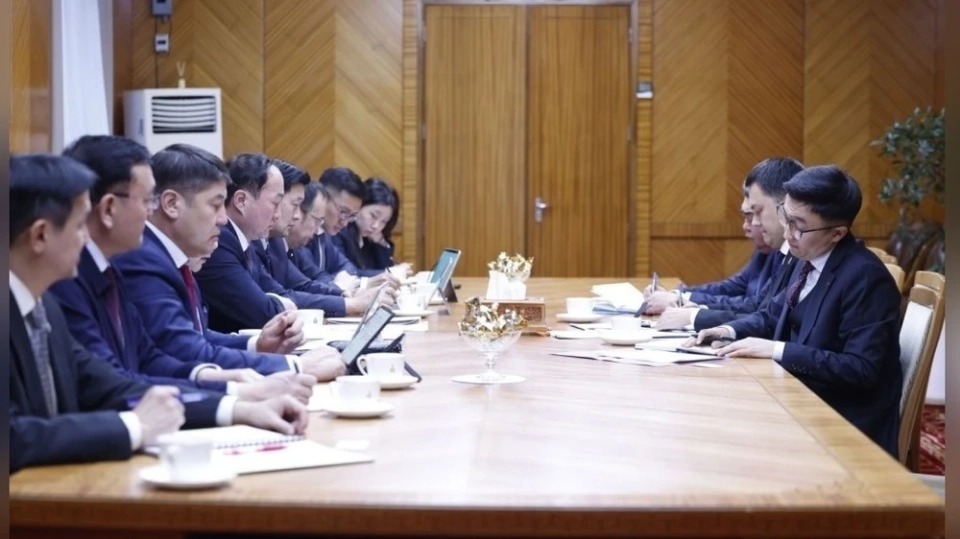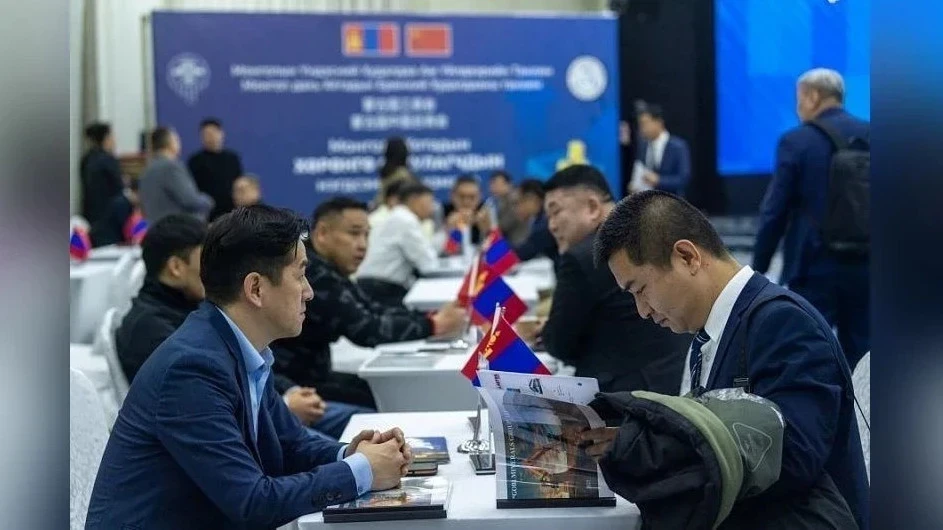
At the meeting held on January 9, 2026, at the National Chamber of Commerce and Industry of Mongolia (NTPPM), key aspects of cooperation between the government bodies of Mongolia and Chinese investors were discussed. The President of NTPPM, Lkhagvajav Baatarjav, noted that the volume of bilateral trade between Mongolia and China reached $16.5 billion, accounting for about 80% of Mongolia's total foreign economic turnover. He emphasized that over the past decade, this figure has increased from $1 billion to $16 billion due to active cooperation between the countries.
During the round table, participants exchanged views on issues related to the mining industry, construction, agriculture, and the food industry. Problems related to calculations and reporting on mineral royalties, which create significant tax liabilities for both foreign investors and local companies, were also discussed. Additionally, difficulties arising from strict labor legislation in Mongolia, which complicates the attraction of qualified specialists from abroad, were addressed. An important point was the mention of the upcoming spring session of parliament, where a package of bills aimed at improving the investment climate will be discussed. Currently, there are over a thousand Chinese companies operating in Mongolia.
Lu Jingzhi, the trade and economic counselor at the Chinese Embassy in Mongolia, emphasized the significance of the mining sector for the economic cooperation of the two countries. He noted that the growth of trade and investment in this area confirms the importance of intergovernmental interaction. Important steps, such as improving tax transparency and stability, as well as the legal environment in labor relations, can contribute to further growth in trade volumes between Mongolia and China.
Enkhtur Tumenbayar, the director of "Mergen Tur" company, expressed hope for the positive impact of the signed Memorandum of Understanding between NTPPM and the China General Chamber of Commerce in Mongolia. He noted that the country's economy still heavily depends on the export of mining products, and there is a need for export diversification, especially in agriculture. Tumenbayar emphasized that support in this direction could significantly increase the incomes of herders and improve the rural economy. He also pointed out the high import customs duties in China, which create difficulties for bringing products to international markets, and expressed the intention to seek ways to reduce them.