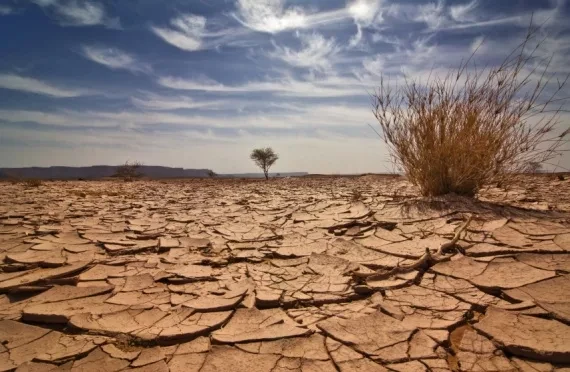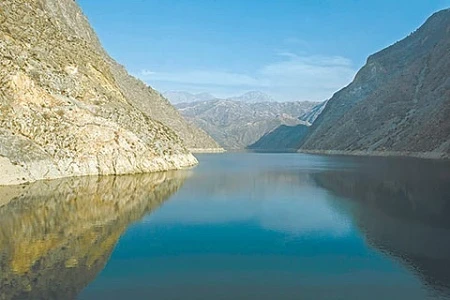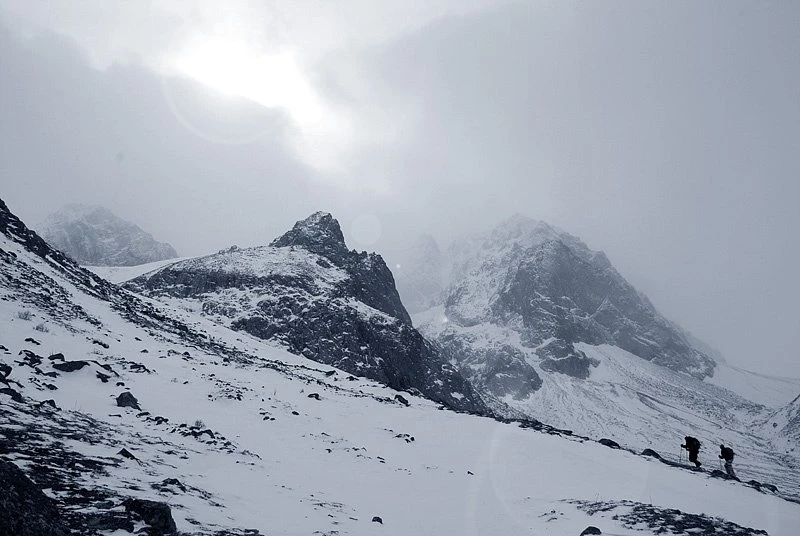
Glaciers contain water reserves that are vital for billions of people, and their disappearance will significantly affect water supply levels. The sustainable flow of rivers such as the Indus, Nile, Ganges, and Colorado depends on the melting of glaciers and mountain snows. However, the reduction in glacial area is already impacting water resources, creating risks for populations by depriving them of water and food. In the short term, this could lead to floods, flash floods, and other ecological threats.
If no measures are taken, by the end of the century, most glaciers may significantly reduce their contribution to rivers, affecting agriculture in both high-altitude areas and fertile plains.
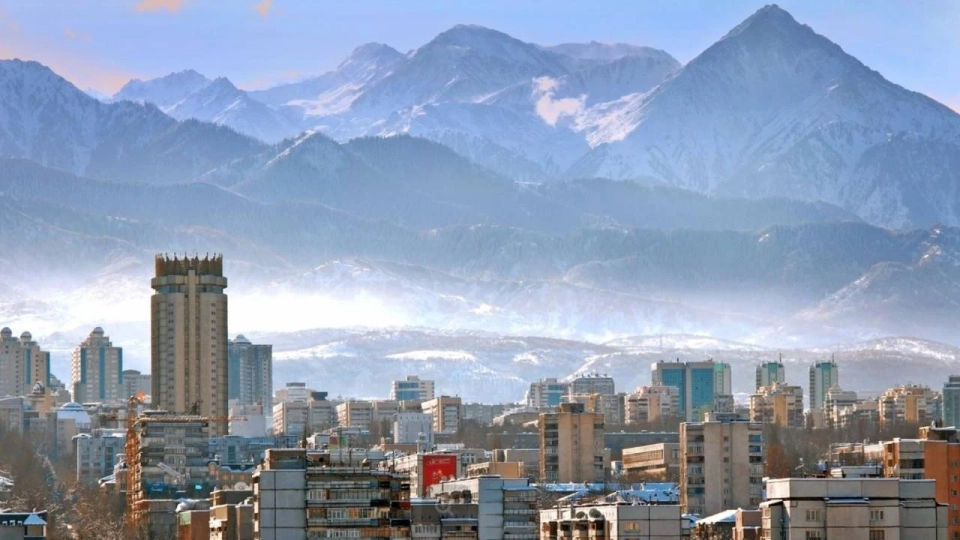
Mountain regions occupy more than 25% of the Earth's surface and are home to 1.2 billion people who are particularly vulnerable to the impacts of climate change. Changes in water availability for agriculture may force people to migrate, leading to social and economic consequences.
In the past six years, glaciers have been retreating faster than ever, and this is already beginning to affect local communities. For example, in Peru, the reduction of glaciers has led to decreased crop yields, while in Pakistan, the reduction of meltwater threatens planting cycles. Many glaciers have already reached their peak runoff and will soon begin to lose water volume, creating shortages for all users of such rivers.
Glaciers also hold cultural significance for indigenous peoples, and their disappearance destroys traditions and identities. The situation demands immediate action, and the United Nations has declared 2025 as the International Year for Glacier Preservation to emphasize the importance of these ecosystems for the future of humanity.
To ensure food and water security, it is necessary to change approaches in policy and management. This includes reducing greenhouse gas emissions, improving water resource management, and implementing adaptive agricultural methods such as terraced farming and agroecology.
Investments in water and agricultural infrastructure are also needed, especially for mountainous regions where access to resources is limited. Governments should align their strategies to address the interconnected issues of water resources and agriculture, considering that many glacial-fed rivers cross the borders of several countries.
In Kyrgyzstan, for example, FAO is helping to create artificial glaciers that store water for irrigation. Innovative solutions are also being implemented in other countries, such as automated ice storage in India and natural filtration systems in Peru.
Despite the complex challenges, the importance of glaciers for the future of humanity cannot be underestimated. Ignoring the issue of glacier melting could lead to a loss of global food and water security.
FAO is responsible for organizing the International Mountain Day in collaboration with the Mountain Partnership Secretariat and with financial support from the governments of Italy, Andorra, and Switzerland, as well as in coordination with UNESCO and the World Meteorological Organization in preparation for the International Year for Glacier Preservation in 2025.