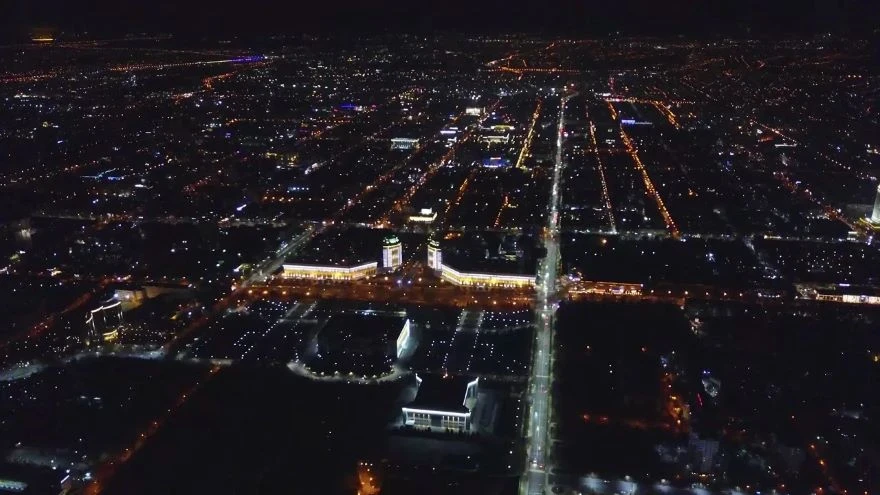
Kassym-Jomart Tokayev, in an interview, emphasized the need to transform Almaty into a unique place, drawing inspiration from global capitals such as New York, Moscow, and Paris. He also pointed out the influence of eco-activists on the development of mountain tourism. In response, Zhamilya Zhaksalieva expressed her doubts:
Before discussing sleepless cities, experienced development companies, or eco-activists, it might be worth starting with a more fundamental aspect — ecology.
The mountains are not just picturesque landscapes. They represent complex ecosystems. Forests stabilize slopes, influence runoff and snowmelt, purify water, and shape the microclimate, bearing the load long before it becomes noticeable to humans.
I speak about this as a forester and natural resource management specialist, as well as the first professional female golfer from Kazakhstan, a person who has long lived between a high-class urban environment and real natural landscapes.
When mountain ecosystems cease to function, tourism does not just decline. It ceases to exist.
These cities, including New York, Moscow, and Paris, never cease to amaze me — mainly with traffic jams, noise, and pollution. I have lived in each of them. They are indeed majestic, but more and more people strive to leave such a life.
From an ecological standpoint, it is unclear why Almaty, a city embedded in a unique mountain ecosystem, would borrow the inconvenient traits of global megacities that themselves are trying to rid of them.
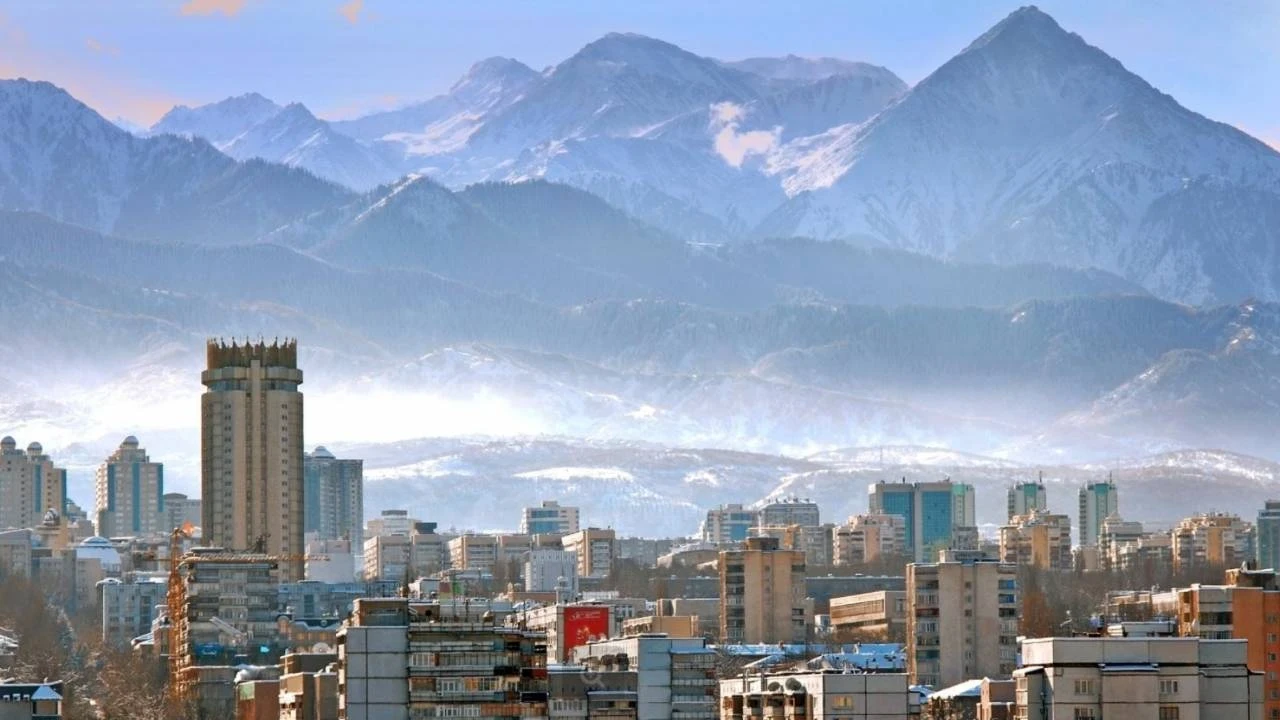
The appeal of Almaty has always been based not on size or spectacle. It is rooted in nature and the human rhythm of life. By turning the city into a noisy and fast copy of another place, we risk losing what brings people here to visit and live.
Tokayev also stated that neighboring countries are actively developing ski infrastructure, as if this alone is proof of its necessity. In neighboring countries, such intensity of construction has already led to the destruction of local fisheries and the extinction of the river dolphin baiji. This is hardly an argument for repeating the same logic in the Caspian Sea. Not everything good is found abroad.
Tourists do not need another Paris or Geneva. They need Almaty.
If we are looking for examples beyond the country, we should do so honestly. My experience from the USA: working as a natural resource technician in the Bridger-Teton National Forest, where the landscape supports Jackson Hole — one of the most expensive ski resorts in the world.
What American Ski Resorts Teach
American ski resorts that inspire admiration were not formed due to an influx of money and overconfidence. They developed within constraints and now vividly demonstrate what happens when success collides with ecological and social limits.
Jackson Hole is a prime example. The modern identity of the valley is inextricably linked to nature conservation. It was John D. Rockefeller Jr. who, through a land acquisition program, halted private development and included key areas in the protected landscape of Grand Teton and Yellowstone. First came conservation, and only then strictly limited development. This scarcity made Teton County the richest in the USA.
But Jackson also shows the price of success. The housing situation for workers has become tense, people are forced to commute from afar, and businesses face a labor shortage. Infrastructure is overloaded, and resources such as water become a subject of disputes. Wildlife migration corridors are under pressure. The experience of Jackson Hole reveals a simple truth: conservation can slow down but not prevent problems. When demand exceeds the capabilities of land, water, and labor, limits inevitably manifest, even in the most protected places.
South of Jackson, in Pinedale, a different model has emerged. After several years of uncertainty, the White Pine resort was purchased by Joe Ricketts, a billionaire and owner of the Chicago Cubs baseball team. This raised concerns that White Pine could become a second Jackson Hole. However, locals mounted serious resistance based on their identity: pride in the place in Sublette County is not just words but a real stance. People live here for the silence, functioning landscapes, and proximity to virtually untouched nature. Jackson Hole is perceived not as an ideal but as a warning of what happens when these qualities are sacrificed for tourist scale and pressure on the real estate market.
It is the protection of this way of life, not opposition to development, that led to the introduction of restrictions through county planning, zoning, and public hearings, allowing White Pine to remain an accessible resort with prices unmatched by destination resorts, while the surrounding pastures and watersheds function as working landscapes rather than lifestyle marketing elements.
Other well-known resorts in the USA, such as Park City (Utah) and Aspen (Colorado), were originally mining towns, and ski tourism came there as a form of reusing already disturbed areas. This allowed for reduced ecological barriers at an early stage but did not eliminate the need for regulation. Over time, both cities were integrated into strict land use, zoning, and water resource control systems that now determine acceptable scales for further growth.
Vail (Colorado) originally developed in a more formalized environment. Its existence became possible due to the Multiple Use–Sustained Yield Act of 1960, which allowed the creation of ski resorts on US Forest Service lands only under continuous federal oversight. Each expansion requires environmental assessment, watershed protection, and justification within a multi-use framework, where alongside tourism, wildlife and livestock grazing are considered. Vail grew not due to a lack of rules but within them, and it is these rules that today define the limits of its development.
Big Sky (Montana) and Deer Valley (Utah) demonstrate examples of pre-planned growth. Their relative sustainability is explained by early decisions on ownership, access, and scale made before the sharp increase in demand. Big Sky was formed through a system of land exchanges involving federal agencies, allowing for the consolidation of territory and phased development. Deer Valley went even further, introducing strict limits on the number of skiers, access, and load from the very beginning, including the use of prices as a demand management tool to align development with the capabilities of land, water, and infrastructure.
The conclusion is obvious: the American ski towns that inspire admiration arose and exist not because of the speed of construction but due to pre-established constraints aimed at preserving nature.
Uncomfortable Questions About Ecology
It is worth noting that eco-activism can be chaotic and politicized, sometimes detached from reality. However, blaming it for the problems in the tourism industry is not an argument. Tourism, like many aspects of life, suffers not from uncomfortable questions but from their identification, revealing a lack of basic calculations.
Reclamation. Erosion control. Long-term ecological monitoring. Watershed protection. These are not just slogans of activists. They are boring but necessary foundations of mountain tourism. Nevertheless, looking at the website Shymbulak.com, it is hard to find serious discussion of even one of these aspects. The mountains are perceived as decoration rather than as a system requiring constant maintenance to function. And it is water that is the aspect where abstractions end.
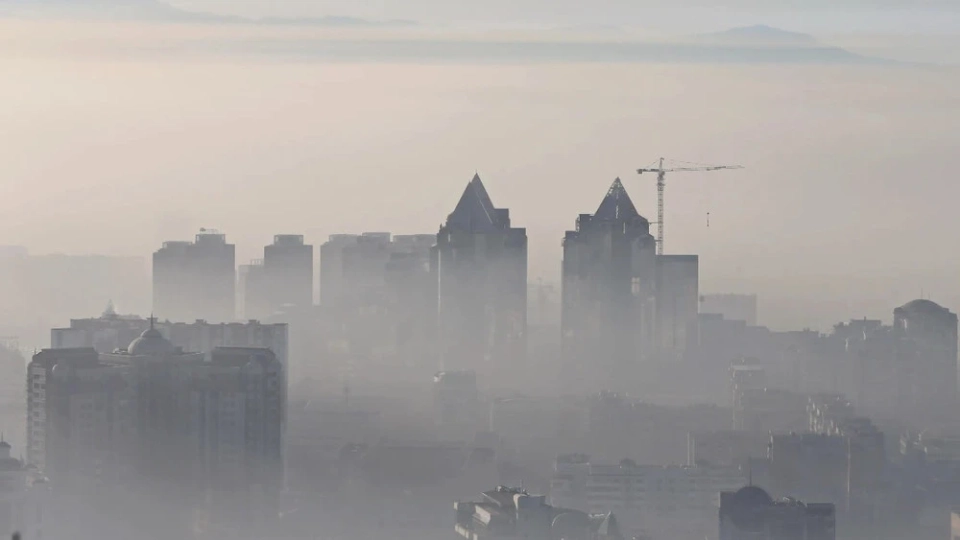
We have already polluted the air. Now are we planning to pollute the water too?
Mountain forests are the most effective filters for water of all that we have. Few know that New York, despite its size and density, receives one of the cleanest municipal waters in the world without traditional filtration. The city invested not in huge treatment plants but in the protection of mountain watersheds and forests — not out of idealism, but because it is cheaper, smarter, and safer for health.
In Utah, the mountains above the Park City and Deer Valley resorts are viewed not only as recreational areas but also as water infrastructure for Salt Lake City. Therefore, any development there undergoes strict scrutiny: everything that happens upstream inevitably affects the water supply downstream.
This is not ideology, but infrastructure policy.
Thus, perhaps the real problem causing tourism to stall is not eco-activists at all. Perhaps it is that we ourselves do not fully realize why and for whom we are building, constantly trying to copy other models instead of valuing our unique lands.
If we treated the land as our ancestors did — as a resource to be preserved rather than depleted to the last drop — we would sound much closer to those very activists. We would talk less about large resorts next to one of the most polluted cities in the region and more about the pollution itself, understanding that secluded mountain villas located close enough for a morning tee time at the Zhailau golf club or a glass of wine on the terrace of La Barca are not a tourism development strategy.
If Kazakhstan truly wants to develop ecotourism, it must first create a healthy ecology. Not slogans, not speed, and not comparisons with other countries that are already paying for their mistakes.
Ecosystems do not care how spectacular a project looks in a presentation. They care only about one thing — whether they can function after its implementation. If we make a mistake in this, no ranking in CNN Travel will save us.
Source here.