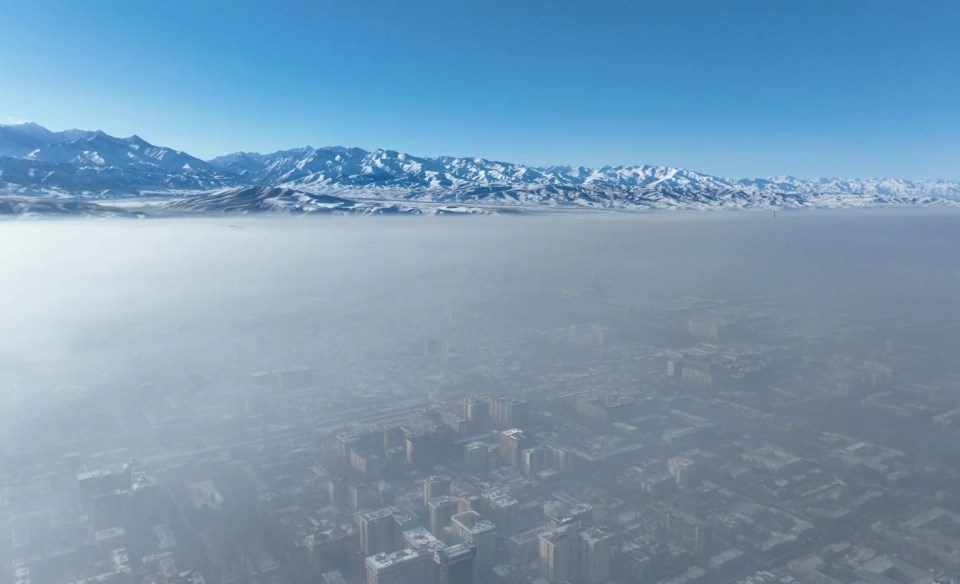
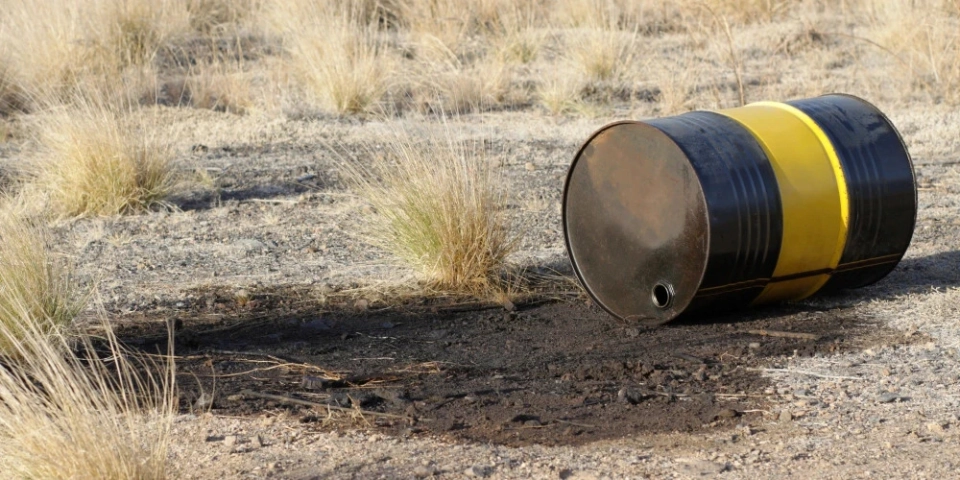
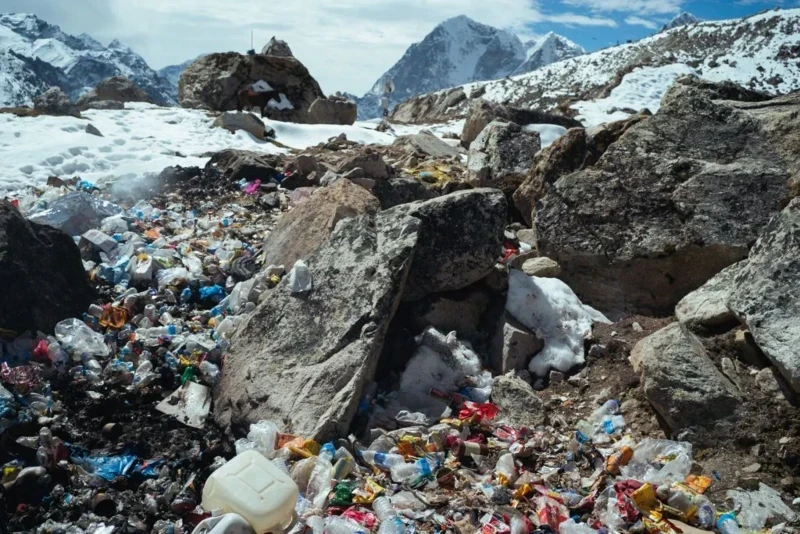
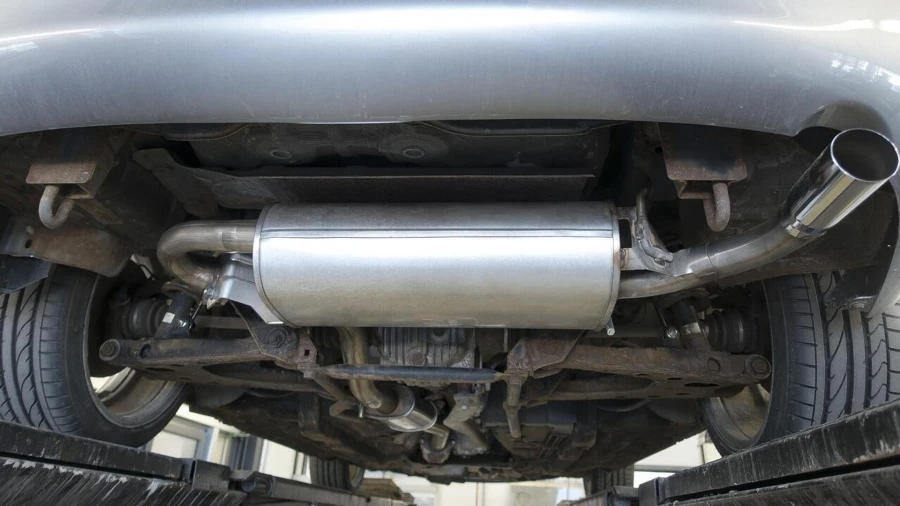
According to official statistics for 2023, no Class I hazardous waste has been recorded in Kyrgyzstan, which poses a serious threat to human health and the ecosystem. At first glance, this may seem like a positive fact, but in reality, it rather indicates insufficient attention to accounting for such waste as mercury, batteries, and medical waste, which end up in general trash and mix with household waste. A particularly alarming situation is observed in the Chui and Issyk-Kul regions, where Class II hazardous waste, requiring special disposal, accumulates in the soil and water, remaining unnoticed by residents.
The article was prepared by Yildiz Kuvatova, an associate professor at the Department of Mass Communications of AUCA.