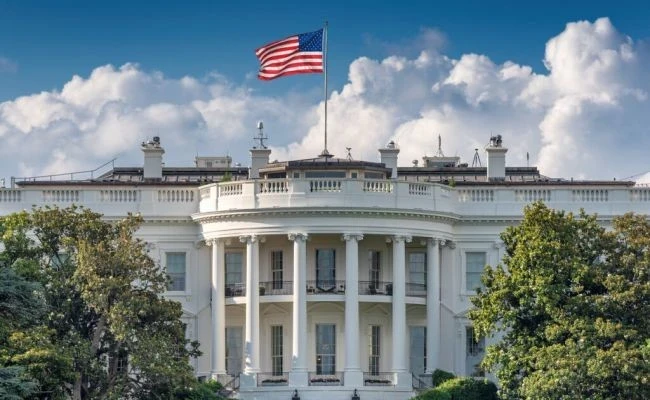
The official withdrawal from the Paris Agreement occurred on January 27, exactly one year after the USA notified the UN of its intention to leave.
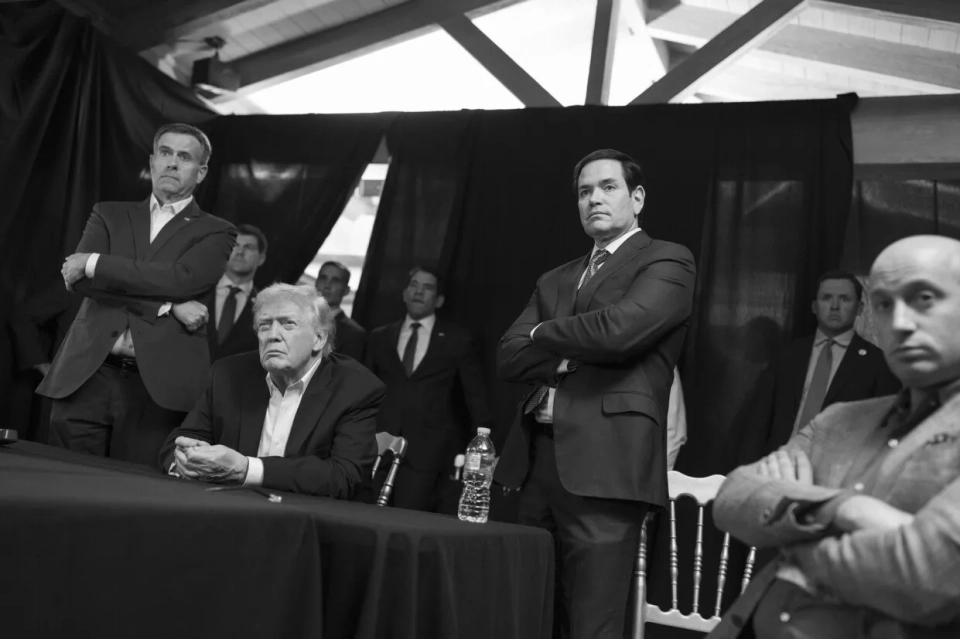
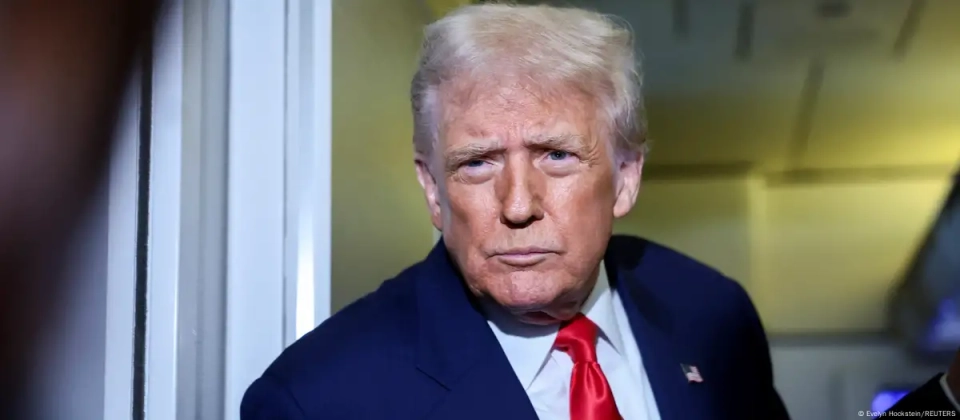
The decree on withdrawal was signed by Trump on the day of his inauguration in January 2025. The goal of the Paris Agreement is to limit global warming and minimize the most dangerous consequences of climate change.
Now that the USA has exited the agreement, it is no longer obligated to meet greenhouse gas emission reduction commitments and ceases participation in international climate forums. This also means a reduction in funding for programs aimed at helping developing countries adapt to climate change and protect against its impacts.
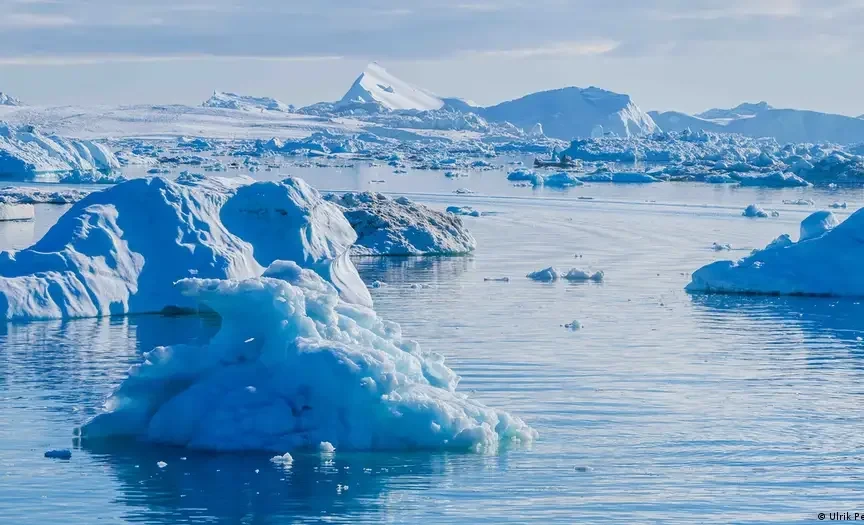
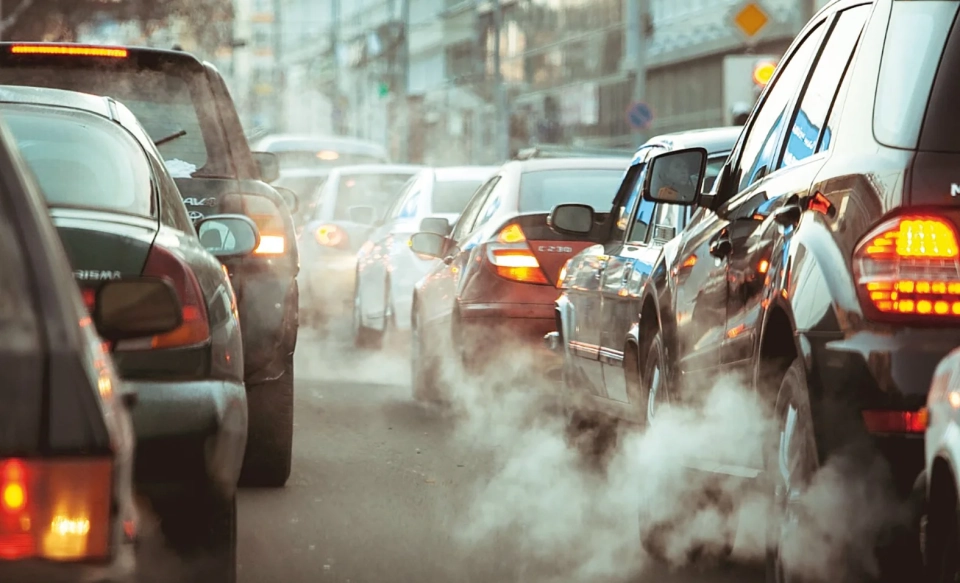
According to the UN, the USA ranks second in greenhouse gas emissions worldwide, after China. If current global climate policies remain unchanged, by the end of the century, the planet's temperature could rise by 2.8 degrees compared to pre-industrial levels. The USA's exit from the agreement could increase this figure by 0.1 degrees.
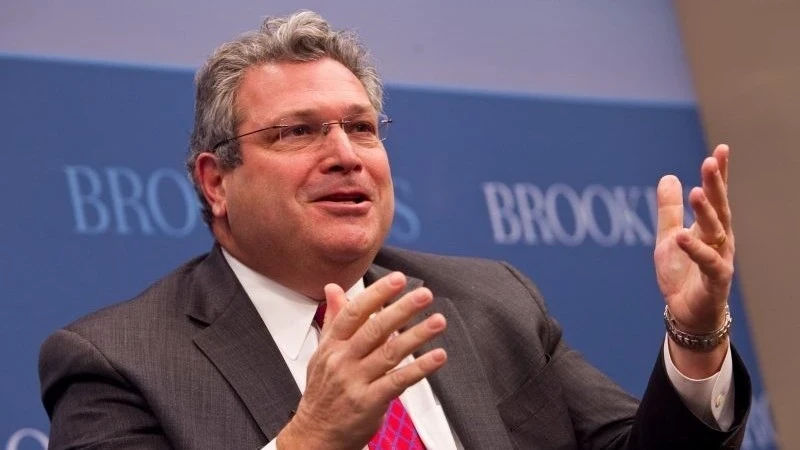
The head of Greenpeace Deutschland, Martin Kaiser, characterized Trump's decision as a "geopolitical arson" of the international legal order, which harms ecological interests and serves the oil and gas industry.
Kaiser urged Europe not to succumb to despair but, on the contrary, to form new alliances to continue climate policy. In his opinion, abandoning climate protection would be an "absolutely wrong reaction" and a "capitulation to Trump."
This is not the first instance of the USA withdrawing from the Paris Agreement under Trump: during his previous presidential term, the country also left this treaty, but under Joe Biden, it returned to it.
Additionally, earlier this year, the Trump administration announced its intention to withdraw from the UN Framework Convention on Climate Change and cease participation in the Intergovernmental Panel on Climate Change.