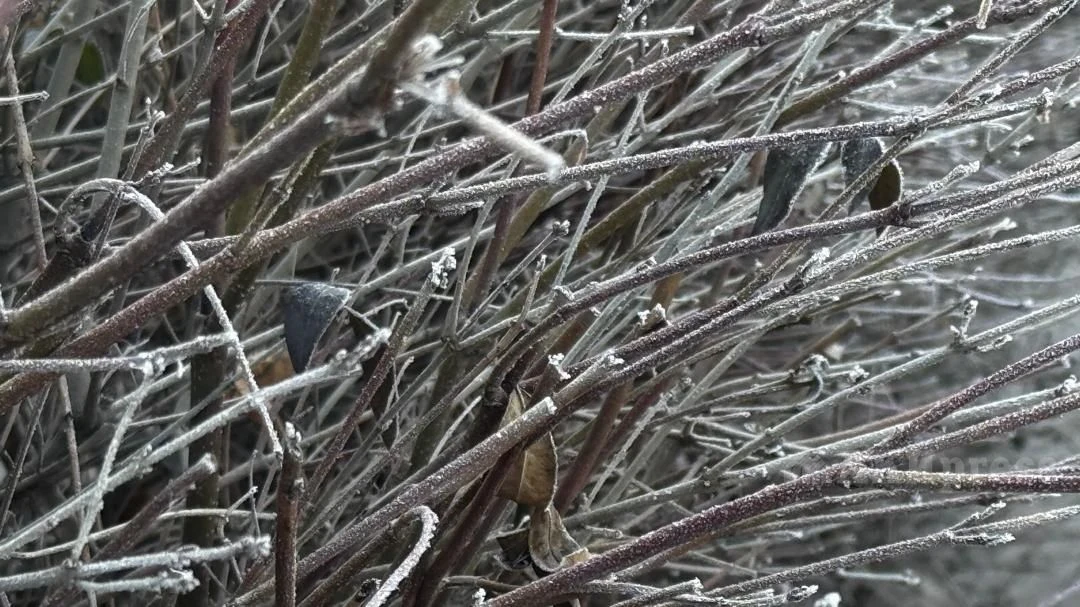
Winter frosts among the Kyrgyz are divided into three main periods: "Temir ayaz" (or "Iron frost"), "Müyüz ayaz" (or "Horned frost"), and "Kiyiz ayaz" (or "Felt frost").
The first of these, "Temir ayaz," is a forty-day stage from January 8 to February 18, during which the coldest temperatures are observed.
The next stage is "Müyüz ayaz," which lasts from February 19 to 27.
Then comes "Kiyiz ayaz," covering the days from February 28 to March 13.
During this same period, from February 28 to March 13, the Kyrgyz people say that "Toksondogu chal" ("Old Man Toksan") leaves the winter season.
In the Kochkor district, in the village of Kara-Suu, there lived a famous accountant Esenbay Kudyar uulu (1850–1941), who claimed that the period "Kempir yylaak" ("Weeping old woman") lasts from February 20 to 26. During this time, the old woman brings snowfalls and severe frosts. If there is a lot of snow during this period, people say: "The old woman has released her steam; spring will be warm and frost-free."
However, if the frosts do not leave, the old woman may warn: "Don't think that I have gone; I will return in 40 or even 90 days." In such a case, snowfalls and frosts may occur in April and May, and people say: "The stubborn old woman could not release her steam in time, and now she has returned."
From February 26 to March 11, "Toksondogu chal" (Old Man Toksan) comes to an end. During this time, the weather often changes: sometimes it is warm, then again snow or rain. People describe this state as "Old Man Toksan groans and tosses from side to side." After March 11, winter finally leaves, making way for spring.
Most folk accountants assert that "Toksan" lasts from December 13 to March 13, and it is with its completion that "Kiyiz ayaz" ends.
After March 13 (according to some sources, from March 18), the second "Toksan" begins, which lasts until June 13 (or 18). This period is called "jazz childe" (spring "childe") or "baar" (true warmth).
March 22 marks the day of the spring equinox, after which from March 23 the days begin to lengthen. This time coincides with the holiday of Nowruz — a symbol of spring and renewal. Thus, true spring begins on March 13.