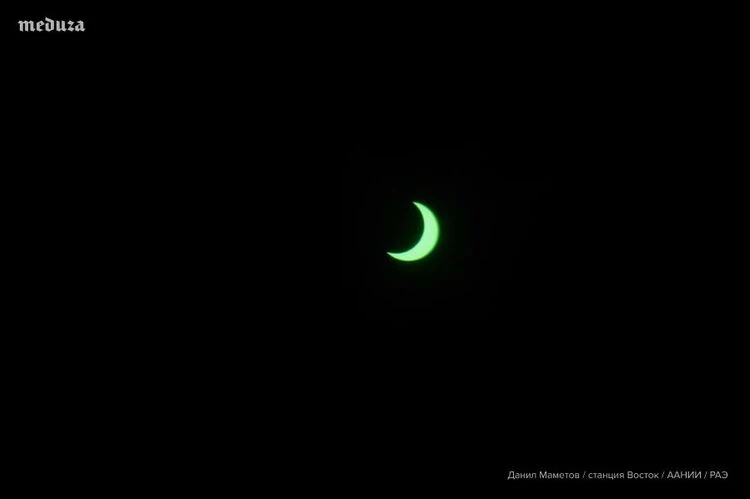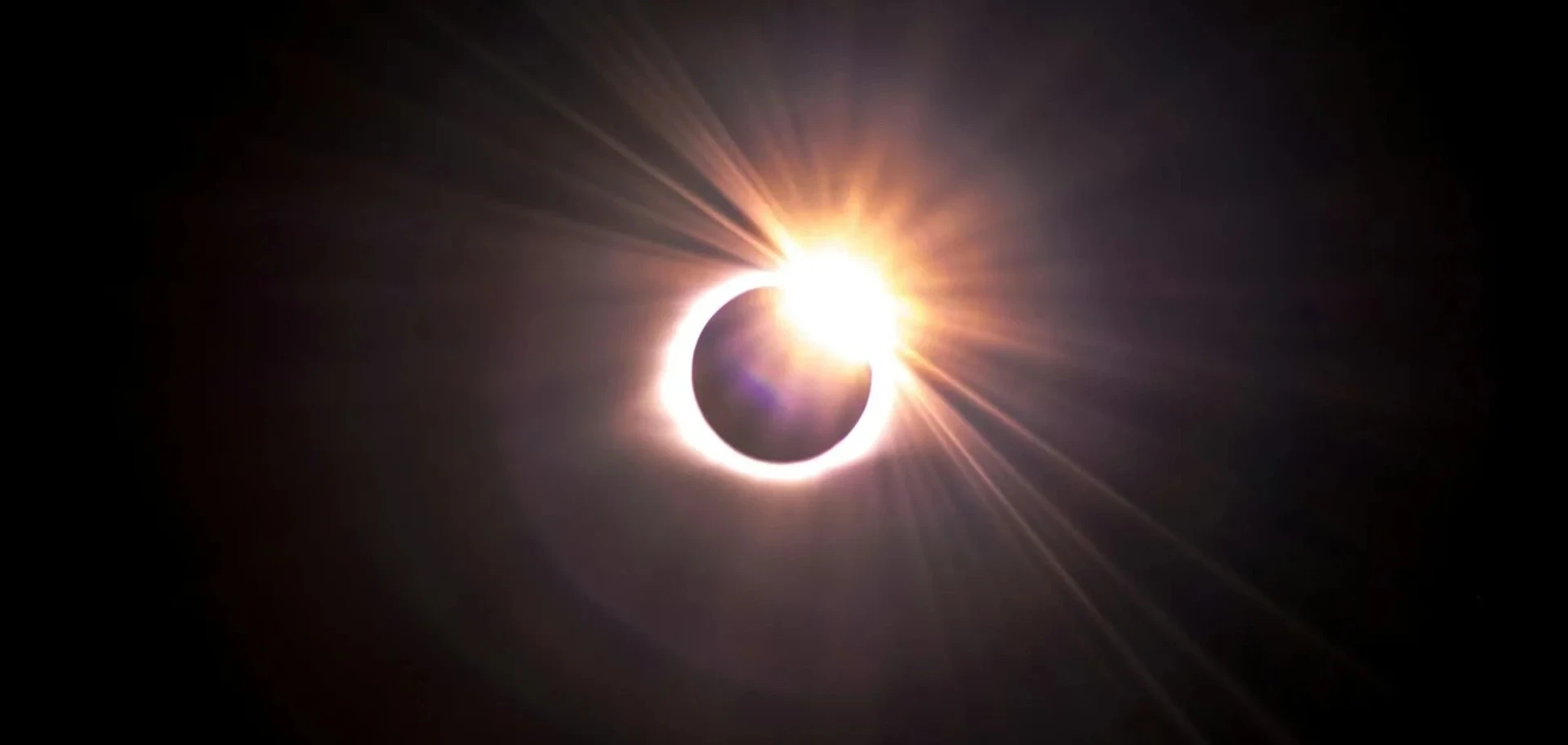
Photo from the internet. Today, the first solar eclipse of the year occurred
The eclipse was annular: at the moment of maximum phase, the Moon covered the central part of the solar disk, leaving a bright ring of light, creating the effect of a "ring of fire." The total phase was visible in Antarctica, while the partial eclipse was observed in the southern regions of Africa and South America.
However, this phenomenon was not visible in Central Asia.
The eclipse coincided with the new moon, which is a necessary condition for such astronomical events. In turn, the new moon determines the date of the Eastern New Year, which is celebrated on the second new moon after the winter solstice.
In 2026, this day fell on February 17, marking the beginning of the Year of the Fire Horse.

This rare coincidence enhanced the symbolic significance of this date. A number of publications began to feature astrological interpretations and reflections on "rebooting cycles." Nevertheless, astronomers remind us that this phenomenon is governed by predictable orbital mechanisms. Eclipses are calculated decades in advance, and the calendar dates of the Eastern New Year are determined by strict rules.
The next solar eclipse expected in 2026 will occur in the fall.