The ignorance of citizens poses a threat to the capital's infrastructure alongside active construction
There is an active discussion on social media regarding the incident of a heating pipeline burst on 7 April Street in Bishkek, which, according to some users, occurred "due to hot water." This information was conveyed to the editorial office of Vesti.kg by readers.
Residents suggest contacting the CHPP to request a reduction in water temperature to prevent further pipe bursts.
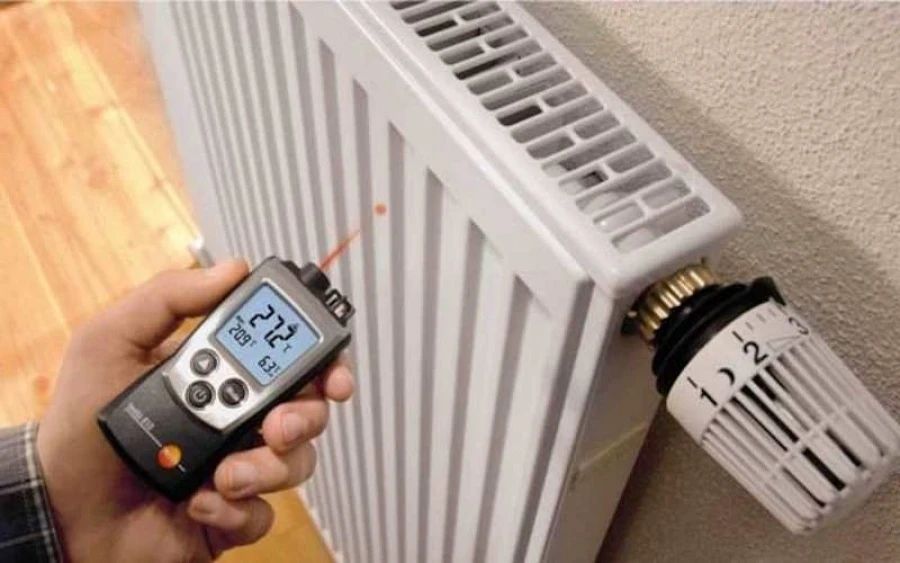
It is important to note that there are a number of sanitary and technical standards regulating the temperature of water supplied to residential buildings. For heating, it should be between 70 to 90 °C in the supply pipeline and from 50 to 70 °C in the return. The temperature of hot water (HW) that comes out of the taps should be within 60–75 °C. In Bishkek, where an open heating supply system operates, the temperature of hot water at the heating point is usually no less than 57–60 °C. In severe frost conditions, this temperature can vary depending on the outside temperature, reaching 85–150 °C, but most often remains within 70–90 °C.
According to the city hall's report, the accident led to the shutdown of heating and hot water in some houses in the southern neighborhoods. Currently, work is underway to eliminate the damage.
Photo www