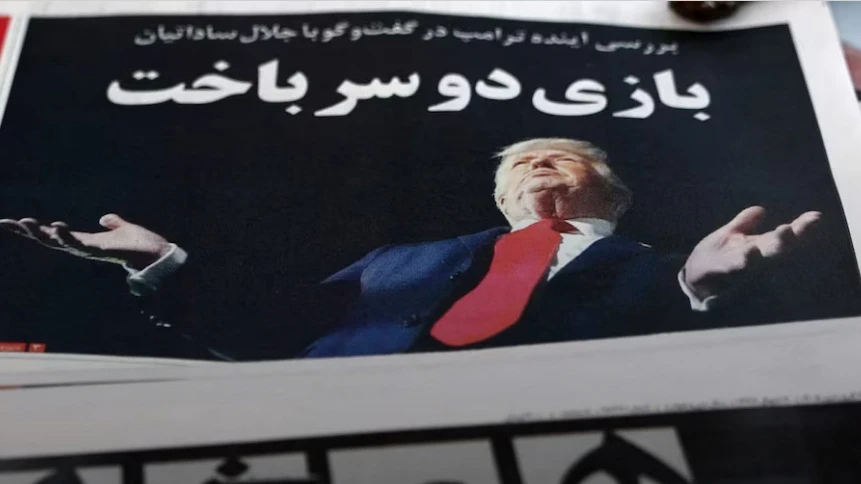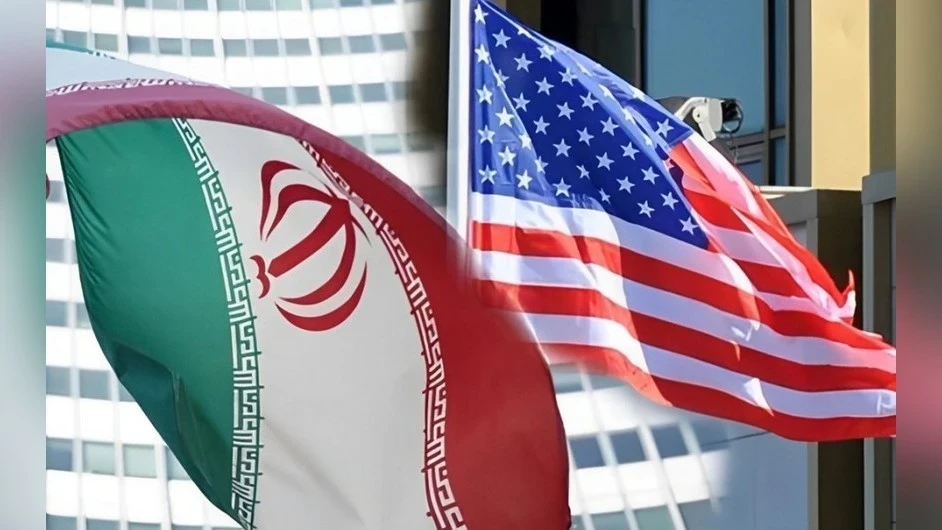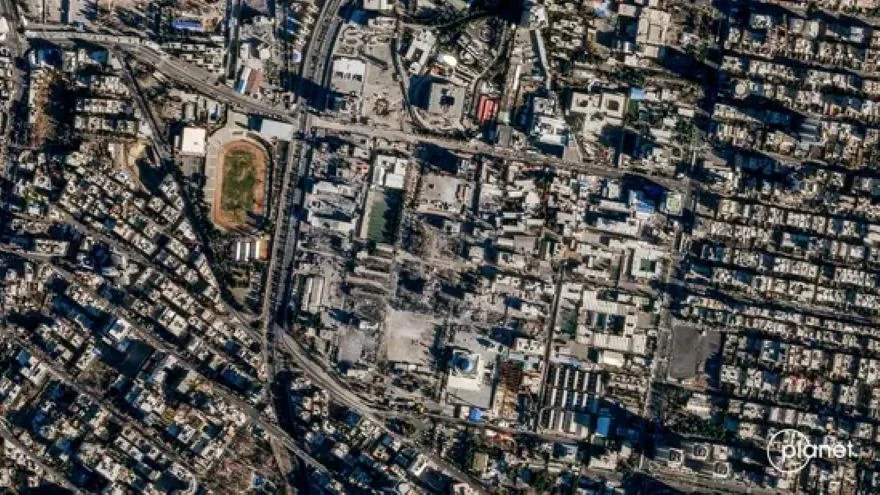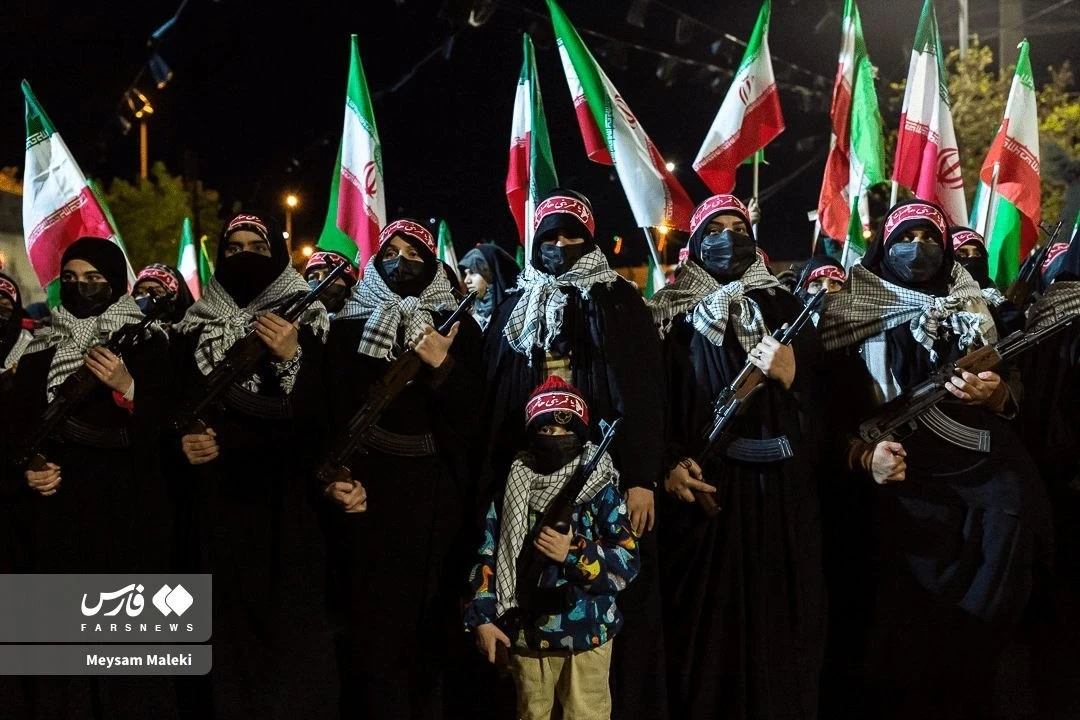
The agreement reached is the result of several rounds of negotiations between Tehran and Washington, with active assistance from Pakistan supported by China.
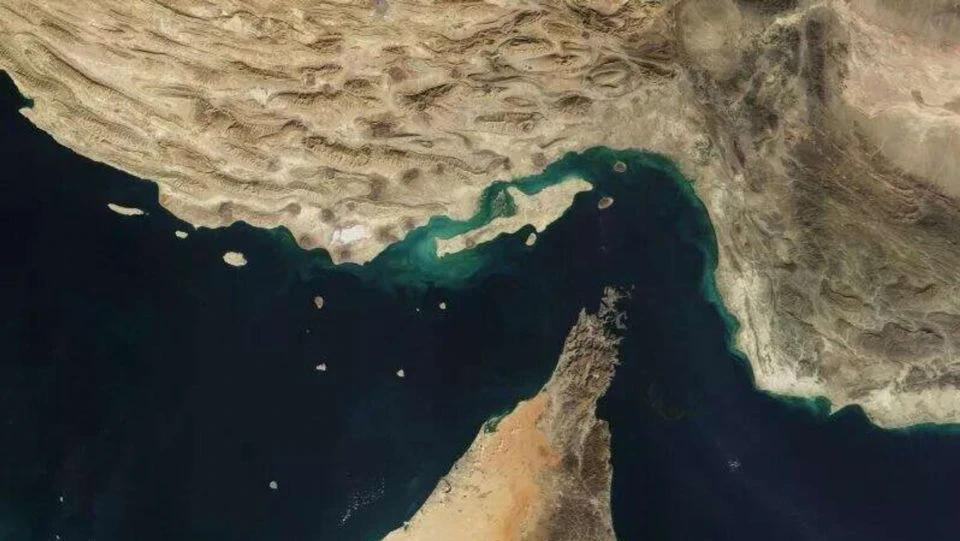
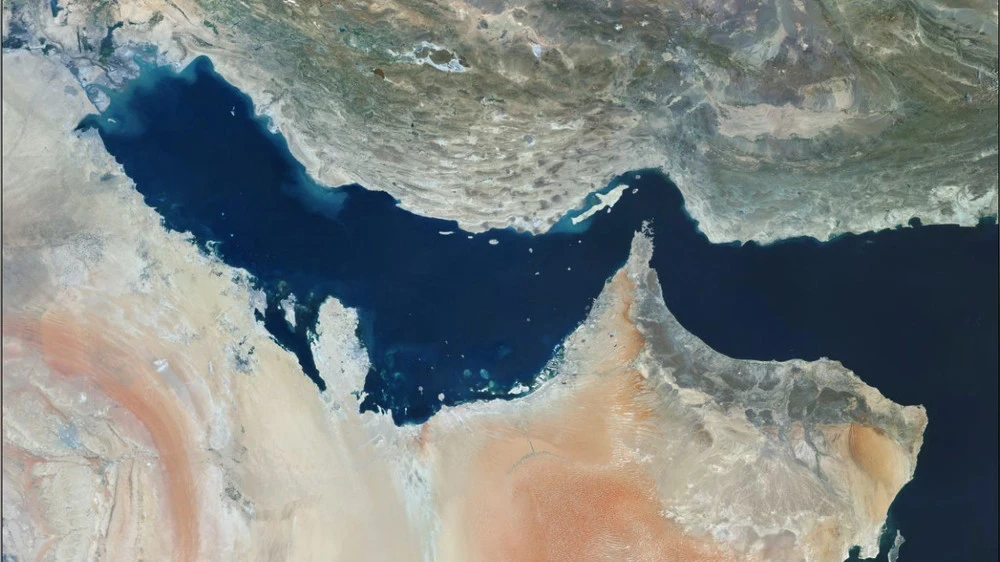
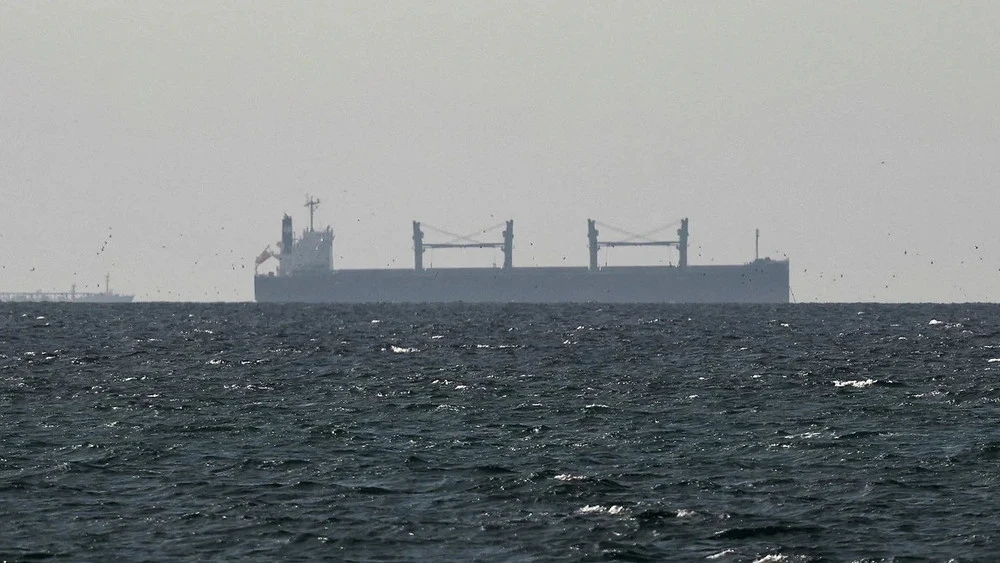
The main condition for the ceasefire to begin is the immediate opening of the Strait of Hormuz by Iran.
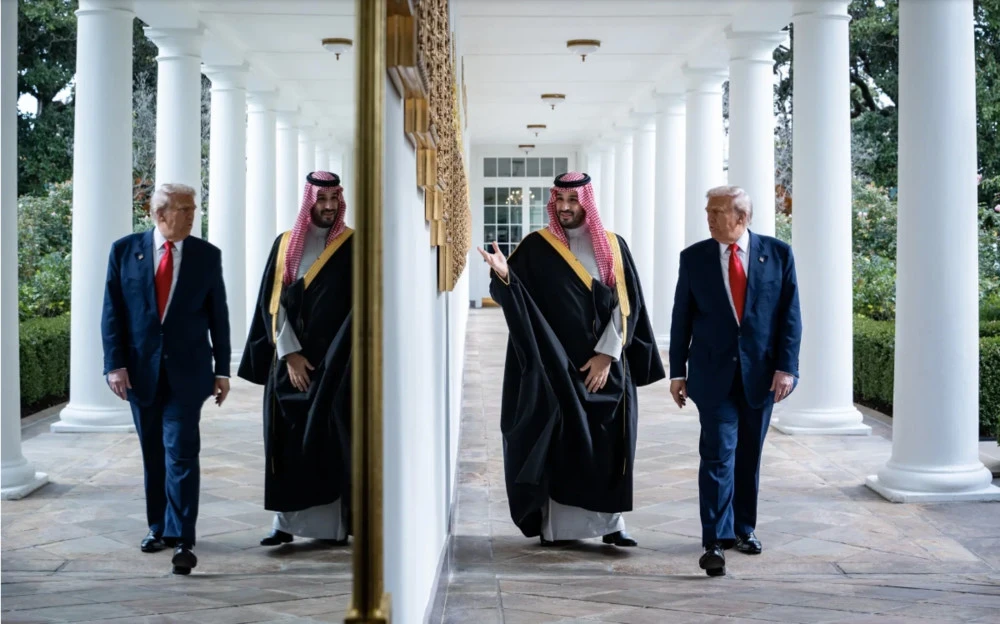
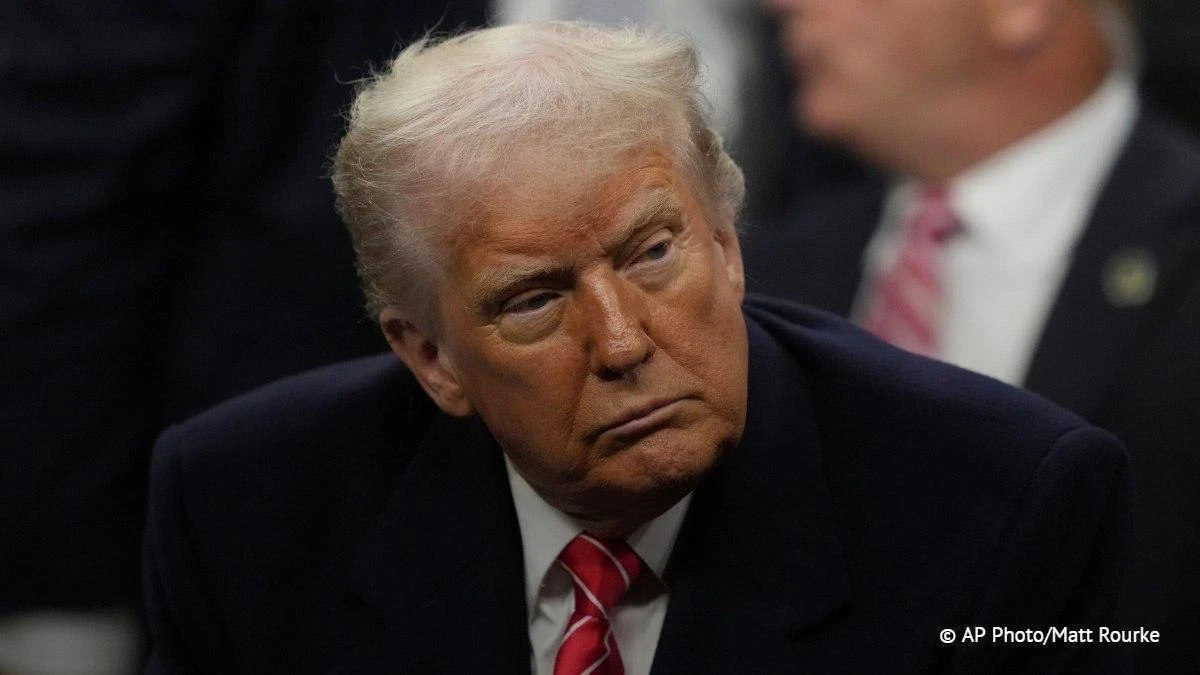
U.S. President Donald Trump agreed to two weeks without bombings of Iran, insisting that Tehran open the Strait of Hormuz "fully, immediately, and safely."
Washington received a ten-point proposal from Iran, which is seen as "the basis for further negotiations."

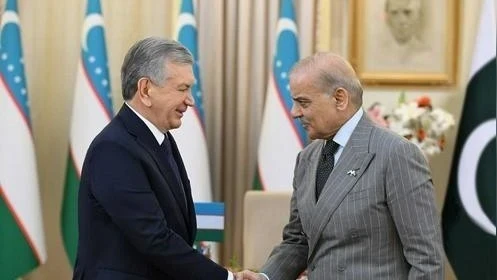
This decision was made by Trump after consultations with Pakistani Prime Minister Shehbaz Sharif and Marshal Asim Munir.
At the moment, Tehran has neither confirmed nor denied the announced ceasefire.
According to CNN, Israel has also agreed to the ceasefire and will halt its military actions, despite reports of missile launches from Iran.
Passage of vessels through the Strait of Hormuz over the next two weeks will only be possible with coordination with the Iranian Armed Forces and taking into account technical conditions, said Iranian Foreign Minister Abbas Araghchi.
Currently, the following facts are known:
- all military operations against Iran are suspended;
- the two-week ceasefire will only take effect after the opening of the Strait of Hormuz;
- the first round of negotiations between the U.S. and Iran will take place on April 10 in Islamabad.

An armed attack occurred at the Israeli consulate in Istanbul, where three armed men opened fire. One attacker was killed on the spot, while the other two were injured and detained. According to Turkish Interior Ministry spokesman Hasan Oymak, all attackers were Turkish citizens. One of them, Yunus E. S., had connections with a "terrorist organization that uses religion for its purposes," while the other two, brothers Onur C. and Enes C., had previously been prosecuted for drug-related crimes.
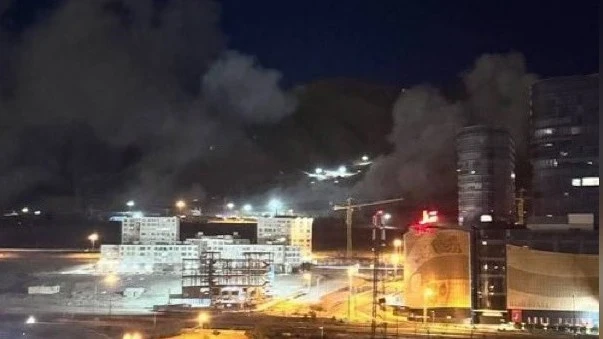
Despite the announced ceasefire, the Israeli Air Force continues to strike Iran, as reported by The Times of Israel.
No signs of cessation of operations against Hezbollah are observed either.
Oil prices fell by 13-17% following news of the ceasefire between Iran and the U.S., with Brent crude dropping below $92 per barrel.
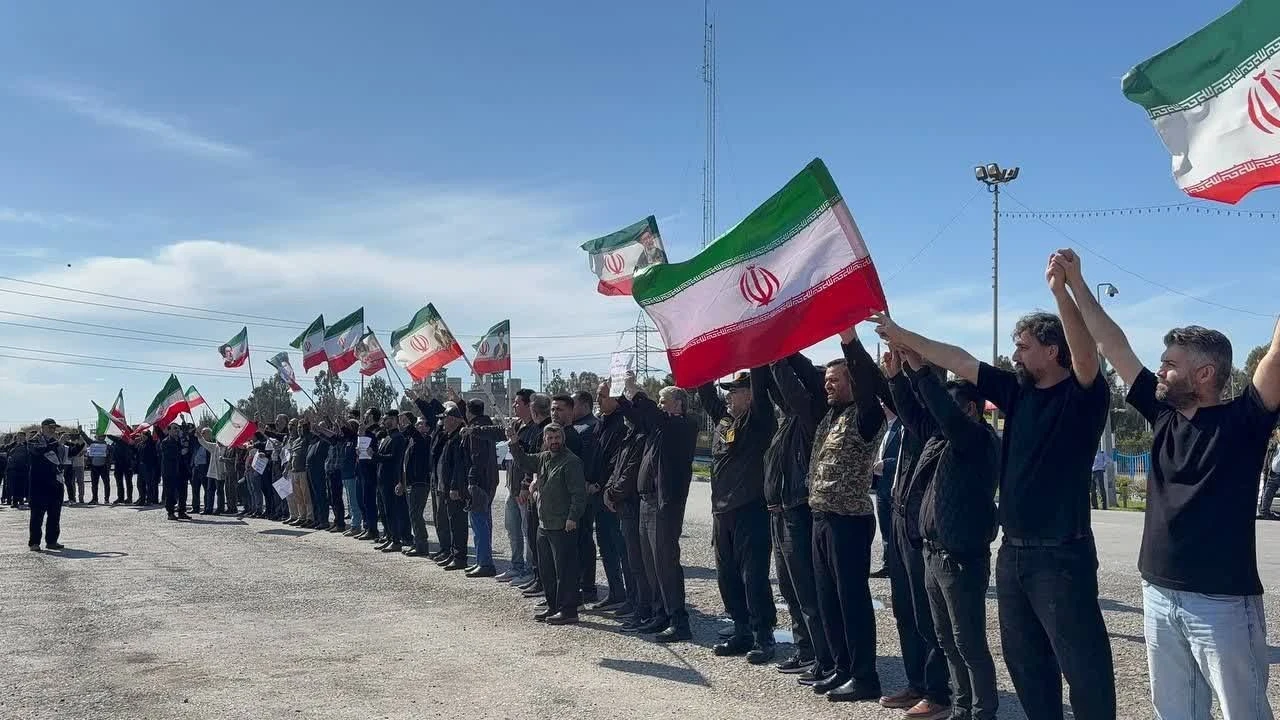
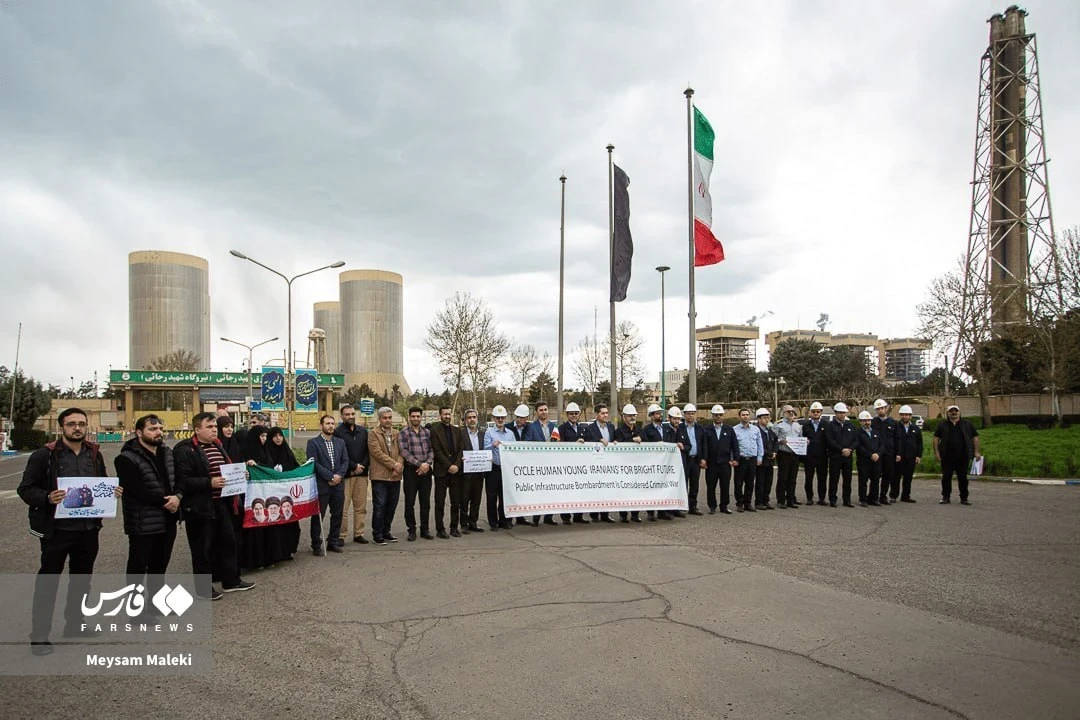
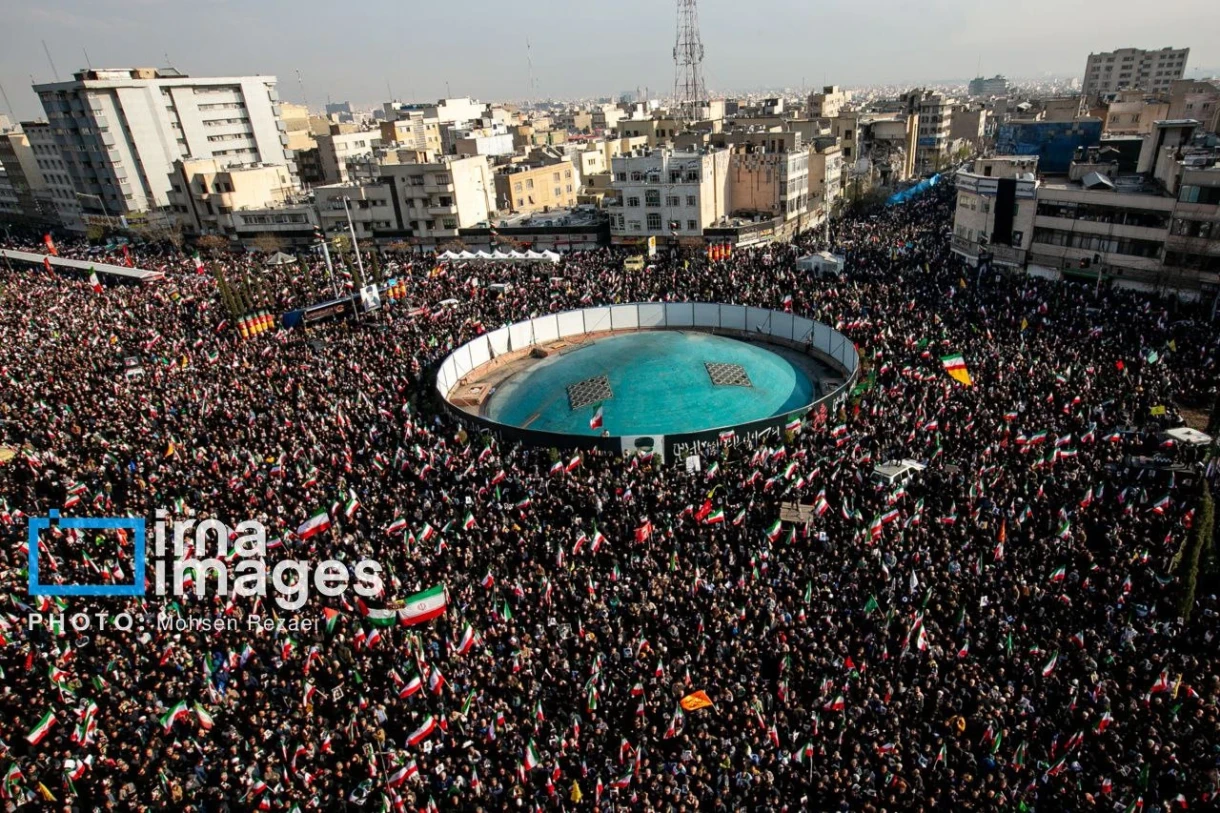
In Iran, people have begun forming "human shields" around power plants to protect them from possible American attacks. This initiative was proposed by the Deputy Minister for Youth and Sports of the IRI, Alireza Rahimi, reports Sky News.

Funerals were held in Israel for the victims killed by the Iranian missile that struck Haifa.
Israeli missiles hit the Rafiah-Niya synagogue in Tehran.

Iranian media report that as a result of overnight attacks by Israel, the Rafiah-Niya synagogue, also known as the "Mashhad synagogue," on Fariman Street in Tehran was completely destroyed.

Pentagon Chief Pete Hegseth may face impeachment due to the conflict in Iran, Axios reports.
Arizona Representative, Democrat Yassamin Ansari, stated that the official reasons for impeachment include "repeated violations of oath and constitutional duties," as well as "creating threats to American servicemen and recurring war crimes."
In the event of peace, Iran plans to charge ships $2 million for passage through the Strait of Hormuz, reports the NYT, citing unnamed Iranian sources.
According to the publication, Tehran also intends to share these funds with Oman, which is located on the opposite side of the strait.

An American journalist kidnapped in Iraq has been released. This was reported by a representative of the security service of the Shiite group "Kataib Hezbollah," Abu Mujahid al-Asaf.
According to him, the decision to release Shelly Kittleson was made "in appreciation of the patriotic position of the outgoing Prime Minister Muhammad al-Sudani." She was released on the condition of immediate departure from Iraq, but her whereabouts remain unknown.