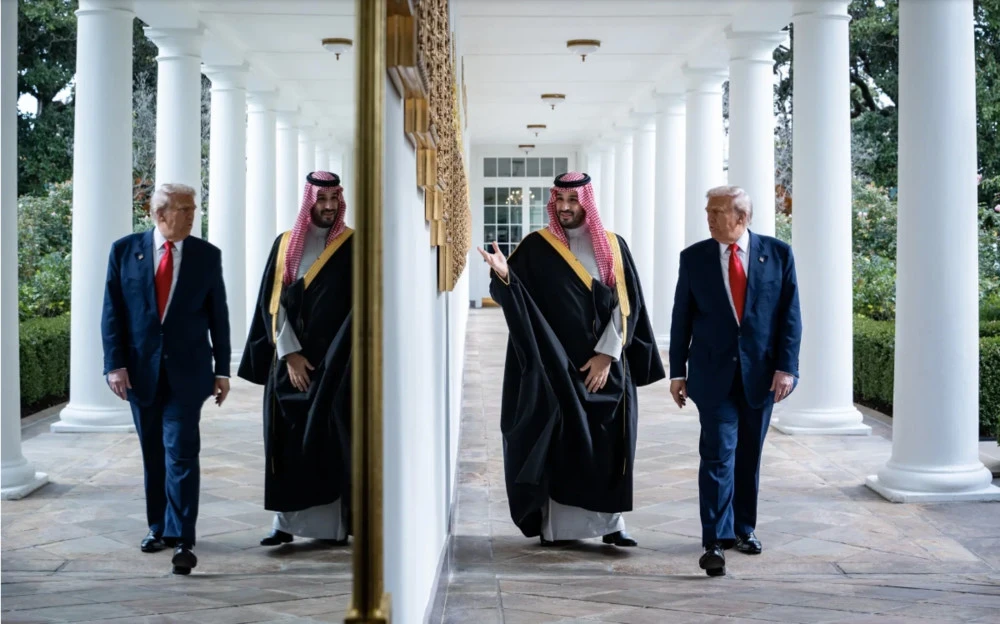
During recent negotiations, the Crown Prince of Saudi Arabia emphasized to Trump the need for a change of regime in Iran, stressing that Iran poses a long-term threat to the Gulf countries that can only be eliminated through the overthrow of the government in Tehran.
According to sources familiar with the discussions, Prince Mohammed insisted that Iran threatens the stability of the region and that its downfall would open new opportunities for countries under threat.
Israeli Prime Minister Benjamin Netanyahu also views Iran as a long-term threat, but experts believe Israeli officials may interpret Iran's internal problems as a sign of weakness, while Saudi Arabia sees it as a real threat.
Among high-ranking officials in both the Saudi and American governments, there is growing concern that a protracted conflict could lead to more severe strikes on Saudi oil facilities and drag the U.S. into an endless war.
Trump's position is currently shifting: from signals of a possible end to the war to hints of its escalation. On Monday, he posted a message about "productive negotiations" with Iran, but the Iranian side denied this information.
The economic consequences of the war for Saudi Arabia could be significant. Iran's retaliatory strikes have already caused disruptions in the oil market.
Saudi officials have rejected accusations that Prince Mohammed is seeking to prolong the conflict.
"The Kingdom has always supported a peaceful resolution to the conflict, even before it began," the government stated, emphasizing that it maintains close contact with the American leadership.
"Our main task is to protect citizens and infrastructure from daily attacks," the government added. "Iran has chosen a dangerous path that harms everyone, including itself."
Sources report that Trump has occasionally shown a tendency to cease hostilities, but Prince Mohammed insisted that this would be a wrong step, demanding attacks on Iranian energy infrastructure to weaken the regime.
This article is based on interviews with participants in the negotiations who agreed to speak anonymously due to the sensitive nature of the discussions. The New York Times gathered opinions from various experts regarding the advisability of continuing the conflict and the role of Prince Mohammed in consultations with Trump.
White House Press Secretary Karine Jean-Pierre declined to comment on private conversations with the president.
The Crown Prince, being an influential figure in the royal family and an authoritarian leader, has Trump's trust and has previously influenced his decisions. He has also raised the possibility of deploying American troops in Iran to seize energy assets.
In recent days, Trump has been considering an operation to seize the Iranian island of Kharg, a key point in the oil infrastructure. Such an operation, involving landing troops, could be extremely risky.
Nevertheless, sources claim that Prince Mohammed insists on conducting ground operations.
Economic and political factors shape Saudi Arabia's views on the war. Iran's retaliatory actions have significantly disrupted operations in the Strait of Hormuz, which is critical for the region's energy sector, as a large portion of oil must pass through this route.
Although Saudi Arabia and the UAE have built pipelines to bypass the strait, these routes have also come under attack.
Analysts note that while Prince Mohammed would likely prefer to avoid war, he is concerned that Trump's retreat would leave Saudi Arabia alone against a strengthened Iran.
The unresolved conflict could make Saudi Arabia vulnerable to Iranian attacks, allowing Iran to periodically control the Strait of Hormuz.
"Saudi authorities really want the war to end, but it is important how it happens," emphasized Yasmin Farouk, director of the Gulf and Arabian Peninsula project at the International Crisis Group.
The attack on Saudi oil facilities in 2019, organized by Iran, prompted the prince to reconsider his aggressive policy toward the Islamic Republic.
Subsequently, Saudi officials took steps toward diplomatic softening, restoring relations with Iran in 2023, realizing that their alliance with the U.S. does not provide complete security from the Iranian threat.
Other countries in the region, such as the UAE, are also seeking to improve relations with Iran for the same reasons.
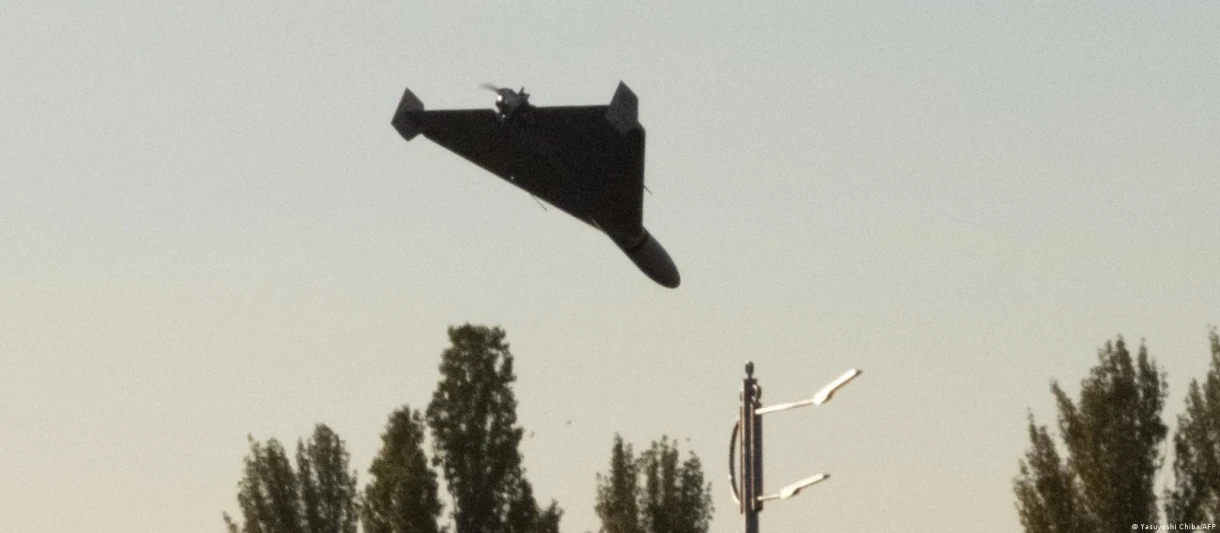
After Trump's decision to initiate military action, despite advice from several Gulf governments, Iran responded with massive missile and drone attacks on countries in the region, undermining their attempts to win Iran over.
"The little trust that existed has been destroyed," said Saudi Foreign Minister Prince Faisal bin Farhan at a press conference last week.
Saudi Arabia possesses a significant number of Patriot interceptor fighters used to protect against Iranian attacks on oil fields and other facilities. However, there is a global shortage of such systems. Drones and missiles have already struck oil refineries and even the American embassy, and debris from intercepted projectiles has resulted in civilian casualties.
Since the beginning of the conflict, Netanyahu has insisted on military actions that could lead to the overthrow of the Iranian government, while American officials have focused on weakening Iran's naval and missile capabilities, expressing distrust in the possibility of regime change.
Despite losses among Iranian leaders due to Israeli attacks, the hardline leadership remains in power.
Saudi officials are concerned that even if the Iranian government falls, remnants of the army or militia may continue attacks targeting the kingdom and its oil facilities.
Some analysts note that Prince Mohammed views the war as an opportunity to enhance Saudi Arabia's influence in the region, assuring that the kingdom can protect itself even amid ongoing conflict.
During conversations with Trump, the Crown Prince expressed concern about oil prices and their impact on the economy. He assured that the problems are temporary; however, many American and regional officials doubt the ability of oil markets to recover quickly.
Economists argue that Saudi Arabia cannot compensate for the losses caused by the war, as its land pipelines can transport only a small portion of the oil that typically passes through the Strait of Hormuz.
Although Saudi Arabia is in a better position than other countries in the region to cope with the closure of the strait, it faces serious consequences if this route is not opened soon.
Before the war began, Prince Mohammed faced significant financial difficulties as he approached his target deadline of 2030 to transform the country into a global business hub. His government expects a budget deficit for the next few years due to ambitious projects and investments in technology.
A prolonged conflict with Iran threatens these plans. The prince's success depends on creating a safe environment for investors and tourists.
When asked about the Saudi government's preferences regarding the end of the war, Foreign Minister Prince Faisal stated that the main concern for officials is to stop attacks from Iran on Saudi Arabia and neighboring countries.
"We intend to use all available means—political, economic, and diplomatic—to end these attacks," emphasized Prince Faisal.
The full translation of the New York Times article "Saudi Leader Is Said to Push Trump to Continue Iran War in Recent Calls."