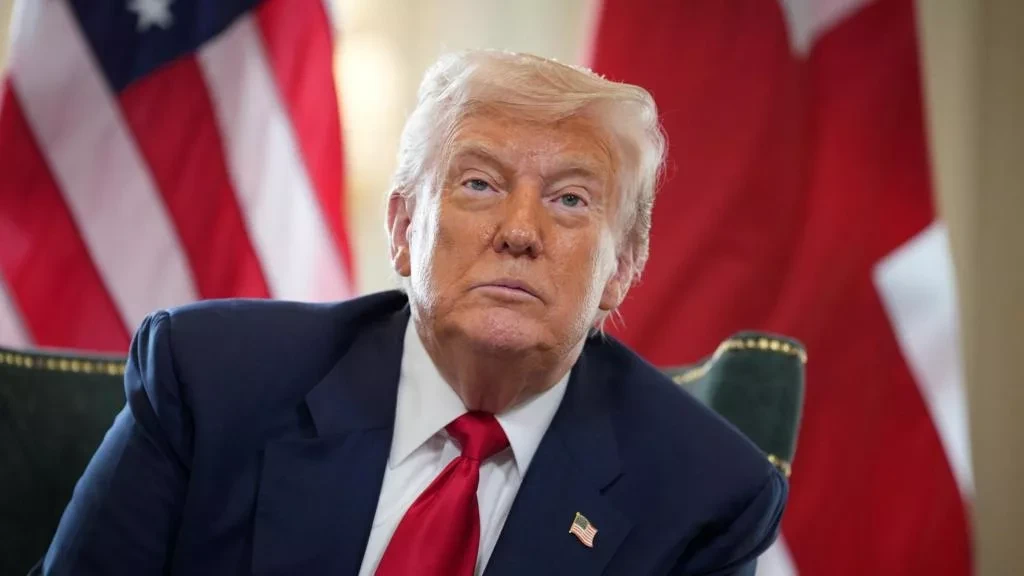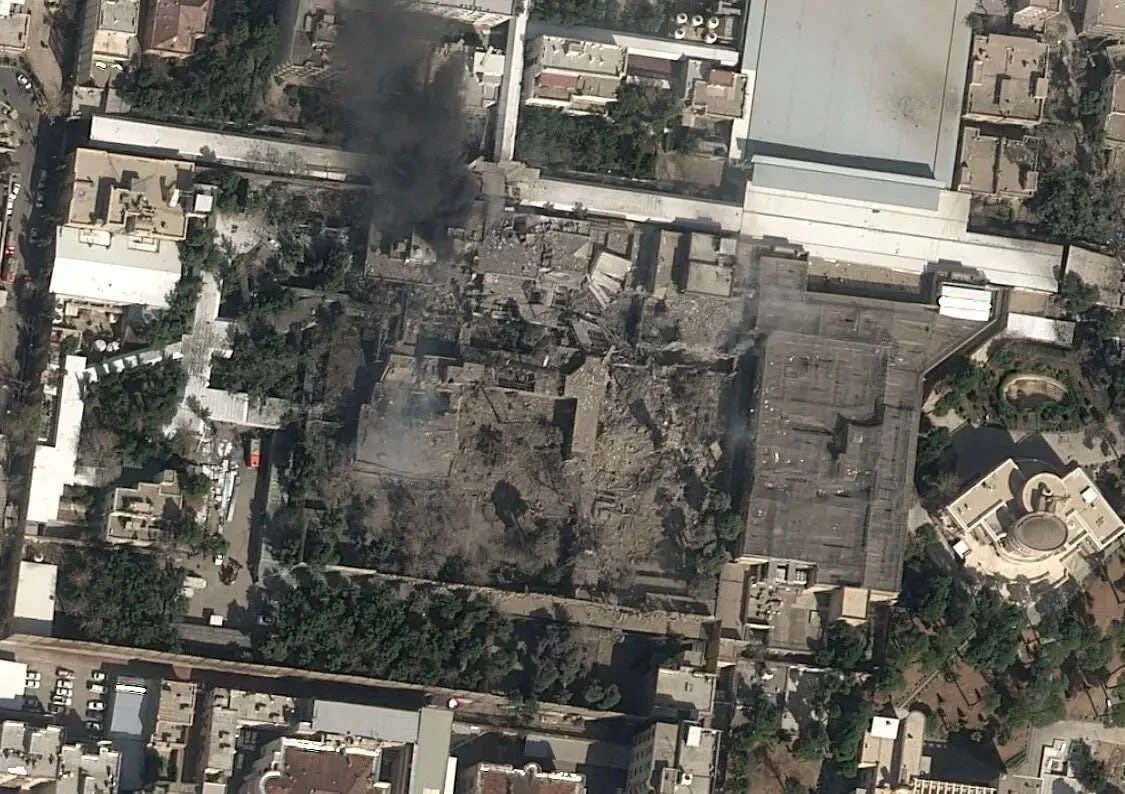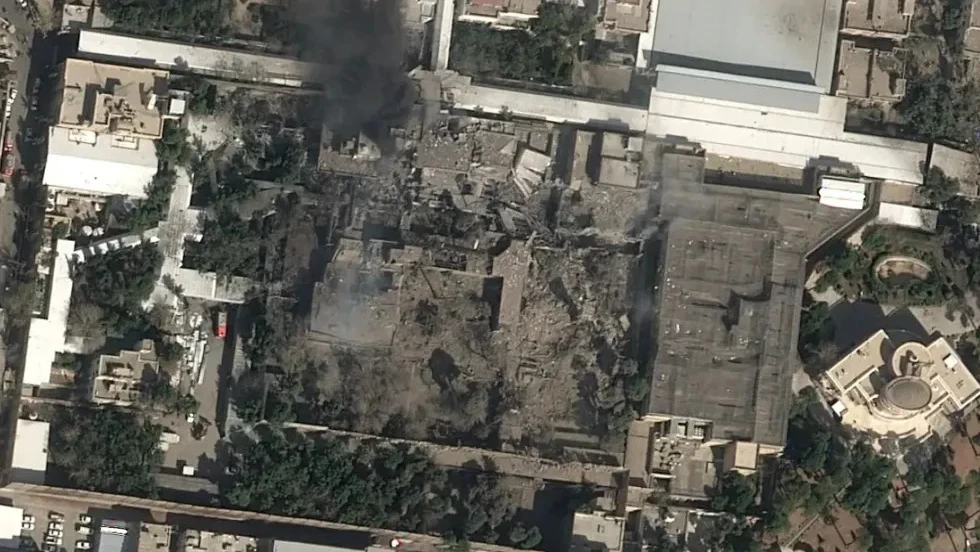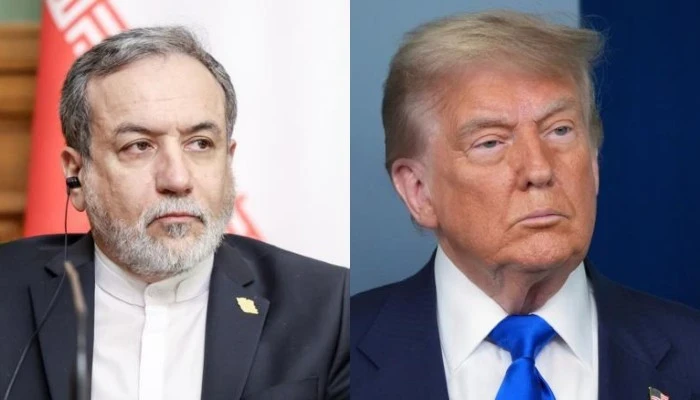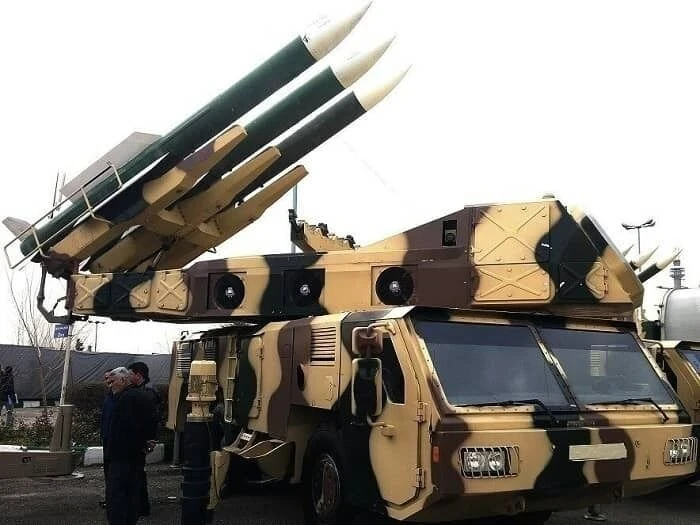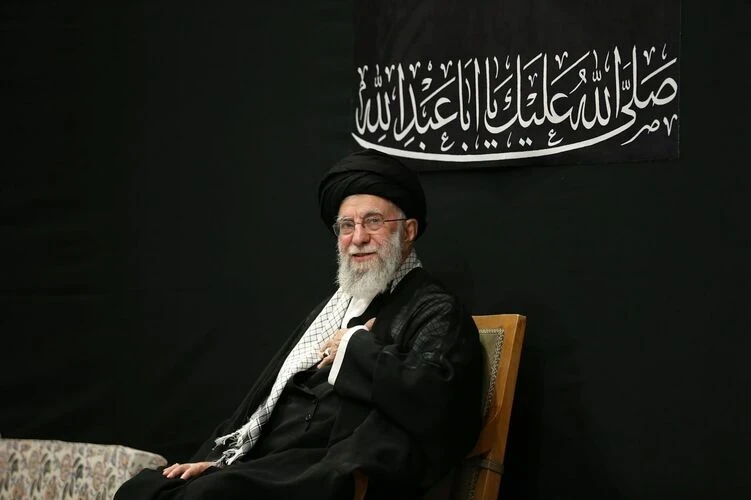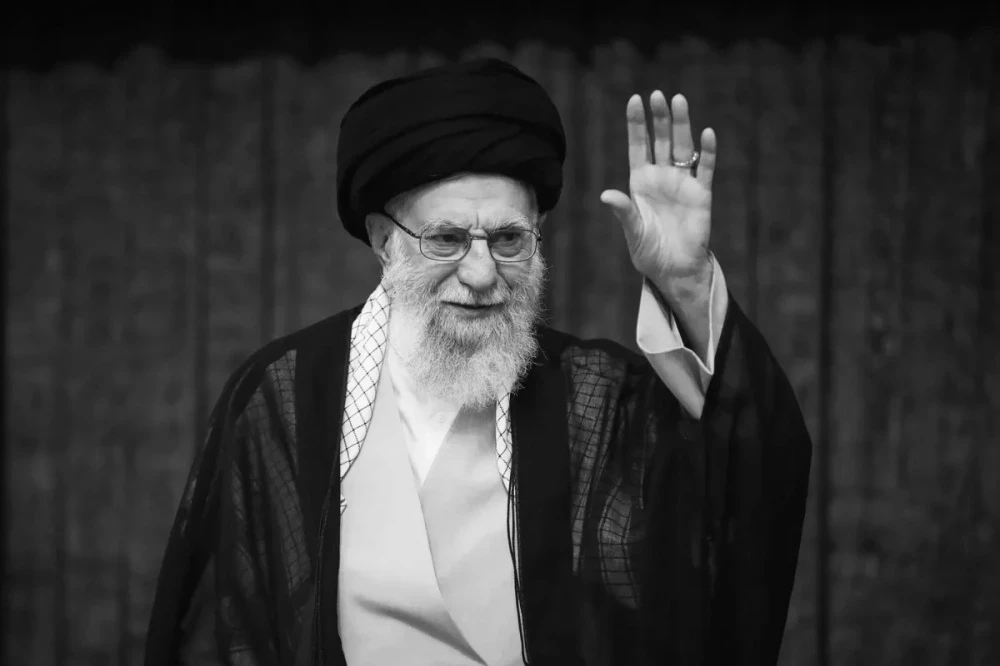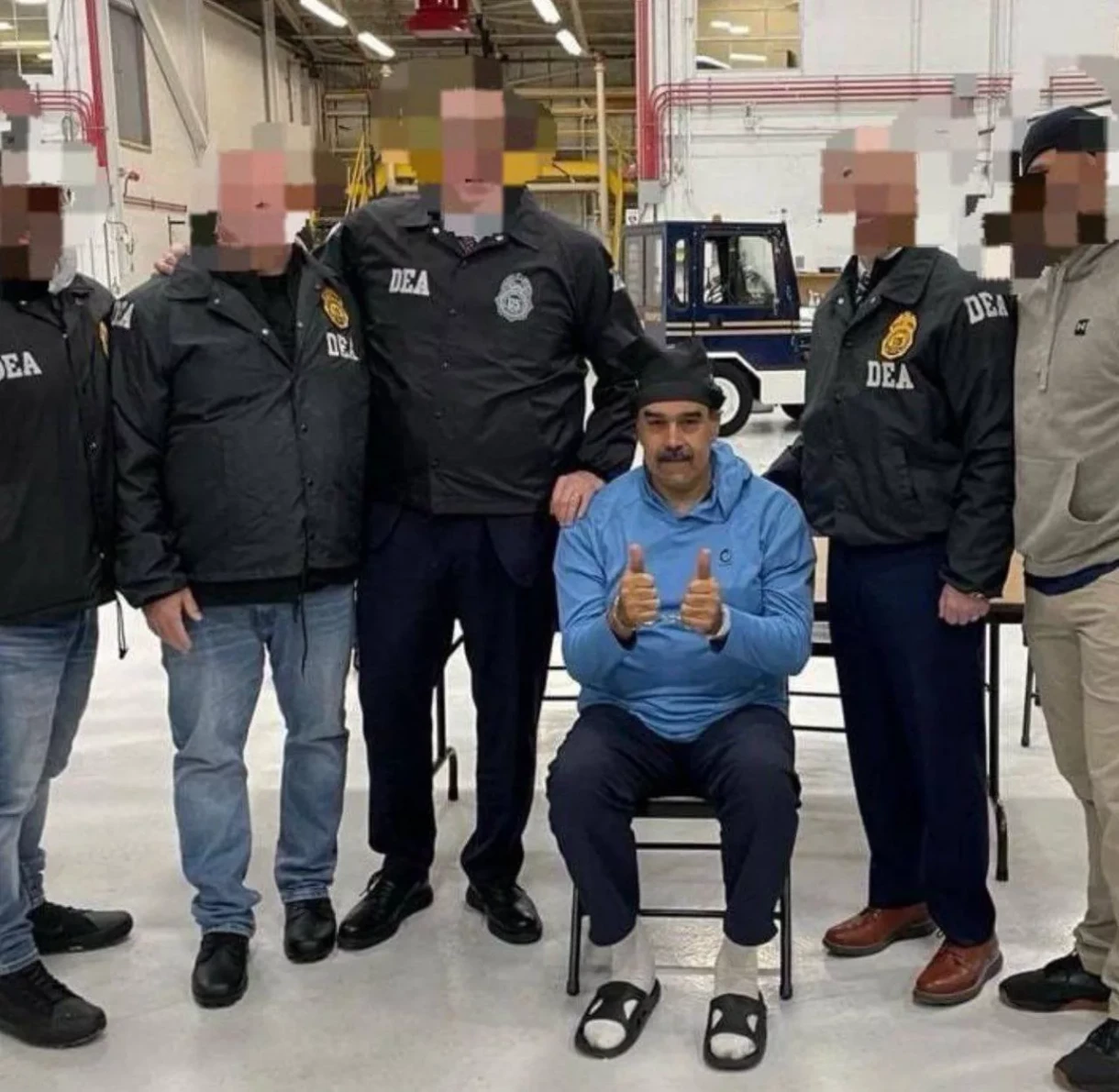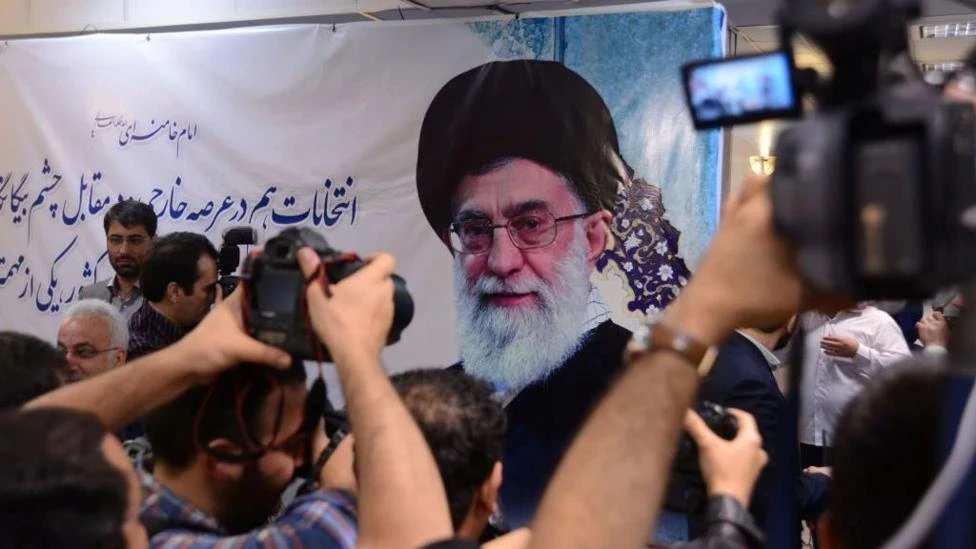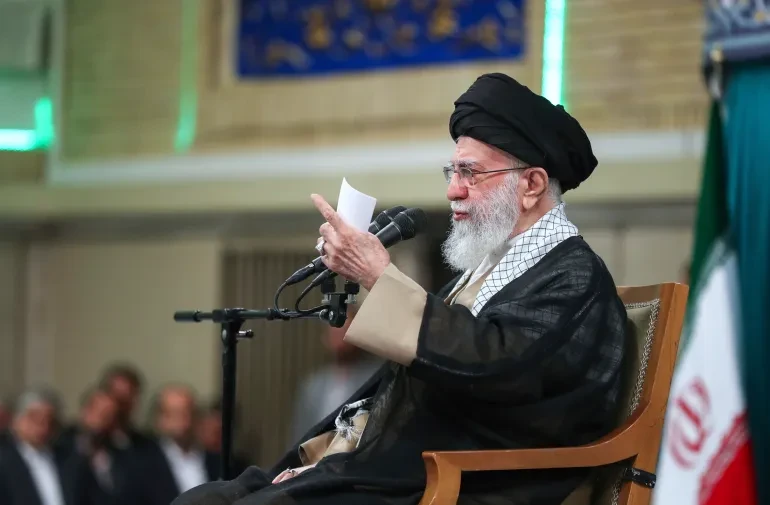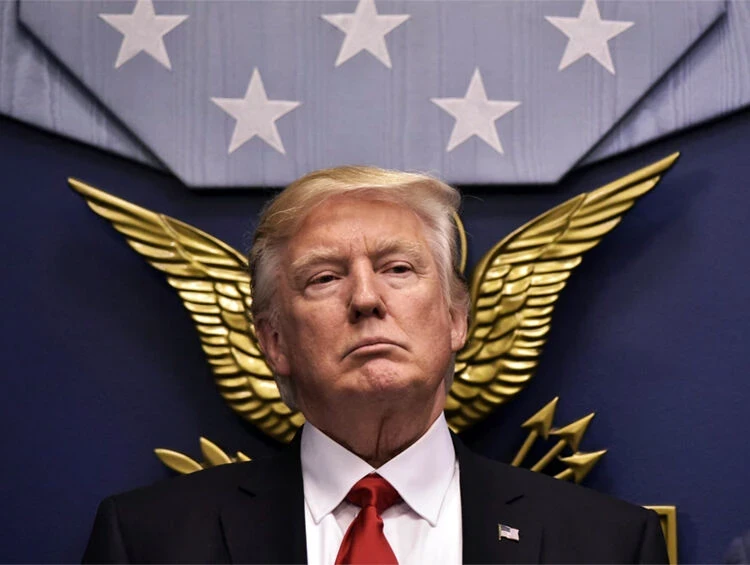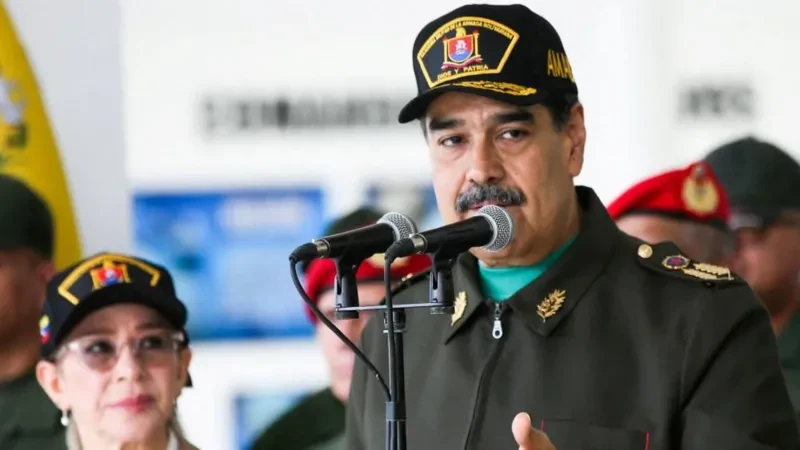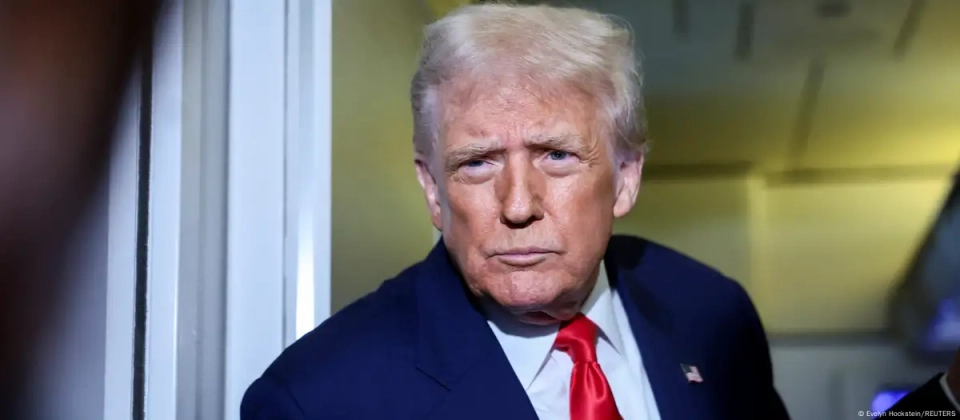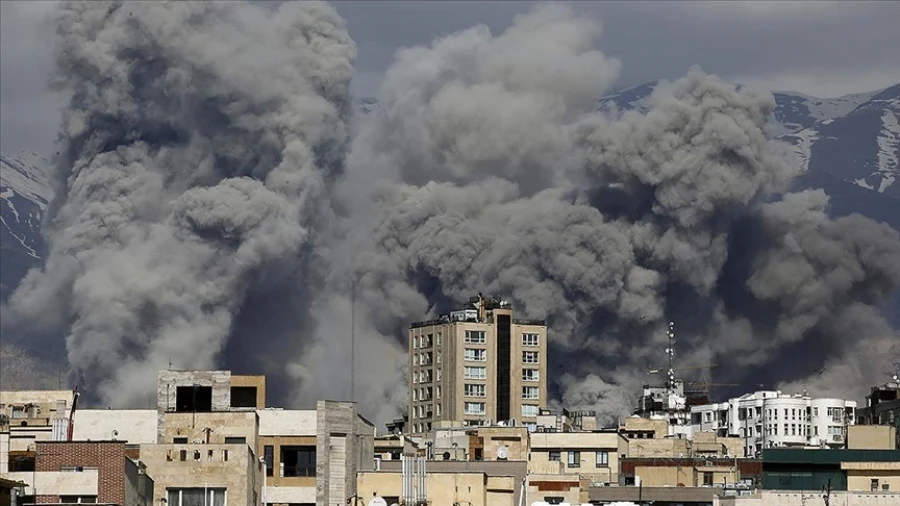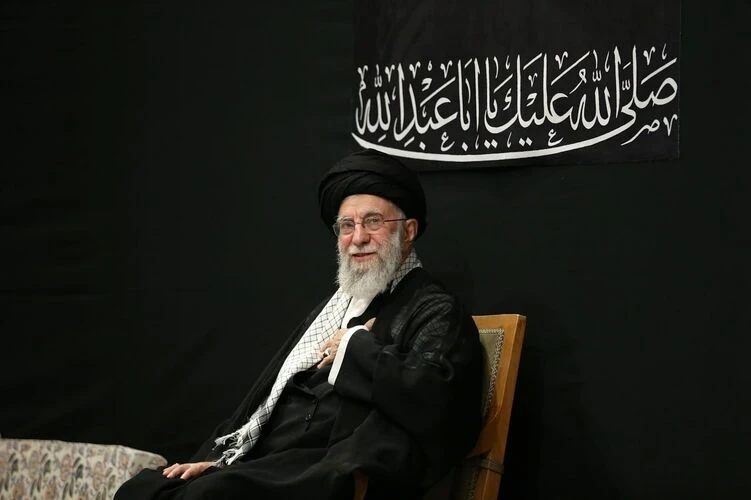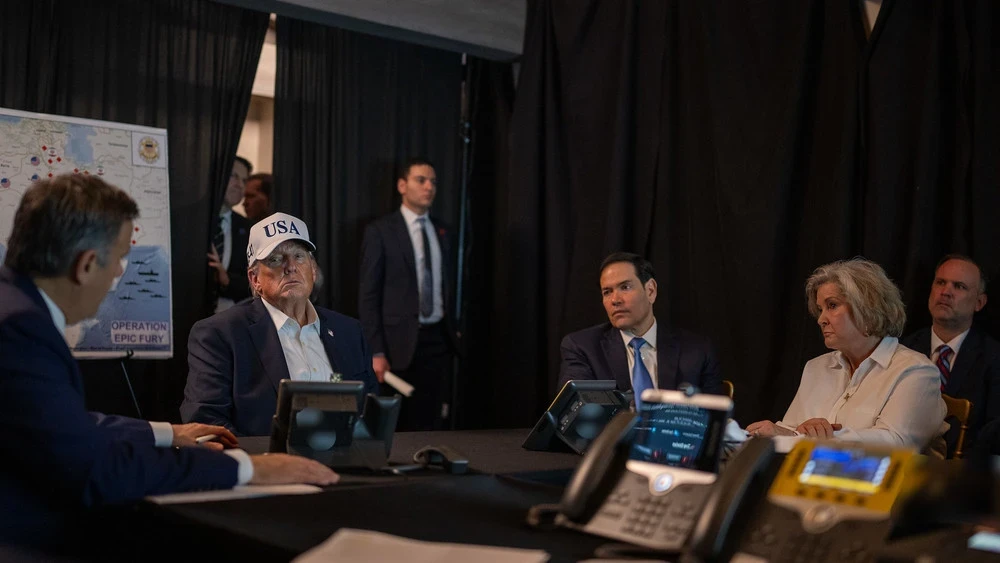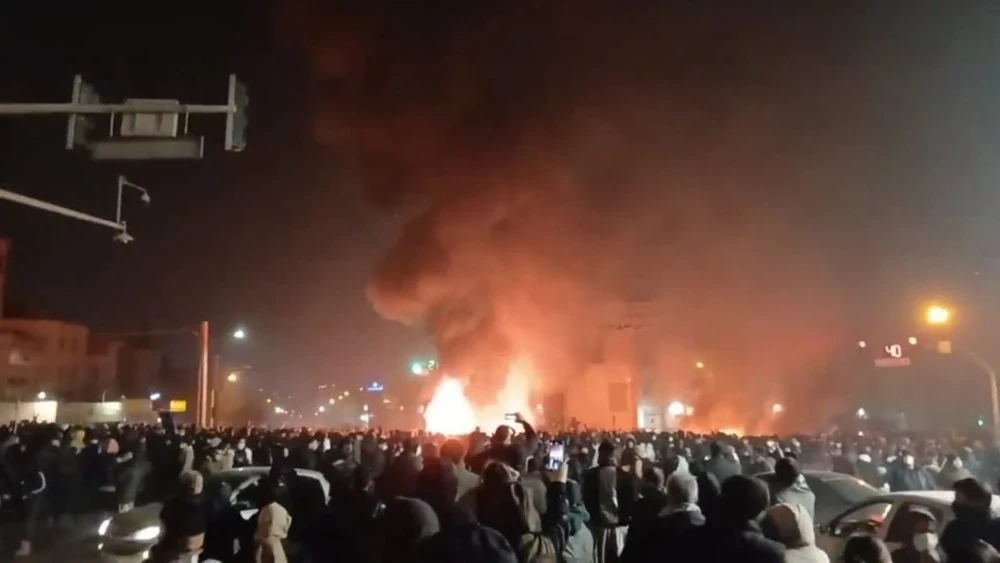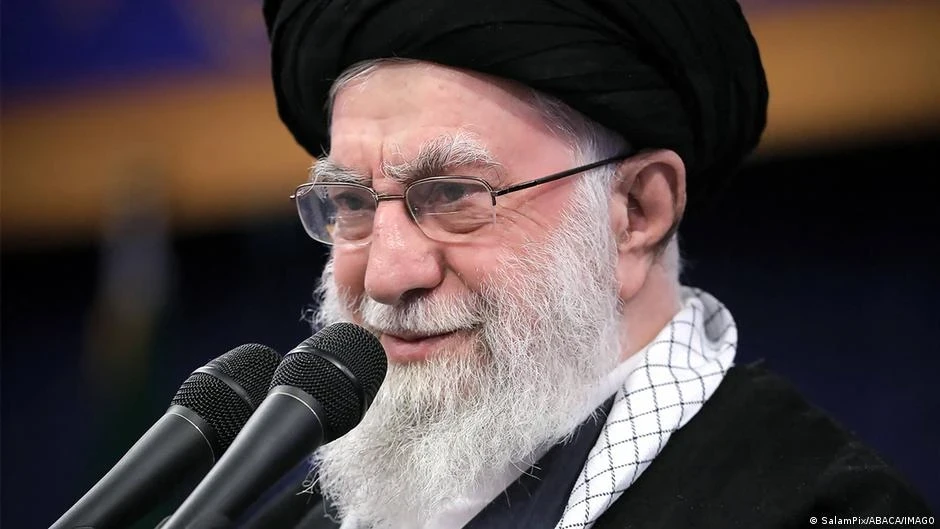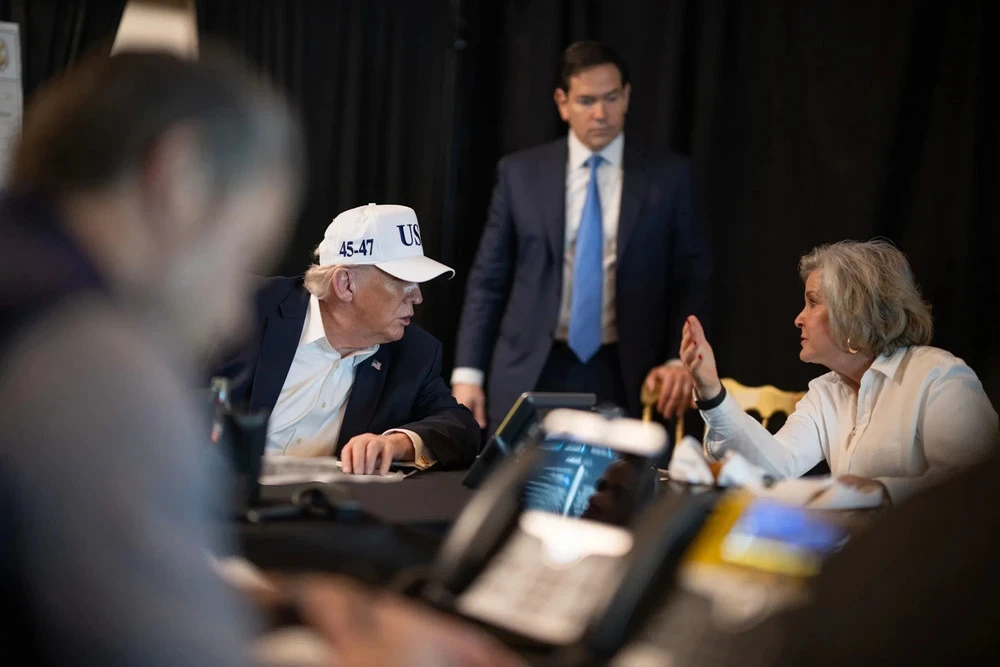
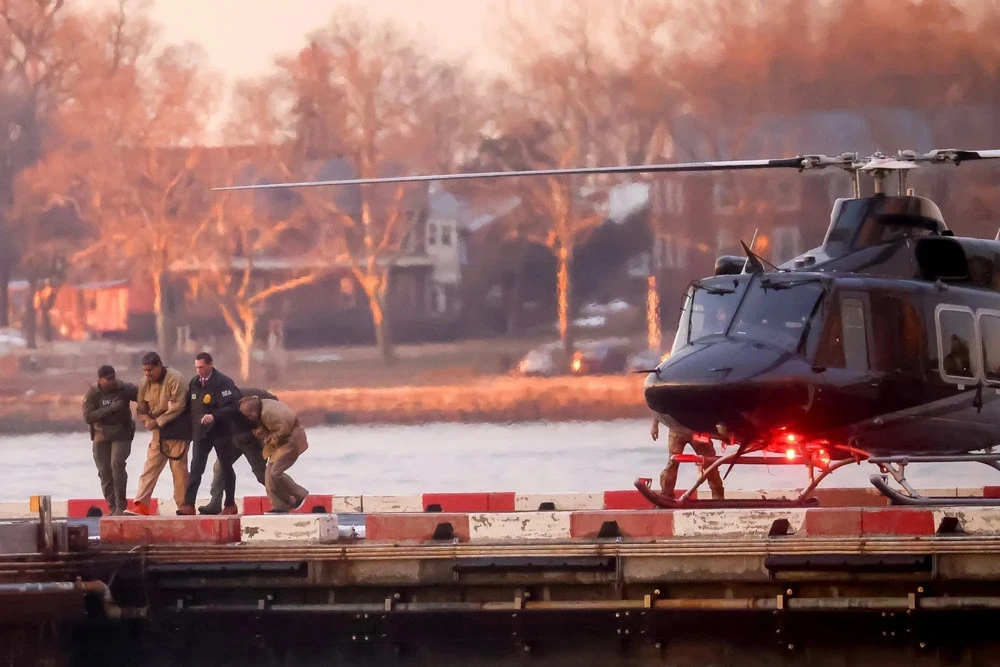
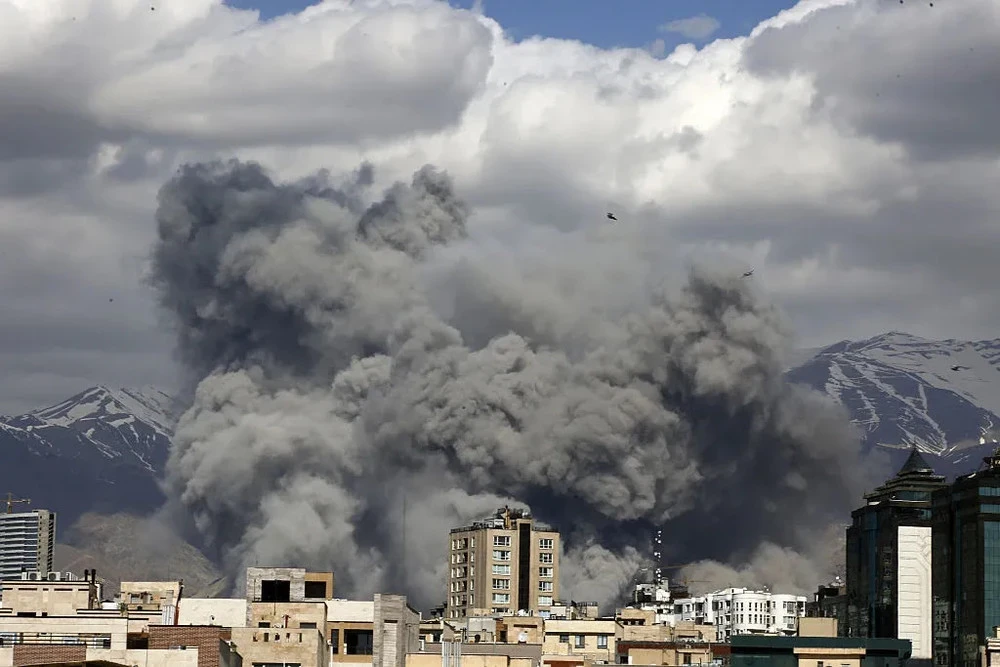
In recent weeks, American forces conducted an unexpected airstrike that resulted in the capture of the President of Venezuela. Following this example, Trump ordered an attack on Iran, which led to the death of Ayatollah Ali Khamenei. These actions resulted in dozens of casualties, including three American servicemen. Hundreds of Iranian rockets and drones struck targets in the region, while American and Israeli forces continued their assaults. The escalation of the conflict negatively impacted oil prices and heightened uncertainty among investors related to geopolitical risks.
It is evident that no foreign adversary can feel safe, except perhaps those possessing nuclear weapons. In confronting opponents, Trump has exhibited a new, more aggressive form of American power that critics argue undermines the legal norms that the U.S. has traditionally imposed on other countries.
“The situation is such that Trump is alarmingly willing to use military force without any restrictions, guided solely by his notions of national interests,” noted former British National Security Adviser Peter Ricketts in an interview with Bloomberg. “This approach creates a dangerous precedent, opening the door for any country to simply attack the leader of another state, which contradicts the principles of the UN Charter.”
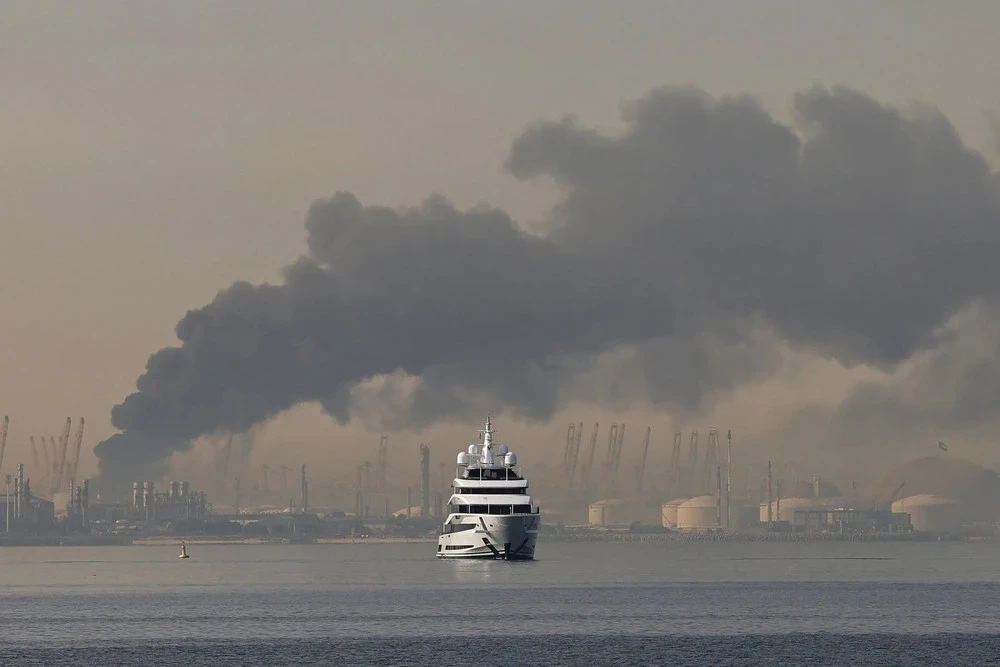
Iranian rockets will strike targets in the Persian Gulf, leading to a sharp slowdown in supplies through the strategically important Strait of Hormuz, where about 20% of the world's maritime oil and gas shipments pass. Shipping companies are suspending transit, insurers are reassessing risks, and some shipowners are citing military circumstances to cancel voyages. Airlines are also canceling flights across the region, including key hubs like Dubai.
Brent crude prices, which have already risen nearly 20% this year, surged by 13%, reaching about $82 a barrel before partially offsetting that increase. According to Bloomberg Economics, a complete closure of the strait could push prices up to $108 a barrel. Gold and the dollar also increased in value, while futures on American stocks opened with a downward gap at the start of trading on Sunday.
“If you look at previous presidents, we have never fully utilized our power,” noted Jack Devine, former director of operations at the CIA. “We acted more cautiously. Trump, however, has ramped up the level of aggression to the maximum, creating an entirely new reality.”
While Trump has urged protesters in Iran to take power into their own hands, there are no signs that his administration has laid the groundwork for a swift uprising against the regime. The risk of a protracted conflict is already causing investors to shift to safer assets such as Treasury bonds, gold, and the Swiss franc, a strategy traders refer to as “safe haven.”
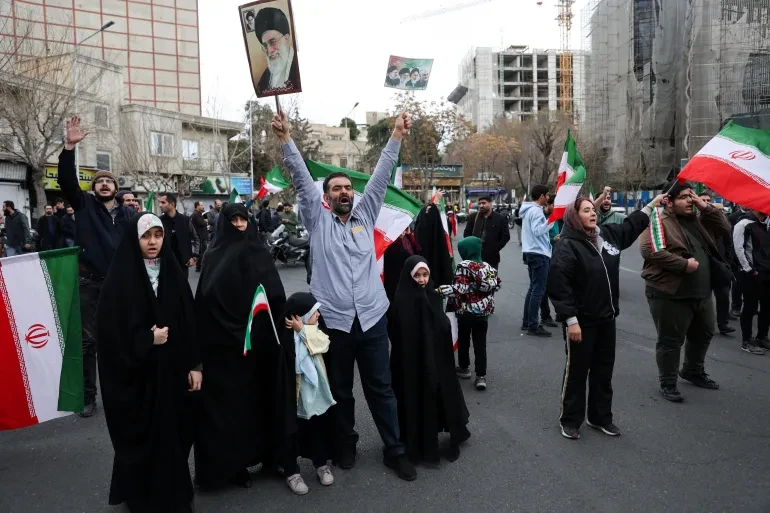
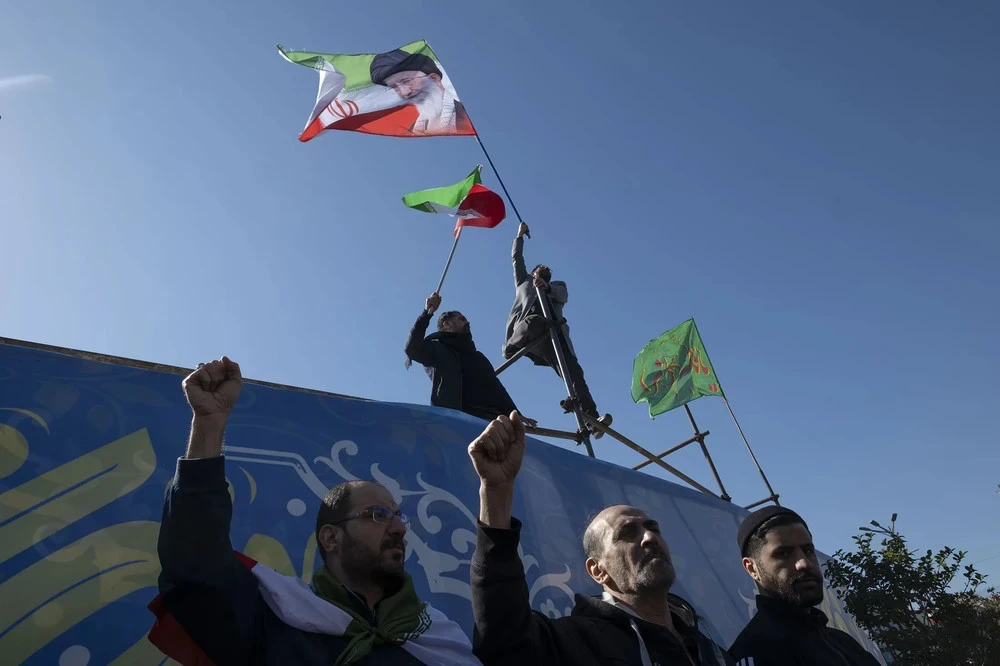
Some Iranians noted the death of Khamenei, who was accused of repression, yet a significant portion of the population also mourned, and there is currently no large-scale uprising as Trump had called for. On Sunday, the president stated that Iran had expressed a desire for negotiations, but American officials confirmed that strikes could continue for several days or even weeks as the U.S. and Israel seek to neutralize Iran's military capabilities and nuclear program. Israeli Prime Minister Benjamin Netanyahu added that attacks would intensify in the coming days.
“Decapitating the regime may lead to a change of power, but in reality, it may only mean the removal of one person while the regime remains in power,” commented Dennis Ross, former envoy for President Bill Clinton in the Middle East and now a fellow at the Washington Institute for Near East Policy. “This will only be perceived as a success if the threat disappears and an uprising occurs, but it will not lead to mass killings of civilians.”
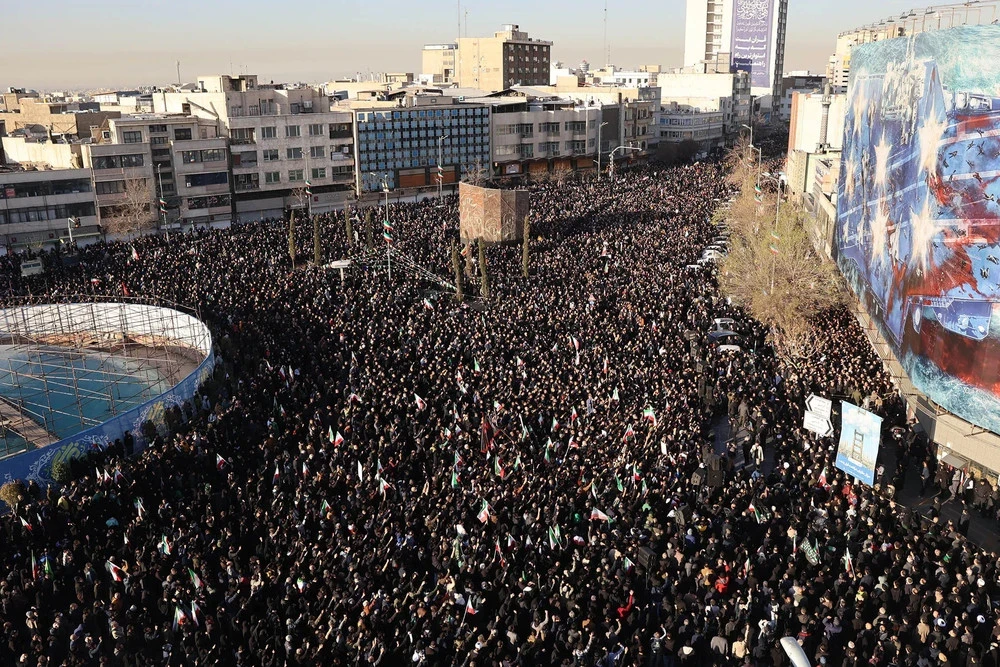
In a Sunday video address, Trump warned of potential new casualties among American citizens; however, he noted that the military operation “will continue until all objectives are achieved.” Domestically, his aggressive foreign policy is perceived as a risky venture for a president who has criticized wars abroad and has not taken significant steps to bolster public support for his actions. The escalation occurs just months before the midterm elections, in which, according to polls, his Republican Party may lose ground as voters focus on high living costs.
Trump aims to implement a radical overhaul of U.S. foreign policy akin to that of George W. Bush after the events of September 11, but without the catastrophic shock that united public opinion in 2001. This time, there is no comparable national consensus. Opposition in Congress has become more pronounced, and there is virtually no public support for continuing an unfinished conflict.
According to a Reuters/Ipsos poll published on Sunday, only 25% of Americans approve of the strikes on Iran that resulted in Khamenei's death, while about half of respondents, including a quarter of Republicans, believe that Trump is too eager to use military force.
Trump's allies quickly labeled the operation a historic success. “I can't shake the thought that the regime of the bloodthirsty ayatollah in Iran will soon cease to exist,” said Republican Senator Lindsey Graham from South Carolina. “We are on the brink of the most significant changes in the Middle East in a thousand years.”
However, critics have a different view. “Trump is an imperialist president who is clearly obsessed with his power and the ability to use armed forces,” noted Democratic Senator Andy Kim from New Jersey. “There is no clear strategy in America. Everything depends solely on the whims of one person: Donald Trump.”
Recent attacks go far beyond the strikes on Iranian nuclear facilities that occurred last year. As a result of the operation, Khamenei was killed, who had dominated Iranian politics for over three decades, and senior members of his entourage were eliminated, placing the Islamic Republic in the midst of a sudden crisis of power succession.
In Venezuela, Nicolás Maduro has resigned, but his government has largely retained control under the leadership of interim president Delcy Rodríguez, who has agreed to give Trump full control over the country's oil industry.
Trump also hinted that Cuba could be one of his next targets. While tightening sanctions and pressuring the energy sector has only exacerbated economic difficulties, no political changes have yet occurred.
The situation in Iran has become more tense. Iranian rockets have attacked Israeli and American facilities throughout the Persian Gulf, as well as in more than half a dozen countries, including the UAE and Saudi Arabia.
The lesson that other leaders will learn is quite harsh. Having reliable nuclear deterrence and careful management from Washington, as Vladimir Putin and Kim Jong Un seem to have understood, can serve as a powerful form of protection. Trump has repeatedly emphasized that Iran must not be allowed to acquire nuclear weapons, although Tehran claims this has not been its goal.
A regime change in Tehran would be a serious blow to Moscow and Beijing, which have developed ties with the Islamic Republic. Putin characterized Khamenei's assassination as a “cynical violation of all norms of human morality and international law.”
Chinese Foreign Minister Wang Yi stated that “the open assassination of the leader of a sovereign state and regime change is unacceptable,” warning his Russian counterpart that such actions could plunge the Middle East into a “abyss.”
American airlines have suspended flights to Dubai, Doha, and Abu Dhabi, causing difficulties for tens of thousands of passengers and disrupting one of the busiest air corridors in the world.
The network of Tehran's proxy forces may also expand the scale of the conflict. Although Israel has destroyed a significant portion of their military capabilities in recent years, the Houthis have already threatened to resume attacks on vessels linked to the U.S. in the Red Sea.
Nevertheless, a senior European diplomat, who wished to remain anonymous, noted that Trump is conducting his foreign policy much more aggressively than during his previous term. “You have seen a president who is willing to use force, even if not for prolonged operations on the ground, but he is certainly demonstrating readiness, and these actions have been absolutely extraordinary,” said David Petraeus, a retired U.S. Army general and former CIA director, now working at KKR & Co. “I hope that potential adversaries anywhere in the world take this signal.”
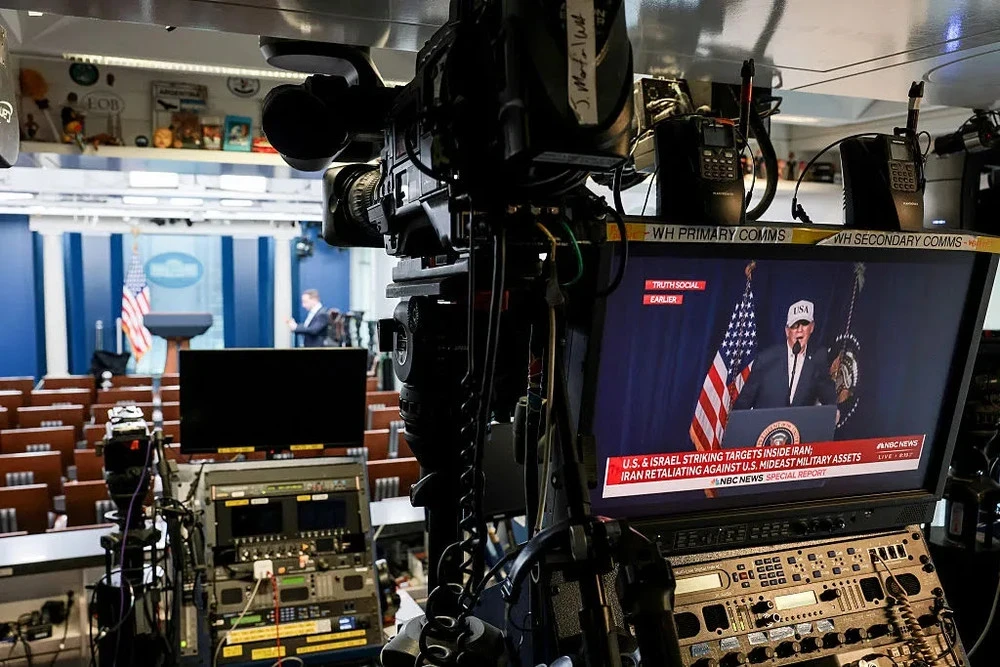
Critics note that Trump's approach is defined by the constant news cycle and his own distractions. American voters show little patience for protracted conflicts. Instead of building pressure over months or years, he prefers quick and powerful strikes.
This approach is not new: after September 11, targeted assassinations became a primary tool in the fight against terrorism. Barack Obama significantly expanded the use of drones, and Joe Biden continued this practice, tightening the rules but leaving the option for their use under control.
During his first term, Trump pushed the boundaries of what was permissible. In 2020, he ordered a strike that resulted in the death of Iranian General Qasem Soleimani, but refrained from attacking the Iranian political elite.
“Trump is the first U.S. president to state that he does not need international law and openly ignores it,” noted Mary Ellen O'Connell, a law professor at the University of Notre Dame.
The history of U.S. intervention in the Middle East is full of unpredictable consequences that sometimes only manifest years later—from the CIA-backed coup in Iran in 1953 to the chaos that allowed ISIS to seize parts of Iraq and Syria ten years after the U.S. invasion of Iraq.
The collapse of central authority in Tehran could trigger a wave of refugees, impacting Europe and beyond, as happened in Syria ten years ago, altering the political landscape on the continent and drawing neighboring states and world powers into a deeper conflict.
“In such situations, the one with more people armed and willing to use it in harsh conditions will prevail,” noted Petraeus.
The U.S. has previously pursued foreign leaders, but typically acted covertly—from the 1973 coup in Chile to plots aimed at eliminating Fidel Castro in Cuba and Patrice Lumumba in Congo in the 1960s.
However, Trump's actions are characterized by their openness: this is a publicly acknowledged military campaign against a sovereign government that few believe poses an immediate threat to the U.S.
“We have the most powerful country in the world, and it will topple regimes without warning, without a clear plan for the future,” stated Rosemary Kelanic, director of the Middle East program at the think tank Defense Priorities in Washington. “There is virtually no planning for the consequences.”