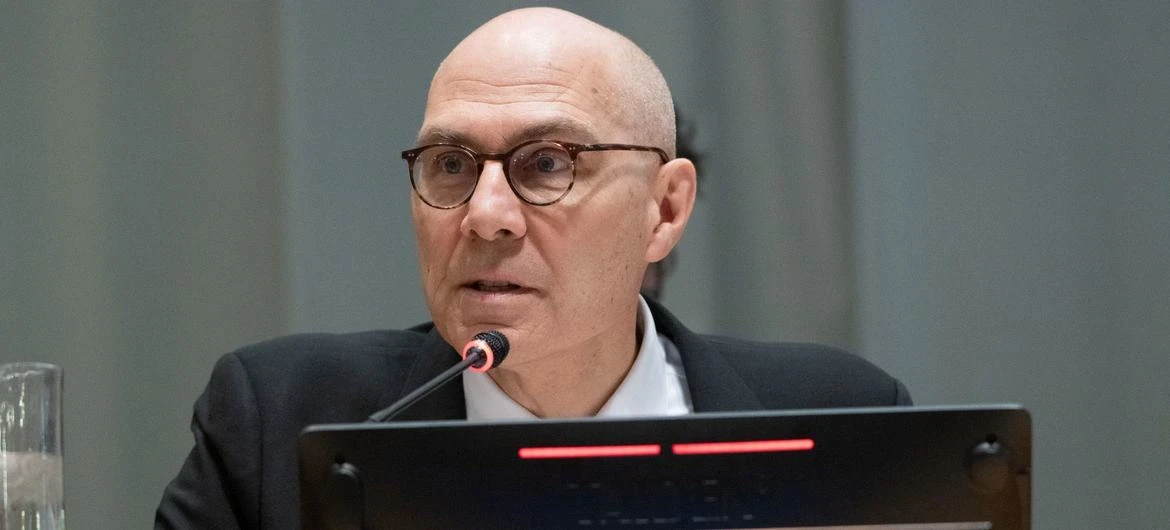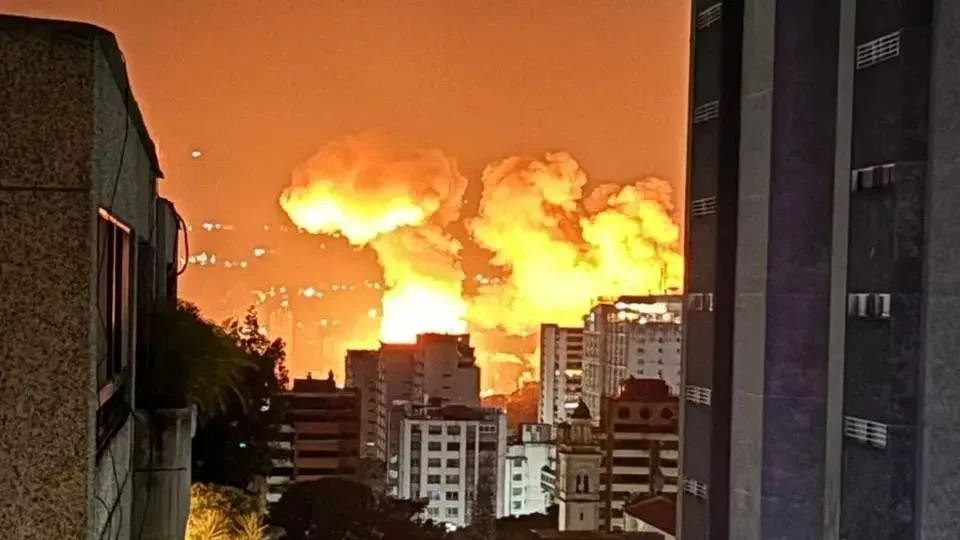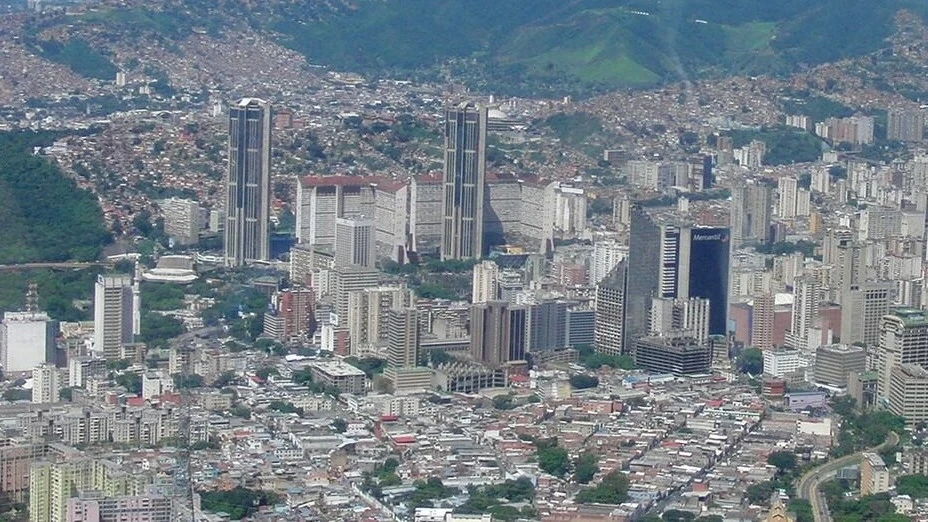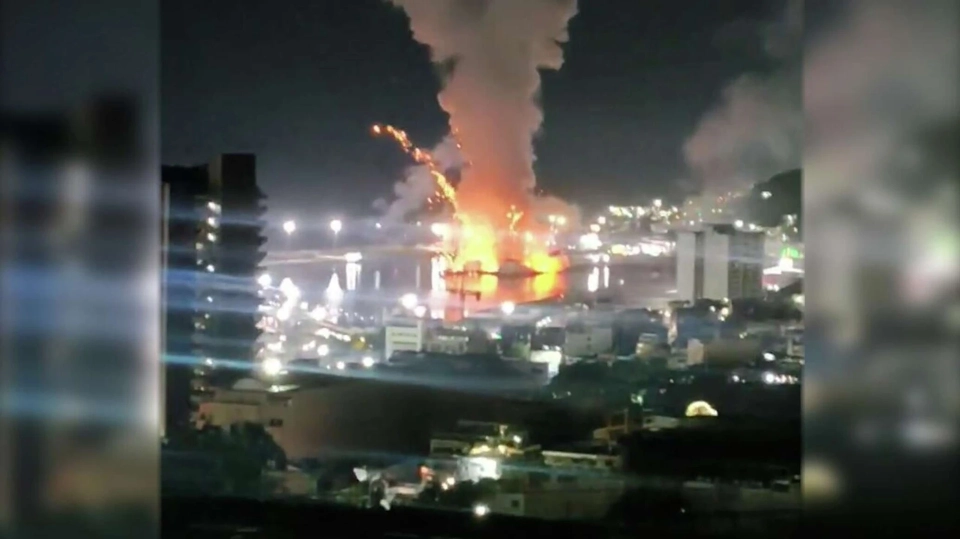
According to Amnesty International, the operation conducted by the United States is not only a violation of international norms but also poses serious threats to the human rights of Venezuelans. Amnesty International Secretary General Agnes Callamard noted: “The use of force by the Trump administration was illegal and could lead to devastating consequences, encouraging other states to take similar actions.”
“The U.S. military operation in Venezuela is a clear violation of the UN Charter. It is an act of aggression that endangers the civilian population and undermines the protective mechanisms of international law.”
Agnes Callamard, Secretary General of Amnesty International
Agnes Callamard, Secretary General of Amnesty International
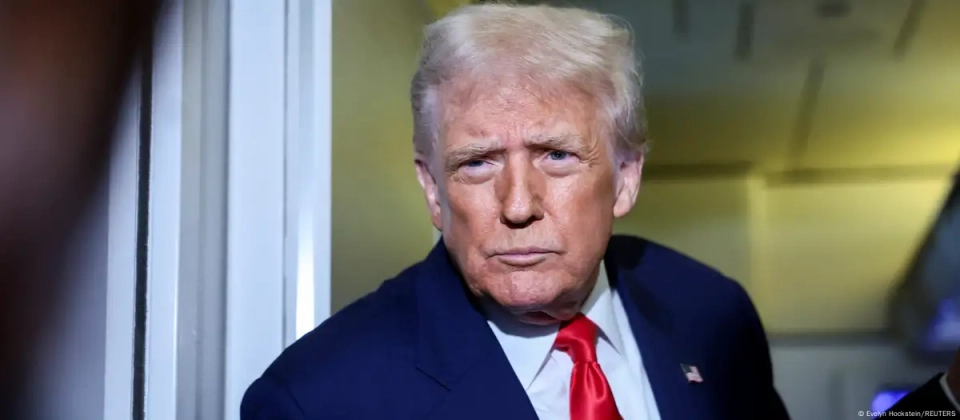
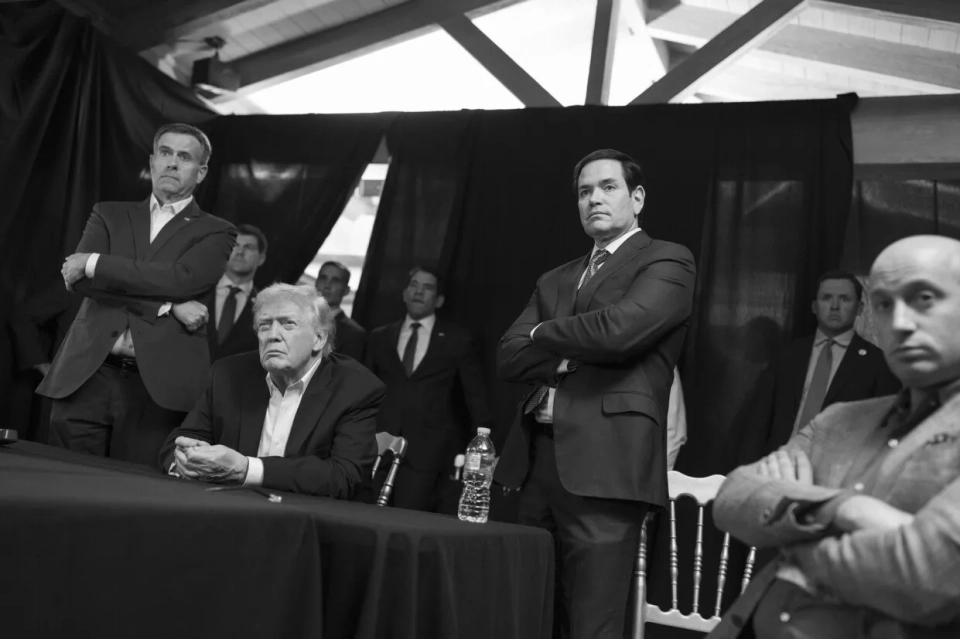
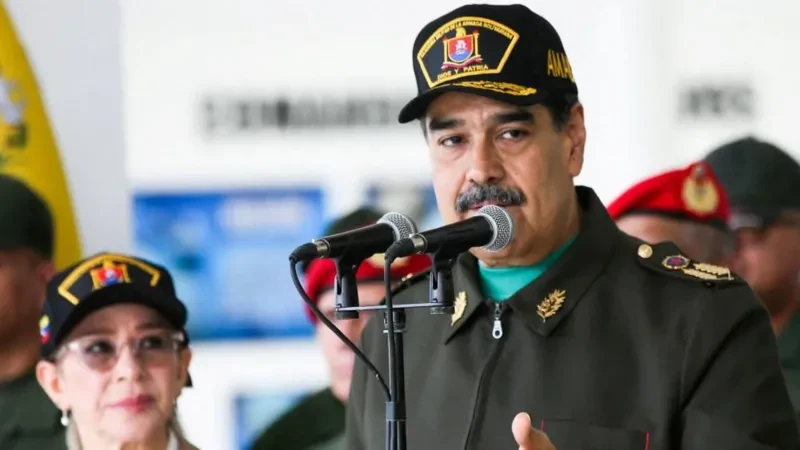
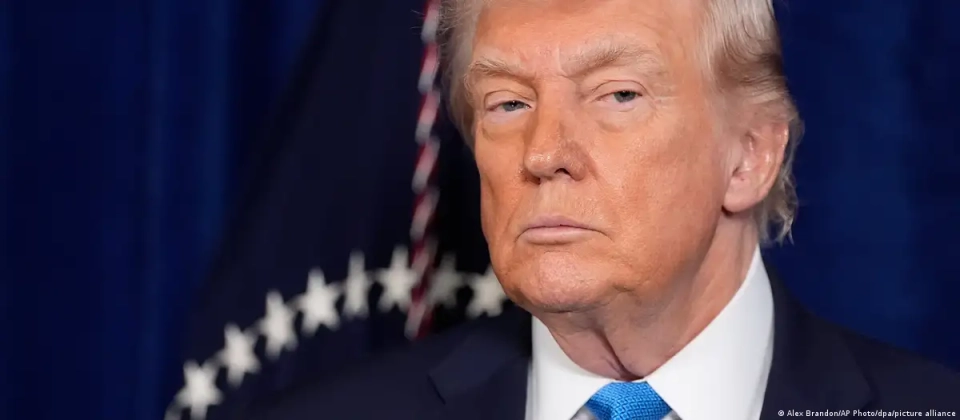
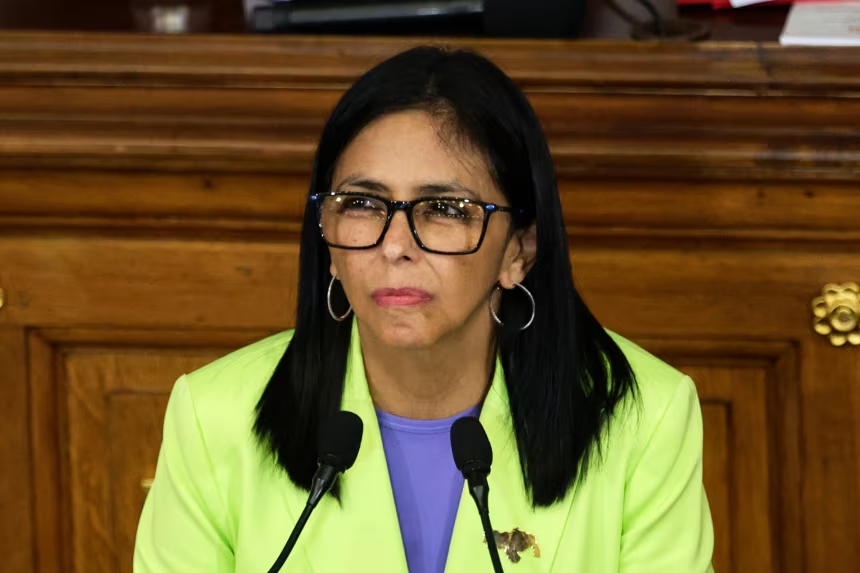
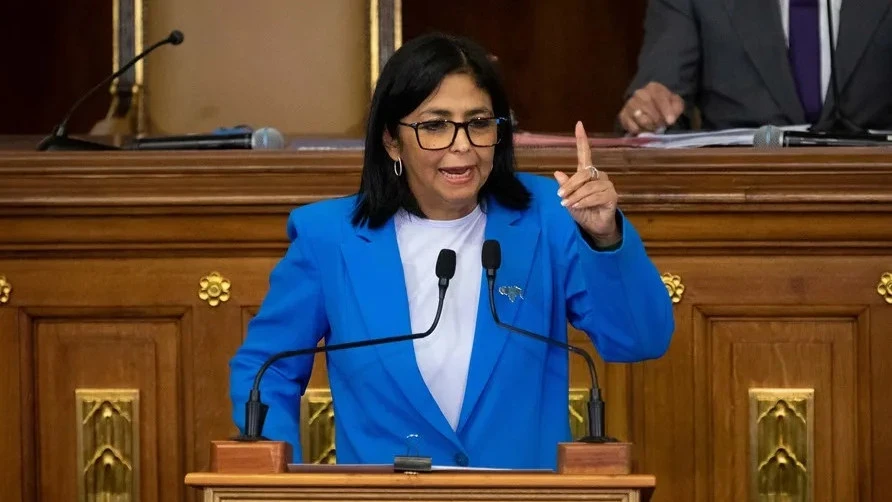
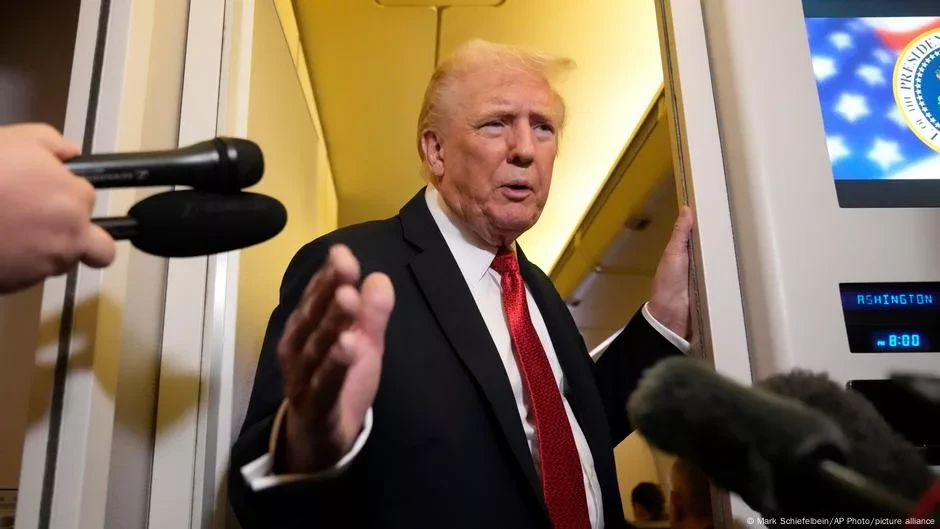
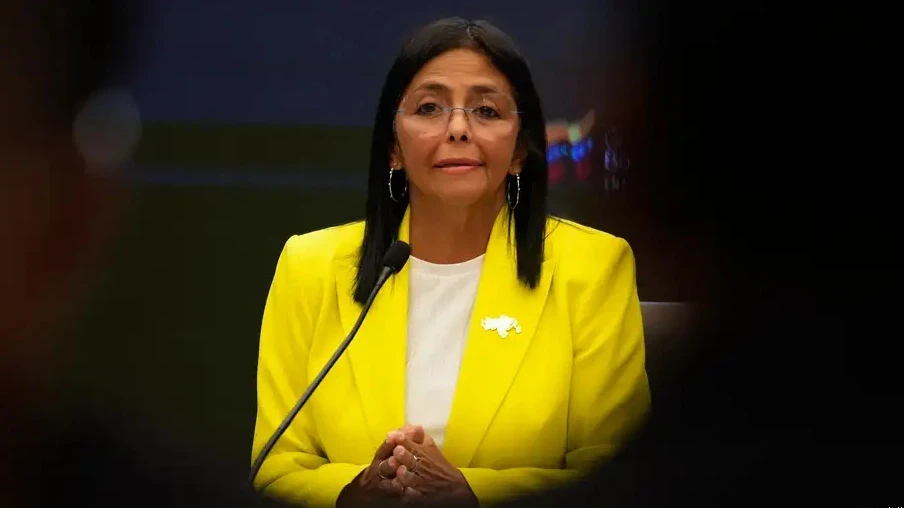
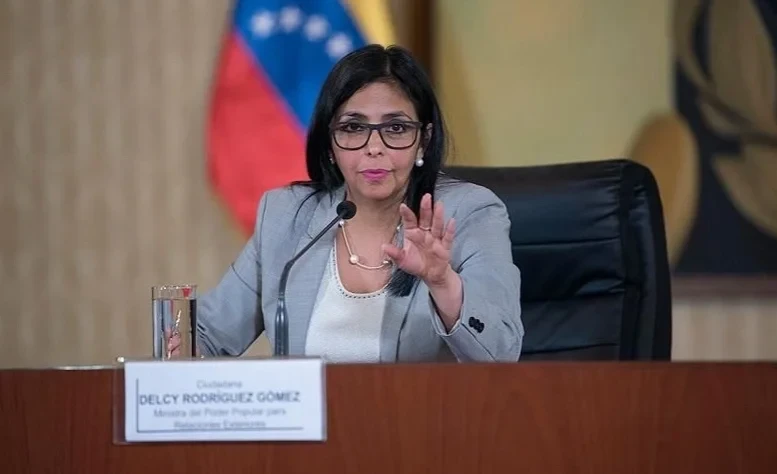
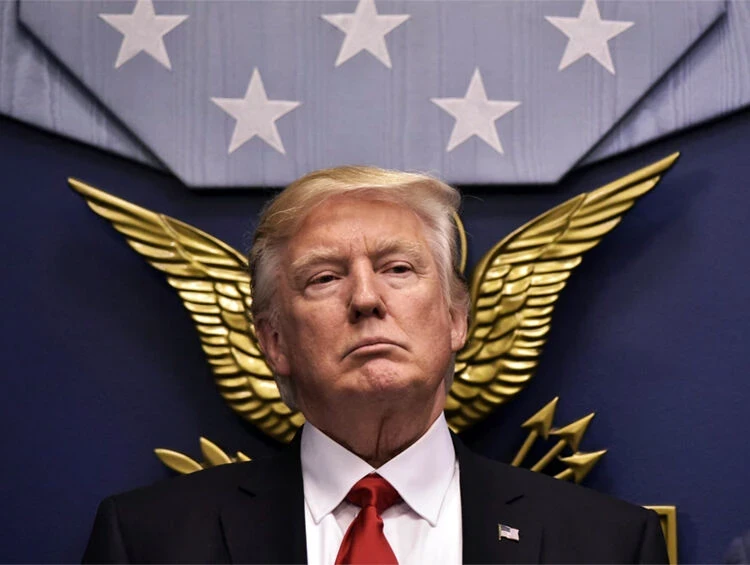
Trump emphasized in his statements that control over resources and the geopolitical situation in the region were the main factors behind the attack on January 3. Meanwhile, acting President Delcy Rodriguez continues to use rhetoric of resistance, even as she collaborates with the U.S. In the context of internal instability, the Venezuelan population faces an additional threat—U.S. intervention, which could further worsen their rights and security.
“Impunity for crimes against humanity committed under Maduro's leadership persists under Rodriguez's government. Victims continue to wait for justice, while civic space shrinks and human rights defenders face persecution,” added Callamard.
“Amnesty International unequivocally condemns both the illegal actions of the U.S. and the crimes of the Venezuelan government. These two aspects require attention and accountability,” she emphasizes.
“Two wrongs do not make a right. Full accountability and reparations are necessary for both the illegal attack by the Trump administration on Venezuela and the crimes against humanity by the Venezuelan authorities.”
Agnes Callamard, Secretary General of Amnesty International
Agnes Callamard, Secretary General of Amnesty International
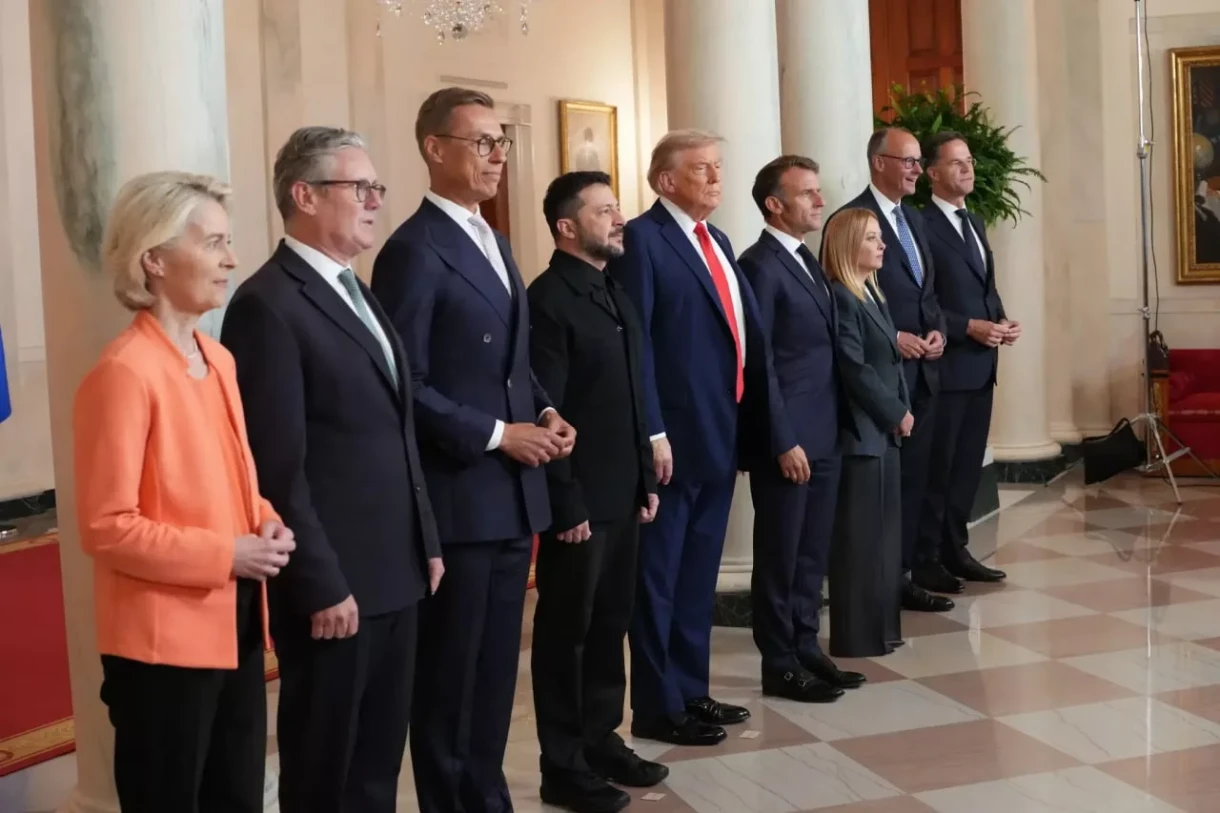
Trump openly threatened to expand unilateral military actions in other countries, which contributes to the erosion of international norms that protect civilian populations and prevent conflicts. After the attack on Venezuela, the president threatened to use force against Colombia, Cuba, and other countries. This raises serious concerns about human rights violations worldwide.
“These are attempts to normalize the ‘might makes right’ approach in international politics, which threatens human rights globally. Other states must resist these attempts to undermine international norms,” concluded Callamard.
Legal Grounds for Recognizing the Operation as Illegal
International law clearly states that Article 2(4) of the UN Charter prohibits the use of force against the sovereignty of another state. The operation on January 3 includes actions that, according to UN resolutions, qualify as acts of aggression. The use of force by the U.S. in Venezuela is a violation of the principles of international law.
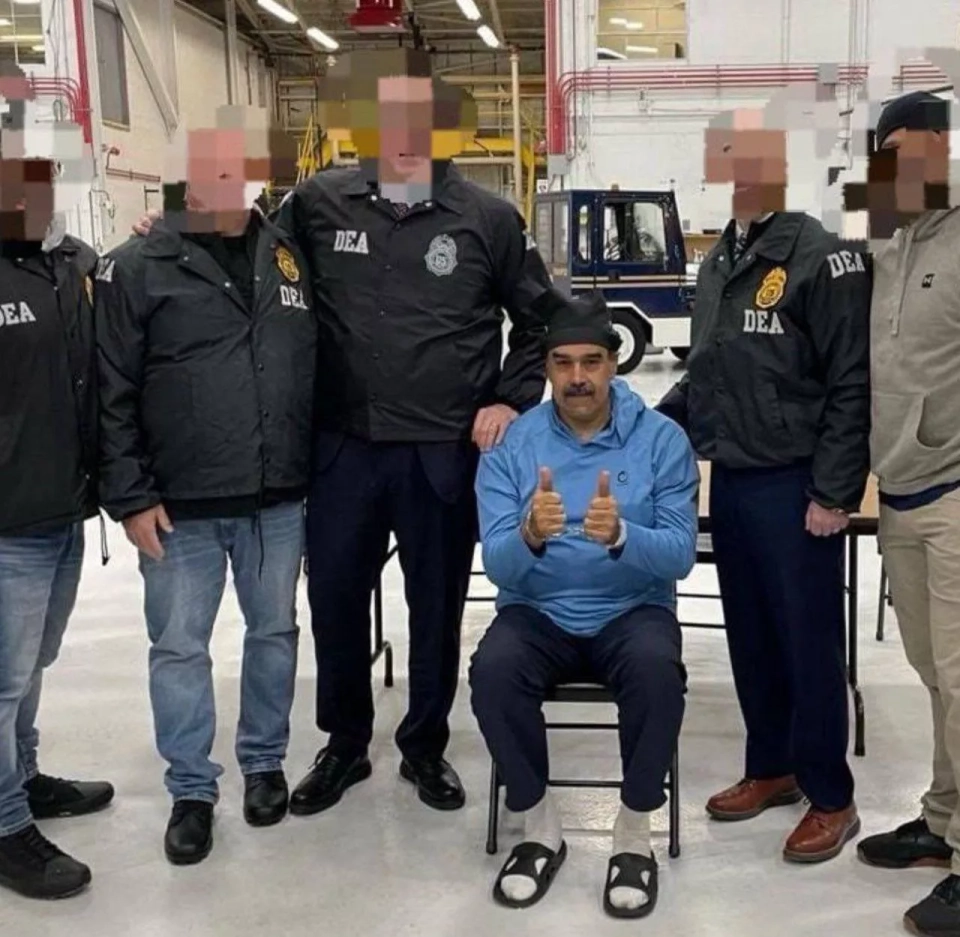
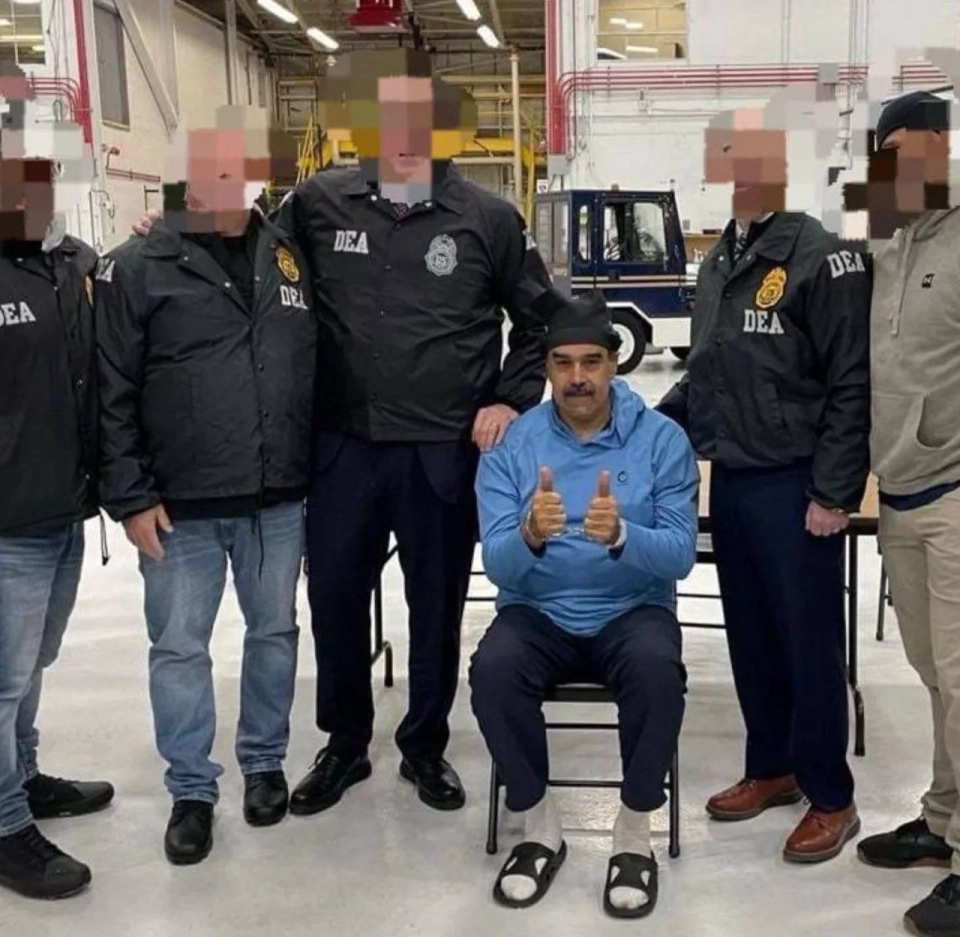
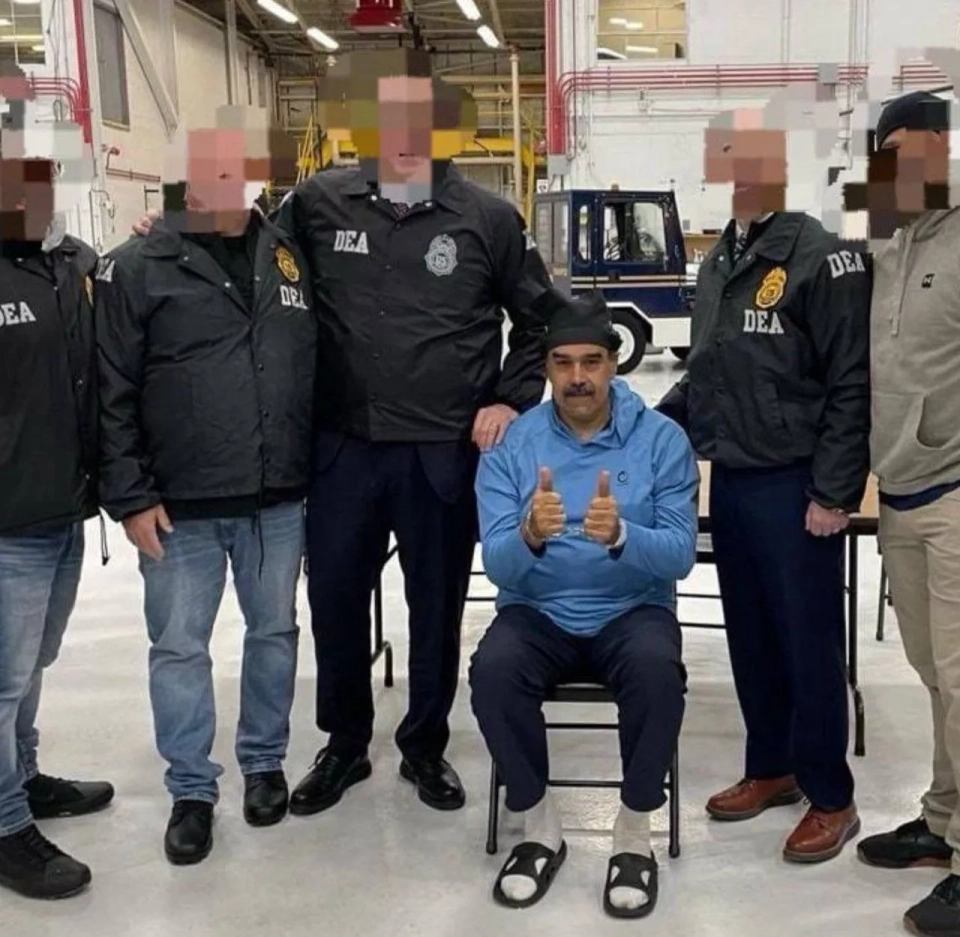
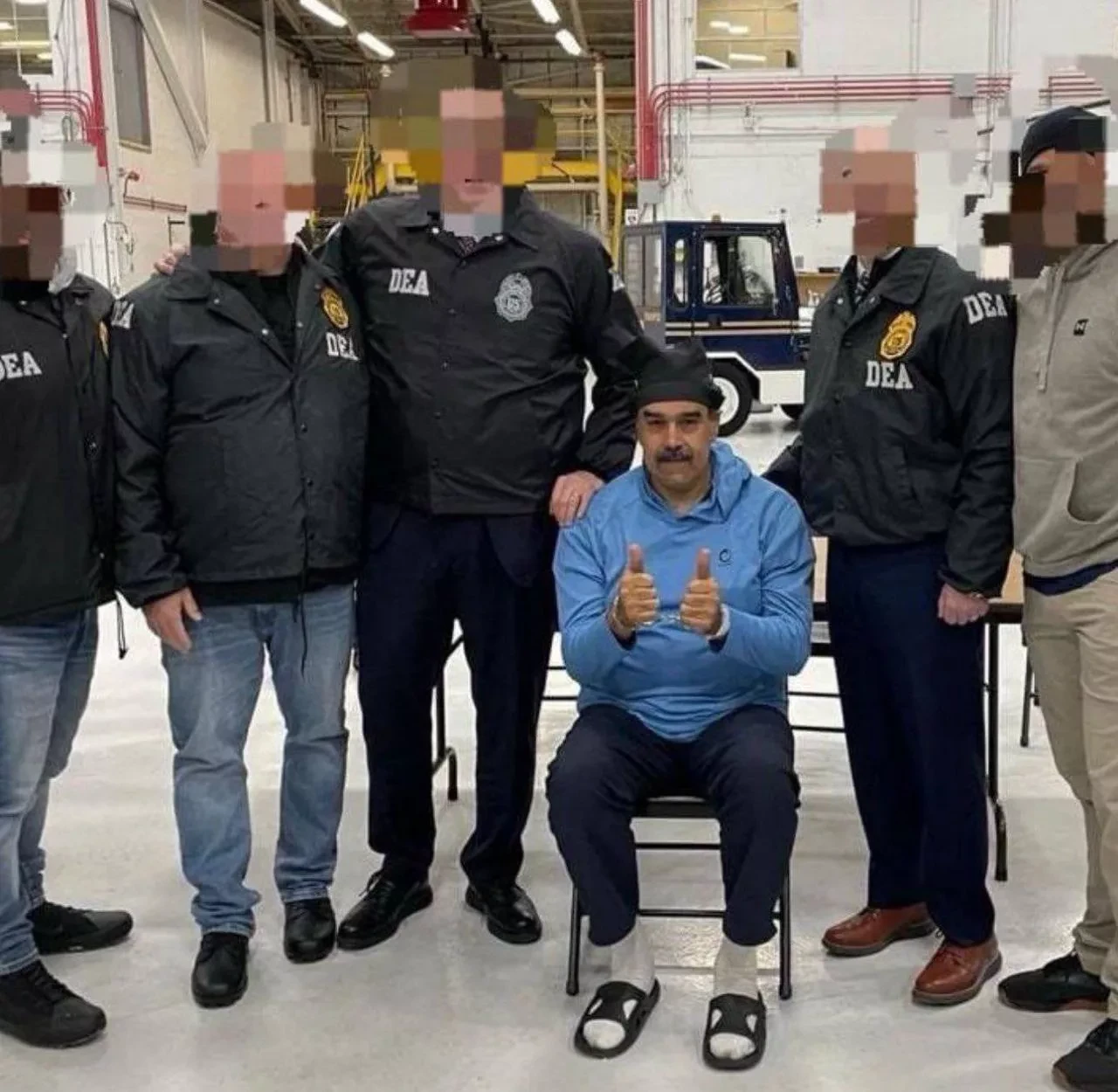
The U.S. initiated military escalation with extrajudicial killings and the capture of President Maduro, openly admitting its desire to control Venezuela's natural resources. Even if the U.S. claimed to be fighting drug trafficking, this does not justify intervention without the country's consent. Drug trafficking is not a basis for self-defense under the UN Charter.
The Inter-American Juridical Committee confirmed that the only exceptions to the prohibition on the use of force are self-defense and authorization by the UN Security Council.
The U.S. attack on Venezuela falls under several categories defined as acts of aggression in UN General Assembly Resolution 3314, including invasion and the use of weapons against another country.
International human rights law also requires the protection of citizens' rights, and acts of aggression leading to loss of life violate obligations to protect life.
“Without Security Council authorization or real grounds for self-defense, U.S. actions against Venezuela were illegal and constitute an act of aggression. The right to life does not disappear simply because a government ignores international norms,” noted Callamard.
The Situation in Venezuela: Repression Continues
Amnesty International and international investigations have documented a systematic policy of repression in Venezuela for many years, including arbitrary detentions and torture. In 2019, the organization established facts of widespread attacks by the authorities against the civilian population and concluded that crimes against humanity have been committed in the country since 2014. These facts have been further corroborated by new documents calling for investigations and supporting the work of international bodies.
“Crimes against humanity continue to be committed, and Venezuelan victims, survivors, and their families still bear physical and psychological scars. The state machinery responsible for these crimes remains in place and is now exacerbated by U.S. intervention,” noted Callamard.
“Crimes against humanity do not end with Maduro's departure. They continue to be committed.”
Agnes Callamard, Secretary General of Amnesty International
Agnes Callamard, Secretary General of Amnesty International
Although Venezuelan authorities announced the release of detainees, in practice only a small portion of them have been freed, and many remain under control. U.S. aggression may also lead to increased repression against those the government considers critics.
Under Delcy Rodriguez's leadership, security forces continue to employ repressive measures such as surveillance and intimidation. Reports of new detentions, including journalists covering a press conference, have emerged.
“Venezuelan authorities must end arbitrary detentions and guarantee rights to freedom of expression and assembly. Ending enforced disappearances and torture is a necessary step,” emphasizes Callamard.
According to the statement from the Prosecutor of the International Criminal Court, there is “reasonable grounds to believe” that crimes against humanity have been committed in Venezuela since 2017, and an official investigation has been initiated. Nicolas Maduro may be under investigation if evidence confirms his criminal responsibility.
“Victims have the right to justice and reparations. We urge the International Criminal Court to expedite its work,” added Callamard.
A Dangerous Precedent That Extends Beyond Venezuela
After the military operation on January 3, Trump effectively stated that he does not consider himself bound by international law, creating a dangerous precedent. His actions could be seen as an attempt to legitimize unilateral actions against other countries. This could lead to further deterioration of international norms that protect civilian populations.
The strike on January 3 also concluded a series of U.S. attacks on alleged “narco-submarines,” which Amnesty International views as extrajudicial killings. The increase of American naval presence in the region also poses a risk of escalating conflict.
Demands to the International Community
All states must reaffirm the supremacy of the UN Charter and reject the normalization of unilateral use of force. Human rights and civilian populations must be protected in international relations.
“Silence today may become a sanction for violence tomorrow. States must draw a clear line,” emphasized Callamard. “The only way to respect the dignity of people is to adhere to international law and ensure justice.”
The U.S. must cease any military actions against Venezuela and investigate cases of civilian casualties. These steps are necessary to restore trust in the international system.
The Venezuelan authorities must end crimes against humanity, release arbitrarily detained individuals, and guarantee rights to freedom of expression and assembly. Accountability for those responsible and guarantees against the repetition of human rights violations are essential.