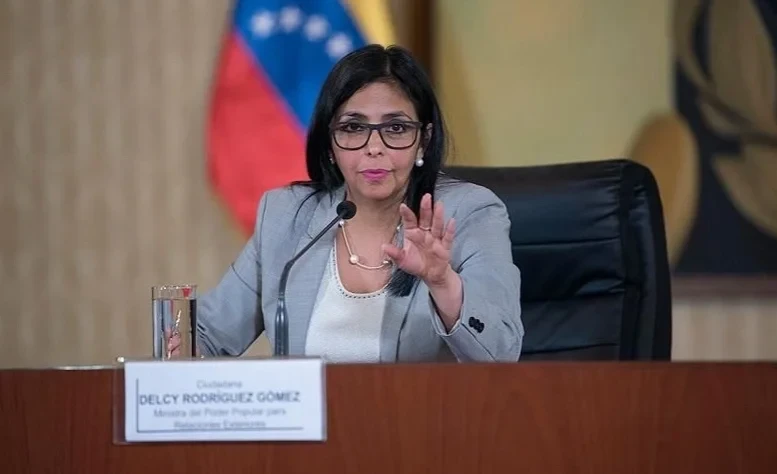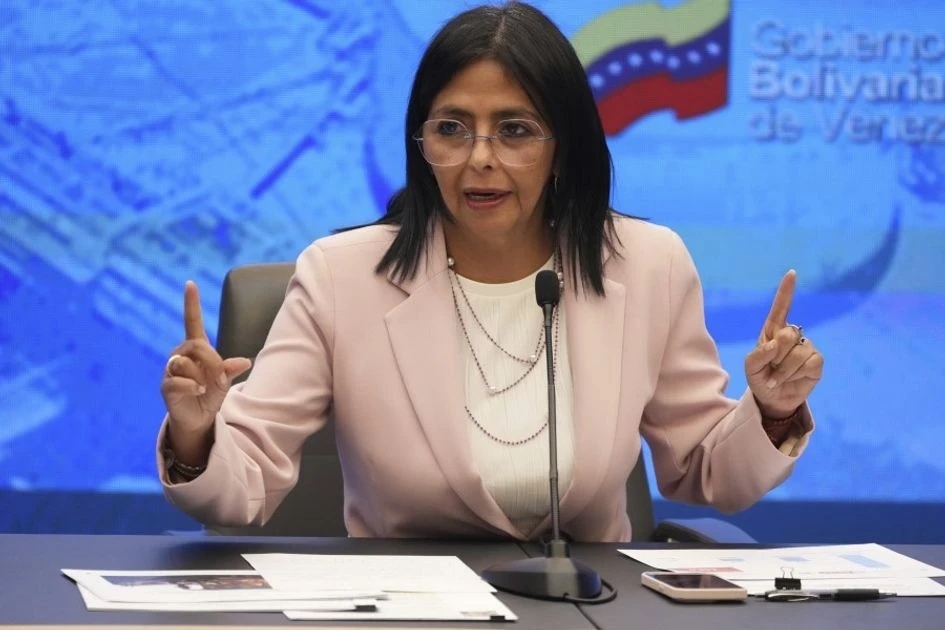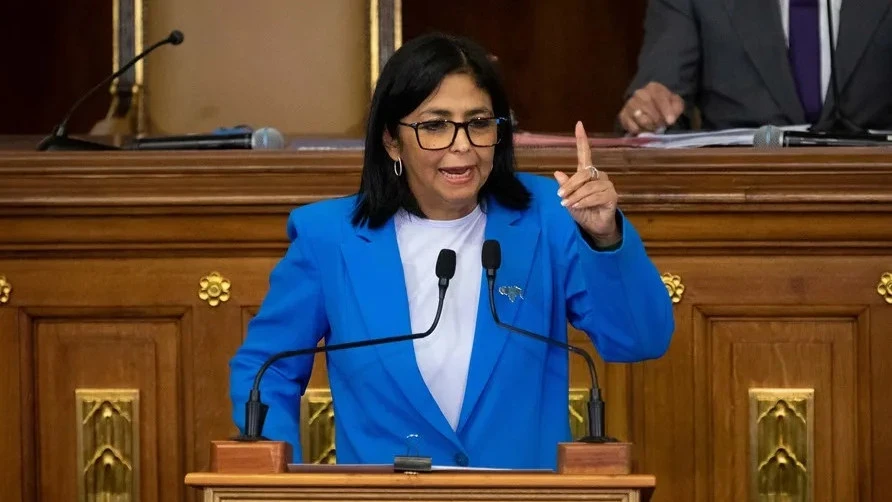
The Venezuelan interim government has received a demand from the Trump administration to expel all suspected spies and agents of foreign intelligence services from China, Russia, Cuba, and Iran. This was reported by Axios, citing a source in the U.S. government. This demand does not apply to regular diplomats.
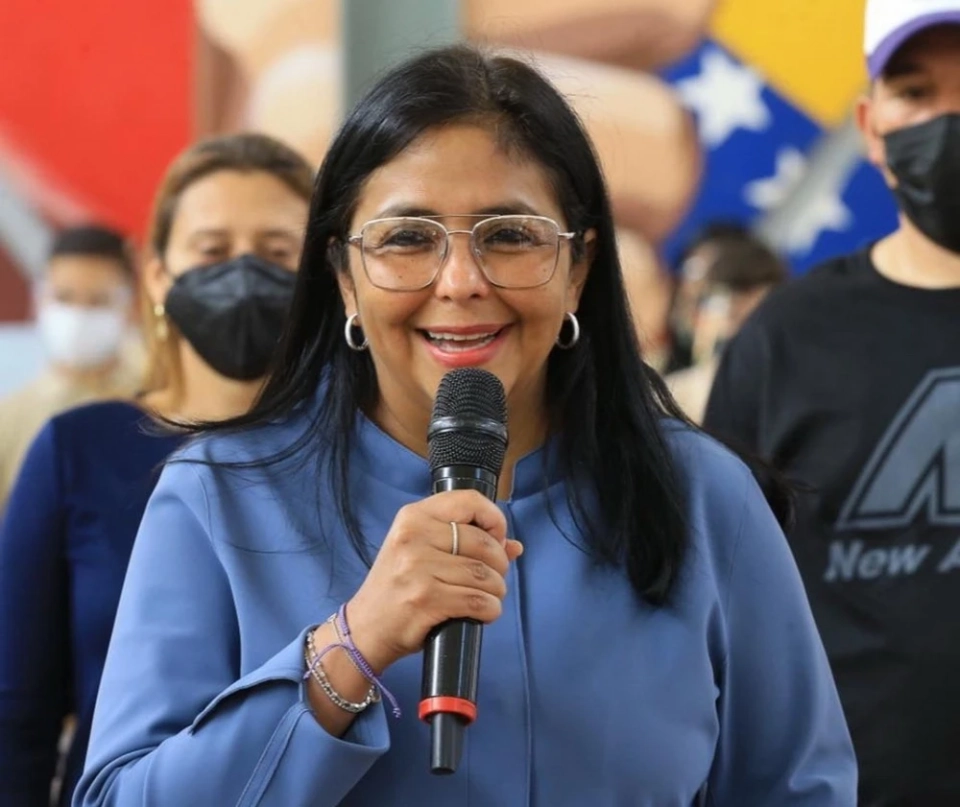
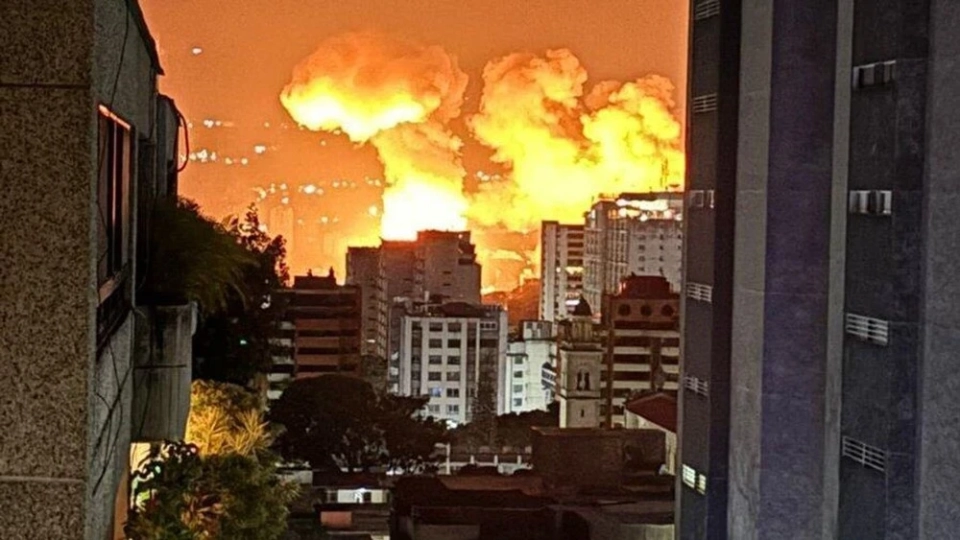
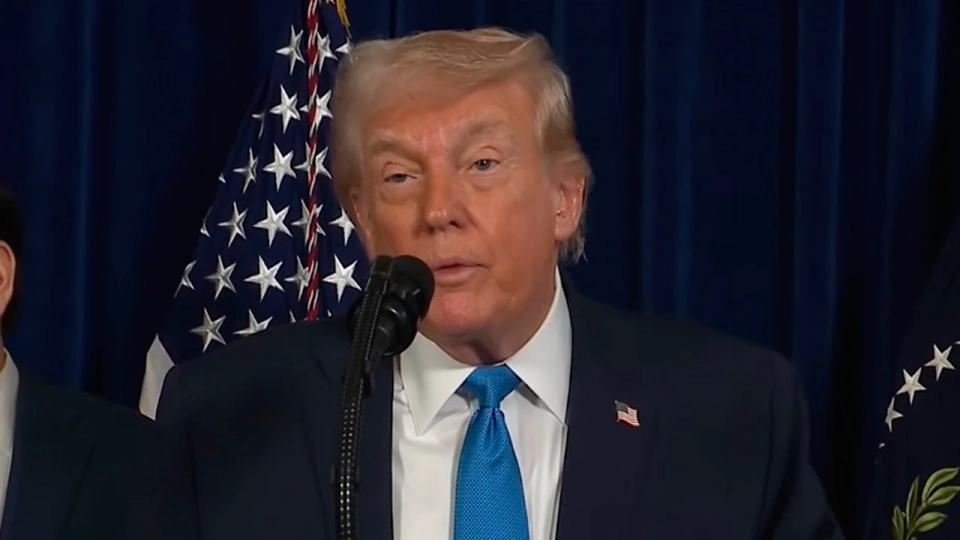
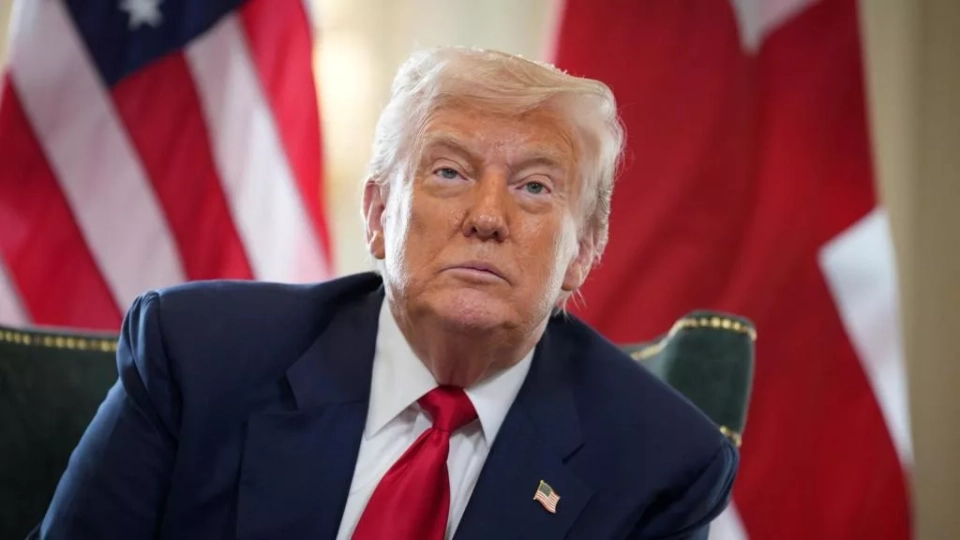
President Trump also warned Venezuela's interim leader Delcy Rodriguez that failure to comply with these conditions could lead to a second military intervention in the country.
According to information from three sources at ABC News, the White House has set two main conditions for increasing Venezuelan oil production. The first is the need to expel representatives from China, Russia, Iran, and Cuba, as well as to sever all economic ties with these countries. The second condition involves Venezuela agreeing to an exclusive partnership with the U.S. in oil production, with a preference for American buyers when selling heavy oil.
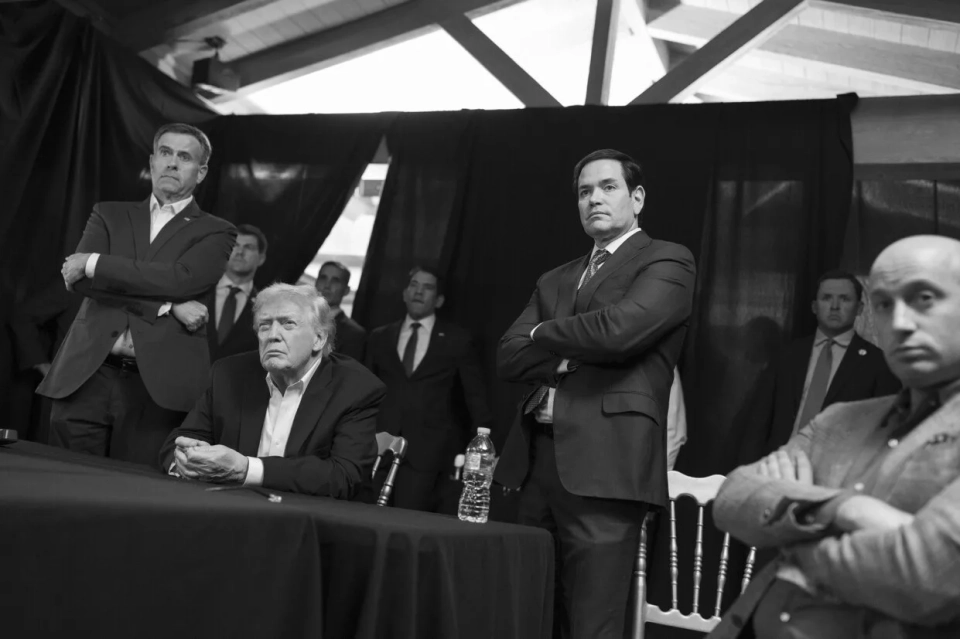
At a closed briefing on Monday, Secretary of State Marco Rubio noted that the U.S. would be able to force Venezuela to meet these demands, as the country's oil tankers are at risk of filling up. Estimates suggest that Caracas has only a few weeks left before financial collapse without the ability to sell its oil reserves.
Chairman of the Senate Armed Services Committee Roger Wicker confirmed in an interview with ABC News that the U.S. strategy is focused on controlling Venezuelan oil. He stated that the government plans to take control of tankers and ships to prevent them from heading to Havana. According to him, Venezuela can no longer produce oil due to a lack of storage and shipping facilities — the tankers are overflowing.
Wicker also emphasized that the administration's plan does not include the deployment of American troops, stating: "This is not about having troops on the ground... It's simply not part of the plan."
On Tuesday evening, Trump stated that the interim authorities in Venezuela agree to transfer between 30 to 50 million barrels of oil to the U.S. for sale at market price. The president added that he would personally oversee the funds received, "to ensure they are used for the benefit of the people of Venezuela and the United States."
According to a senior administration official, "The president is talking about maximum pressure on the remaining elements in Venezuela and ensuring their cooperation with the U.S., including ending illegal migration, combating drug trafficking, restoring oil infrastructure, and acting for the benefit of the Venezuelan people."
In December, Trump ordered the implementation of a "full and comprehensive blockade of all oil tankers subject to sanctions heading to and from Venezuela." When asked by reporters about the significance of this measure, the president replied: "It's just a blockade. We will not allow anyone to pass who should not be passing."
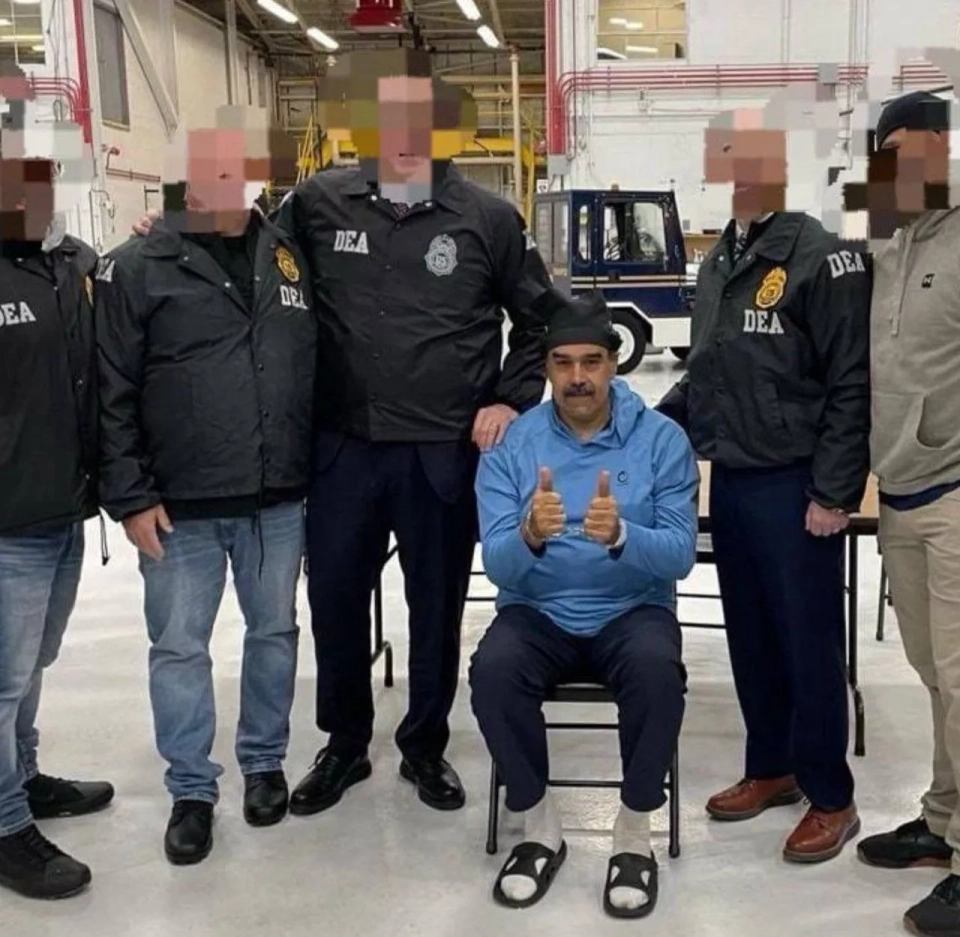
Trump's seizure of Venezuela's oil resources has reignited discussions about the term "petrodollar," as noted by Reuters economic analyst Jamie McGiver. The White House likely had multiple motives for seizing and arresting Venezuelan President Nicolás Maduro, and one of the less discussed factors could be concerns about the declining global influence of the "petrodollar."
Today, oil production in Venezuela stands at just 1 million barrels per day, even though the country's reserves amount to approximately 300 billion barrels — the largest reserves in the world, accounting for 17% of global reserves.
Donald Trump has made it clear that the U.S. is interested in tapping into this colossal potential. However, keeping all future Venezuelan production under U.S. control could affect not only energy markets but also the creation of significantly more petrodollars — a tool that has long contributed to maintaining U.S. dominance in the global financial system.
The term "petrodollar" was introduced in the mid-1970s when the U.S. and Saudi Arabia reached an agreement that global oil trade would be conducted in dollars. This created a new demand for the American currency and strengthened the strategic, economic, and political power of the United States.