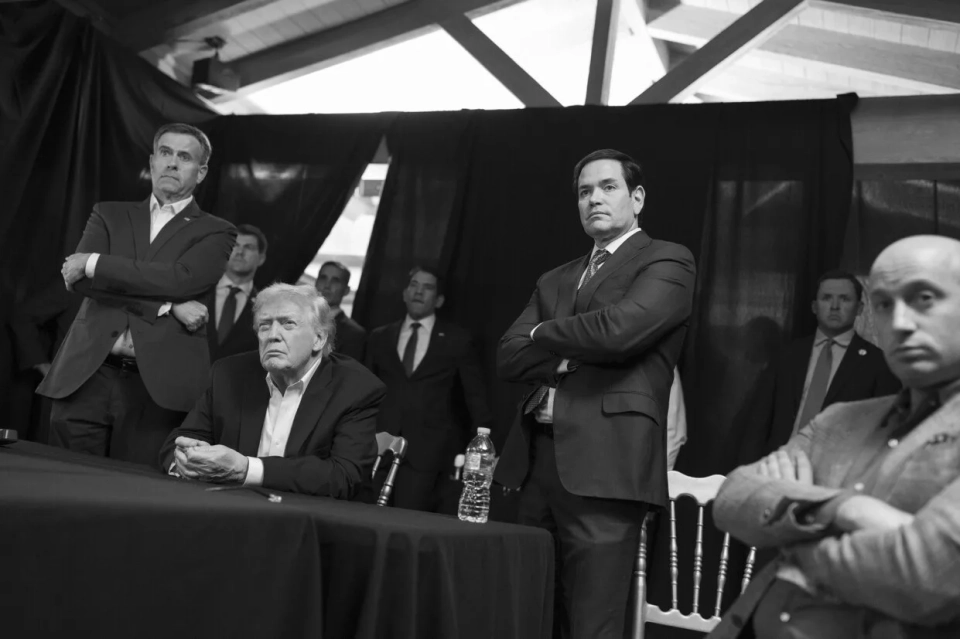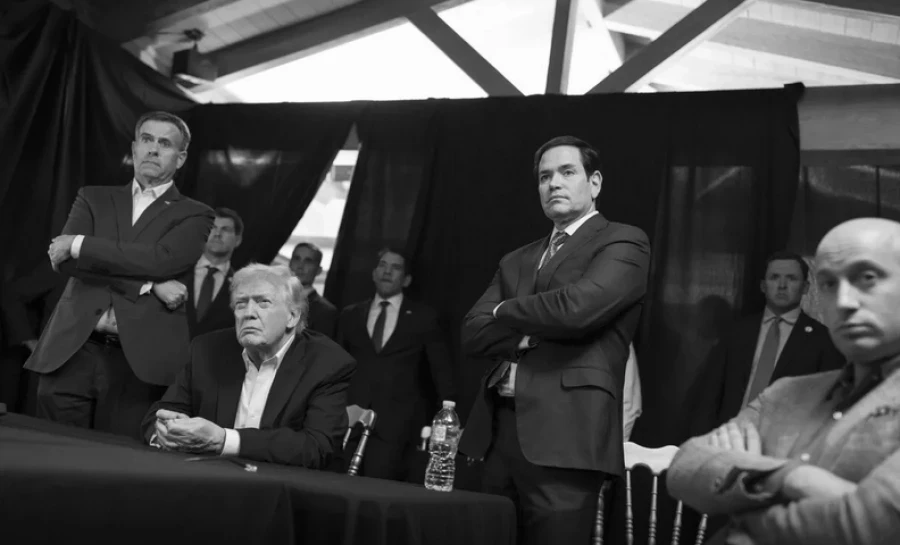
Marco Rubio, the chief diplomat of the United States, announced that Washington plans to influence Venezuela's policy using oil sanctions but does not intend to interfere in the day-to-day management of the country. This statement came after Saturday's operation in which President Nicolas Maduro was overthrown. This was reported by Euronews.
As Rubio noted on Sunday, the U.S. will not manage Venezuela on a daily basis, except for ensuring compliance with the so-called "oil quarantine" following the successful operation aimed at overthrowing Maduro.
This statement is likely intended to dispel concerns that recent regime change actions will lead to prolonged foreign intervention or a failed attempt to establish a new political order.
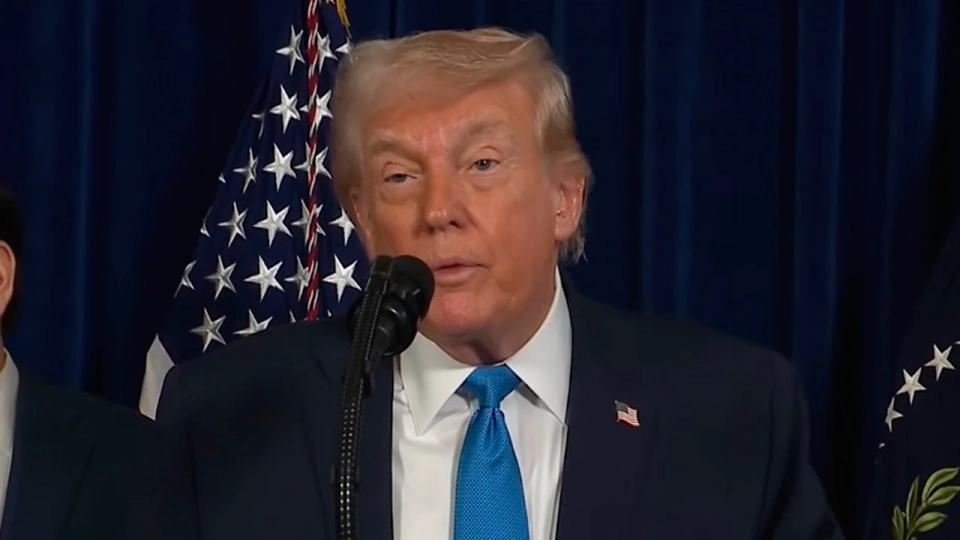
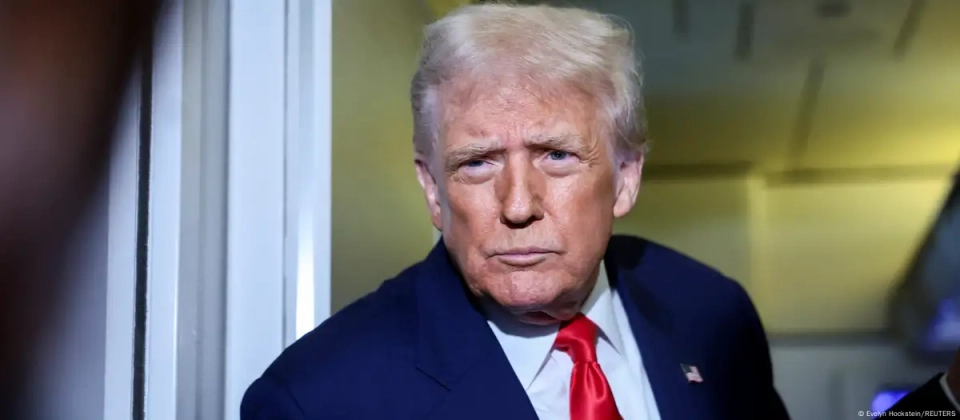
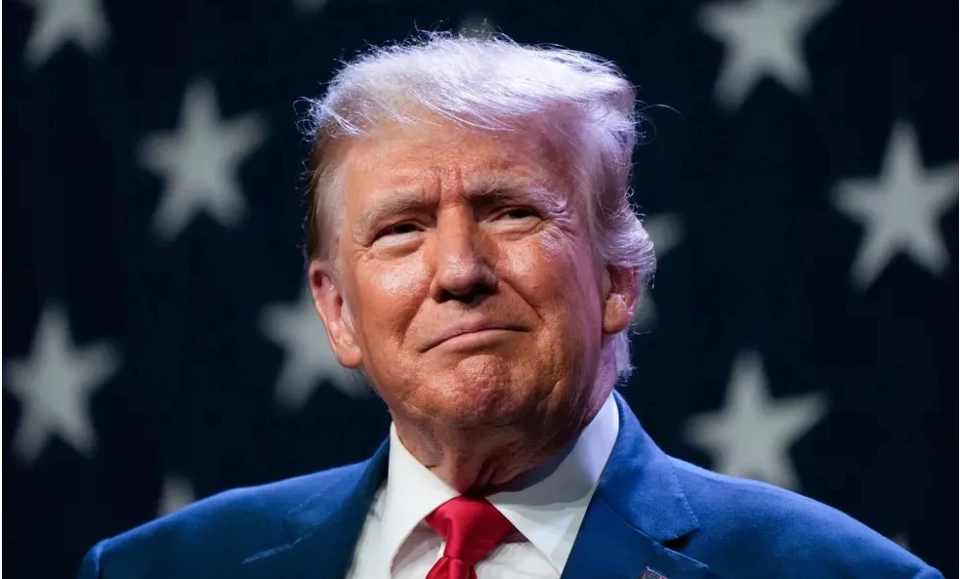
This position contrasts with previous statements by President Donald Trump, who emphasized that the U.S. would "manage" Venezuela until a sustainable democratic solution to the crisis was found.
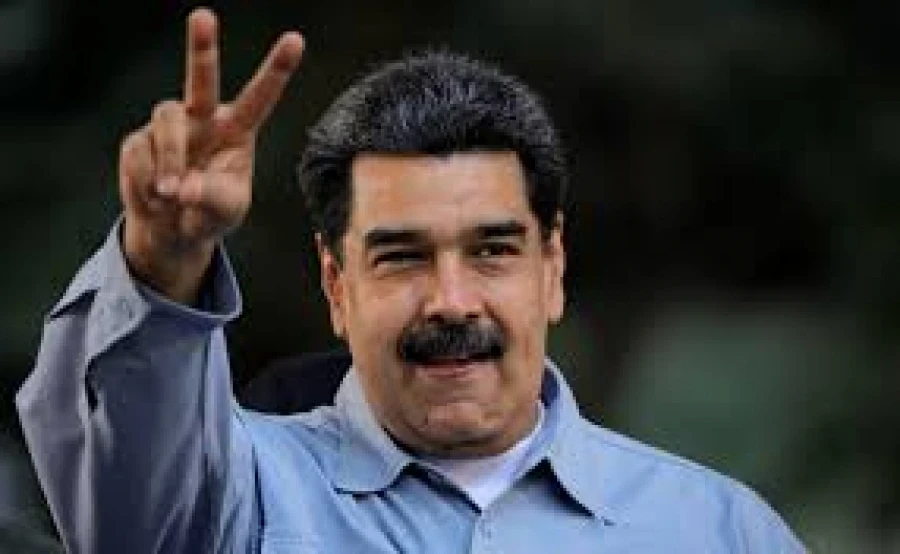
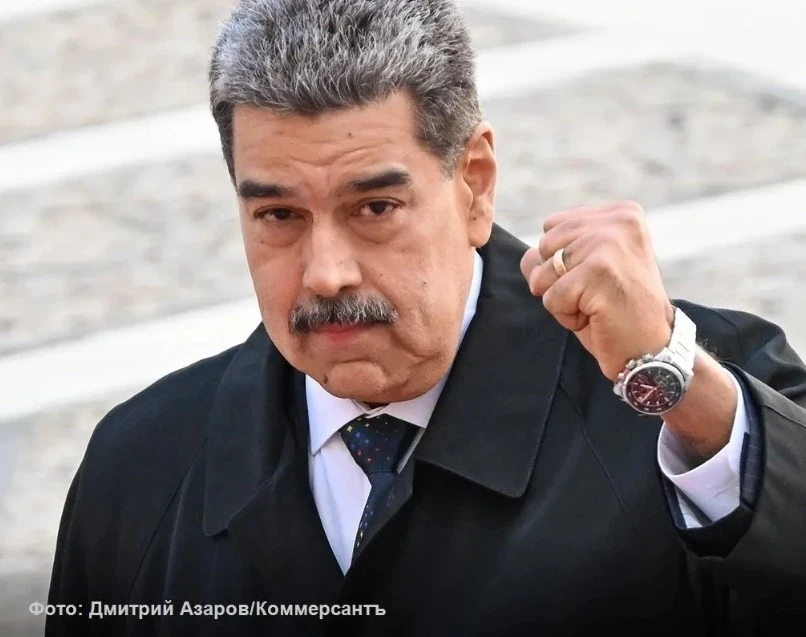
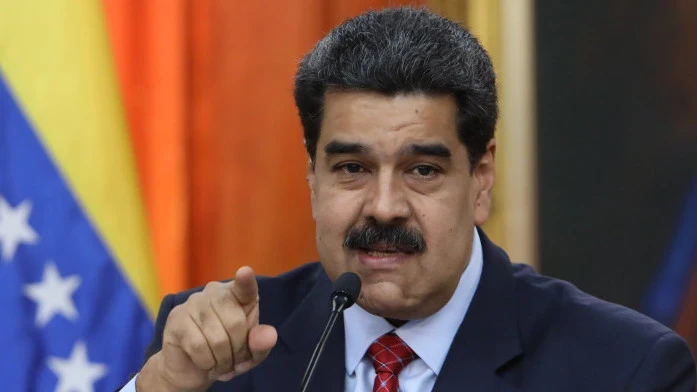
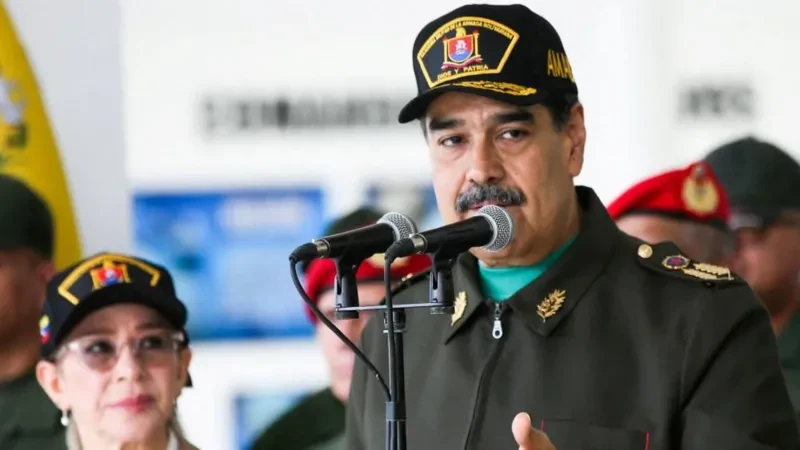
Nicolas Maduro, born on November 23, 1962, in Caracas, began his career as a bus driver and met Hugo Chavez in 1993. On Saturday, after 12 years in power and a U.S. military operation, he was arrested and taken to New York, where he will face charges of narco-terrorism.
Maduro's meeting with Chavez, which took place in Yare prison, was a turning point in his life. Chavez, who was imprisoned for an attempted coup, introduced Maduro to the political arena, changing his career. At that time, he was just over thirty and was just starting his activities in the trade unions.
Maduro played a significant role in creating the "V Republic" movement and became a key player in the campaign that brought Chavez to the presidency. His career progressed rapidly: he became a member of the National Constituent Assembly, then the parliament, and served as foreign minister before Chavez appointed him as his successor in 2012.
In March 2013, after Chavez's death from cancer, Maduro, holding back tears, announced his passing. He suggested that the illness could have been caused by "historical enemies." His first presidential decision involved deploying the armed forces.
However, unlike Chavez, Maduro was unable to gain the support of the majority of the population. In the 2013 elections, he narrowly defeated Henrique Capriles and soon faced mass protests, resulting in over 40 deaths in 2014.
The economic policy of his administration was disastrous, accompanied by high inflation and falling oil prices. In 2015, "Chavismo" lost elections to legislative bodies, and Maduro responded by attempting to usurp power through the Supreme Court.
He was re-elected in 2018 in elections that the international community characterized as fraudulent. Only six heads of state attended his inauguration. In 2019, Juan Guaido declared himself president with the support of the U.S. and the EU, but this did not lead to a change of power.
The next elections in 2024 became a real failure for him. He did not present documents confirming his victory, and the international community recognized the opposition candidate as the legitimate winner. The leader of the resistance became Maria Corina Machado, now a Nobel Peace Prize laureate.
Consequences: U.S. military operation, capture, and trial
After Donald Trump returned to the White House, he escalated tensions by stating that Maduro's days were "numbered." The U.S. attacked more than 30 drug boats off the coast of Venezuela, resulting in casualties among criminals. Additionally, the U.S. designated the "Cartel of the Suns" as a terrorist organization and offered $50 million for Maduro's capture.
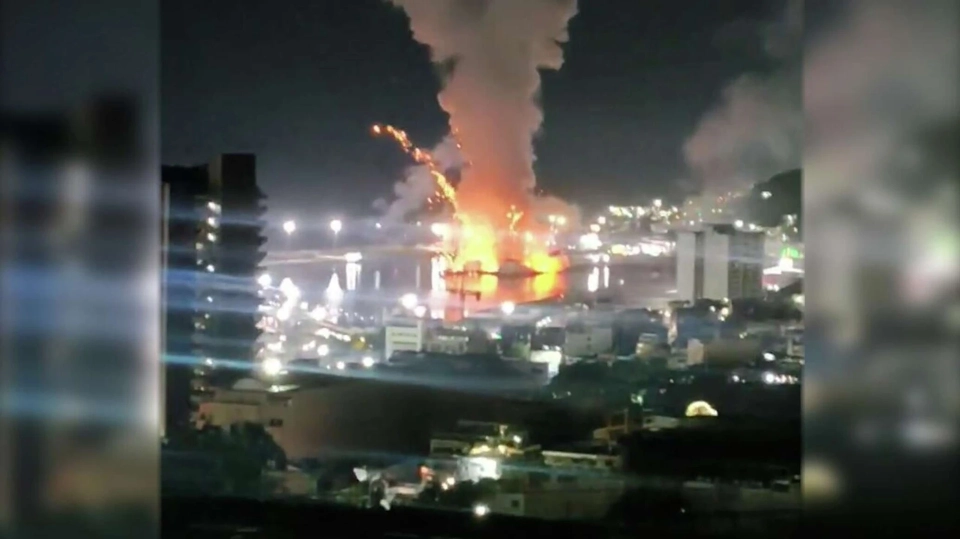
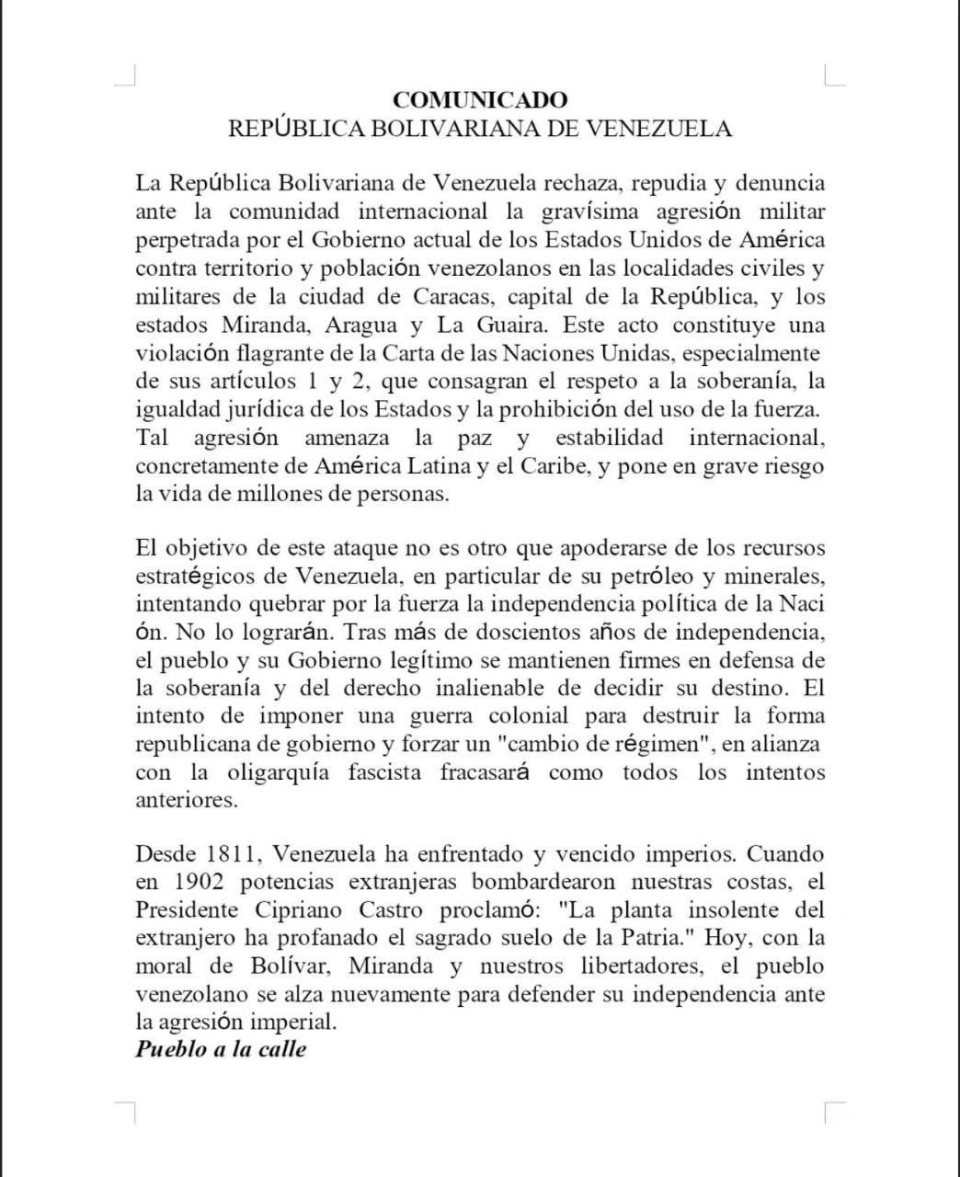
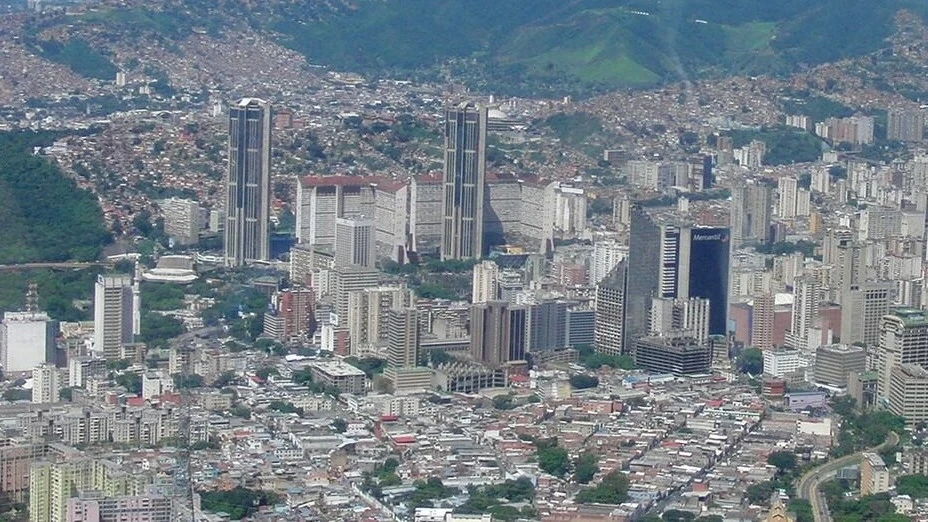
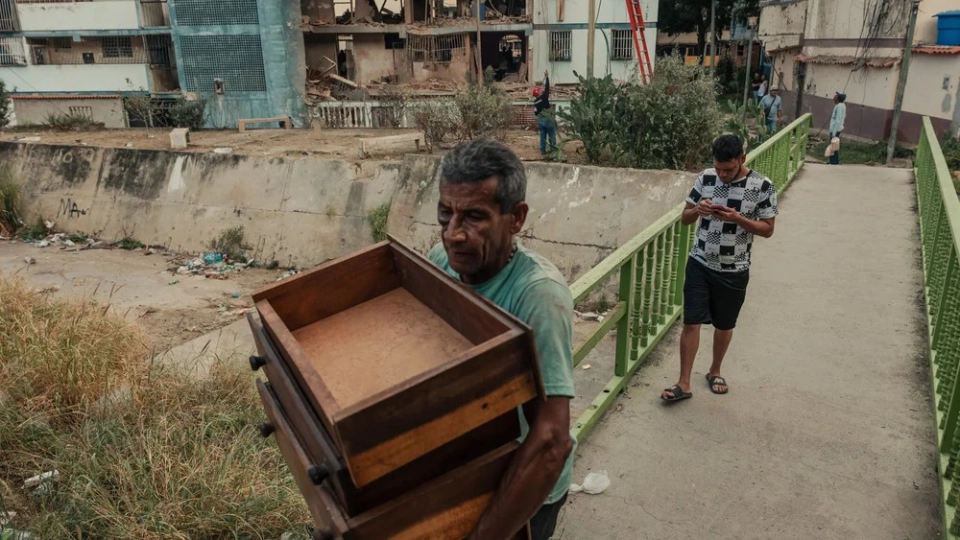
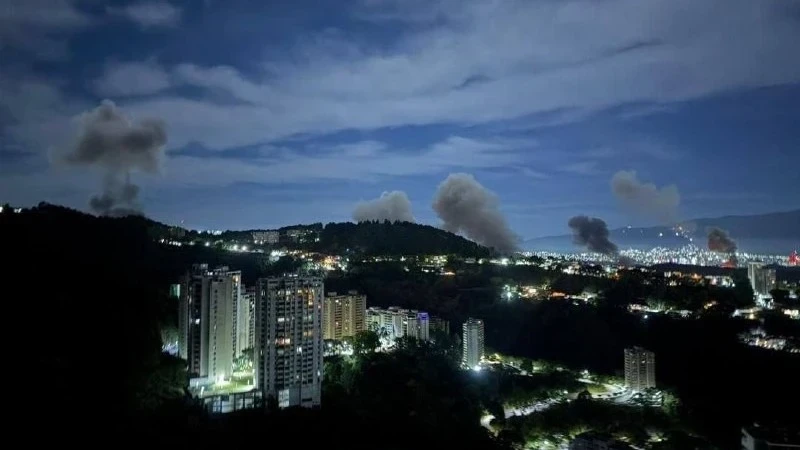
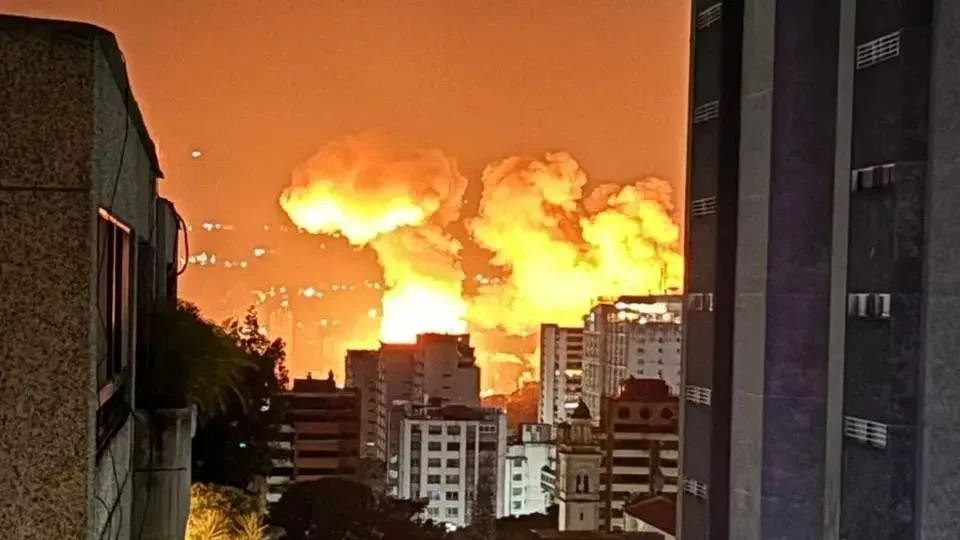
On January 3, 2026, early in the morning, Chinook helicopters and U.S. special forces conducted an operation in Caracas, during which Maduro and his wife, Cilia Flores, were captured and transported to the U.S. Navy warship "Iwo Jima." Trump called this event "one of the greatest displays of power in U.S. history."
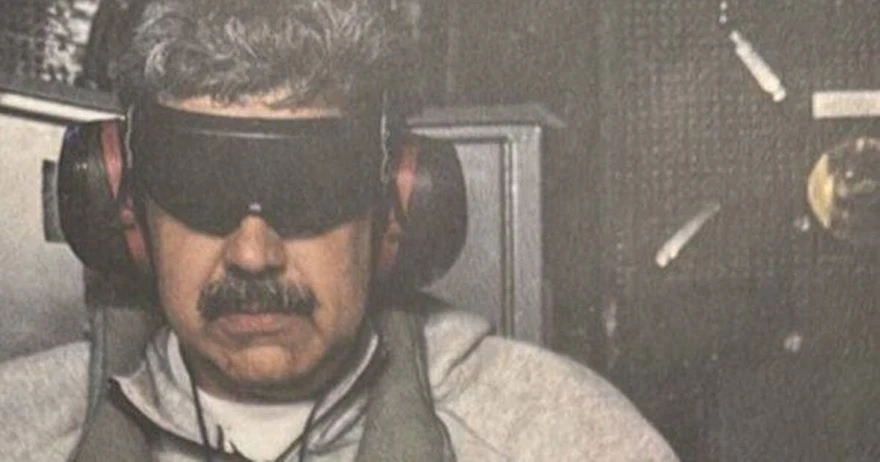
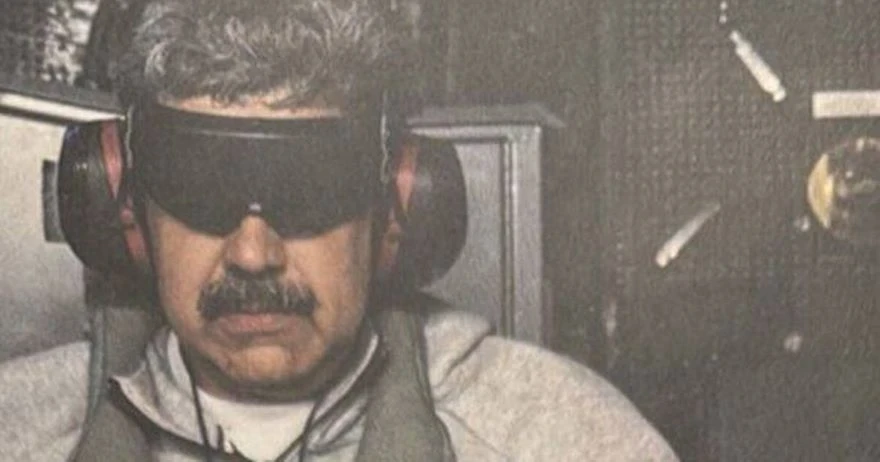
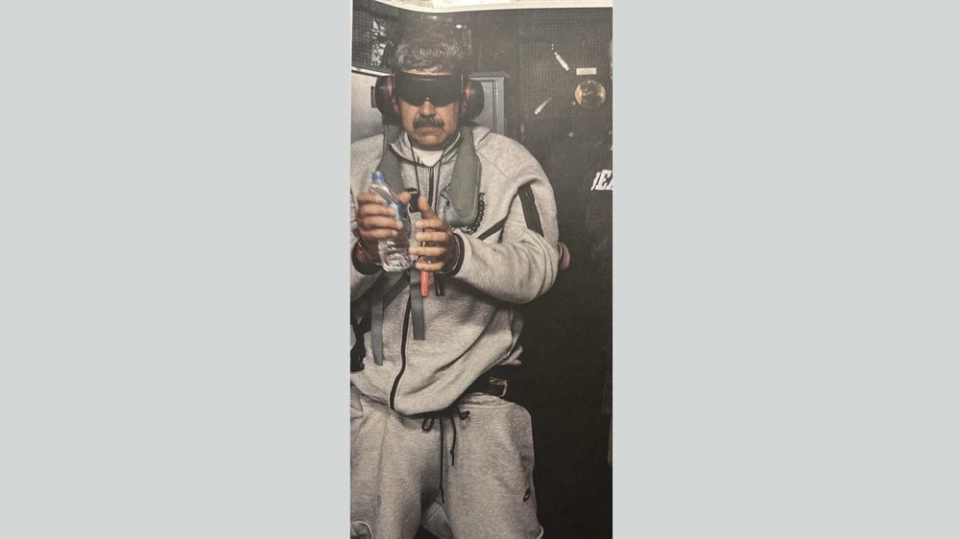
Global media spread images of Maduro with his eyes covered and a bottle of water aboard the military ship.
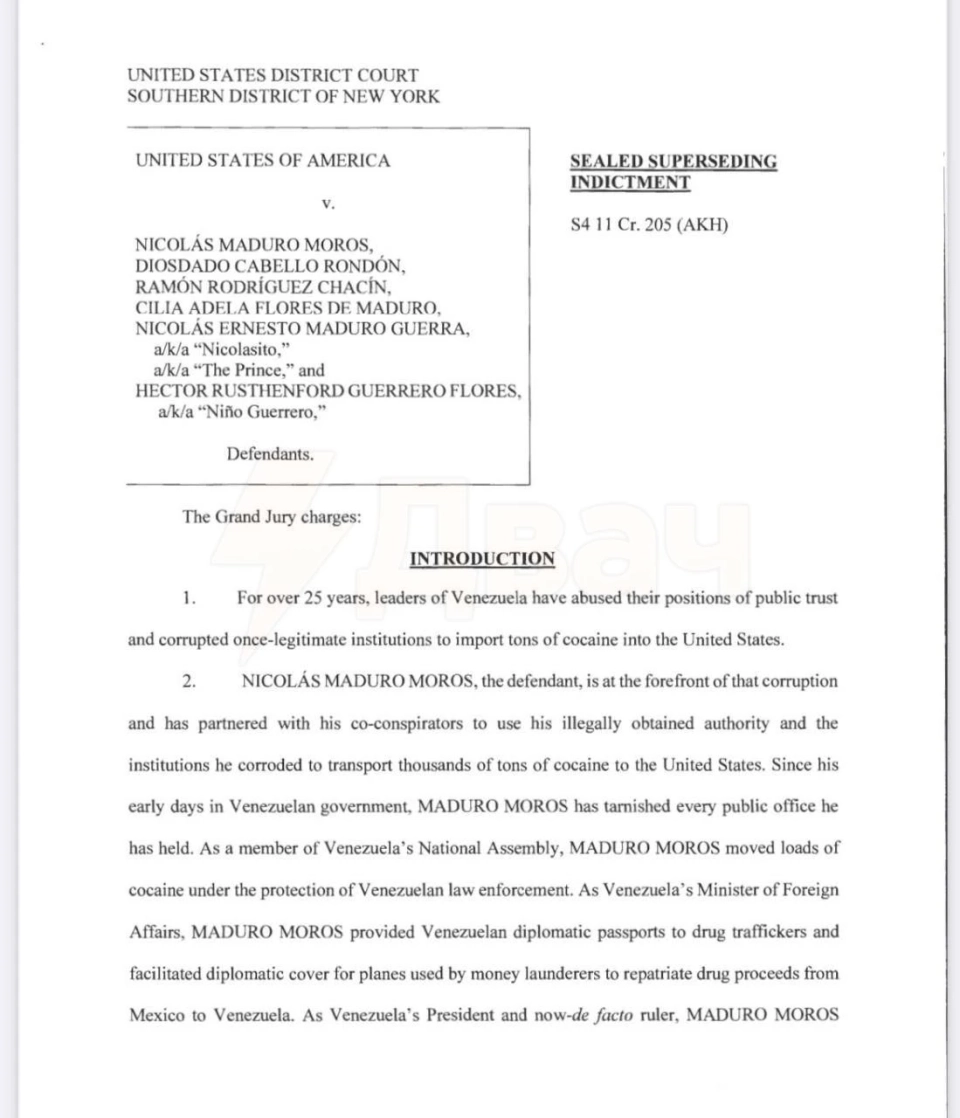
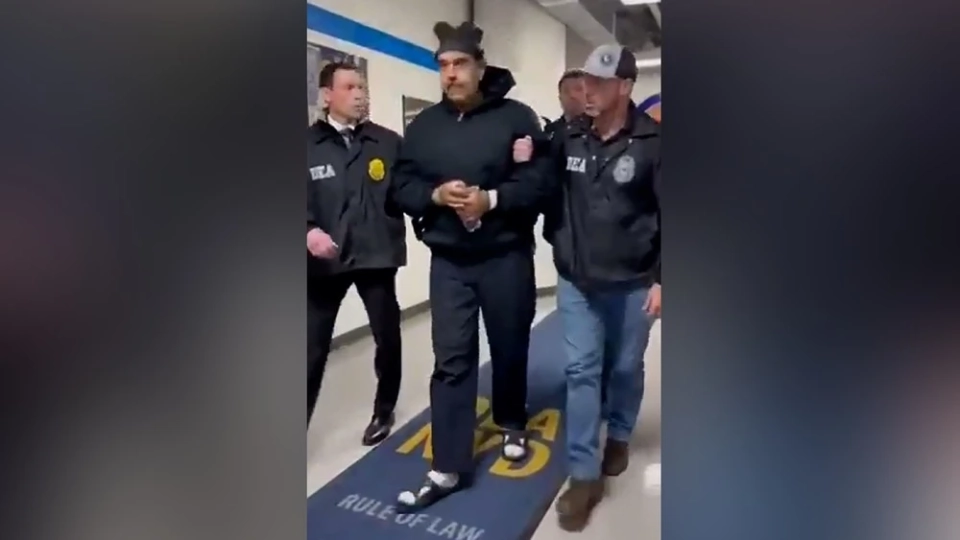
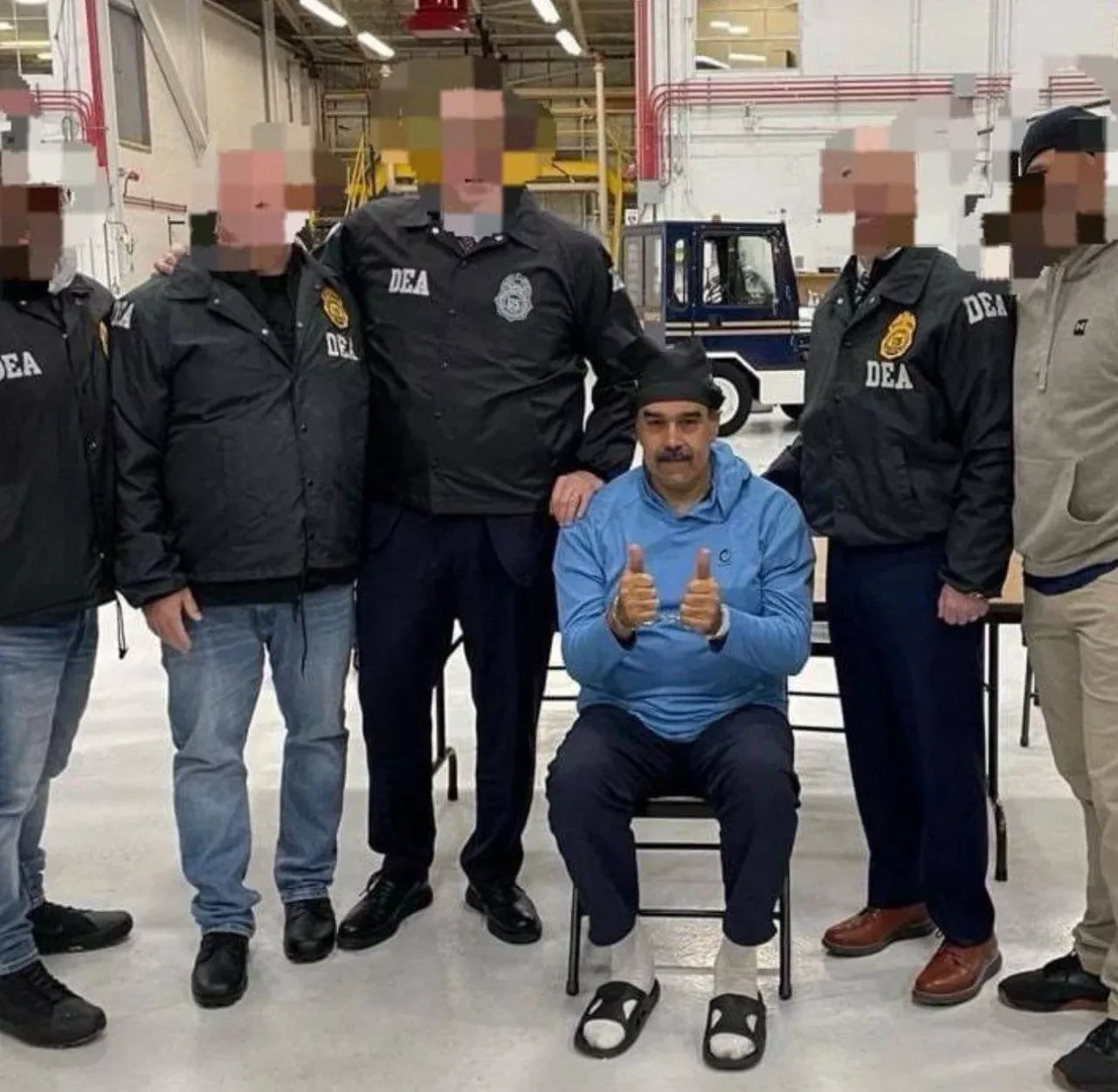
Hours later, he was presented in New York at Stewart Air Force Base under the protection of Drug Enforcement Administration agents. Attorney General Pam Bondi announced charges, including narco-terrorism conspiracy and cocaine smuggling into the U.S. He is expected to appear in court in Manhattan this week.
Trump stated that the U.S. would "manage Venezuela" until an orderly transition of power occurs.
Now Maduro, who was once a bus driver and became a political leader, is likely awaiting the final chapter of his career in a detention center in Brooklyn.