Tarik Ali reports that Chavez anticipated such actions when he was told that he might be accused of drug trafficking, trying to link him to crimes he did not commit. "They will try to apply the Noriega formula to you," he added, hinting at the intention to create a direct connection between him and drug trafficking.
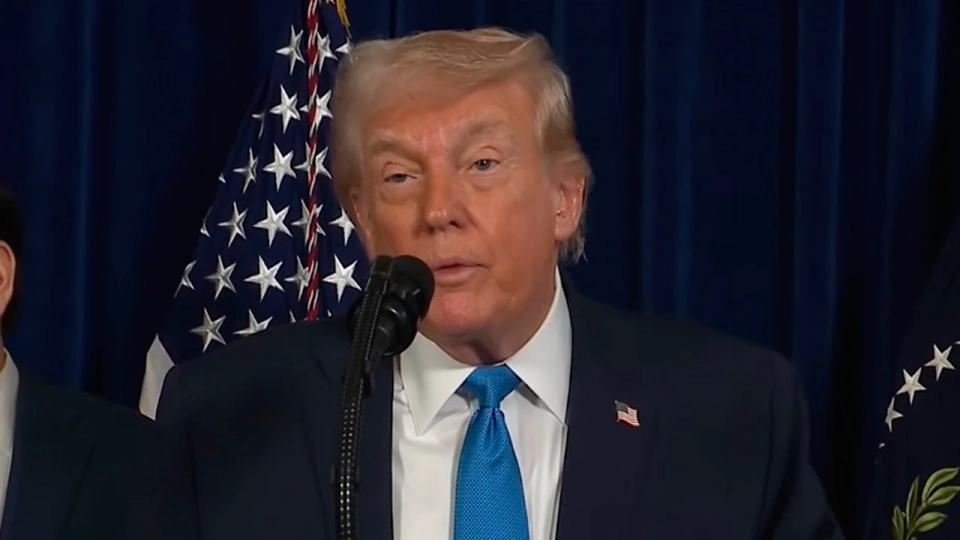
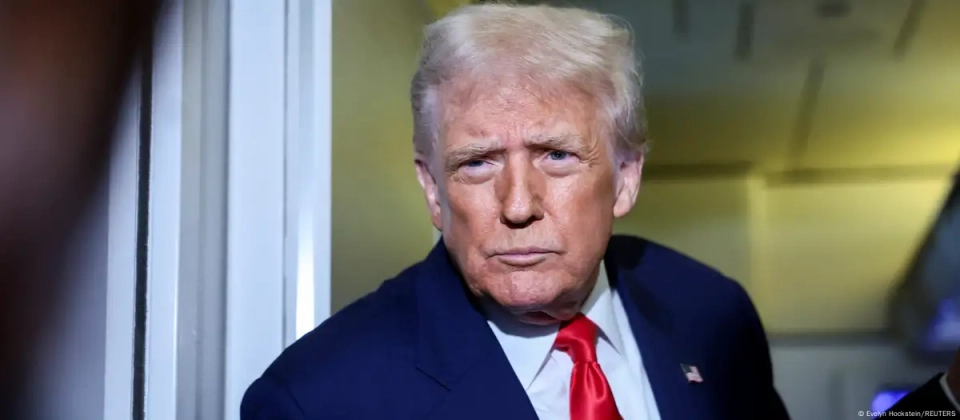
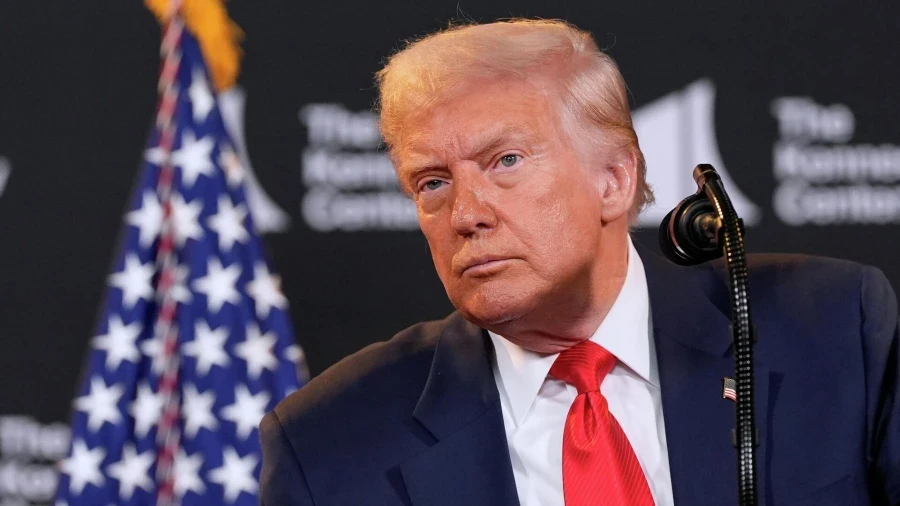
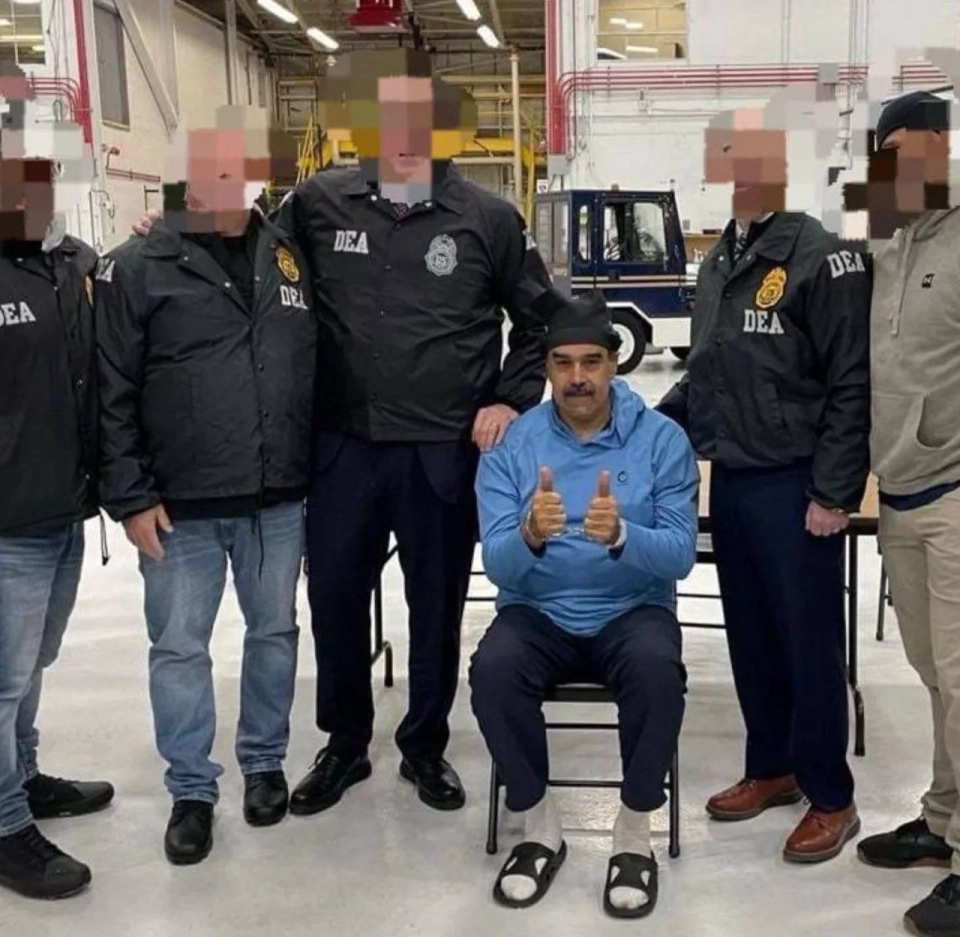
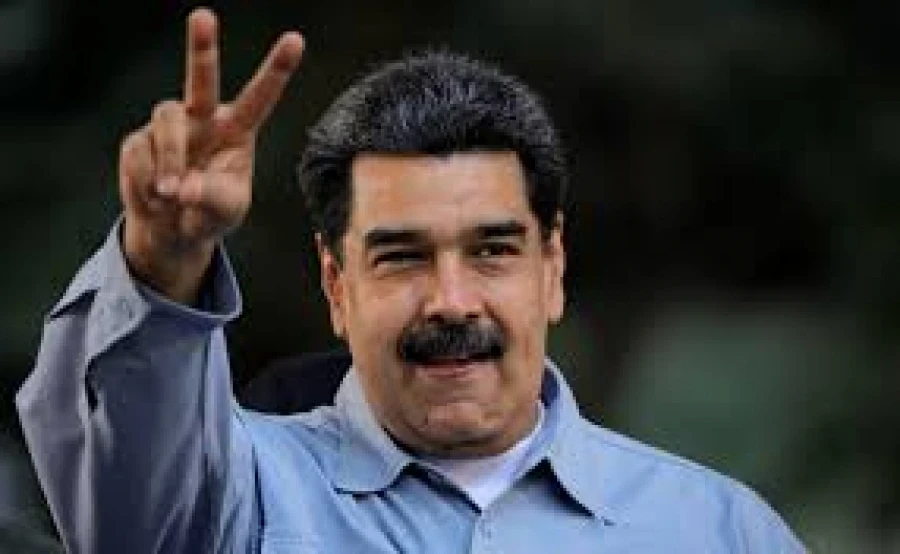
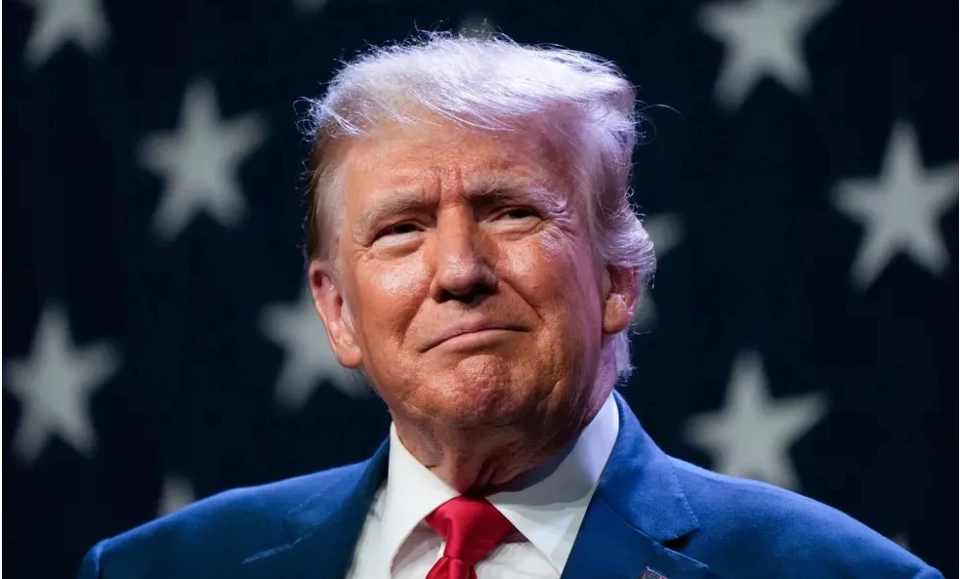
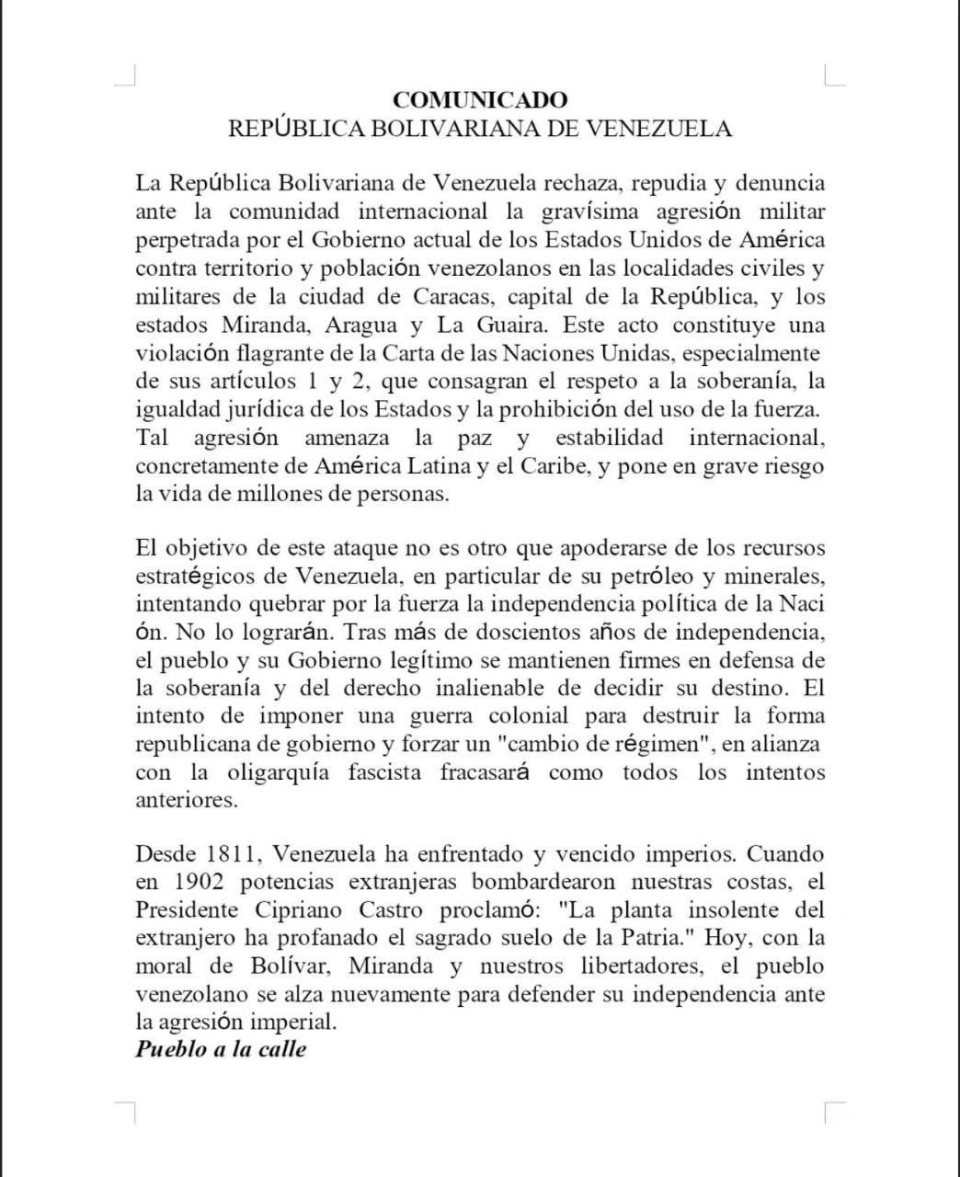
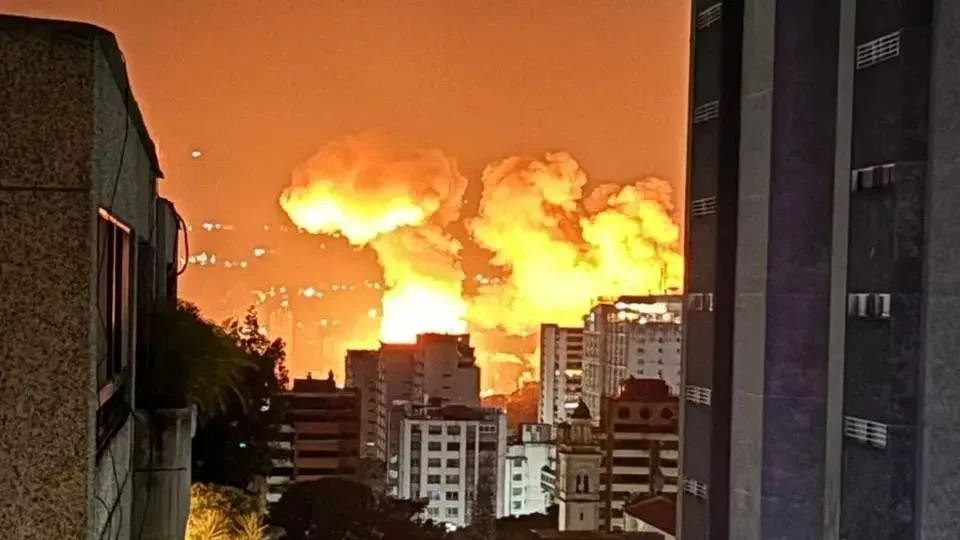
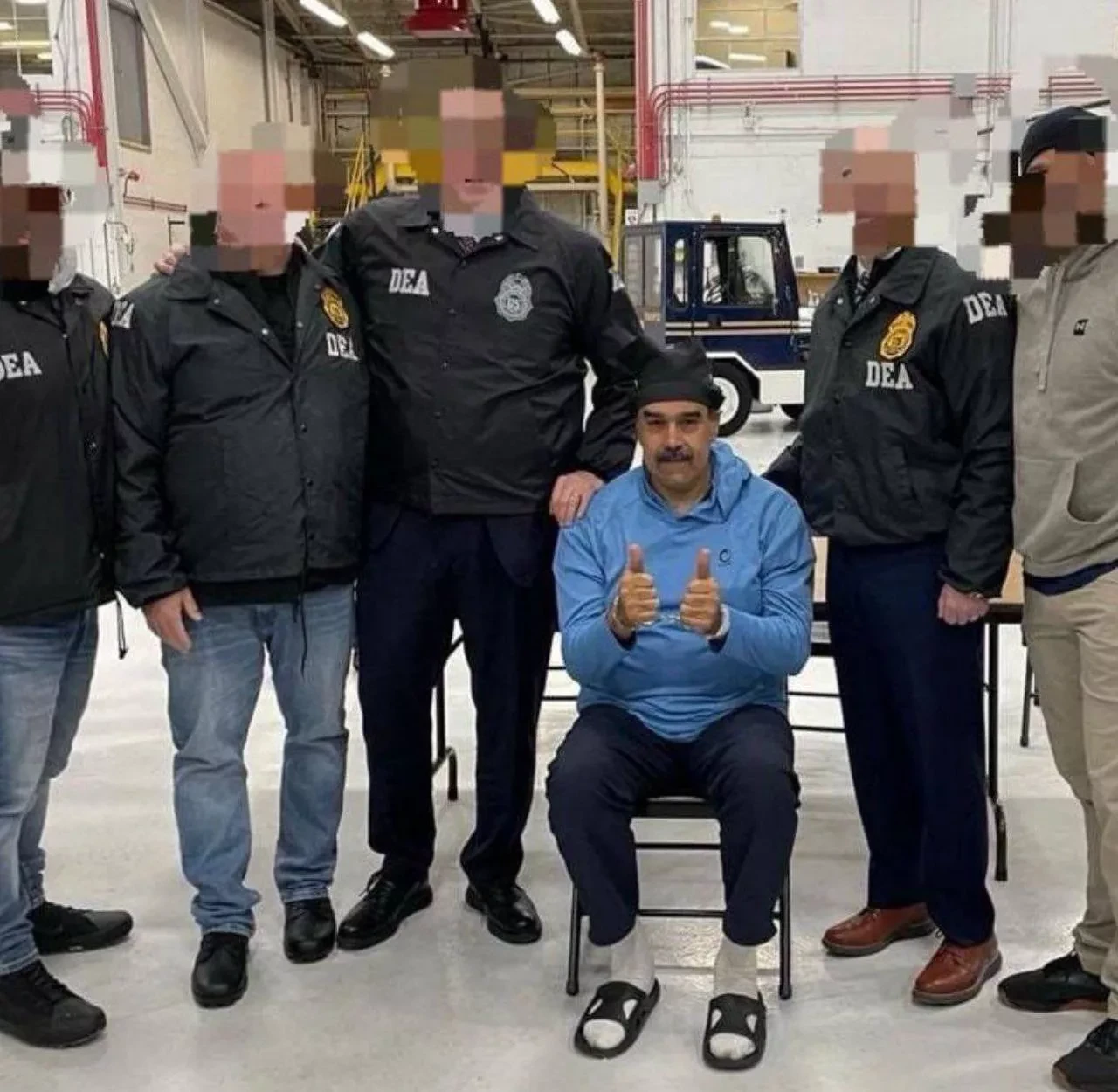
On the morning of January 3, Trump made a statement on Twitter announcing a "major strike" against Venezuela and its leader. He claimed that Maduro and his wife Cilia had been "captured and taken out of the country," promising to provide details later, but the information turned out to be contradictory.
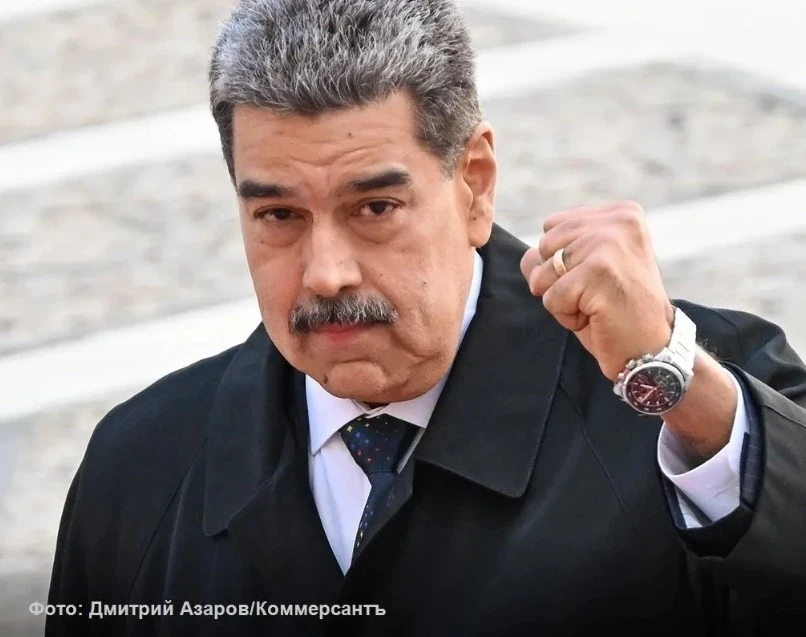
Later that same day, I was informed that the U.S. and the Venezuelan government had been engaged in secret negotiations for some time. According to the New York Times, Maduro rejected offers for a comfortable relocation to Turkey and continued to propose discussions with Washington on issues of oil and drug imports.
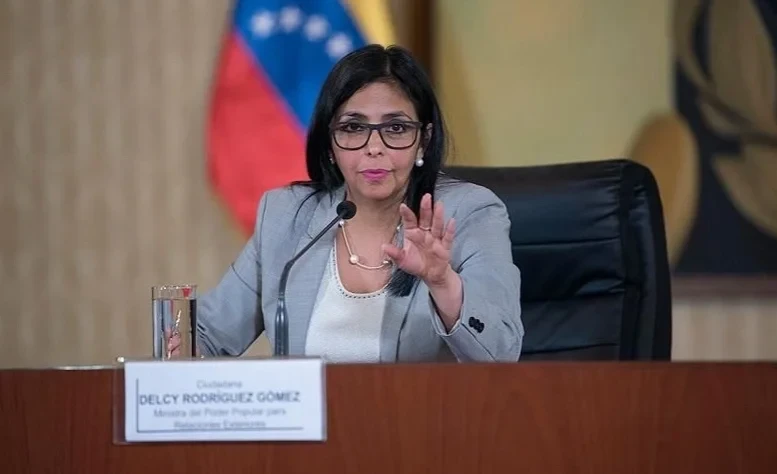
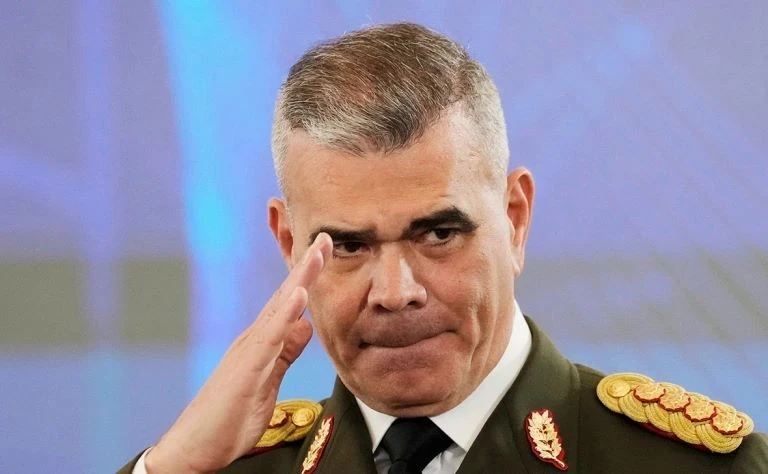
The Trump administration's expectations were to establish contacts with Venezuelan Vice President Delcy Rodriguez and other key figures, such as Interior Minister Diosdado Cabello and Defense Minister Vladimir Padrino, who have the support of the military. Trump, escalating the threat of military intervention, faced a backlash from Maduro's government, which began arming part of the population.
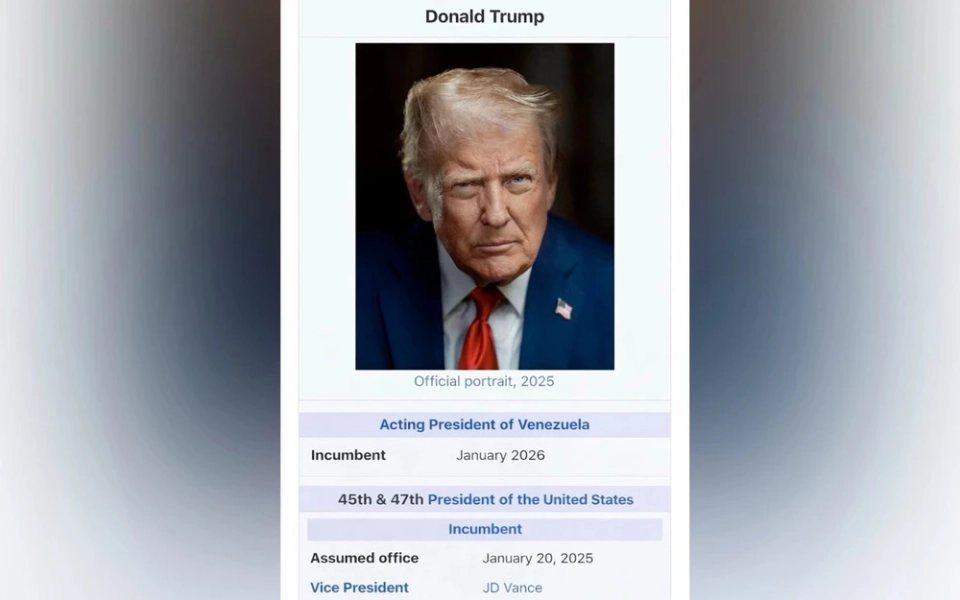
The question of who would govern Venezuela became critically important. Trump stated that the U.S. would take over the management of the country during the transition period, but his administration found itself in a difficult situation. Trump's supporters do not approve of deploying American troops abroad, which raises doubts about the possibility of military intervention in Venezuela.
Rumors began to circulate that Marco Rubio could become the de facto governor of Venezuela. The day after Maduro's capture, Cabello commented on the situation, stating that it was an attack on Venezuela and urged the people to remain calm.
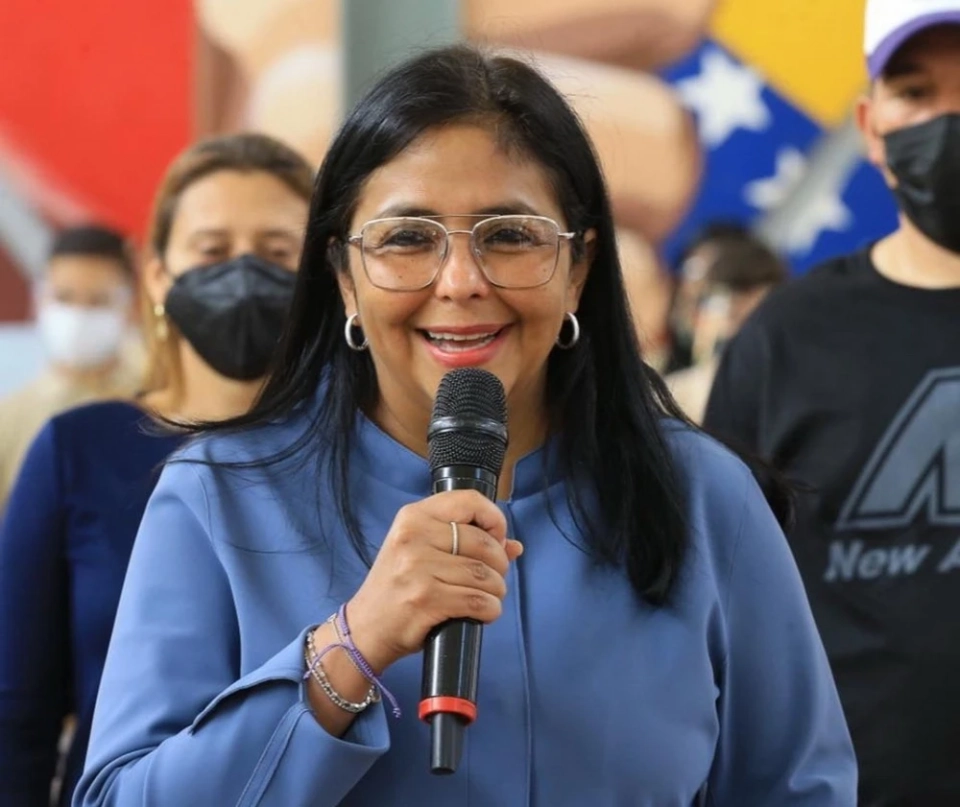
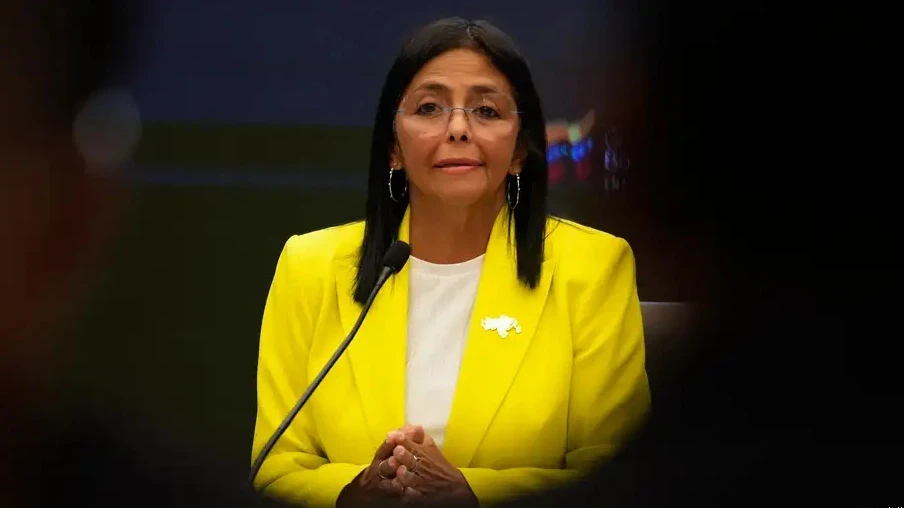
Rodriguez, approved by the Venezuelan Supreme Court as interim president, appeared on television calling for Maduro's release. Trump, in turn, sharply criticized her actions, threatening serious consequences if she did not fulfill her promises.
The Trump administration seemingly does not realize that most Venezuelans do not welcome U.S. intervention. This reflects a historical tradition in Latin America, which Simon Bolivar warned about. Protests have been taking place across the country since Sunday, including a large demonstration in Caracas demanding Maduro's release.
* * *
Chavez warned that Trump and Rubio would attempt to accuse Maduro of "narcoterrorism," which would be akin to using invisible weapons of mass destruction. Rubio claimed on Twitter that Maduro is not the legitimate president and that his regime is not a legitimate government, asserting that he is linked to a drug cartel.
Rubio's own connections to drug trafficking raise questions, especially considering that his family was involved in cocaine smuggling. Some believe that the attack on Venezuela could be an attempt to protect pro-American drug traffickers.
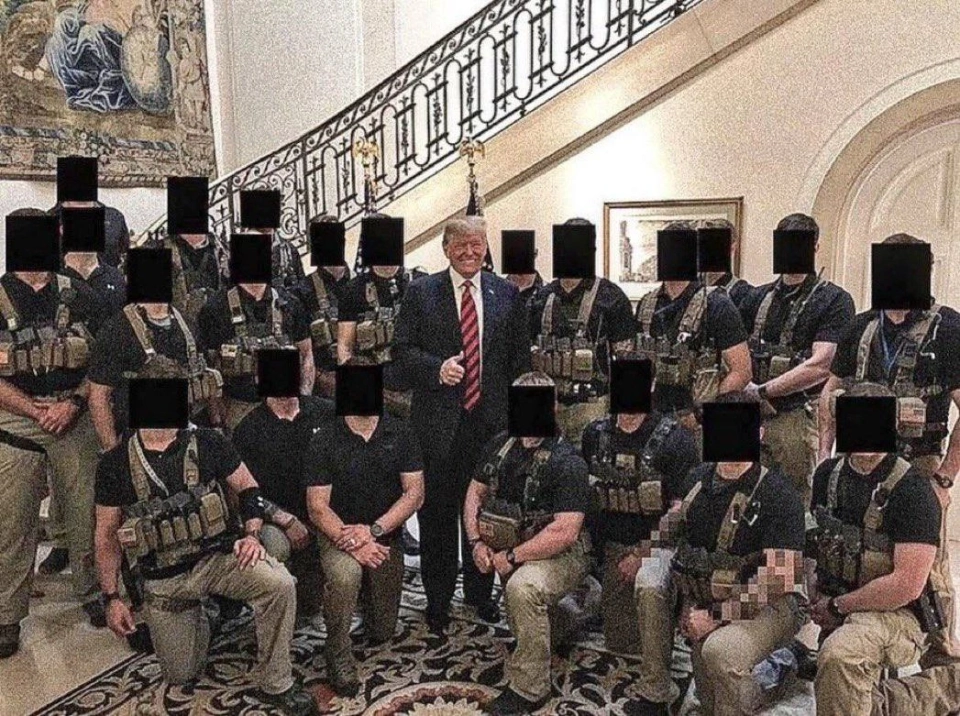
The irony of the situation is that "Delta Force," the American unit that captured Maduro, is also associated with drug trafficking. Journalist Seth Harp's book describes how American military structures have been involved in drug trade.
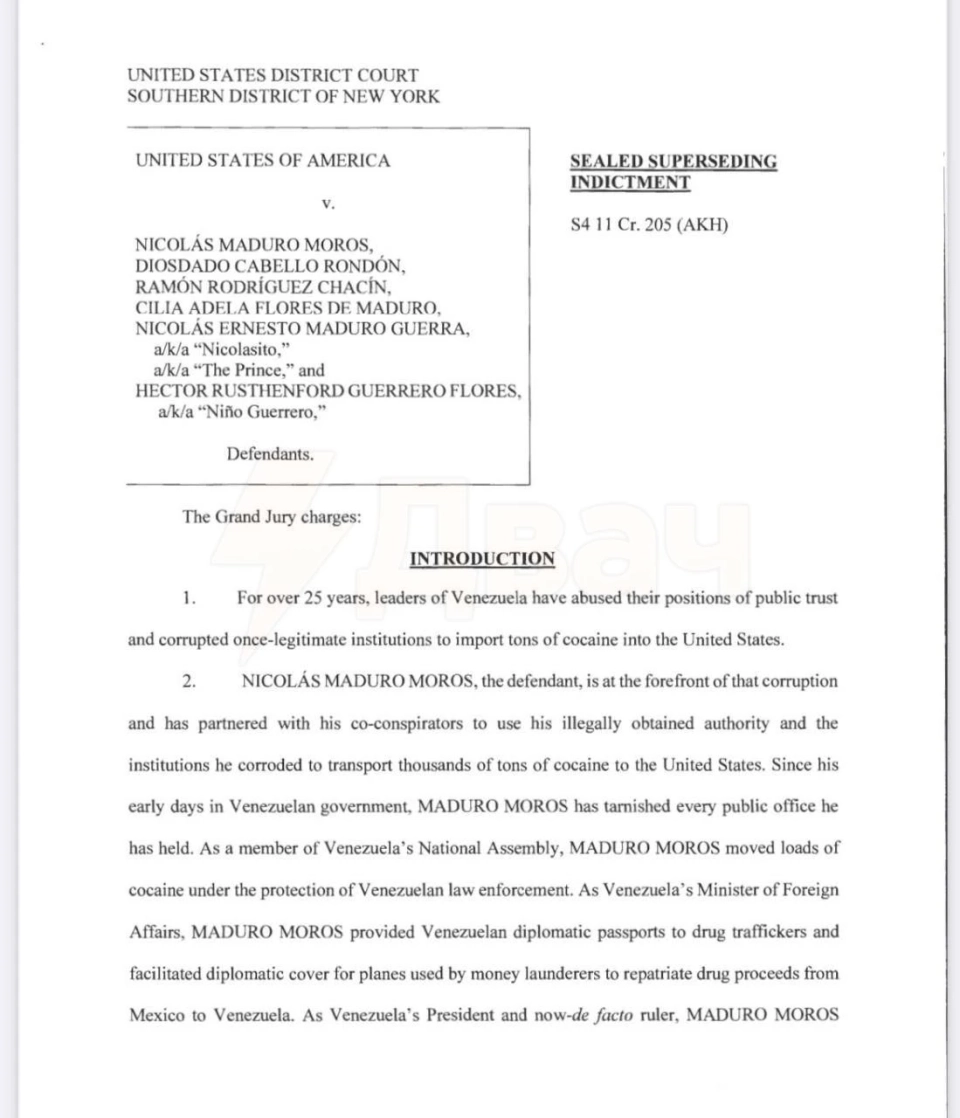
Attorney General Pam Bondi published charges against Maduro, but many lawyers in the U.S. are skeptical of these accusations, considering them a farce. This underscores the problem of appointing people to Trump's cabinet based on loyalty rather than competence.
Maduro, despite his shortcomings, cannot be compared to Noriega, who worked for the CIA for a long time before being overthrown. The case of Jean-Bertrand Aristide, the president of Haiti who was overthrown with the help of American forces, may serve as a precedent.
Attacks on Maduro resemble the criticism of Chavez, who, despite his democratic elections, faced accusations of dictatorship. Chavez continued to insist on the importance of democratic processes, and his opponents often used the same mechanisms against him.
Since 2013, Maduro's regime has faced a crisis, and his economic actions have been criticized. Sanctions imposed by the U.S. have severely affected the country, leading to mass migrations.
Support for the Venezuelan armed forces has also been an issue. Chavez was unable to carry out a large-scale reform of the military structures, which became a reason for his vulnerability.
Nevertheless, the Bolivarian regime has long combined democracy with social programs. Cuba played an important role in supporting Venezuela, but the economic blockade forced Caracas to abandon many of Chavez's reforms.
* * *
On the international stage, the reaction to U.S. actions has been muted. China and Russia condemned the abduction, but European states expressed their position less decisively. Macron initially urged Venezuelans to rejoice, then changed his position.
In the U.S., discontent is growing. The new mayor of New York condemned the attack on Venezuela as an act of war, and protests are already taking place in several cities. Support for the Bolivarian Republic is becoming increasingly important, as it may influence the fate of Cuba.
However, the situation remains uncertain. Demonstrations in Caracas may signal to the Trump administration that pressure on Venezuela could lead to unexpected consequences.
In his 2005 speech, Chavez spoke about the need to fight for his country and asserted that if an invasion occurred, he would resist. At this moment, the situation remains open.