Discussion of the Document's Foundations
Since January 19, representatives from various states, international organizations, and civil society have been meeting in New York as part of the preparatory committee, which lays the groundwork for future official negotiations. Some of the most pressing topics include the definition of the term "crime against humanity", states' obligations to prevent and punish, victims' rights, as well as mechanisms, both national and international, to ensure compliance with these obligations.Contemporary Challenges and Historical Injustices
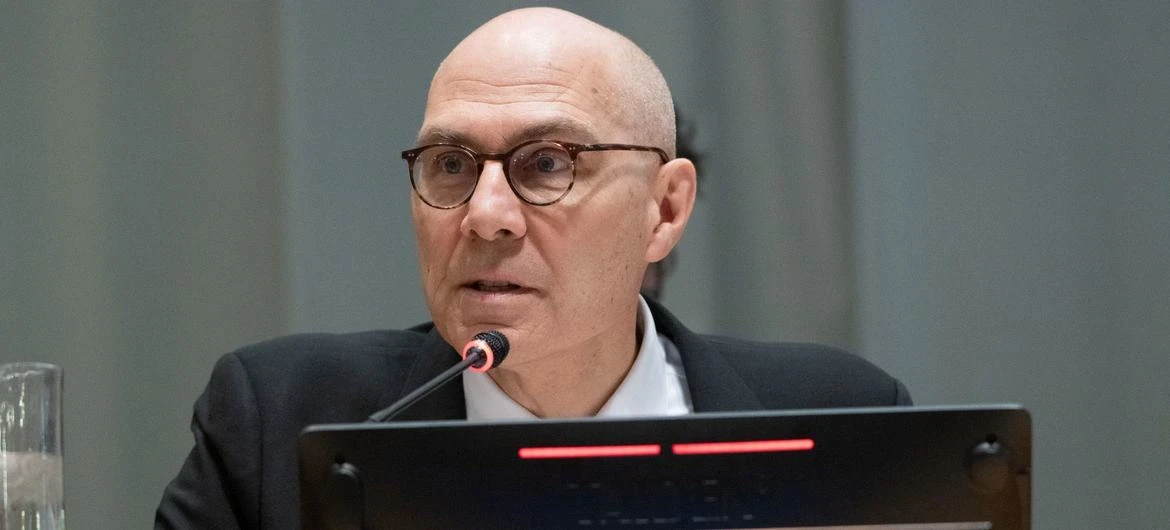
Turk emphasized that the new convention should reflect the evolution of international law and include modern forms of crimes. He also reminded of the importance of incorporating the concept of "gender apartheid" into the document and urged states to carefully consider this and other proposals.“Delegates must create a convention capable of addressing the challenges of the future,” Turk stated. “It should take into account the deep historical injustices that continue to impact the world while also responding to contemporary threats.”
Involvement of Victims in the Process
Turk highlighted the importance of an inclusive approach that represents various groups from civil society and experts. He called for the inclusion of victims in the subsequent stages of negotiations so that the future convention fully meets their expectations.The High Commissioner also noted the need to develop mechanisms for implementing the future treaty, including the possibility of establishing a special body for its enforcement.
“The convention must not remain just a set of words. It should inspire states to put the norms into practice,” he noted.Turk confirmed his office's readiness to provide support in the process and offer expert consultations to states.
Photo on the main page: UN.