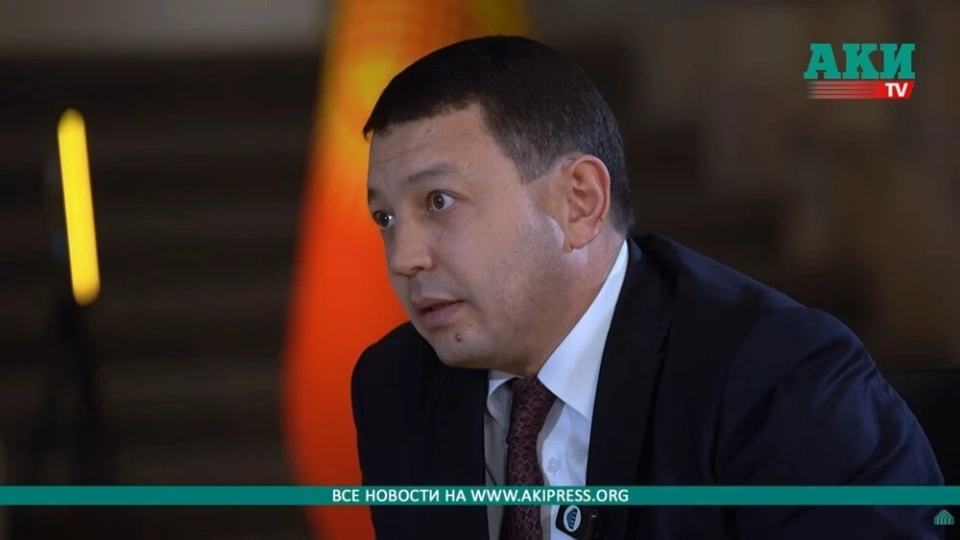
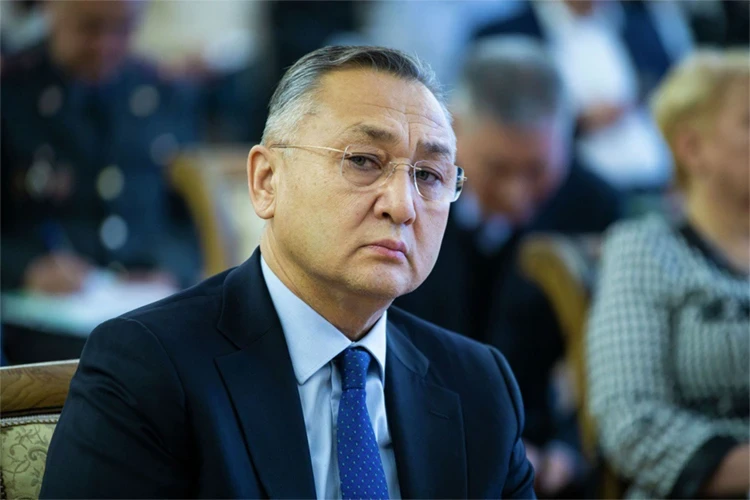
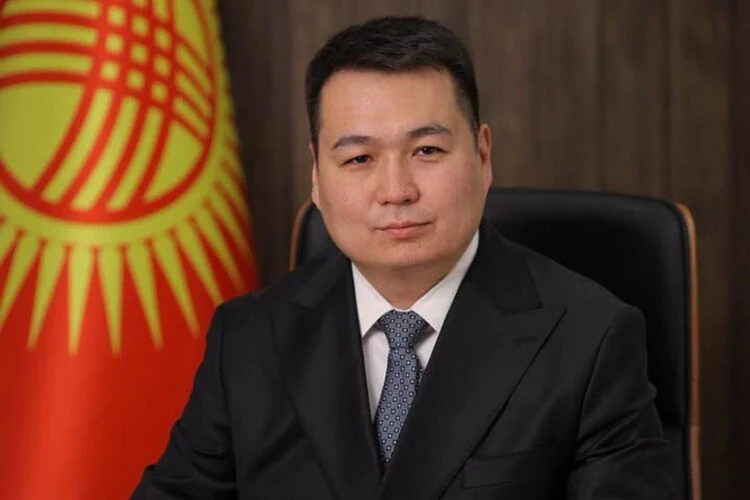
- Since January 1, you have taken on the responsibilities of the Secretary General of the CSTO. What are your feelings about this?
- I came with a working attitude.
First of all, I want to express my gratitude to the leaders of the CSTO member states for the trust placed in me. For the past two years, I have worked in the CSTO Secretariat, where, as Deputy Secretary General, I oversaw military-political security. This period has been an important stage for me to gain a deep understanding of the issues and analyze opportunities to enhance the effectiveness of the organization.
Our efforts are focused on fulfilling the main task of the organization — maintaining peace and stability in our area of responsibility, as well as creating conditions for the safe development and prosperity of the CSTO member states. We have all the necessary tools for this.
I am committed to the most effective application of the accumulated experience and proven practices of interaction between member states to address the key tasks of our common security. This includes political consultations, the work of specialized groups, and conducting joint exercises.
In accordance with the directives of the Collective Security Council (CSC), we will continue to strengthen the role of the CSTO as an important military-political structure in the Greater Eurasia space for preserving peace and stability.
- What tasks does the Secretariat face in the near future?
- In 2026, the presidency in the CSTO will pass to the Russian Federation. It will be held under the motto "Collective Security in a Multipolar World. A Common Goal – Shared Responsibility," which reflects the key principles of our alliance – responsibility and readiness to cooperate with interested states and organizations to ensure regional and global security.
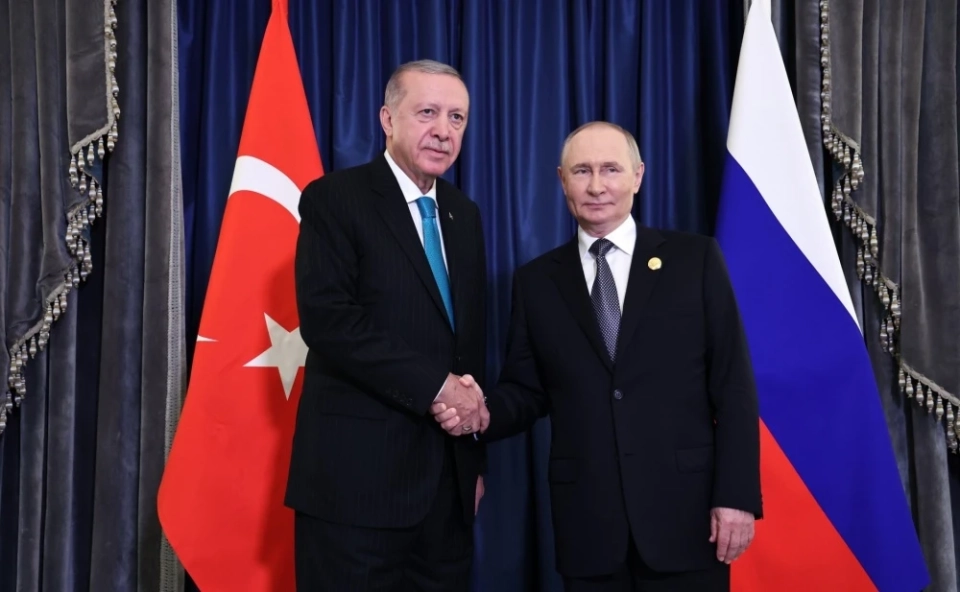
Soon we will present a plan of activities to the President of the Russian Federation, Vladimir Putin, for approval, which includes the implementation of decisions from the CSTO Collective Security Council session in November 2025.
We have a lot of work ahead to deepen foreign policy coordination among member states and promote collective interests on the international stage.
We will continue to:
- improve the work of the CSTO statutory bodies;
- strengthen inter-parliamentary cooperation in the field of collective security;
- develop the forces and means of the collective security system in accordance with forecasts of changes in the military-political situation;
- enhance coordination in the fight against international terrorism, extremism, the illegal drug trade and arms trafficking, as well as other important issues such as biological security and military medicine.
Additionally, preparations have begun for the celebration of the 25th anniversary of the Collective Security Treaty Organization and the 35th anniversary of the signing of the Collective Security Treaty in 2027.
- How does the CSTO assess the growing geopolitical tension, considering the alarming events in different parts of Eurasia?
- Eurasia today is the geopolitical center of the emerging multipolar world. The ongoing processes have a significant impact on the global political and military situation, including in the CSTO's area of responsibility.
The reasons for the current imbalance in international relations are well known. Some Western politicians are striving for the militarization of the economy and strengthening their own security through new systems, including nuclear weapons.
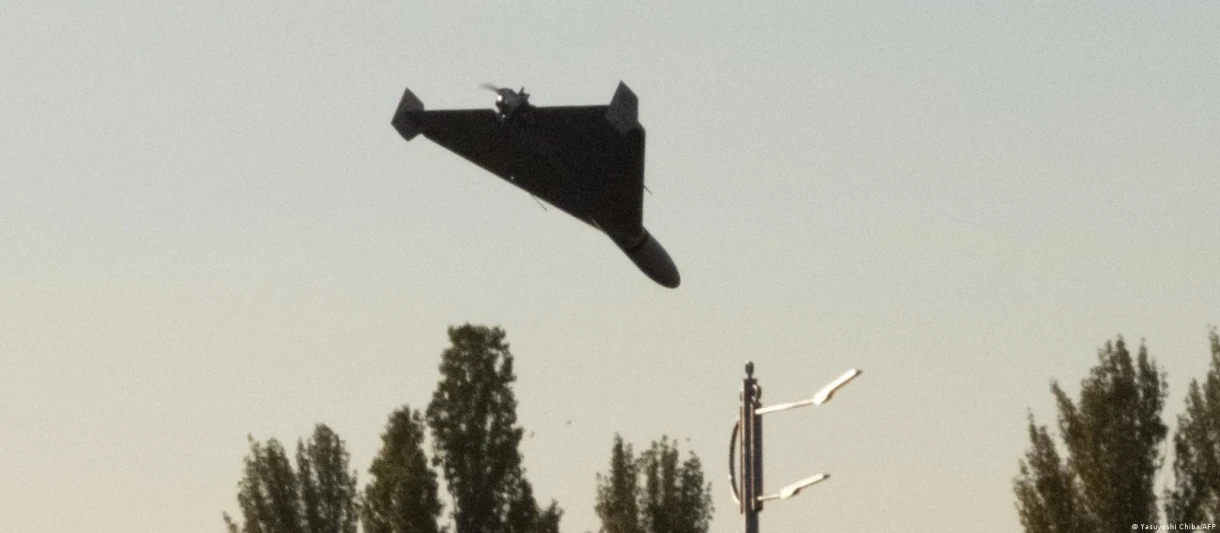
Increasing defense spending and the activation of military-space activities are becoming a reality. New types of lethal autonomous systems are emerging, and the internet is actively used to influence the internal political stability of countries. Artificial intelligence and self-learning systems are increasingly being applied for military purposes.
Complex military aspects of security require timely and coordinated actions in response to the growing threats in biological, international information, and other areas.
Unfortunately, the international community does not demonstrate unity in approaches to these problems. There are currently no successful attempts to create deterrence tools, even for regulating new dangerous technologies. The threats of international terrorism, extremism, drug trafficking, and illegal financial operations continue to exist.
In this unfavorable situation, there is a rise in the number of regional conflicts. We are particularly concerned about the proximity of "zones of instability" to the borders of CSTO member states. In such conditions, we continue to strengthen our role as an important military-political structure to maintain stability in our region.
- What experience does the CSTO have in positively influencing regional security?
- Our organization has a good "track record." For over thirty years, we have been able to prevent or mitigate numerous crises in the CSTO's area of responsibility. We continue to prioritize preventive political-diplomatic methods and develop a crisis response system.
As part of the collective security strategy extended until 2025, the CSTO intends to enhance the combat potential of its troops, equipping them with modern systems, including reconnaissance and automation tools. We also plan to develop military personnel for the armed forces of CSTO member states.
A key task for the CSTO will be the implementation of an intergovernmental program to strengthen the Tajik-Afghan border, which was approved in November 2024.
Currently, the CSTO is assisting in the implementation of the first stage of the program, coordinating the lists of weapons and equipment needed for Tajik border guards, as well as identifying suppliers.
Additionally, we traditionally conduct joint exercises: "Interaction," "Search," "Echelon," "Rubezh," where key aspects of training are practiced. In October of this year, a command-staff exercise with CSTO peacekeeping forces titled "Unbreakable Brotherhood – 2026" is planned to take place in Belarus. Coordination of actions to prevent biological threats will also be carried out.
In the area of countering challenges and threats, we will continue to enhance our potential aimed at combating terrorism, extremism, illegal drug trafficking, and crimes in the field of information technology. Practical activities in the format of special operations under the names "Mercenary," "Channel," "Illegal," and "PROXY" are also ongoing.
Furthermore, we will actively work on the information-analytical support of the CSTO's activities, coordinating the efforts of the civil scientific-expert community and improving the image of our organization on social media.
- What is the role of the CSTO and regional organizations in creating a new architecture of Eurasian security?
- For several decades, the CSTO has demonstrated its effectiveness as a structure ensuring regional stability and being part of the global security system. In the context of forming a new architecture of Eurasian security, an important direction of our work is interaction with other international organizations.
We observe how regional structures and middle powers are beginning to play a key role in addressing regional problems, relying on the experience of the UN system. This will enhance the influence of countries that better understand local realities and are interested in finding effective solutions.
In these conditions, the United Nations remains our main partner. The CSTO and the UN are developing cooperation in all areas, including conflict prevention, peacekeeping, and combating terrorism.
In 2026, we expect the UN General Assembly to approve a resolution on "Cooperation between the UN and the CSTO."
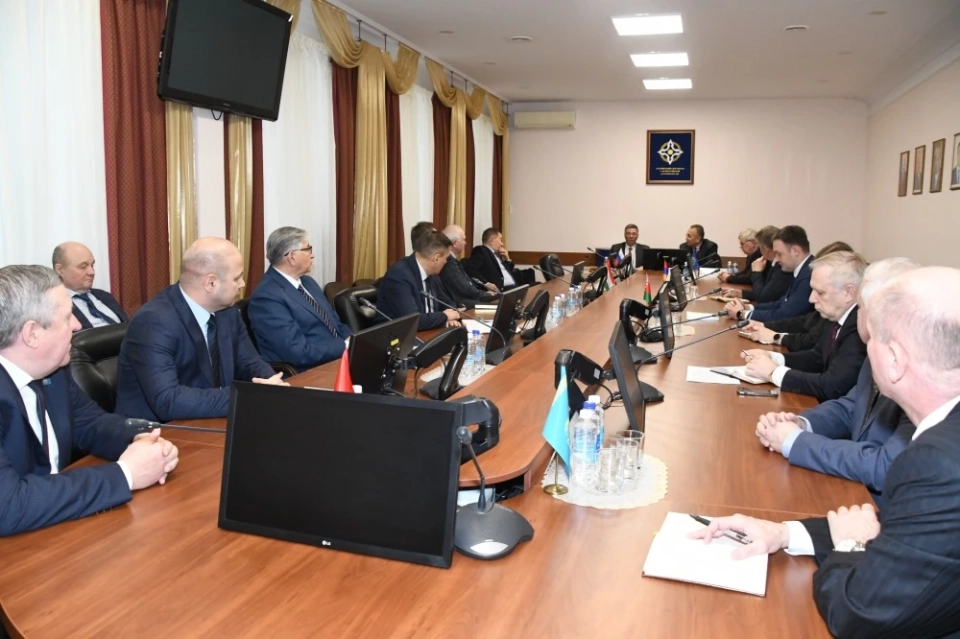
The CSTO Secretariat will continue to develop partnerships with the SCO and CIS. In 2025, an agreement on a roadmap for cooperation for 2026-2028 was signed.
The implementation of this roadmap, in our opinion, will lay the foundation for activating joint actions in the field of security. This year, a conference of the CSTO, CIS, and SCO on security issues in Central Asia and Afghanistan is also planned.
Throughout the duration of the roadmap, joint media projects are planned to enhance the international authority of our organizations.
As for interaction with the OSCE, under the current tension, contacts with some Western countries have been temporarily suspended. We are closely monitoring the processes in the OSCE and are ready to resume cooperation, as the absence of interaction always leads to negative consequences.
The growing number of challenges and threats requires the search for new partners and allies. The CSTO is open to cooperation with states and organizations that share our principles and goals.